Portuguese
  Spanish



The Installed Power Mark Was Exceeded at the End of March Due to the Strength of Micro and Mini Distributed Energy Generation by the Consumers Themselves
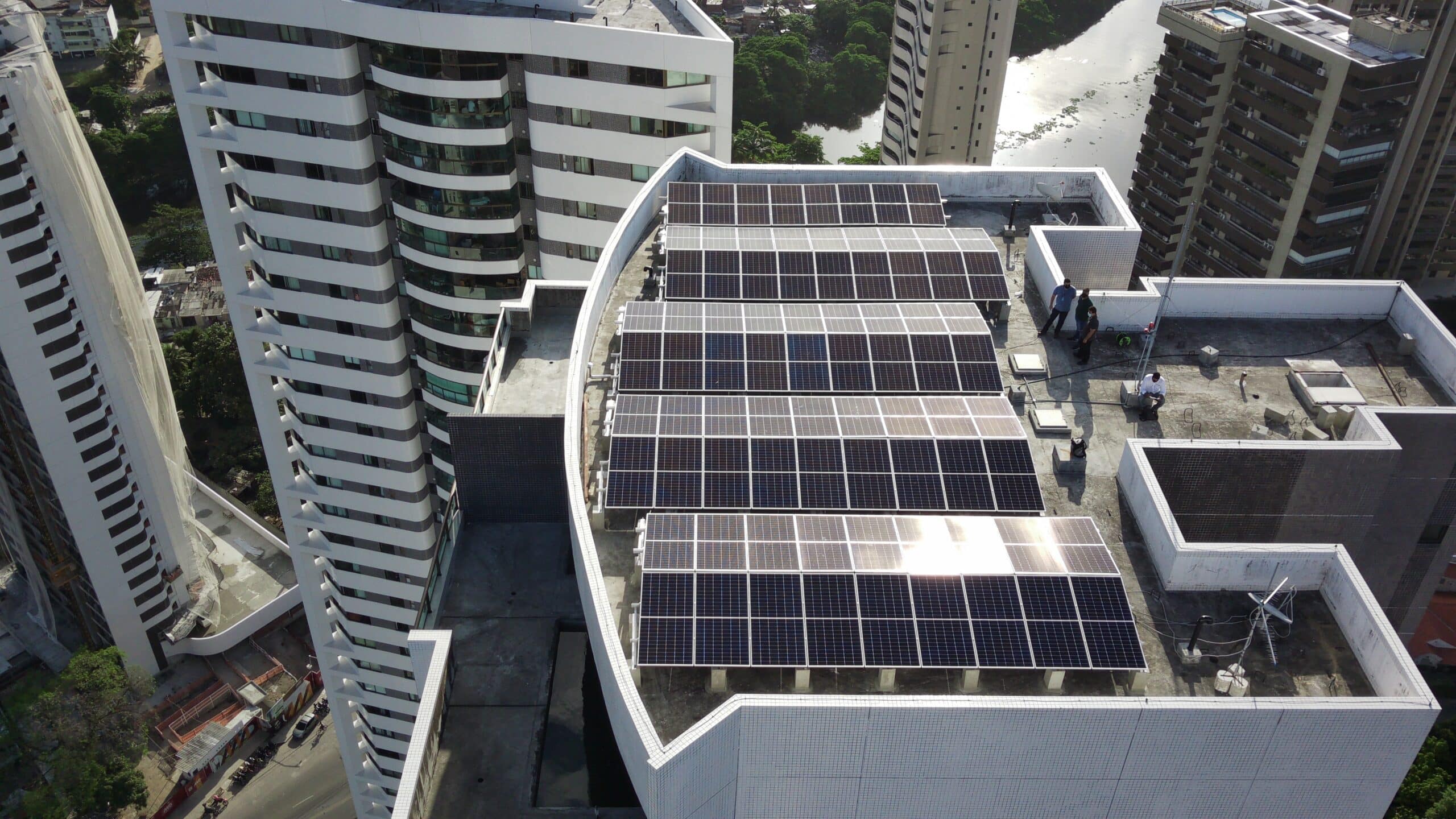
The installed capacity of solar energy in Brazil reached the mark of 14GW in micro and mini distributed energy generation, which is that generated by the consumers themselves with their solar panels installed on their roofs, facades, and backyards of homes, buildings, and commercial establishments. Thus, combining with large plants, the country ranks 14th in the top 15 globally in photovoltaic energy generation, leading among its neighbors in South America and contributing to job creation.
The amount of solar energy produced so far is already enough to supply about 5 million residential units, serving nearly 20 million people, considering that the average number of occupants per household is four family members.
In February, Brazil reached the highest rate of solar energy generation ever produced in its history. More than 1.2 thousand MWm (average megawatt) were generated, double that recorded in the same period of 2021, according to data from the Electric Energy Commercialization Chamber (CCEE).
-
Engie Secures 10-Year Use of 625 MWh in Batteries to Store Excess Solar and Wind Energy in Spain by 2028

-
Giant Batteries Take Center Stage in Chile Auction as Company Offers 960 GWh of Solar Energy for Nighttime Use, Aiming to Stabilize Solar Power Supply
-
After a Year of Success in Switzerland, Solar Railway Attracts Italy’s Interest for Clean Energy Transformation
-
Robots Clean Solar Panels in Desert Power Plants Without Water, Preventing Energy Losses


Solar Energy Numbers in Brazil in 2022
- 14 gigawatts (GW) of operational capacity
- R$ 74.6 billion in new investments
- R$ 20.9 billion in revenue for public coffers
- 420 thousand jobs accumulated since 2012
- 18.0 million tons of CO2 avoided in electricity generation
Despite the numbers revealing records in clean energy each year, solar energy still has much room to grow and be invested in Brazil. The solar source represents only 2.4% of the country’s electric matrix. However, we are on the right track.
Across the country, there are 922 thousand solar energy units with micro or distributed generation installed. More than 1.19 million units receive credits from this generation.
Why Is This the Best Time to Invest in Solar Energy in Brazil?
The solar energy sector expects accelerated growth in 2022 in the systems operating in Brazil. Conventional electricity tariffs are expected to rise as there is a debt of R$ 10.8 billion from distributors, and this amount will be passed on to consumers in 2023. With photovoltaic energy, electricity bills can be reduced by up to 90%.
Another reason that experts point out for why this is the best time to invest in solar energy in Brazil is the coming into effect of the Law No. 14.300/2022, known as the Legal Framework for Micro Generation of Energy, allowing consumers to produce their own energy from renewable sources.
“This is the best time to invest in solar energy, precisely because of the new increase already expected in the electricity bills of Brazilians and the transition period provided in the law, which guarantees current rules until 2045 to consumers who install a solar system on their roofs by January 2023.” The solar source is part of this solution and a true engine for generating opportunities and new jobs.”
Ronaldo Koloszuk – President of the Board of Directors of ABSOLAR