






 Portuguese
  Spanish





Understand How the New Supply Route via Pipeline Began Operations in April 2025, Which Companies Participated and the Impacts on the Countries Involved
In April 2025, Brazil carried out its first import of natural gas from Argentina, using Bolivia’s pipeline infrastructure as the transportation route. The operation involved the companies TotalEnergies Argentina, Matrix Energia (Brazil), and the state-owned YPFB (Bolivia). This project represents a viable logistical and commercial alternative, with potential for expansion, and aims to diversify the national energy supply.
Energy Context and the Need for New Routes
Since 2023, Brazil has been facing a decline in gas supply from Bolivia, according to the Ministry of Mines and Energy. In this scenario, the country began to seek new sources of supply, especially to serve the industry and avoid logistical bottlenecks. Argentina, in turn, expanded its production in the Vaca Muerta formation, becoming capable of exporting surpluses. Bolivia, with its existing infrastructure, began to act as a transit country, technically enabling the operation.
Who Carried Out the Logistical Operation Between the Three Countries?
The inaugural shipment, carried out on April 1, 2025, transported about 500 thousand cubic meters of natural gas from Argentina to Brazil. To achieve this, companies extracted gas in Vaca Muerta and then transported it via Argentine pipelines to Bolivia. From there, through YPFB’s network, they forwarded it to Brazil. As reported in a statement from Matrix Energia, the initial goal was to test the technical viability of the logistics for future operations. However, this shipment did not involve commitments for continuous supply—after all, the contract was for a spot transaction.
-
OPEC+ Boosts Oil Supply by 188,000 Barrels per Day in July 2026, Leading to Price Drop from $112 to $89 per Barrel in Under Two Months

-
TotalEnergies Signs 20-Year Deal to Purchase 2 Million Tons of LNG from Alaska, Boosting Project Viability
-
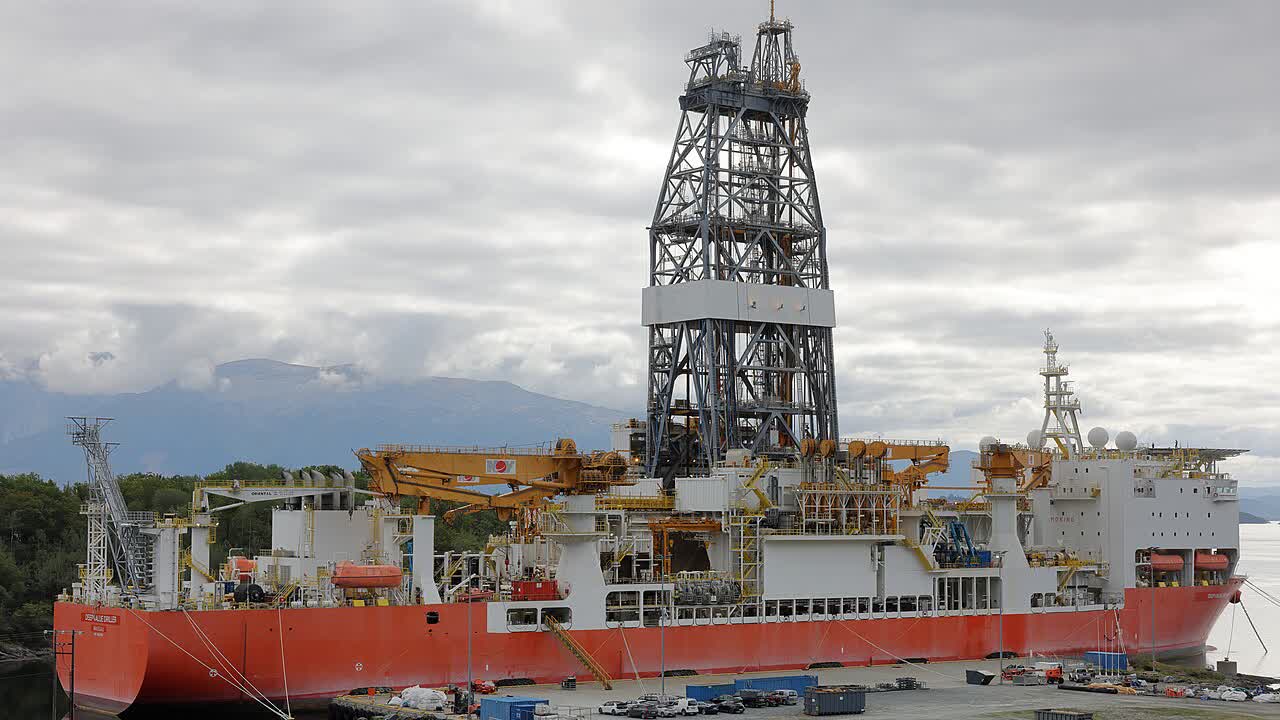
Turkey Deploys Çağrı Bey Drilling Ship to Explore New Oil Frontier Off Somalia’s Coast
-
Golden Pass LNG Ships First Liquefied Gas Cargo from the U.S., Completing $10 Billion QatarEnergy and ExxonMobil Investment



Motivations and Benefits for the Participating Countries
For Brazil, the initiative helps mitigate supply risks, increase competition among suppliers, and consequently reduce costs in the medium term. For Argentina, the project represents a new export channel, precisely at a time of surplus production. Meanwhile, Bolivia, with idle capacity in its pipeline network, gained additional revenue from the transportation service. According to Reuters and Bloomberg Línea, experts discussed this cooperation for over a year; only after that did technical and legal teams manage to make it feasible.
At the same time, Brazil, through the Natural Gas Network Expansion Plan (PEM-Gás), launched by the Ministry of Mines and Energy, established guidelines to increase supply to the industrial sector, focusing on security and logistical integration.
Limitations of the Operation and Next Steps
Despite considering the operation successful, experts warn that the countries have not yet signed long-term contracts. Additionally, during the Argentine winter (June to August), domestic demand tends to prioritize local consumption, thereby reducing the supply available for export. The Brazilian Ministry of Mines and Energy reported that it is studying the expansion of the route, provided that favorable technical and economic conditions exist. Petrobras, as stated to Bloomberg Línea, is also evaluating agreements with Argentine producers, but there is still no official forecast.


