Portuguese
  Spanish


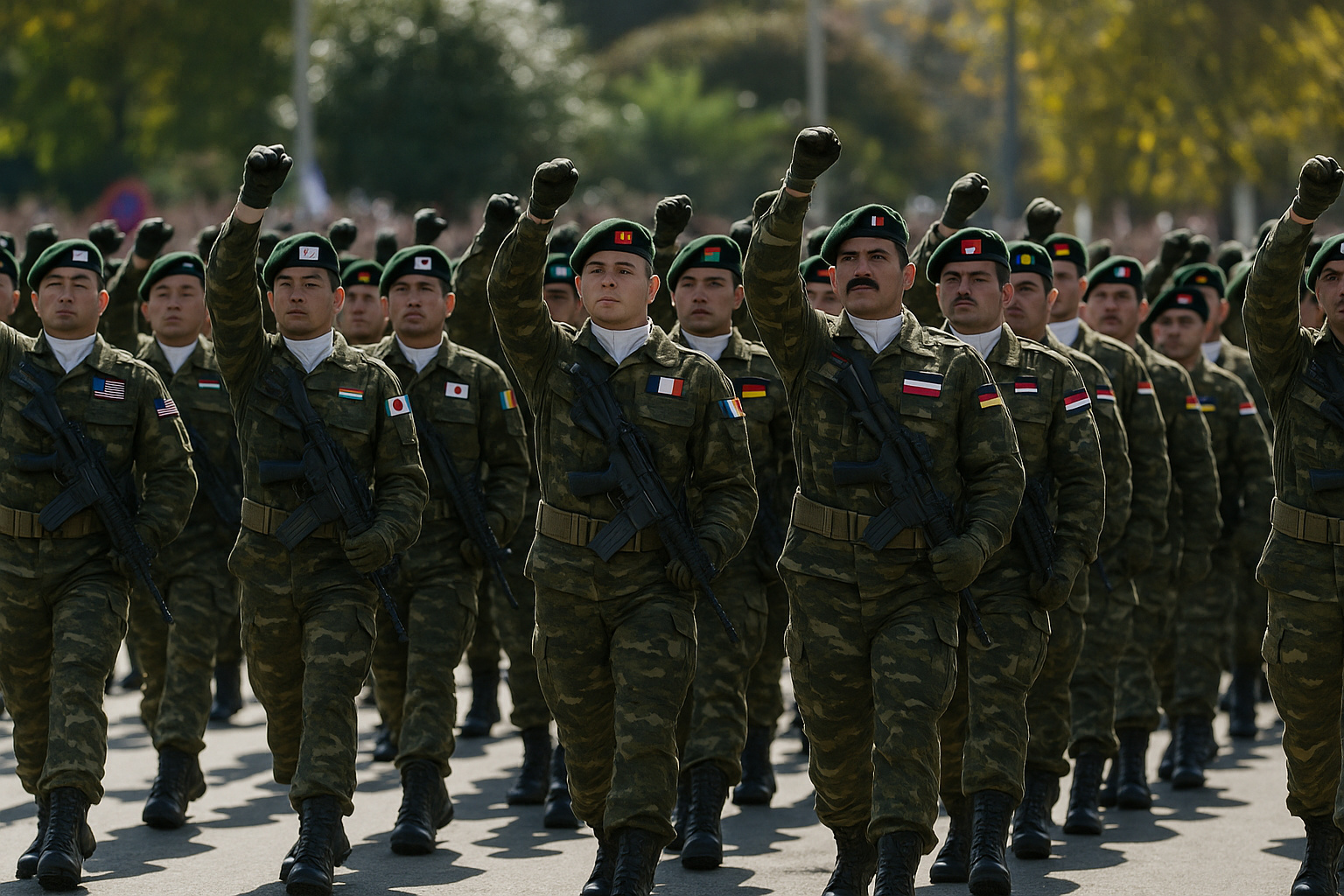


Amid Tension in the Middle East, International Study Exposes Which Countries Concentrate the Greatest Military Power and Reinforces the Impact of Military Technology on Global Disputes
An updated survey from Global Fire Power (GFP), released in September 2025, pointed out the 20 Largest Armies on the Planet. Additionally, the research gained relevance after the Israeli attack on Iran in Tehran on September 12, 2025, an episode that heightened the rivalry between the two countries.
The ranking, published annually since 2006, considers each nation’s potential capacity in land, sea, and air. Furthermore, it takes into account manpower, equipment, natural resources, finances, and geography, reinforcing the comprehensive nature of the analysis.
Survey Methodology
The index uses a scale where the smaller the number, the greater the military power. Therefore, the value 0.0000 is considered “perfect”. In 2025, 145 countries were analyzed.
-
U.S. Women’s History Museum Stalled in Congress Amid Gender Identity and Diversity Debate

-
European Parliament Approves Digital Euro, Aiming to Challenge Visa and Mastercard’s Dominance and Transform Payments Across Europe by 2029
-
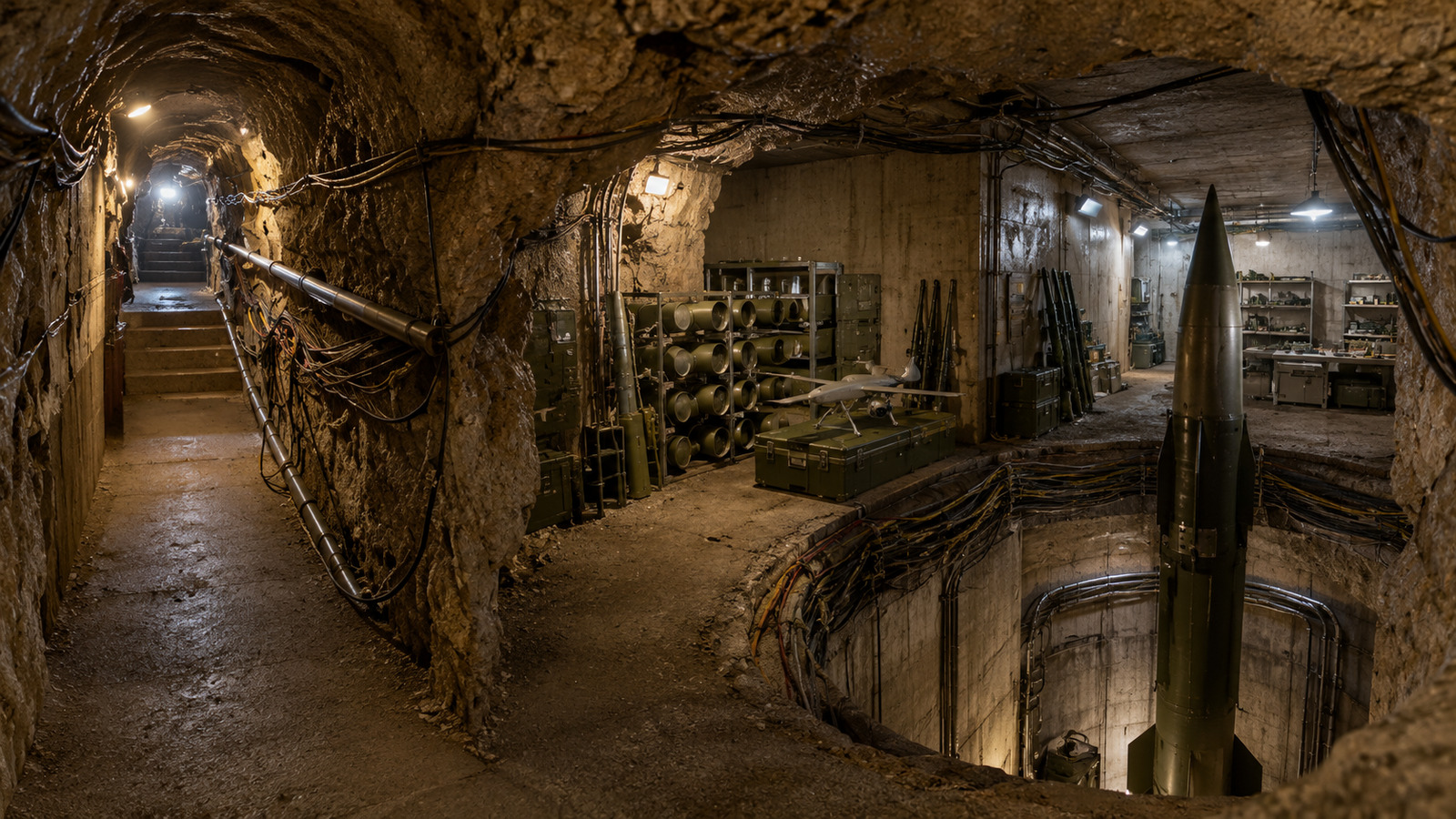
Israel finds Hezbollah militarized tunnel over 200 meters long under village, with 4 missile launch shafts, 12 chambers, anti-tank missiles, drones, and weapons depots at a depth of 25 meters.

-
Ukraine launches largest drone attack on Moscow since 2022, Russia claims to have intercepted nearly 200 aircraft near the capital, Kapotnya refinery targeted again, and offensive reignites alert about war reaching the Russian energy heart just a few kilometers from the Kremlin.



According to the latest data, the United States remains the global leader with an index of 0.0744. Right after, Russia (0.0788) and China (0.1184) follow, consolidating the bloc of major global powers.
The 20 Most Powerful Countries in 2025
- United States – 0.0744
- Russia – 0.0788
- China – 0.1184
- India – 0.1184
- South Korea – 0.1656
- United Kingdom – 0.1785
- Japan – 0.1839
- France – 0.1878
- Turkey – 0.1902
- Italy – 0.2164
- Brazil – 0.2415
- Pakistan – 0.2513
- Indonesia – 0.2557
- Germany – 0.2601
- Israel – 0.2661
- Iran – 0.3048
- Spain – 0.3242
- Australia – 0.3298
- Egypt – 0.3427
- Ukraine – 0.3755
Brazil Secures a Prominent Position
With an index of 0.2415, Brazil ranks 11th in the global ranking. Additionally, it stands ahead of powers like Germany (14th) and Iran (16th). This result highlights the strategic importance of Brazilian armed forces in the international scenario.
Although the country is not among the top five, it maintains great logistical capacity. Furthermore, it has a vast territory and natural resources that support its presence in the global top 20.
Israel Invests in Advanced Technology
With an index of 0.2661, Israel ranks 15th. Since October 2023, the country has been facing clashes against Hamas. Additionally, it maintains tensions with Hezbollah and Houthis, both supported by Iran.
- Population: 9.4 million.
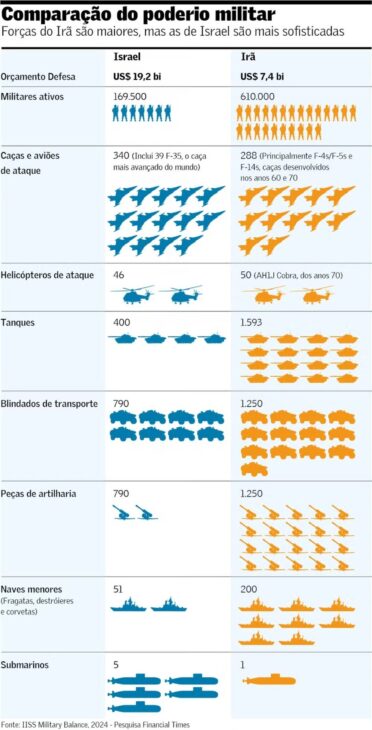
- Active military: 170,000 (1.8% of the population).
- Eligible for military service: 3 million (34.9%).
- GDP: over US$ 471 billion.
- Defense spending: US$ 19.2 billion annually, according to IISS (Military Balance 2024).
Israel has 340 military fighters, including 39 F-35s, considered the most advanced in the world. Furthermore, in the naval sector, it operates five submarines.
Iran Bets on Troop Volume
The Iran, with an index of 0.3048, ranks 16th in the ranking. The country maintains a strong military partnership with Russia. Additionally, it faces direct opposition from the United States, allies of Israel.
- Population: 88 million.
- Active military: 610,000.
- Eligible for military service: 41 million (47%).
- External debt: about US$ 4.2 billion.
- Defense spending: US$ 7.4 billion annually.
Although it has more tanks, armored vehicles, and light vessels than Israel, Iran still uses old fighters, such as the F-4s and F-5s, manufactured in the 1960s and 1970s. In addition, its naval power is limited, with only one submarine in operation.
Strategic Contrast between the Two Countries
According to IISS and Financial Times, the difference is evident:
- Iran has four times more active soldiers.
- However, Israel invests almost three times in defense.
- Furthermore, in the air sector, Israel has the advantage due to its technological sophistication.
- In the naval sector, Israel maintains state-of-the-art submarines, while Iran relies on volume.
Geopolitical Impacts and Future Risks
The survey shows that the size of the army is not the only determining factor. Additionally, technology, economic capacity, and strategic alliances can define who exerts greater influence in conflict scenarios.
Thus, the rivalry between Israel and Iran, marked by attacks, international alliances, and unequal military spending, reinforces the risk of new crises in the Middle East.
In light of this situation, the question arises: will the military expansion of these countries represent a strategic balance or a trigger for future regional confrontations?