Portuguese
  Spanish


The National Congress Will Host, in June, the Brics Forum, Bringing Together Legislators from 30 Countries to Discuss Global Governance and International Cooperation.
The National Congress is preparing for one of the most significant international events of 2025: the 11th edition of the Brics Parliamentary Forum, which will take place from June 3 to 5 in Brasília. Bringing together legislators from over 30 countries, the meeting is seen as a strategic platform to discuss the future of cooperation among emerging nations and strengthen the influence of the Brics group in the global arena.
Brics Expands Its Role
Currently composed of 11 countries — Brazil, Russia, India, China, South Africa, Egypt, Ethiopia, Iran, United Arab Emirates, Saudi Arabia, and Indonesia — Brics represents almost 40% of the world’s GDP and about 50% of the planet’s population.
This geopolitical weight transforms each meeting into a valuable opportunity to rethink the international order.
-
U.S. Women’s History Museum Stalled in Congress Amid Gender Identity and Diversity Debate

-
European Parliament Approves Digital Euro, Aiming to Challenge Visa and Mastercard’s Dominance and Transform Payments Across Europe by 2029
-
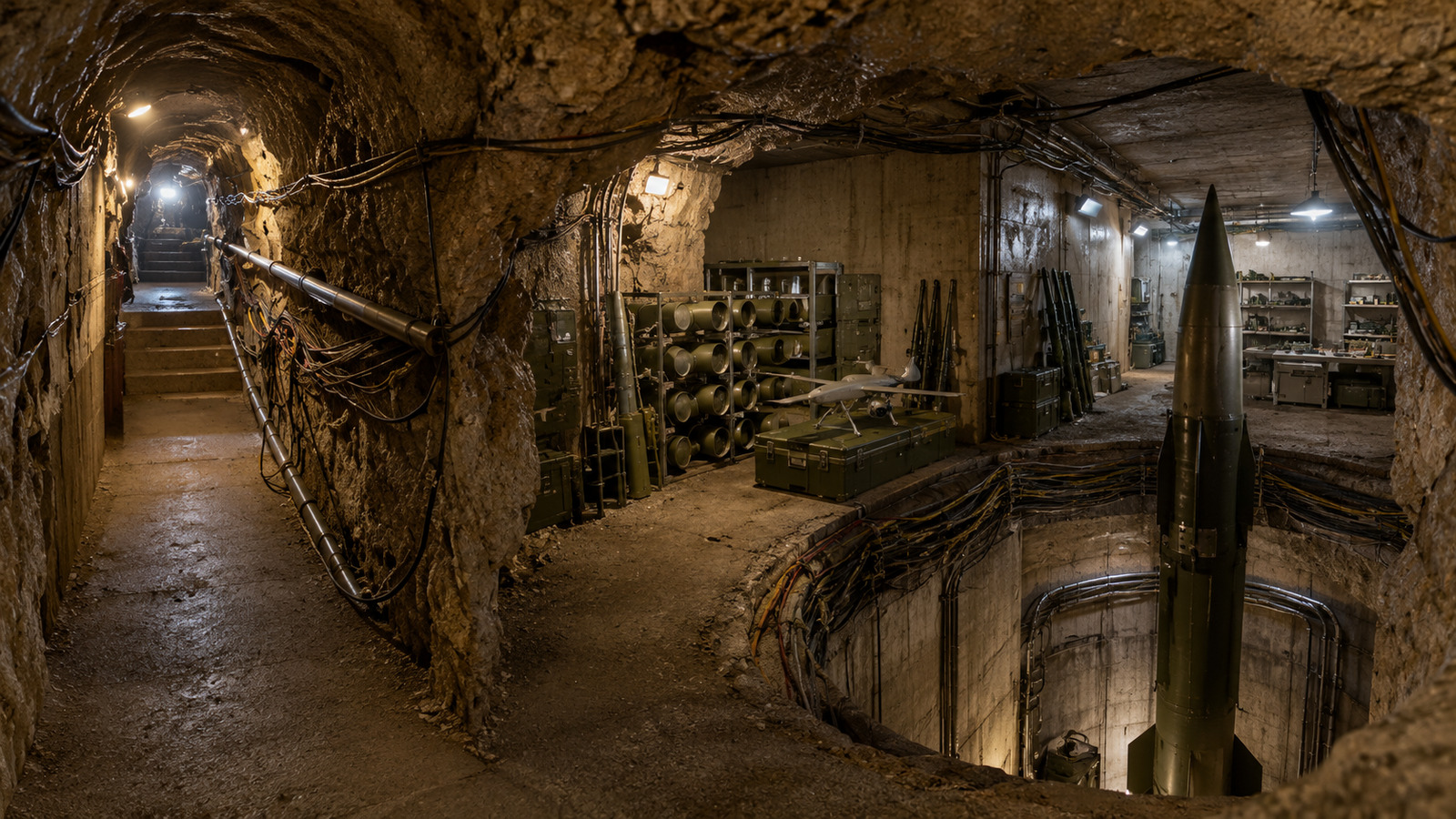
Israel finds Hezbollah militarized tunnel over 200 meters long under village, with 4 missile launch shafts, 12 chambers, anti-tank missiles, drones, and weapons depots at a depth of 25 meters.

-
Ukraine launches largest drone attack on Moscow since 2022, Russia claims to have intercepted nearly 200 aircraft near the capital, Kapotnya refinery targeted again, and offensive reignites alert about war reaching the Russian energy heart just a few kilometers from the Kremlin.



According to Fabrício Côrtes, international advisor to the Federal Senate, Brics has been consolidating itself as an alternative to the G7, focusing on a more balanced and inclusive global governance.
“The importance of BRICS today has gained centrality, especially as an economic alternative to the traditional model represented by the G7. Thus, the group consolidates itself as an agent of change, proposing a reform in global governance and promoting a new multipolar architecture in international relations,” he stated.
National Congress Reinforces Diplomatic Role
The choice of the National Congress as the venue for the forum also signals the strengthening of Brazilian parliamentary diplomacy. At a time of increasing trade tensions and global repositioning of powers, the event gives visibility to Brazil as a regional leader and global facilitator.
In addition to plenary sessions, the forum will feature parallel meetings between women legislators and heads of foreign relations committees, broadening the scope and representativeness of the discussions.
One of the major innovations of this edition is the presence of so-called partner countries, a category created at the Brics summit in Kazan in 2024.
These countries are not full members but wish to get closer to the group and even integrate it in the future. This shows the growing attractiveness of the bloc, positioning itself as an agent of transformation in the international arena.
Brazilian Leadership Focuses on Urgent Global Issues
With the rotating presidency of Brics in 2025, Brazil has set the motto “Strengthening Global South Cooperation for More Inclusive and Sustainable Governance.” The main focuses of Brazilian leadership include:
- Global Health and Pandemic Response
- Climate Change and Energy Transition
- Fair and Inclusive International Trade
- Ethical Use of Artificial Intelligence
- Development of the Digital Economy
Additionally, the country is expected to lead the update of the Brics Economic Partnership Strategy by 2030, with goals centered on industrial diversification and sustainable growth.
A New Chapter in Multilateral Diplomacy
The Brics Parliamentary Forum in Brasília promises to be more than just a diplomatic event. It marks a decisive moment of geopolitical repositioning, where the National Congress assumes a central role in multilateral negotiations.
By attracting attention from around the world, Brazil reaffirms its commitment to an active, democratic diplomacy that is open to dialogue.
Why the Brics Parliamentary Forum Matters for Brazil and the World?
- Strengthens Brazil’s Image as an International Leader
- Increases the Prominence of the National Congress
- Reinforces the Relevance of Brics as a Global Alternative
- Promotes Debates on Urgent Issues for the Future of the Planet
With an intense program and the presence of major leaders, the 2025 edition of the Brics Parliamentary Forum promises to generate lasting impacts on international politics — and Brazil is at the center of this transformation.