Portuguese
  Spanish


Brazil Reinforces Its Strategic Role In The Exploration Of Rare Earths In Brazil. Fernando Haddad Highlights Partnerships With The United States And Other Nations, Aiming To Increase The Production Of Rare Earths And Generate Greater Added Value To The National Economy
The Minister of Finance, Fernando Haddad, stated in an interview this Sunday (31) that there will be no shortage of partners to develop its rare earths chain in Brazil, reinforcing the priority of adding value to minerals locally.
This statement comes at a strategic moment, as the country holds a significant share of global reserves but still has limited production. The Brazilian government seeks to attract investments and partnerships that bring technology and know-how, especially from the United States, with the aim of consolidating Brazil as a leading player in the global rare earths chain and boosting the national economy.
Strategic Context: Reserves And Production Challenges Of Rare Earths
Brazil holds approximately 23% of the world’s rare earth reserves, positioning itself as the second country with the highest volume, only behind China, which leads with about 44 million tons. The deposits are concentrated in Minas Gerais, Goiás, São Paulo, Amazonas, and Pará.
-
U.S. Invests $75 Million in Projects to Extract Rare Earths, Gallium, Germanium, and Aluminum from Coal Waste

-
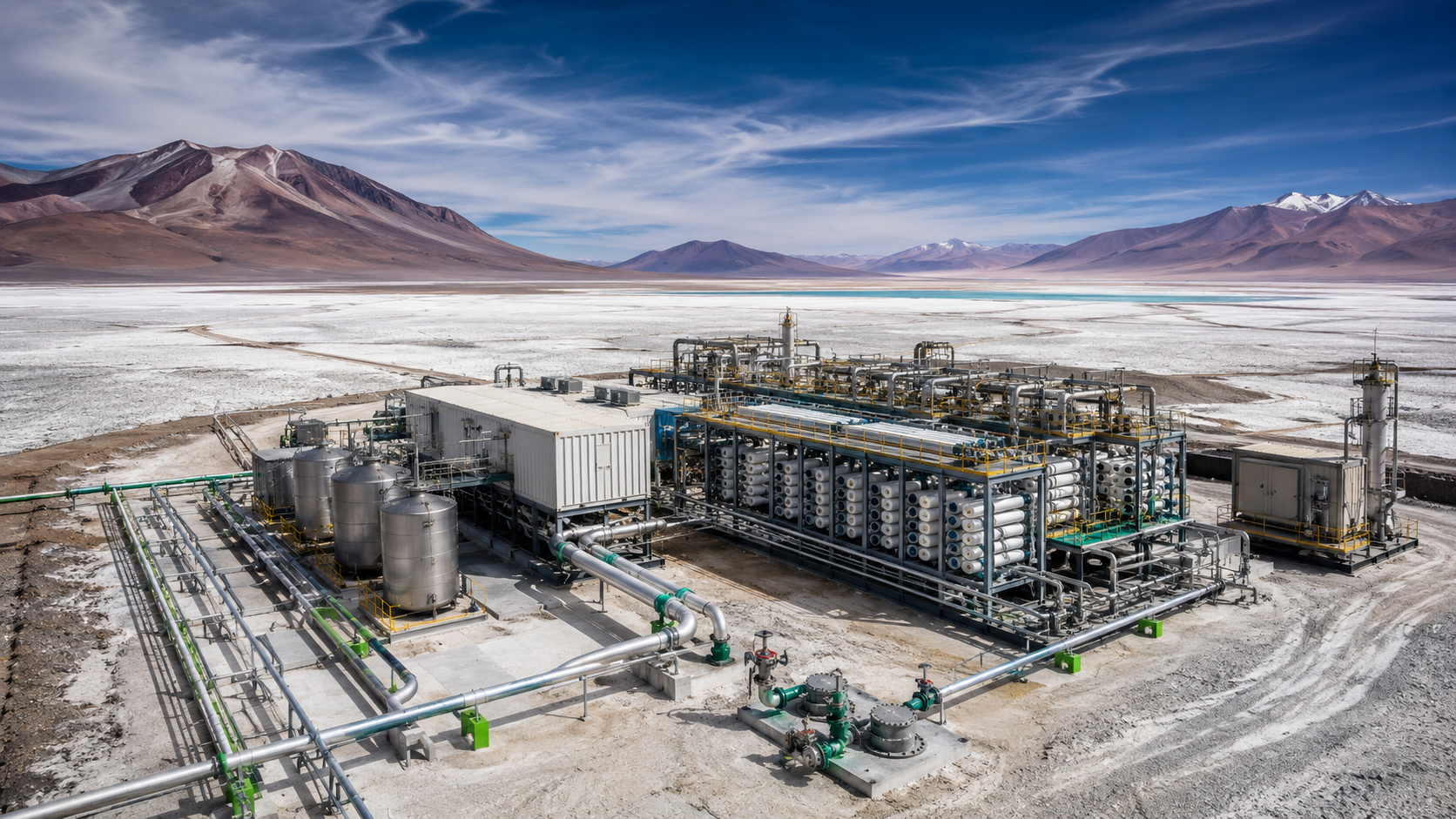
Eni Acquires 25% Stake in Chilean Lithium Project, Plans to Invest Up to $225 Million in Eco-Friendly Extraction Method
-
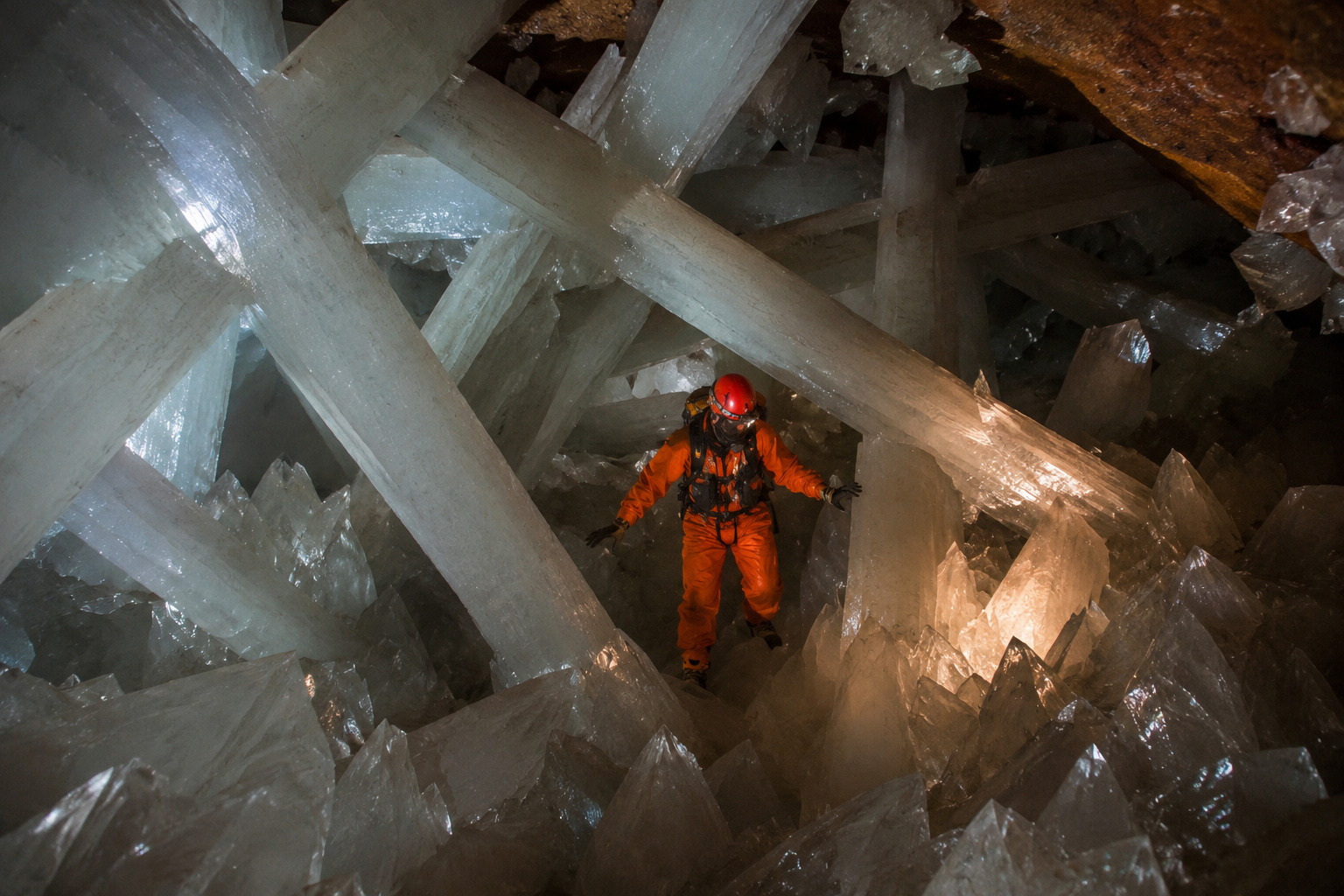
Mexico’s Giant Crystal Cave: A Deadly 58°C Underground Palace with 11-Meter Crystals Formed Over Nearly a Million Years

-
China Dominates Over 90% of Rare Earth Refining, Prompting Global Concerns: Canada and Japan Launch Billion-Dollar Plan to Reduce Dependency and Safeguard Batteries, Semiconductors, and Defense


Despite this potential, Brazil’s rare earth production is extremely low. In 2024, the country produced less than 1% of global production, around 20 tons, while global production reached nearly 390 thousand tons. Projects like Minaçu (GO), operated by Serra Verde, have an estimated capacity of 5 thousand tons per year, still insufficient to compete in the global market.
The challenge is to transform mineral potential into real competitiveness, increasing production, refining, and value addition internally.
Fernando Haddad Signals Interest In Technology And Partnerships
In an interview, Fernando Haddad emphasized that Brazil does not want to merely export rare earths as commodities, but to add value and develop a sustainable industrial chain. The Minister stated, “Everyone needs rare earths, and our country has them; we are well positioned. But the goal is not to export them as commodities, but to add value.”
Haddad also highlighted that the United States has limited capacity to refine these substances, creating opportunities for technological and industrial cooperation with Brazil. The country’s proximity to Asian and European markets expands the options for strategic partnerships, strengthening Brazil’s position on the global stage.


Strategies Of Fernando Haddad To Boost Rare Earth Production In Brazil
Fernando Haddad emphasized that Brazil needs to accelerate its rare earth production, leveraging the country’s strategic reserves. According to the minister, the focus is not only on extracting minerals but on transforming the sector into a hub of innovation and industrialization. The government seeks partnerships with countries like the United States, capable of bringing technology and expertise, ensuring that Brazil adds value locally and strengthens its competitiveness. With strategic planning, investment in infrastructure, and the development of technology, the country can consolidate its global role, standing out in the production of rare earths in Brazil in a sustainable and profitable manner.
Global Pressures And Need For Regulatory Framework For Rare Earths In Brazil
The minister mentioned the influence of international interests on the rare earth sector, emphasizing that strategic negotiations need to preserve Brazilian autonomy. He highlighted that building a robust regulatory framework is essential to guide investments, ensure sustainability, and allow the country to add value to resources internally.
The sector still faces legal and environmental challenges. Many deposits are located in protected areas or indigenous lands, requiring balanced policies to reconcile economic development with environmental protection.
Potential For Industrial And Sustainable Development Of Rare Earths In Brazil
Some deposits, such as those of ionic clays in Minaçu (GO), offer environmental and operational advantages. Extraction can be done through open-pit mining, with lower environmental impact and reduced costs, making the process more sustainable.
Furthermore, developing the refining chain and component production in the country represents a strategic advance for high-tech sectors and energy transition. Adding value internally not only strengthens the national economy but also increases Brazil’s competitiveness in the international market.
Structural Challenges And Future Prospects
For Brazil to become competitive, it is necessary to intensify geological mapping, turn estimated resources into viable reserves, and overcome technological and logistical limitations. This includes transportation infrastructure, refining, and integration with the industrial chain.
The Geological Service of Brazil (SGB) highlights promising deposits in Amazonas, such as in Seis Lagos, with an estimated 43.5 million tons of rare earths. However, these areas include legal and environmental restrictions that need to be respected.
Investments in technology, science, logistics, and robust public policies are essential to enable the sector’s development, transforming Brazil’s potential into global leadership.
Opportunities And Relevance Of Brazil In Rare Earth Production
The advancement in the rare earth sector represents a strategic opportunity for the country. Rare earth production focused on value addition can generate jobs, strengthen the national industry, and drive the energy transition. Additionally, it increases Brazil’s economic autonomy against major international players and strengthens the country’s position in global negotiations.
Participation in partnerships with the United States and other nations allows for technology transfer and accelerates the industrialization of the sector, consolidating the country as a reliable supplier of strategic resources. Thus, Brazil not only explores its reserves but transforms the sector into an engine of economic growth and technological innovation.
Long-Term Prospects And Global Competitiveness
Brazil still faces challenges to become a global leader in rare earths. Infrastructure, refining technology, and regulatory policies need to evolve for the country to sustainably and competitively harness its reserves. With strategic partnerships, especially with countries that have demand for rare earths and less refining capacity, the country has the potential to play a relevant role in the global chain.
The combination of abundant reserves, international partnerships, technology transfer, and value addition can transform the sector, contributing to the reindustrialization and sustainable growth of the Brazilian economy.
A Promising Future For The Rare Earth Sector In Brazil
Brazil has all the elements to establish itself as a reference in the sustainable exploration of rare earths. The focus on adding value locally, combined with attracting strategic partners and investing in technology, reinforces the prospect of growth and global competitiveness.
The government actions, led by Fernando Haddad, demonstrate a commitment to transforming natural reserves into strategic assets, ensuring economic development, sustainability, and a favorable geopolitical position. With planning and appropriate public policies, the country can become a leading player in the global market for strategic minerals, contributing to the economy and strengthening the national industry.