






 Portuguese
  Spanish


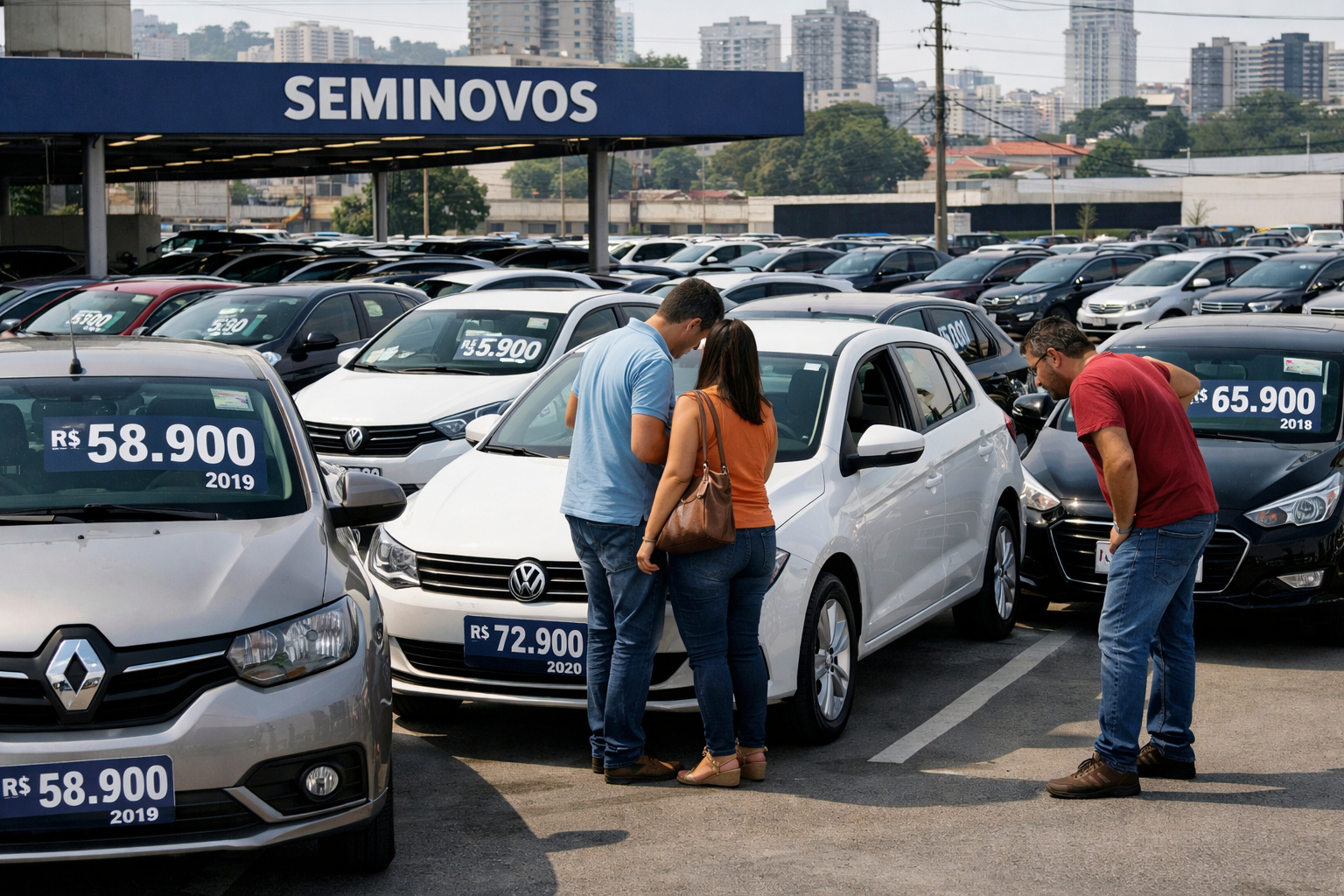

Even With Technological Advancements and New Releases, Brazilian Consumers Have Started to Prioritize Financial Planning, Cost-Benefit, and Rational Decisions When Choosing Used Cars

The market for used and pre-owned vehicles is experiencing one of the most significant moments in its history in Brazil. In recent years, especially in 2025, the sector reached record levels, driven by a challenging economic scenario, marked by high-interest rates, tighter credit, and increasingly high prices of new cars. Right at the beginning of this movement, it became clear that Brazilian consumers started adopting a more strategic stance, carefully evaluating where to invest their money.
This information was released by data from Fenauto (National Federation of Automotive Vehicle Dealers Associations), indicating that 2025 ended with approximately 18 million vehicles sold as used and pre-owned, consolidating a new milestone for the national automotive sector. This number not only impresses but also reveals a structural change in the purchasing behavior of Brazilians.
Furthermore, market growth is not just about sales volume. It primarily reflects a transformation in how people view automobiles: no longer as a status symbol tied to “zero kilometers,” but as an asset that needs to make financial sense in the short, medium, and long term.
-
Chevrolet’s Parent Company to Invest Billions in Brazil to Modernize Factories, Update Cars, and Accelerate Hybrid Launch by 2028

-
Practical Driving Tests in Brazil Surge by 23.5%, Exceeding 2.2 Million by 2026, as New Rules Make the Process Cheaper and Simpler
-
Brazil’s Lula Government Allocates $463 Million Quota for Electric Car Parts, Waives Import Tax Until December, Sparking Competition Among BYD, Automakers, and Unions as Consumers Question Impact on Prices and Local Industry

-
Thinking of Installing LED Headlights? Why Replacing Halogen Bulbs is Still Banned, the Glare Risks Authorities Worry About, and How a New Proposal Could Allow Certified, Safe Installations


Cost-Benefit, Price Differences, and More Rational Decisions
First of all, the economic factor remains the main driver of this trend. The price difference between a new car and an equivalent used car continues to be quite significant. Currently, a used sedan from 2020 can cost between 40% and 60% less than a new model from the same category. This disparity directly impacts the purchasing decision.
Moreover, consumers realize that by opting for a used car, they can access more complete versions, with more comfort, safety, and technology features, for less. In other words, instead of acquiring a basic new car, they bring home a superior model, better equipped and financially smarter.
“Consumers are much more rational. They compare, crunch the numbers, and realize that often they can get a better, more equipped model for less when opting for a used car,” claims Miguel Henrique, CEO of Vaapty, a leading company in vehicle sales intermediation franchising in Brazil.
Another relevant point is that despite the constant technological advancements in the automotive industry, many features available in new cars were already present in models released a few years ago. Thus, the technological gain of a new car does not always justify the higher investment.
Trust, Transparency, and Market Professionalization

In addition to price, another decisive factor for the growth of the sector is the change in the behavior of those who buy and sell vehicles. In recent years, the used car market has undergone a strong professionalization process, offering more security, transparency, and agility in negotiations.
With detailed technical evaluations, clear vehicle history, and specialized support, buying or selling a used car is no longer synonymous with risk. This advancement significantly increased consumer trust, accelerating buying and selling decisions.
“Brazilians have lost their fear of this market. When there is technical evaluation, a clear car history, and all professional support, trust increases and the buying and selling decision happens faster,” explains Miguel Henrique.
At the same time, intermediation platforms help reduce bureaucracies, prevent fraud, and ensure that both parties have a safer experience. As a result, the market has become more liquid, efficient, and attractive for both sellers and buyers.
High Turnover, Qualified Supply, and Trends for 2026
Another element that supports the growth of used cars is the high turnover of vehicles, especially in large cities. Owners have started to change cars more frequently, which feeds the supply of young used cars, generally with few years of use, low mileage, and up-to-date maintenance.
Consequently, buyers see these vehicles as an opportunity to access more recent technologies without assuming the high cost of a new car. This movement creates a positive cycle in the market.
“It’s a virtuous cycle: sellers find liquidity, and buyers find better and more accessible options,” highlights the CEO of Vaapty.
According to industry specialists, the trend is expected to continue throughout 2026, even amid potential economic fluctuations. As long as the scenario demands financial planning and smarter choices, the used car will continue to be a key player in the Brazilian automotive market.
“It’s not just an alternative to a new car, but a strategic decision of Brazilian consumers,” concludes Miguel Henrique.
Would you choose a brand-new car or prefer a more complete used car for less? What weighs more in your decision?





