






 Portuguese
  Spanish
  2 min of reading
  0 comments


Braskem Invests in Its Own Fleet to Further Reduce Emissions
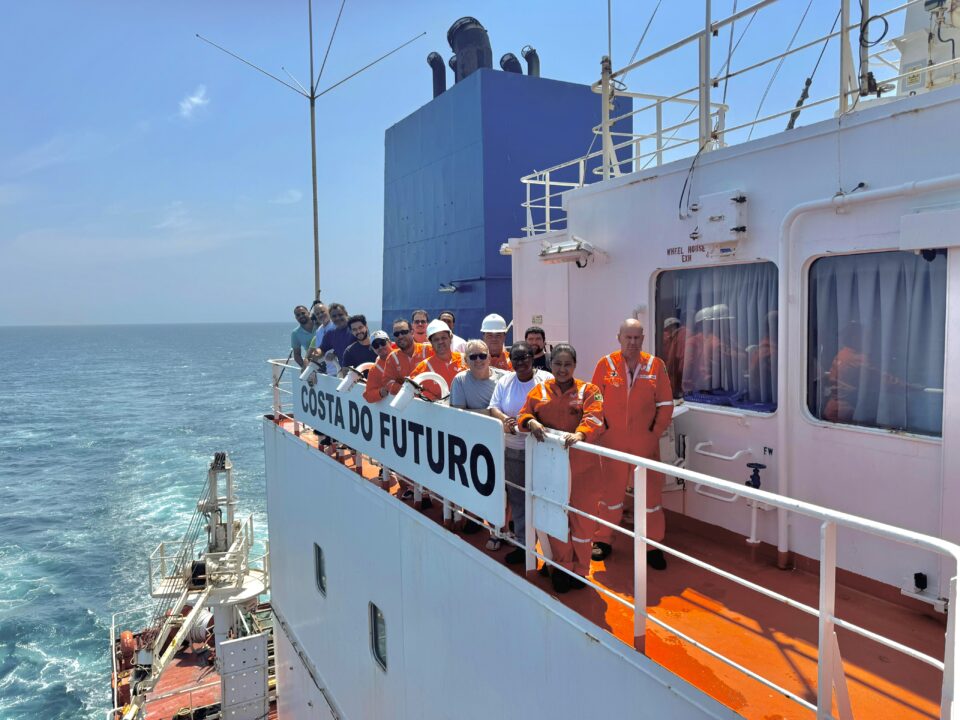
Braskem, one of the leaders in thermoplastic resins in the Americas, has taken a strategic step by starting operations with its own cabotage fleet, authorized by the ANTAQ (National Agency for Waterway Transportation) as an EBN (Brazilian Navigation Company). With this action, the company not only expects to save R$ 10 million annually but also reduce 1,800 tons of CO₂, reinforcing its commitment to sustainability and efficiency.
Own Operations: Cost Reduction and Logistical Efficiency
On September 27, the ship Costa do Futuro made its first cabotage route, transporting propylene between the Port of Aratu, Bahia, and the Port of Rio de Janeiro. Thus, Braskem not only cuts costs but also better controls its logistics, optimizing resources and increasing efficiency in transportation.
BR do Mar Program: New Legislation Eases Cabotage
Thanks to the BR do Mar Program, regulated by Law 4199/20, Braskem was finally able to enter the cabotage market without the requirement for national vessels. Additionally, the company can now operate with a Brazilian crew, promoting local jobs and reducing the dependence on foreign labor.
-
A 24,200-ton oil platform is removed from the North Sea in just 10 seconds and taken to be scrapped on land, in an operation where more than 97% of the Brent Delta structure was reused or recycled.

-
Ocyan takes AI and data to the FPSO Brazil Congress 2026 to showcase how digital technologies can enhance safety, integrity, and performance in next-generation FPSOs.

-
Sodexo debuts unique maritime hospitality on Seagems ship to transform the well-being, food, and comfort of offshore professionals.

-
European ship will transport captured CO₂ to be stored under the North Sea as the Greensand project prepares the first industrial offshore storage in the European Union to operate in 2026 with an initial target of 400,000 tons per year in Denmark.



Reduction of Emissions and Positive Economic Impact
With its own operations, Braskem expects to reduce costs and CO₂ emissions by 1,800 tons annually. In addition, the national crew eliminates the need for frequent trips to renew visas, simplifying operations and giving the company more autonomy.
Expansion of the Own Fleet and thus the Market
With the authorization as an EBN, Braskem has already started building its own ships. The first is expected to be delivered in January 2025 and the second in March, both for international trade. Furthermore, two more ships are planned for 2026, increasing Braskem’s competitiveness and presence in the market.
Commitment to Sustainability and Circular Economy
Braskem reaffirms its commitment to the Circular Economy by investing in sustainable chemical and plastic solutions. With units in Brazil, the USA, Mexico, and Germany, the company serves customers in over 71 countries, focusing on sectors such as construction, packaging, health, and hygiene.
Benefits of Braskem’s Own Cabotage
The main benefits of the own operation include: annual savings of R$ 10 million, reduction of 1,800 tons of CO₂, logistical autonomy, national crew, and expansion into international trade.
Innovation and Sustainability for the Future
Own cabotage demonstrates how innovation and sustainability can go hand in hand. With an independent fleet, Braskem becomes a reference in efficiency and competitiveness, positively impacting the transportation sector and the market, both nationally and internationally.




-

1 person reacted to this.