






 Portuguese
  Spanish
  4 min of reading
  1 comment




The Reorganization of Life on Earth Accelerates Extinctions, Redistributes Species, and Makes Ecosystems More Alike
A silent and continuous ecological transformation has been observed by scientists over the past decades.
The phenomenon, termed Homogenocene, describes the progressive replacement of local species by a restricted set of highly adaptable organisms.
This process occurs within the broader context of the Anthropocene, a term popularized in 2000 to characterize the era of strong human impact on the planet.
Thus, while the Anthropocene defines global human influence, the Homogenocene represents its direct ecological consequence: the growing uniformity of biodiversity.
Museums Reveal the Marks of Evolutionary Loss
Scientific collections around the world hold concrete evidence of this process.
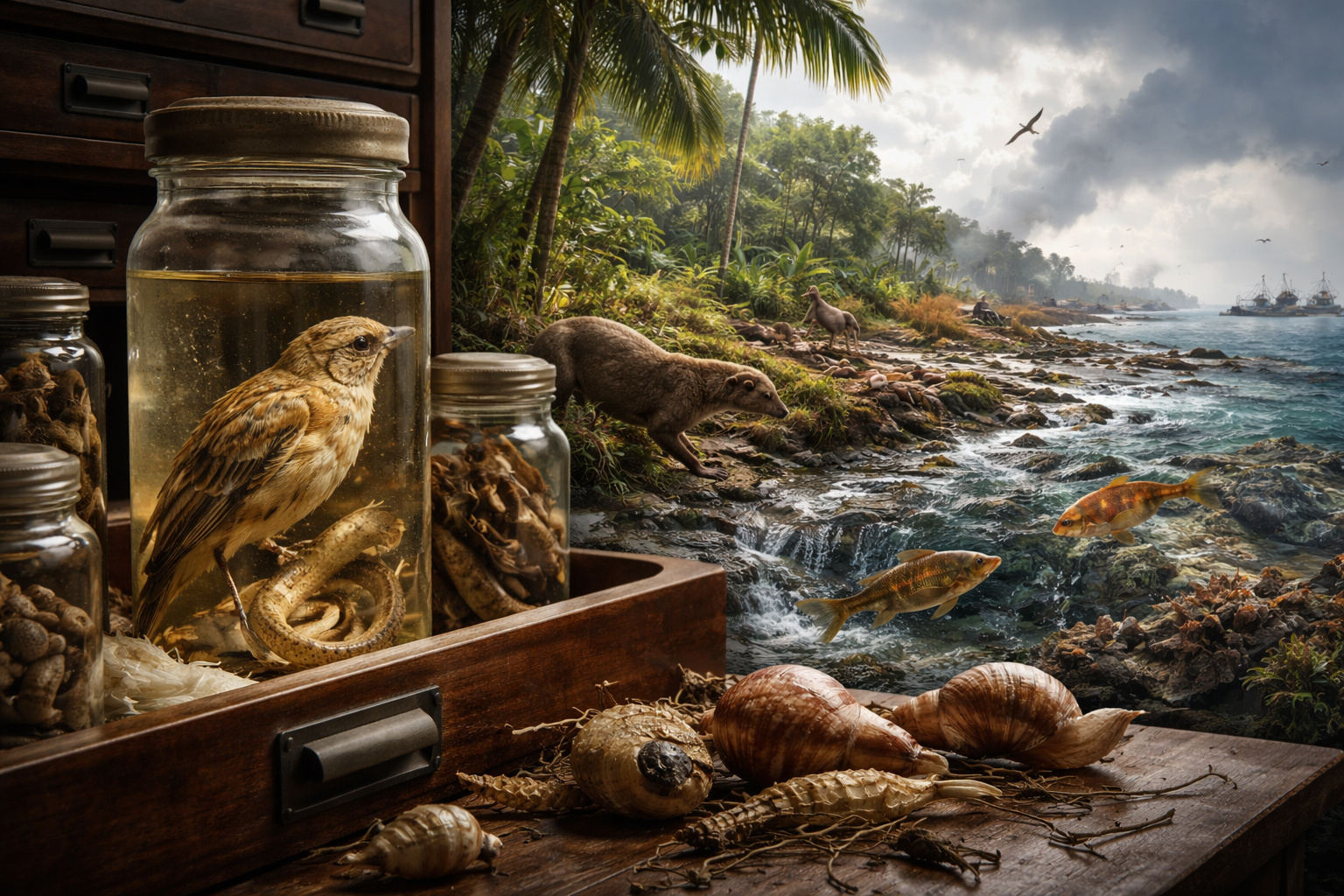
Jars preserve species that no longer exist in nature, symbolizing interrupted evolutionary paths.
Among these examples is the Fiji Seabird, kept at the Natural History Museum in London and not seen in the wild since the 1970s.
The bird, unable to fly, became vulnerable after the introduction of mongooses to the Fiji Islands in the 19th century.
Consequently, invasive predators accelerated its disappearance, reinforcing a recurring pattern in island ecosystems.
Invasive Species Expand Global Uniformity
The disappearance of native species has opened up space for widely distributed organisms.
In the last 500 years, thousands of mollusks have gone extinct, especially on islands.
Introduced predatory snails consumed local species, drastically altering these environments.
Meanwhile, the African Giant Snail has expanded from the Hawaiian Islands to the Americas.
Similarly, golden apple snails, introduced in the 1980s, have spread throughout East and Southeast Asia.
This pattern illustrates how a few successful species replace a diversity that was once unique to each region.
-
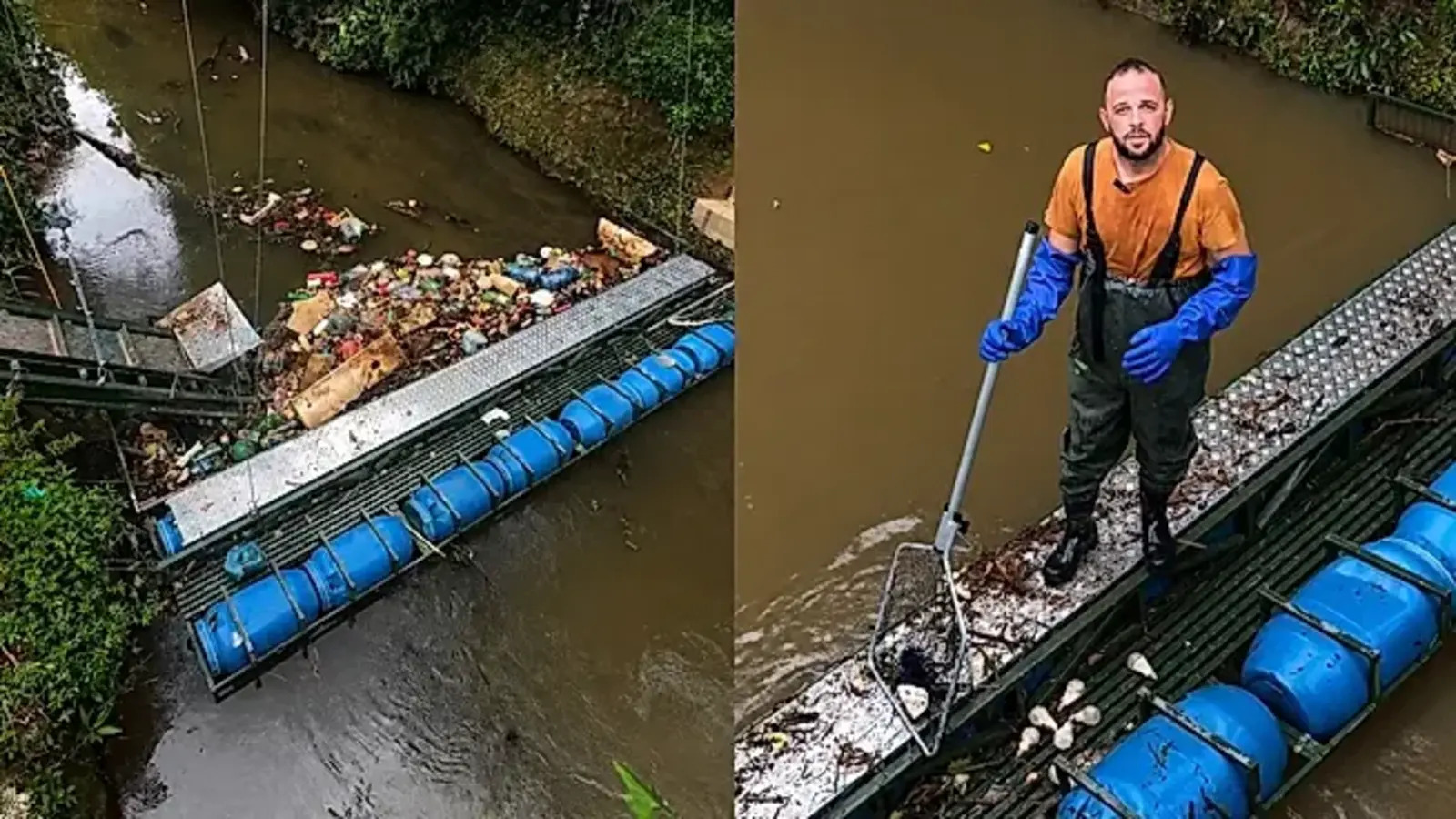
Brazilian promises his children to save a river, creates an eco-barrier in his backyard, has already removed more than 40 tons of trash from the water, and even inspires the idea in other states of the country.

-
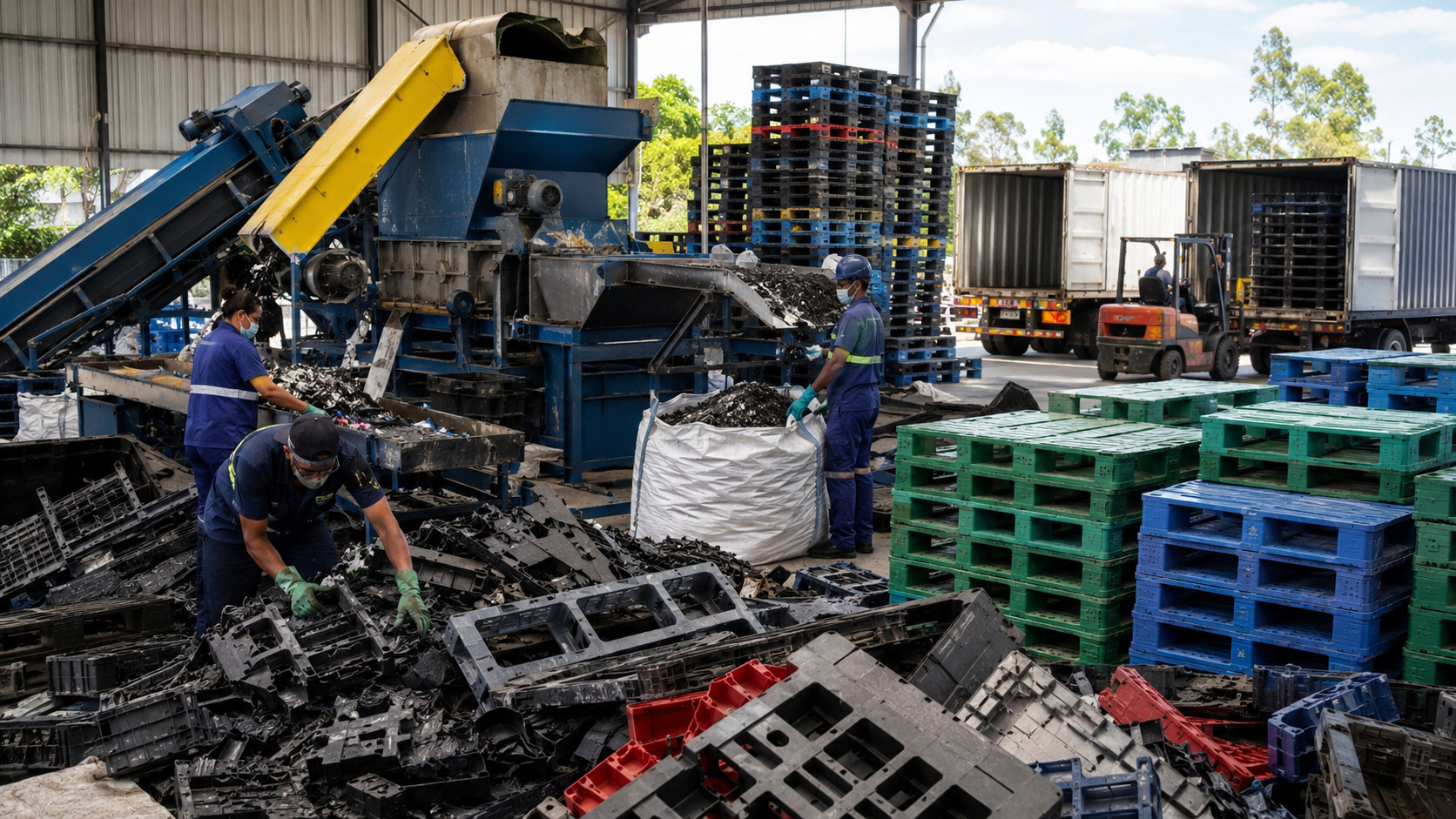
How a Brazilian company created a system that transforms broken pallets of any brand into new assets, recycles 80 tons of plastic per month, and found a profitable solution to a problem that challenges industries across the country.

-
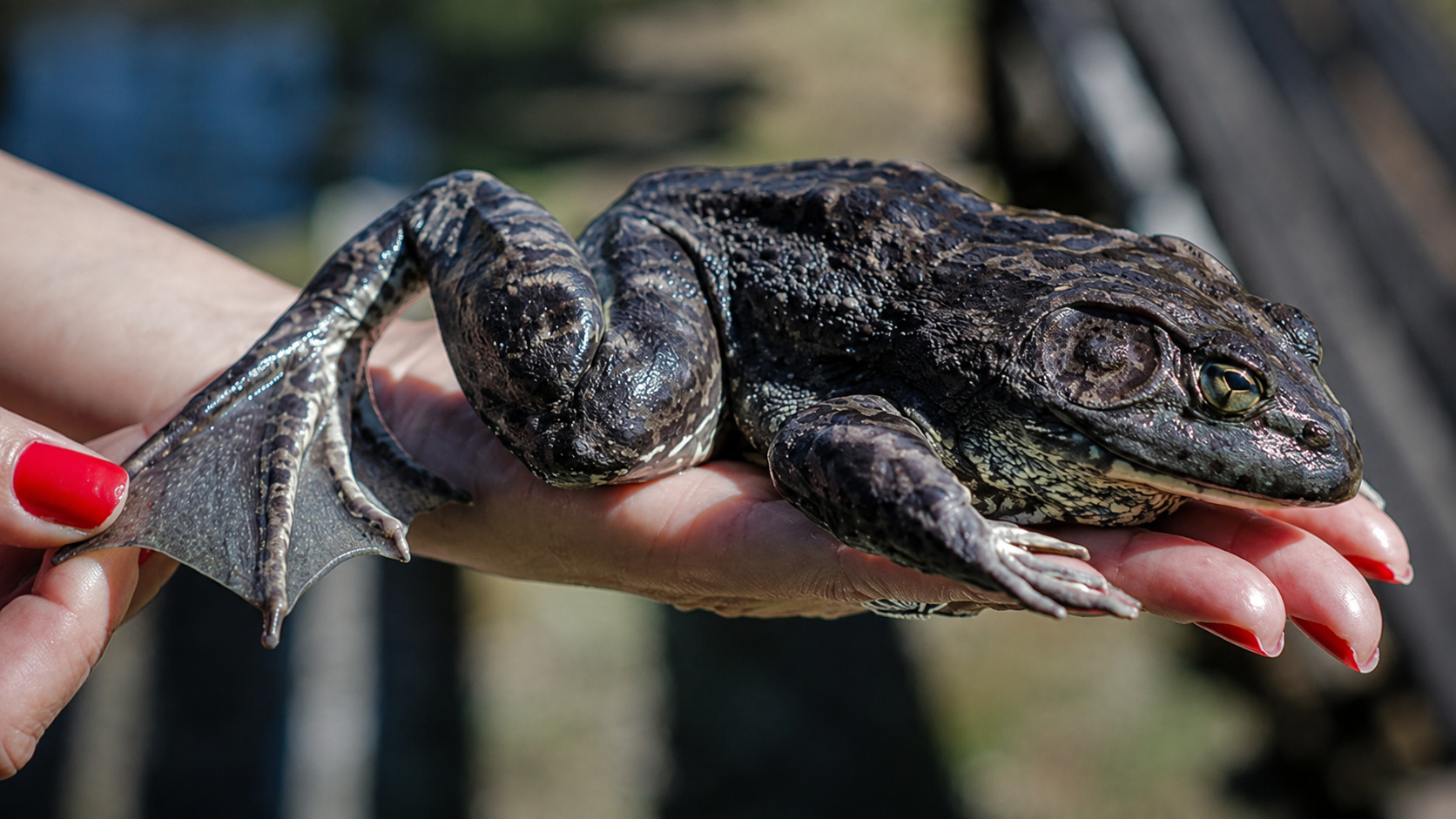
Invasive bullfrog capable of devouring other amphibians and laying up to 20,000 eggs is found in Florianópolis, raising an alert about the threat to native fauna.
-
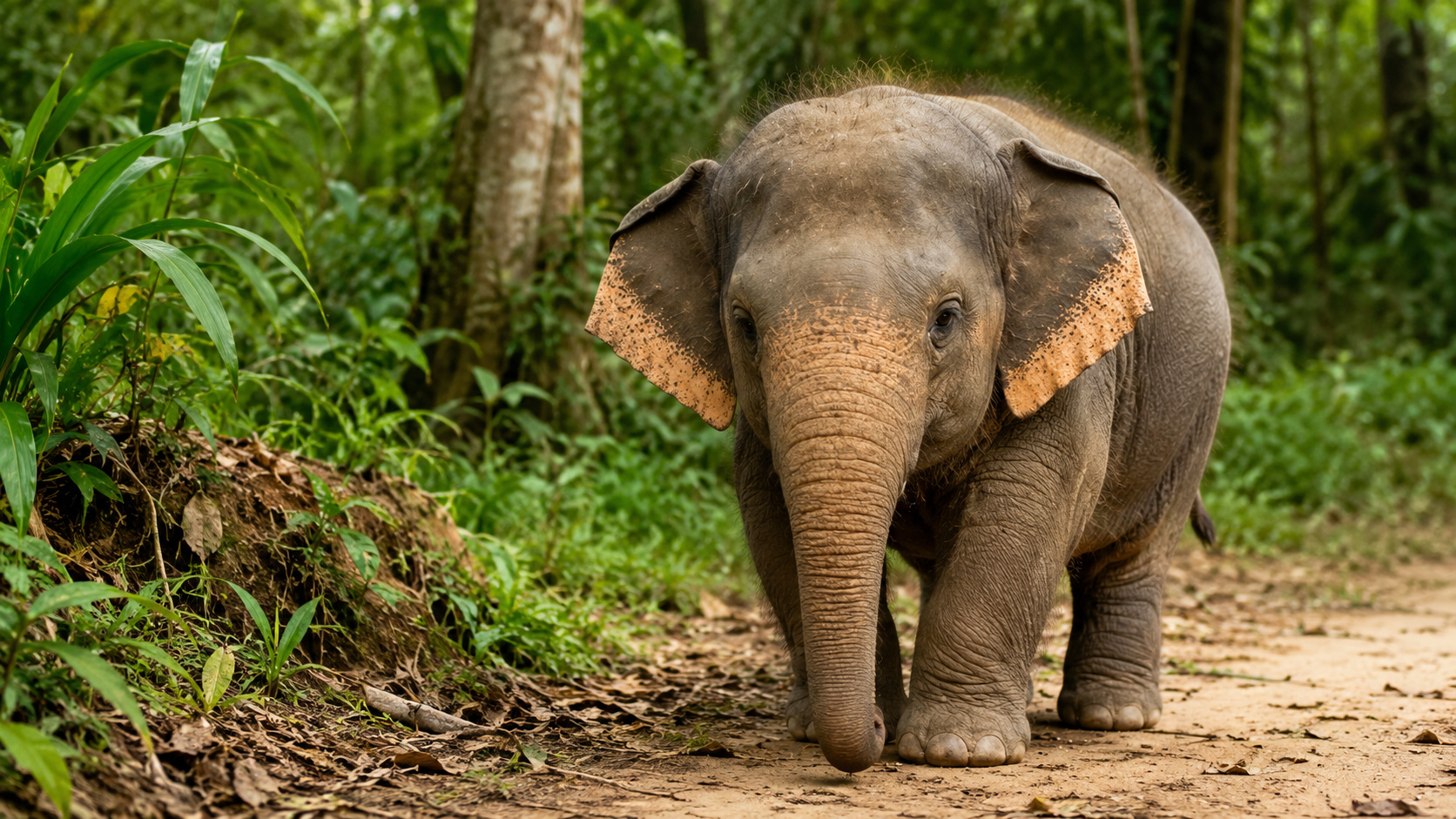
It looks like a baby, but it’s an adult: meet the Bornean pygmy elephant, the smallest elephant in the world threatened by habitat loss.
Weakened Natural Barriers Alter Rivers and Lakes
Freshwater environments also reflect this biological reorganization.
Historically, waterfalls, watersheds, and thermal variations kept populations isolated.
However, human action has reduced these natural barriers.
As a result, common carp, introduced for fishing, have begun to inhabit new ecosystems.
Additionally, catfish released from aquariums have established themselves in rivers far from their original habitats.
Thus, formerly distinct rivers are becoming biologically more similar.
From the Last Glacial Era to Recent Advances
The process of ecological transformation dates back to the last glacial era, when human hunting contributed to the extinction of the woolly mammoth and the giant sloth.
Later, over the approximately 11,700 years of the Holocene, forests were converted into agricultural areas and cities.
However, after World War II, technological intensification accelerated global changes.
In the past seven decades, pressure on ecosystems has significantly increased.
In 2023, the Royal Society of London published “The Biosphere in the Anthropocene,” highlighting this historical acceleration.
The Anthropocene Reaches the Oceans
For millennia, the oceans have undergone relatively limited changes.
However, since 1945, fishing technologies have expanded marine exploitation.
Consequently, fish stocks have been severely depleted.
Additionally, global warming has raised temperatures and lowered oxygen levels.
Coral reefs have been devastated, while species have migrated to cooler latitudes.
At the same time, reproductive bottlenecks have emerged due to heat and low oxygen levels.
Deep-sea mining proposals have also begun to threaten little-known ecosystems.
Local Biodiversity and Global Uniformity
Although some introduced species have increased local diversity in certain contexts, the dominant pattern remains global homogenization.
Historically, human practices such as controlled burning have expanded specific ecological varieties.
Still, globally, the replacement of local species by widely distributed organisms redefines natural landscapes.
Possible Pathways to Avoid Collapse
Experts point to alternatives, such as more efficient use of agricultural land and changes in fishing practices to protect biodiversity.
These strategies may free up space for nature and reduce environmental pressures.
However, preventing more species from remaining only in museum jars will depend on continuous collective effort.
In light of this reality, the central challenge remains: is it possible to preserve biological diversity before uniformity becomes irreversible?




A única saída para voltar à Mãe Natureza, é o autoconhecimento, porque nos conduzirá às verdadeiras origens se pertencimento: Verdadeiro Amor, genética de poeira de estrelas, criação e criadores, cada um sendo parte do Todo, sendo o Todo, cada parte em si!
Que a dignidade, seja maior que o medo!!!