Portuguese
  Spanish


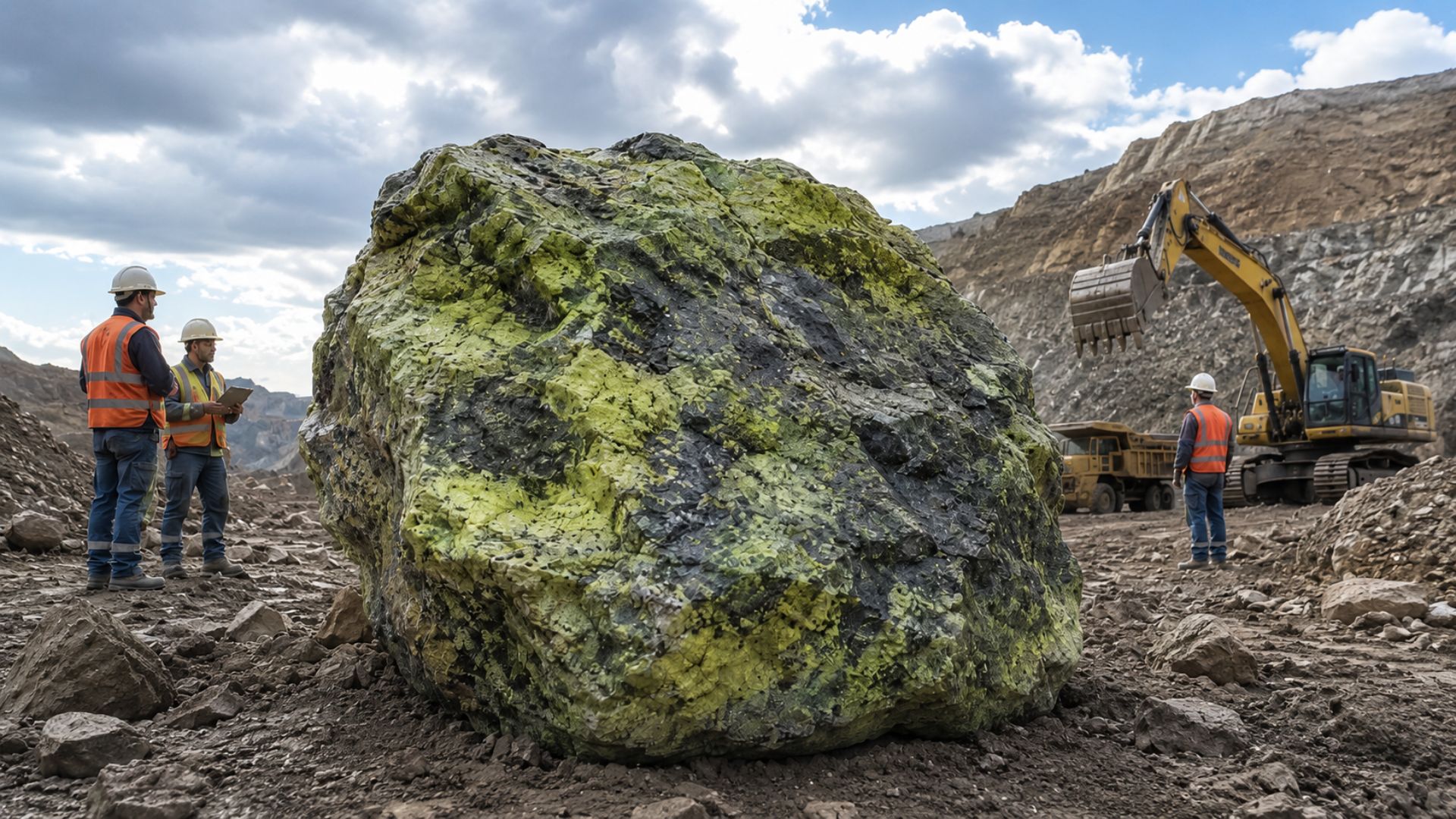

National plan to expand uranium production advances with focus on new mining areas, private partnerships, and security in the supply of Brazilian plants, amid global interest in low-emission fuels and strategic minerals linked to the nuclear sector.
Brazil has advanced in structuring partnerships with the private sector to expand uranium exploration in areas of Indústrias Nucleares do Brasil, within a strategy aimed at reducing external dependencies of the nuclear cycle and supplying Angra 1 and Angra 2.
The initiative involves the National Bank for Economic and Social Development, the Brazilian Company of Nuclear and Binational Energy Participations, and INB, the company responsible for stages of the nuclear fuel cycle in the country.
The project structuring contract was formalized as Contract No. 12/2026, as per the extract published in the Official Gazette of the Union on June 3, 2026.
-
Texas Teens Win $50,000 at World’s Largest Science Fair for Developing Non-Surgical Brain-Controlled Bionic Prosthesis with 98% Accuracy

-
Samsung Galaxy A27 Launches with 6.7-inch Super AMOLED Display, Full HD+ Resolution, Android 16, Six Years of Updates, Snapdragon 6 Gen 3, and Dust and Splash Resistance; Available for Pre-order in the US for $350

-
Five Brazilian Students Invent Drug Test Pen That Detects Date Rape Drugs in Seconds
-
Viedma Glacier Retreat in Patagonia Uncovers 900-Meter-Deep Basin, Making Viedma the Deepest Lake in the Americas


In the same move, the project continues the Pro-Uranium, a program launched by INB in 2024 to resume and accelerate mineral research in areas with potential mineral occurrence.
According to the model conducted by BNDES, future studies should define how private companies can participate in mining partnerships, keeping state control over activities subject to constitutional rules on nuclear minerals.
Uranium expansion in Brazil targets five mining areas
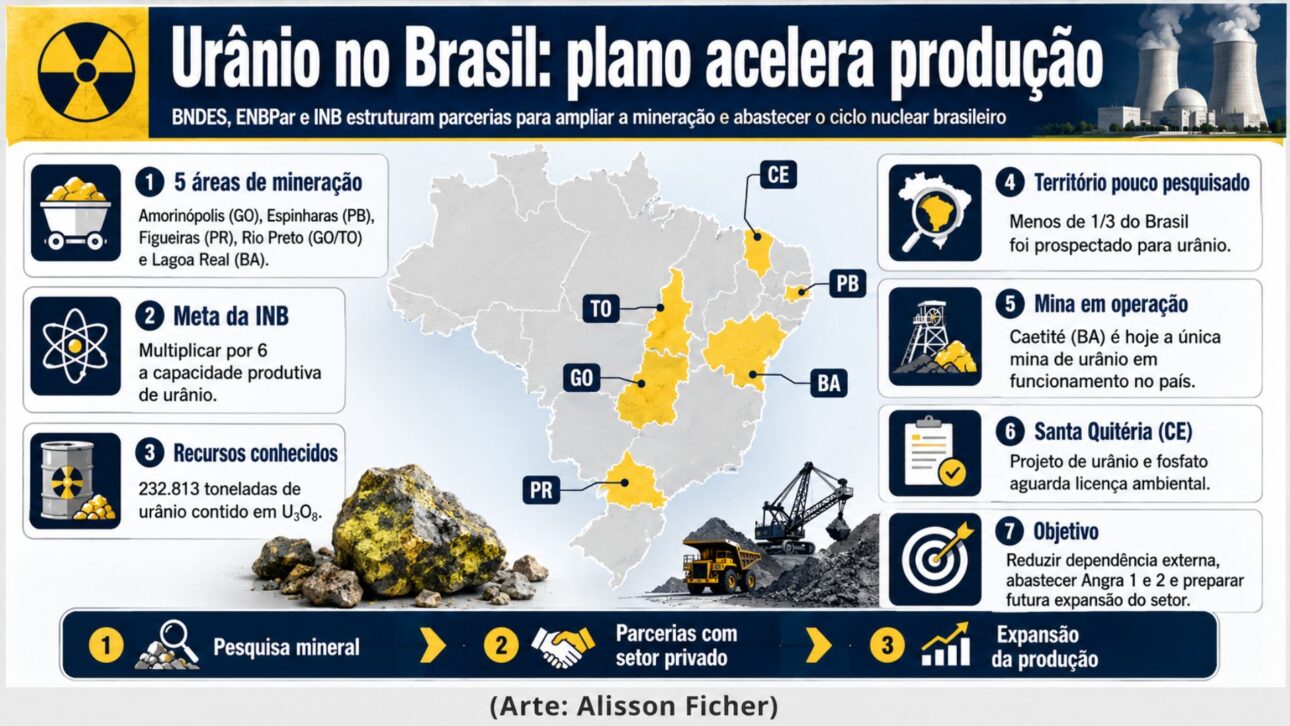
The partnership offer planned by INB includes five areas distributed across Goiás, Paraíba, Paraná, Tocantins, and Bahia, with projects in different stages of geological evaluation and productive potential.
Among the listed areas are Amorinópolis, in the Goiás municipalities of Amorinópolis and Iporá, Espinharas, in São José de Espinharas, Paraíba, and Figueiras, in Sapoema, Paraná.
Also part of the scope are Rio Preto, an area covering Cavalcante and Colinas do Sul, in Goiás, as well as Arraias, in Tocantins.
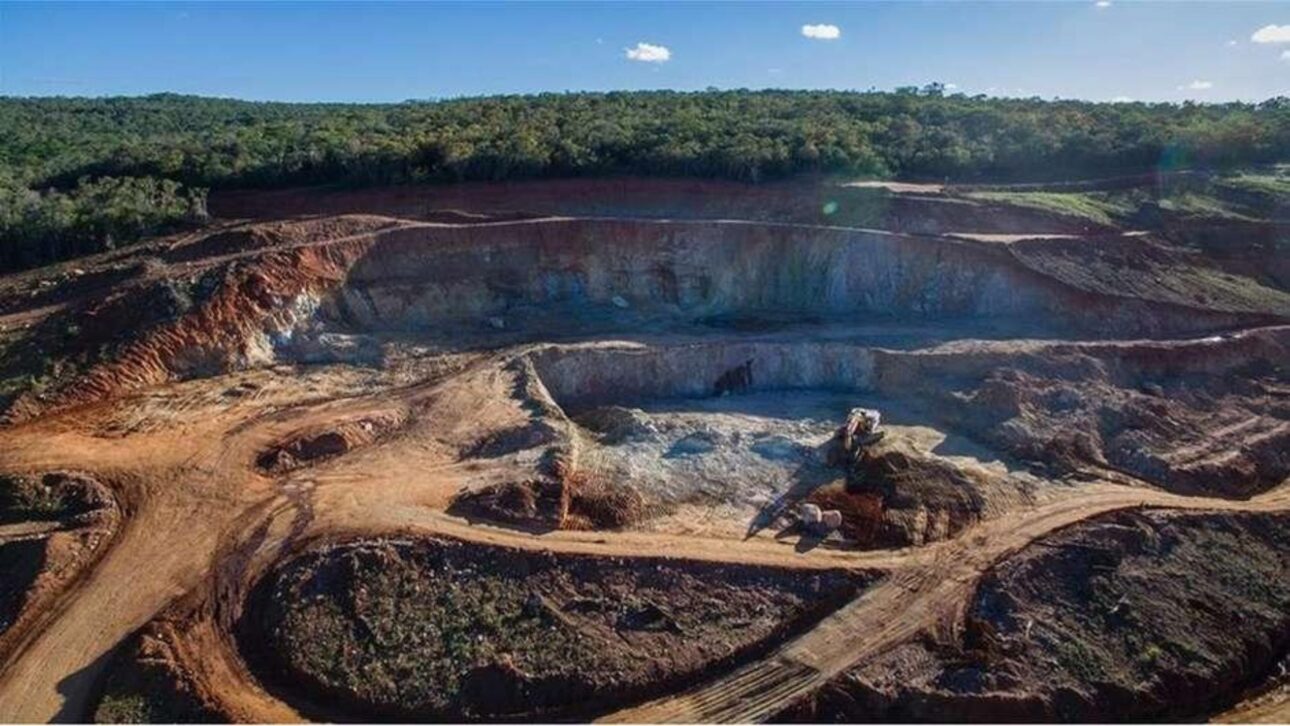
The fifth front is Lagoa Real, in Caetité, Bahia, where the only operational uranium mine in the country is already operating.
According to the project design, BNDES conducts technical and legal studies to structure the partnership model, assess risks, define requirements, and prepare a future selection of interested companies.
This stage began with a market consultation to identify specialized consultancies and receive contributions on the scope of services that could support the formulation of partnerships.
According to the information released by INB, the goal is to expand the national capacity for uranium concentrate production, ensure supply to Brazilian plants, and evaluate the possibility of exporting surpluses.
The company also informs that it seeks to nationalize strategic stages of the nuclear fuel cycle, as part of the process still depends on services performed outside Brazil.
INB sees the need to multiply national production
The president of INB, Tomás Figueiredo Filho, stated in May 2026 that the company needs to multiply its productive capacity by six to meet the projected demand of the Brazilian nuclear sector.
The statement occurred during a period of meetings and contacts of the company with international groups interested in the nuclear fuel chain.
According to the assessment presented by INB, a potential expansion of the Brazilian nuclear park would require a significant increase in domestic uranium supply in the coming years.
The company also informs that it is looking for partners capable of providing capital, technology, and operational capacity to expand production, reduce industrial bottlenecks, and strengthen the supply of the nuclear sector.
In Caetité, Bahia, the mine managed by INB has a production capacity of about 400 tons of uranium concentrate annually.
With new mining fronts and operational expansion, the unit can reach approximately 800 tons per year, according to data released by the company.
Even with this expansion, Caetité’s production would fall short of the projected need by INB if the country expands nuclear generation in the coming decades.
Currently, the uranium produced in Brazil still needs to undergo industrial stages abroad before returning as fuel for the nuclear plants in Angra dos Reis.
Uranium reserves still have incomplete survey
The strategy of the government and INB is based on the Brazilian geological potential, which has not yet been fully mapped by systematic mineral research throughout the national territory.
According to INB, the known national resources amount to about 232.8 thousand tons of uranium contained in U3O8, mainly distributed between Bahia, Ceará, and other regions.
The Geological Service of Brazil and INB indicate that the country holds a relevant position among nations with uranium resources, although international classification varies according to the methodology adopted.
Less than a third of the Brazilian territory has been prospected for uranium, which keeps a large part of the possible occurrences without detailed evaluation regarding volume, grade, and economic viability.
In the Northern region, areas of Amazonas and Pará appear among the points with potential to be better investigated by geological studies.
There are also occurrences identified in mineral provinces of Minas Gerais, Paraná, Bahia, and Ceará, some of them associated with other minerals of economic interest.
This context helps explain the resumption of mineral prospecting as one of the priorities of the nuclear and mining policy linked to uranium.
Without new surveys, the country knows only part of its mineral base, which limits decisions on production, licensing, infrastructure, investments, and potential export projects.
Santa Quitéria can expand the supply of uranium and fertilizers
Outside the five areas included in the new modeling package, the Santa Quitéria Project, in Ceará, appears among the ventures with the greatest potential for expanding national production.
The initiative is conducted by the Santa Quitéria Consortium, formed by INB and Fosfatados do Norte-Nordeste, a company linked to the Galvani group.
The project foresees the exploitation of the Itataia deposit, where phosphate and uranium appear in association in the colophanite, a mineral rock found in the region.
According to INB, the estimated composition of the deposit is 99.8% phosphate and 0.2% uranium, with industrial separation of the products after extraction.
The forecast informed by the company is to produce about 1.05 million tons annually of phosphate fertilizers and 220 thousand tons of dicalcium phosphate, used in animal nutrition.
In the same process, the separated uranium is expected to generate approximately 2.3 thousand tons annually of concentrate, destined for the supply of Angra 1, Angra 2, and, in the future, Angra 3.
Despite the volumes forecasted by the consortium, Santa Quitéria still depends on a preliminary environmental license from Ibama to advance to the next stages of implementation.
The licensing process is under federal review, a phase that evaluates environmental viability, location, project design, and conditions required before any subsequent authorization.
Petrobras observes critical minerals and nuclear sector
Uranium mining has also come onto Petrobras’s radar, although the state-owned company currently does not have a social purpose to operate directly in this segment.
At a recent event, the company’s president, Magda Chambriard, advocated for a broader role for Petrobras in the energy sector and mentioned interest in potassium, critical minerals, and uranium.
“I like the idea of exploring potassium. I like the idea of exploring critical minerals. I like the idea of doing uranium. I like the idea of becoming an increasingly larger energy company,” said Magda, acknowledging that the company would need corporate changes to enter this market.
The former Petrobras Mining, known as Petromisa, was dissolved in 1990, during the government of Fernando Collor.
Since then, the state-owned company has focused its activities on oil, gas, biofuels, electricity, and projects related to energy transition, according to the guidelines approved by the company itself.


In the nuclear sector, the opening for private partnerships was reinforced by legal changes approved in 2022, which authorized INB to establish associations in research, mining, and processing of nuclear minerals.
Even with private participation, the activity remains subject to state control and specific rules applicable to the Brazilian nuclear chain.
Uranium price increases attention on new projects
Uranium has regained attention in the international market amid the search for low-carbon energy sources and the revival of nuclear programs in different countries.
Energy sector analysts also associate this movement with the increase in electricity demand and the debate on supply security in systems with a higher share of intermittent sources.
The price of U3O8, a reference used in the international market, is traded in dollars per pound, not per ton.
In January 2026, market indicators placed the price of uranium in the range of US$ 80 to US$ 100 per pound, depending on the methodology and reference considered.
This scenario increased the interest of companies, banks, and governments in mining and nuclear fuel projects, especially in countries with already identified geological resources.
In the Brazilian case, transforming this potential into regular production depends on licensing, financing, technology, infrastructure, and industrial structure compatible with environmental and nuclear requirements.