






 Portuguese
  Spanish


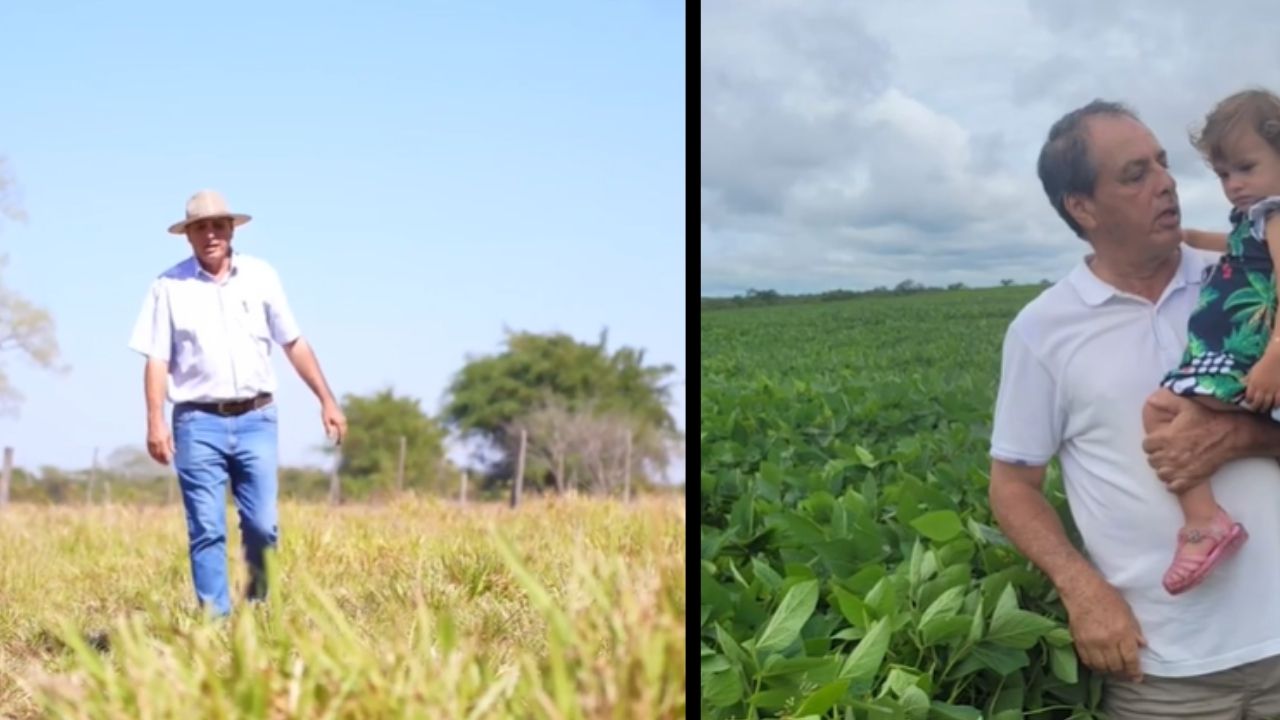

Luiz Roberto de Pina Ribeiro, rural producer and agronomist born in Assis, returned to corn and soybeans in Paranatinga after seeing the result of the integration between pasture, crops, and livestock, according to a publication by Aprosoja MT on October 22, 2025, about production, family, and legacy in the countryside of Mato Grosso.
Corn and soybeans returned to the productive life of Luiz Roberto de Pina Ribeiro after a change of course that began far from Mato Grosso. Born in 1958, in Assis, in the interior of São Paulo, he grew up connected to livestock and later began to build his career as a rural producer and agronomist.
According to Aprosoja’s publication MT, on October 22, 2025, Luiz even promised not to plant again after losing a large corn crop due to a frost in Assis. Years later, in Paranatinga, he found in the integration between crops and livestock a way to reorganize his relationship with the land.
From Assis to the fields of Mato Grosso
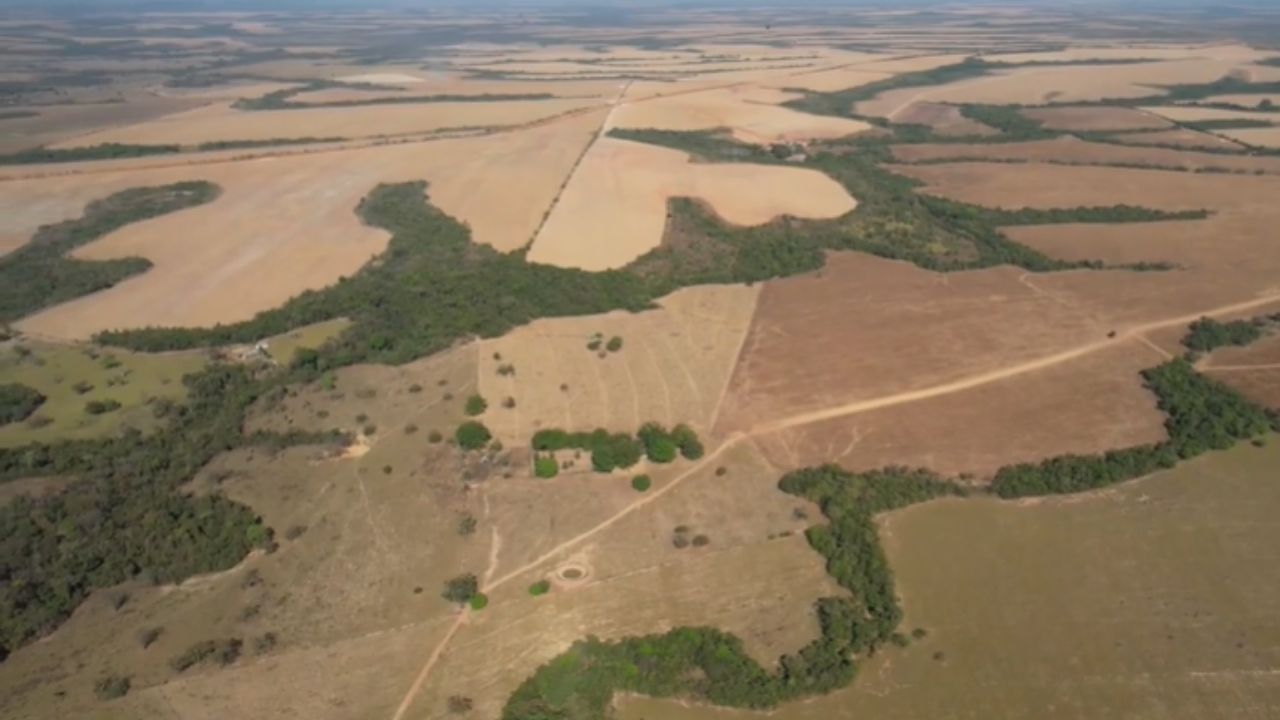
Luiz Roberto lived for many years in Assis, where his lands were leased for sugarcane cultivation. According to Aprosoja MT, it was about ten years connected to sugarcane farming before the family started a new phase with soybean planting in the 1990s.
-
84-Year-Old Fredolino Preserves Cedar Bowls and Family Heirlooms, Reflecting a Life of Farming and Tradition in Rural Brazil

-
70-Year-Old Brazilian Dentist Fulfills 20-Year Dream by Visiting Seven of the World’s Highest Peaks in the Himalayas
-
Heatwave in Europe Causes Drownings: France Reports 40 Victims as Temperatures Soar to 40°C, Experts Issue Surprising Warning
-
French Solar Mirror Array Concentrates Sunlight 16,000 Times, Reaching Temperatures Over 3,000°C




The experience with soybeans began promisingly but also brought operational and market difficulties. The source reports that, at that time, there was less access to technical assistance, adequate machinery, credit protection, and futures market tools, which influenced the decision to change the course of the activity.
Frost marked a change of decision
The loss of a large corn crop in Assis was the episode that led Luiz to make a promise: not to plant again and to keep only grass. The point is important but should be read as part of a productive journey, not as a narrative of suffering.
The story gains strength because it shows a decision that changed over time. The producer did not return to corn and soybeans on impulse, but because he found a different productive logic in Paranatinga, linked to the integration between pasture, crops, and livestock.
Arrival in Paranatinga occurred in 1996
Luiz arrived in Paranatinga in 1996, accompanying a brother-in-law who had acquired land in the region. Initially, the intention was to help, as he had an affinity for cattle management and a background related to the field.
Over time, the potential of the region caught attention. The publication states that he began establishing himself in Paranatinga and, in 2002, moved permanently with his family to Mato Grosso, consolidating a new phase in the Mato Grosso countryside.
Crop-livestock integration changed the logic of the property
In Paranatinga, Luiz found a reality marked by long periods of drought. In this scenario, the integration between crops and livestock began to make sense within the property, especially due to the relationship between agricultural production and herd quality.
The source highlights that soybeans and corn became not only a source of income but also a base to sustain cattle with higher quality. The crops ceased to be seen in isolation and began to function as part of an integrated productive system.
Corn and soybeans returned by technical decision
The return to corn and soybeans appears in the story as a practical revision of strategy. Luiz reports, according to Aprosoja MT, that he had no intention of planting soybeans again, but changed his mind upon seeing the results of the integration between pasture, crops, and livestock.
This point differentiates the agenda from a simple story of a new beginning. The center of the change lies in observing the results of the productive system, adapting to the environment of Paranatinga, and combining agriculture and livestock.
Paranatinga brought a new role for the crops
The region of Paranatinga appears in the source as an area of prolonged drought in certain periods. This condition makes the integration strategy even more relevant, as the crops can help in providing food and sustaining livestock activity.
In this context, corn and soybeans have come to play a broader productive role. They do not appear only as commercial crops but as part of a mechanism that involves pasture, livestock, soil, management, and property planning.
Producer also has training in agronomy


Luiz Roberto is presented by Aprosoja MT as a rural producer and agronomist. This detail helps to understand why the change in perspective on the crops was not only emotional but also involved a technical understanding of the property.
The agronomic training did not prevent him from moving away from planting after the frost in Assis. But, in Mato Grosso, the technical knowledge helped recognize the potential of a more integrated system, with agriculture and livestock working complementarily.
Leased areas can still return to production
The publication states that Luiz has leased areas and intends to reclaim them to expand production. The source does not detail size, schedule, or planned investment, so this point should be treated only as a registered intention.
Even so, the information shows that the activity is still in motion. The producer does not see corn and soybeans just as a past stage but as part of a project that can still grow within the property.
Family remains connected to the land
Luiz’s journey is also presented by Aprosoja MT as a family story. The source mentions his wife Simone as a partner at all times and mentions the children, who have followed their own paths but maintain roots in the land.
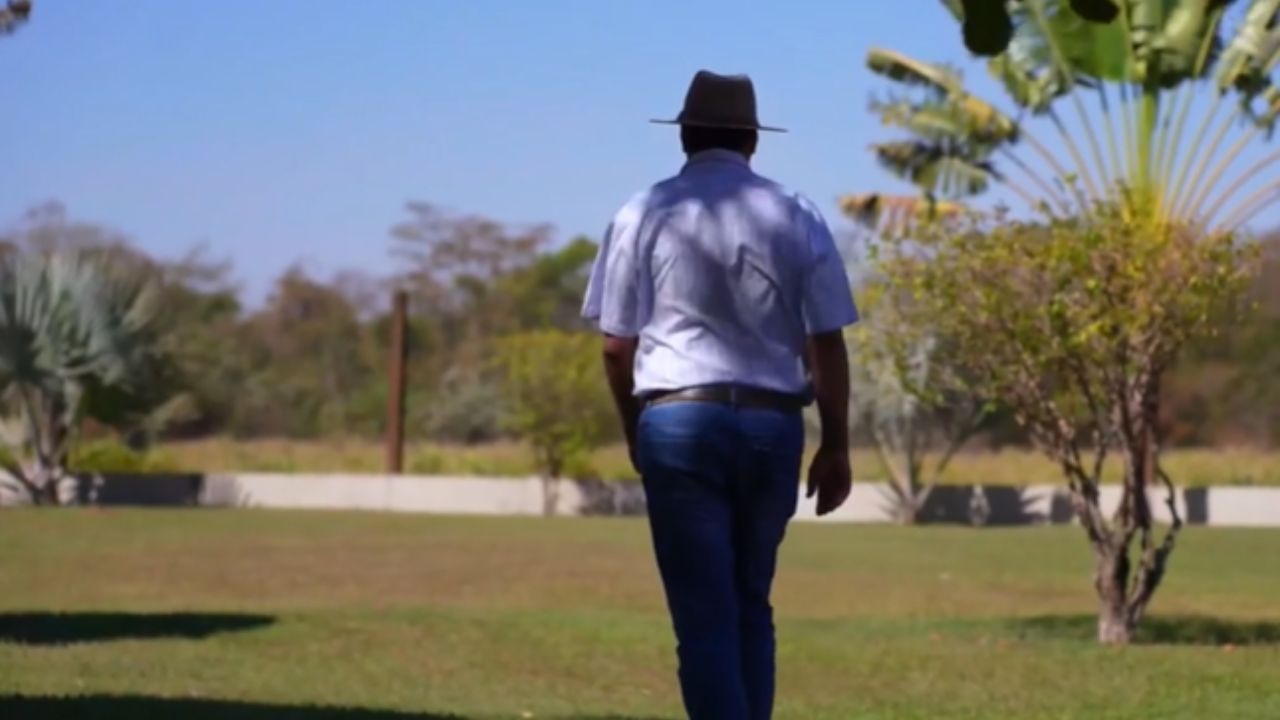
The presence of the family appears as part of the legacy in the field. The source also records the image of the producer in the pasture, in the crops, on horseback, and in the company of his granddaughter, connecting rural production and family continuity.
Legacy does not depend only on planted area
The legacy mentioned in the story is not only in the volume produced or the expansion of the crops. It appears in the way Luiz rebuilt his relationship with agriculture after a negative experience in Assis.
The integration between farming and livestock shows that the field can change when the producer adapts strategy, observes results, and adjusts the property to the environment it is in. In this case, the legacy lies in permanence, management, and the ability to review decisions.
Aprosoja MT records the trajectory
The story was published by Aprosoja MT as part of institutional strengthening content, with text signed by the entity’s communication advisory. The publication presents Luiz Roberto as an example of a producer who returned to planting after changing his relationship with farming.
The entity also contextualizes the role of the field in Mato Grosso and presents the trajectory as part of a construction linked to the land, family, and production. The text does not provide data on productivity, total cultivated area, or the number of cattle.
Soy, corn, and pasture in the same system
The central point of the story is the integration between soy, corn, and pasture. This model allows thinking of the property as a system, rather than completely separating agriculture and livestock.
When well planned, crop-livestock integration can help in organizing land use, utilizing areas, feeding the herd, and rotating activities. In Luiz’s case, the source shows that this system was decisive for him to reverse the decision not to plant.
A turnaround without easy promises
The story of Luiz Roberto should not be read as a ready-made formula for every producer. Each property depends on climate, soil, access to machinery, capital, technical assistance, market, and management.
Therefore, the case works better as an example of productive adaptation. The return to corn and soy happened within a specific context, in Paranatinga, where farming and livestock began to complement each other on the property.
The field as a place of continuous decision
The trajectory shows that decisions in agriculture can change over time. What seemed concluded after the frost in Assis gained another meaning when Luiz observed the result of crop-livestock integration in Mato Grosso.
This is the point that makes the topic relevant: the producer not only returned to planting but redefined the role of farming within the property. The corn and soy began to interact with the pasture, the cattle, and the family project linked to the land.
A story about production, family, and integrated system
The journey of Luiz Roberto de Pina Ribeiro shows how a decision made after an agricultural loss in Assis was revisited years later in Paranatinga. By integrating farming and livestock, he found in corn and soy a productive base to sustain the herd and strengthen the property.
More than an individual story, the case raises a discussion about the future of the countryside: could the integration of farming, livestock, and family be a safer path for rural properties in regions with challenging climates? Leave your opinion in the comments.


