Portuguese
  Spanish


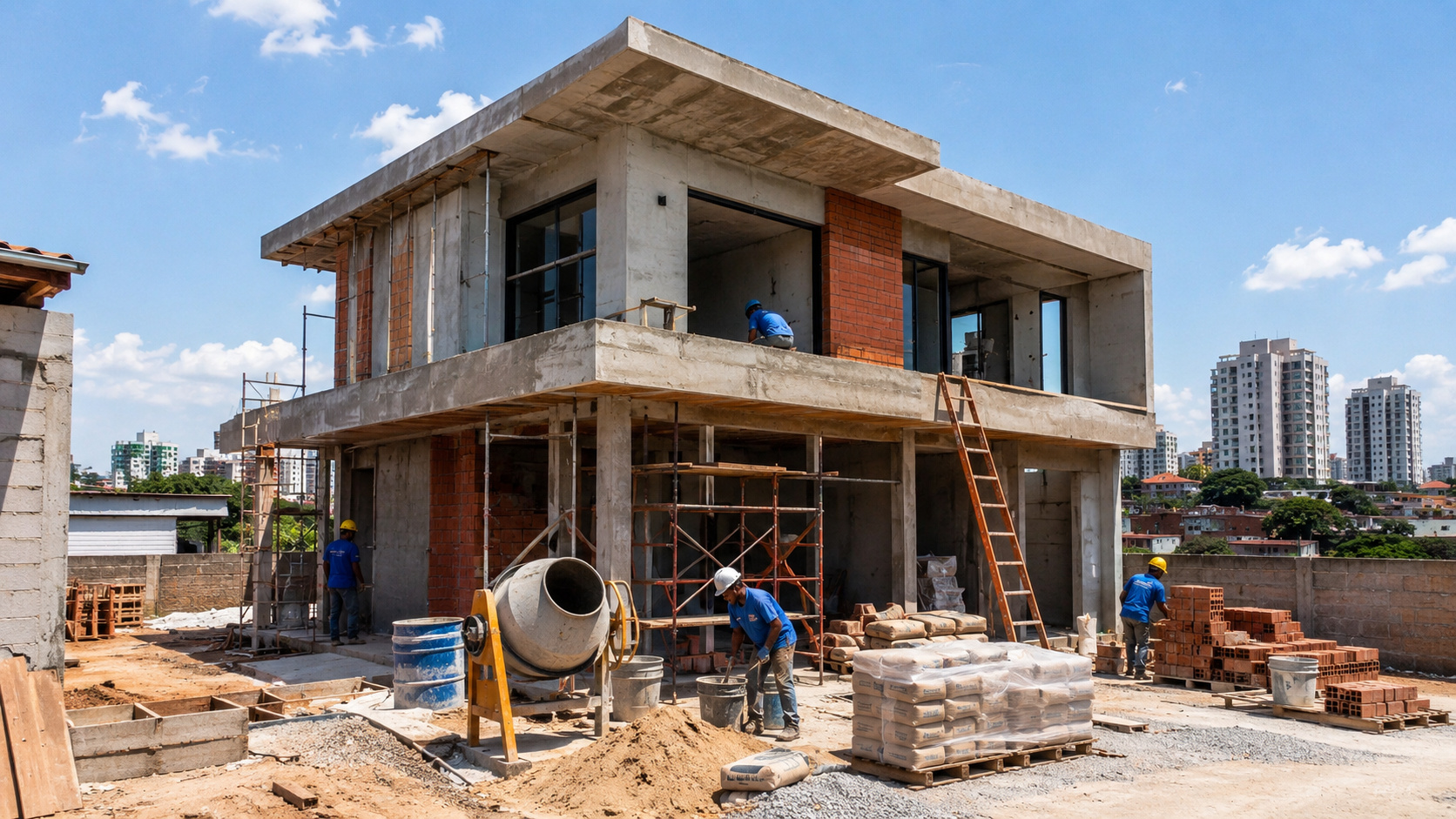

Increase in square meter in 2026 exposes pressure on materials, labor, and finishes, as families discover that the real cost of building can go far beyond the initial budget estimate
Building one’s own house has returned to the forefront of concerns for thousands of Brazilians in 2026. The reason lies in the numbers that have started circulating in recent months, helping to gauge the size of the challenge faced by those wishing to move out of renting or invest in their own property. According to information released by Sinapi/IBGE in April 2026, the national average construction cost reached R$ 1,946.09 per square meter, raising an important alert about the rising costs of construction in different regions of the country.
Although the value serves only as a technical reference, it has come to symbolize a heavier reality for consumers, builders, and families trying to balance budget, financing, and planning. This is because, in practice, the final cost of construction can vary drastically depending on the house’s standard, the location of the land, the materials chosen, and even the logistics of the construction.
Moreover, industry experts emphasize that the national average value should not be interpreted as a fixed price. The metric is mainly for market comparison and initial estimation. Even so, the index helps to understand why building became significantly more expensive in 2026.
-
21-Year-Old Moves Back to Parents’ Home in Arizona, Finds New Private Apartment in Converted Garage as Families Tackle U.S. Housing Pressures

-
Innovative Container Studio in Brazilian Beach Town Thrives with High Demand and Plans for Expansion
-
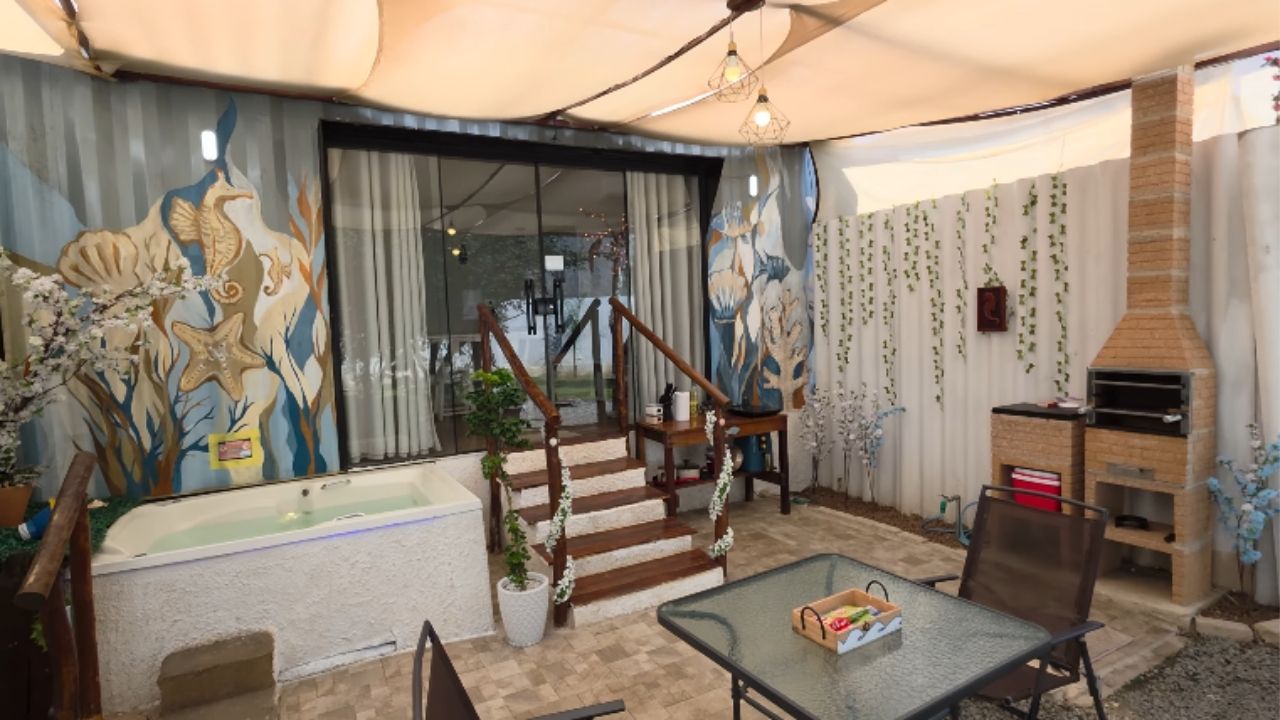
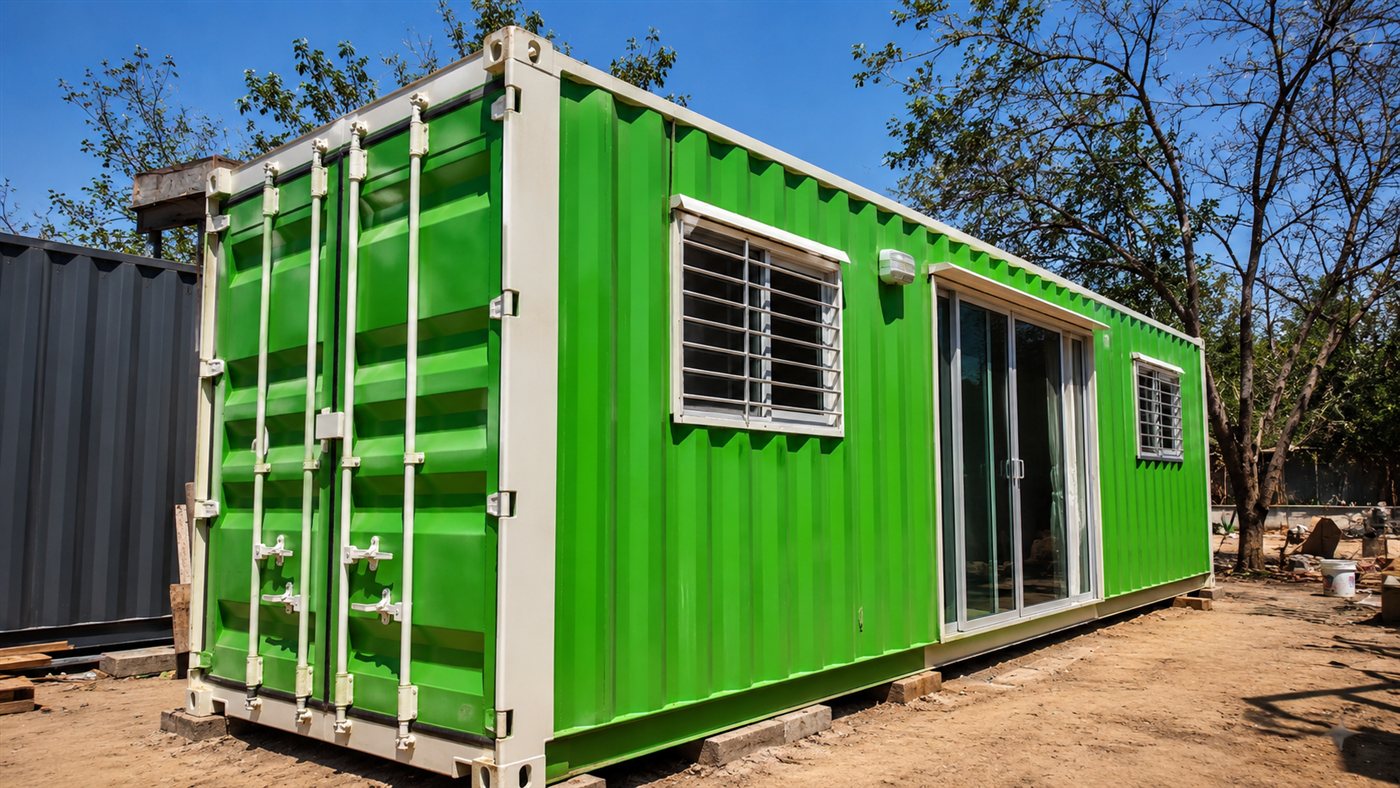
30-Square-Meter Container Home with 2 Bedrooms, Living Room, Kitchen, and Bathroom Sold for $12,000 in Brazil, Tour Reveals Project Details

-
Brazilian Couple Builds Eco-Friendly Brick House, Saves 41%, and Shares Simple Test to Check Soil Suitability


Why is the construction cost more alarming in 2026?
The increase in the construction square meter directly affects the imagination of those dreaming of owning a home. After all, when the national average cost exceeds R$ 1.9 thousand per square meter, even projects considered compact begin to require much more rigorous financial planning.
As published by Sinapi/IBGE data, part of this growth is linked to the continuous rise in construction materials, the cost of specialized labor, and the indirect expenses that arise during the execution of the work. In many cases, the initial budget ends up being just the beginning of a sequence of expenses that appear during construction.
Another factor weighing in 2026 is regional differences. While some cities manage to keep costs more controlled, others face logistical problems, increased freight, and difficulty hiring qualified professionals. In this sense, two constructions of the same size can present gigantic differences in the final value.
Besides the financial impact, the current scenario has also changed the behavior of those intending to build. Many families have started researching more before starting construction, seeking more economical solutions, smart projects, and construction methods that reduce waste.
Simple construction, medium standard, and high finish create gigantic differences in the budget
One of the biggest traps for those starting to build is believing that the cost per square meter will be the same for any type of property. In practice, the chosen standard completely alters the cost structure of the construction.
A simple construction usually uses basic finishes, a lower level of customization, and more straightforward construction solutions. This tends to reduce some of the initial costs. Even so, unforeseen events can quickly arise and increase the final budget.
A medium-standard house, on the other hand, usually includes more elaborate projects, integration of spaces, superior coatings, and a greater aesthetic concern. In this scenario, the cost of finishing becomes a significant factor in the total value.
On the other hand, high-standard properties can easily exceed the national average published by Sinapi. Sophisticated facades, larger frames, premium porcelain tiles, planned lighting, and customized carpentry completely transform the construction cost.
The table below shows how the same square meter can represent very different realities in 2026:
Construction Cost Comparison in April 2026
| Type of Construction | Cost Reference | What Usually Weighs |
|---|---|---|
| National Reference | R$ 1,946.09 per m² | Average base for comparison |
| Materials | R$ 1,098.80 per m² | Price and freight variation |
| Labor | R$ 847.29 per m² | Team, deadline, and specialization |
| Superior Finishing | Can significantly exceed the average | Coatings, frames, and project |
In this context, even small changes during construction can have a significant financial impact. Project changes made after the start of construction, for example, usually cause rework, material waste, and an increase in execution time.


Invisible Construction Costs Have Become One of the Biggest Problems for Builders
In 2026, one of the points that most surprise consumers is precisely the emergence of so-called “invisible costs.” These are expenses that often do not appear in the initial account but end up compromising a large part of the budget throughout the construction.
In medium-standard constructions, these expenses usually arise in land preparation, plumbing installation, electrical work, and final adjustments. Small items like grout, connections, junction boxes, drains, and material losses may seem irrelevant separately but accumulate significant values at the end of the construction.
Moreover, improvisation continues to be one of the main enemies of financial planning. Those who leave important purchases for the middle of construction are more vulnerable to price fluctuations and the need to acquire emergency materials.
Another critical point involves logistics and storage. Freight, unloading, and material loss on the construction site have become an increasingly significant portion of the total construction cost in various regions of Brazil.
Among the less perceived expenses by first-time builders, the following stand out:
- Material purchased in stages and subject to adjustments;
- Unplanned structural corrections and reinforcements;
- Freight and unloading of materials;
- Breakage, waste, and leftover supplies;
- Project changes during execution;
- Extra costs with finishing and installation.
Meanwhile, experts recommend that consumers maintain a financial reserve for unforeseen events. In many cases, the extra amount needed during construction can easily exceed the initially planned percentage.
How to use the square meter value without falling into traps
Despite the impact caused by the numbers released in April 2026, the national average construction value should not be seen as a promise of a fixed price. It functions as a market thermometer and helps consumers understand the scale of the necessary investment.
According to industry professionals, the safest path remains detailed planning before starting the construction. This includes a defined architectural project, a complete survey of materials, an organized schedule, and hiring qualified professionals.
Moreover, comparing budgets has become even more important in a high-cost scenario. Values well below the average may indicate a risk of future problems, while excessively high prices require more careful analysis.
Even in the face of the construction boom in 2026, experts affirm that building remains viable for many families. However, the success of the construction increasingly depends on financial control, technical planning, and decisions made before the first brick is laid.