Portuguese
  Spanish


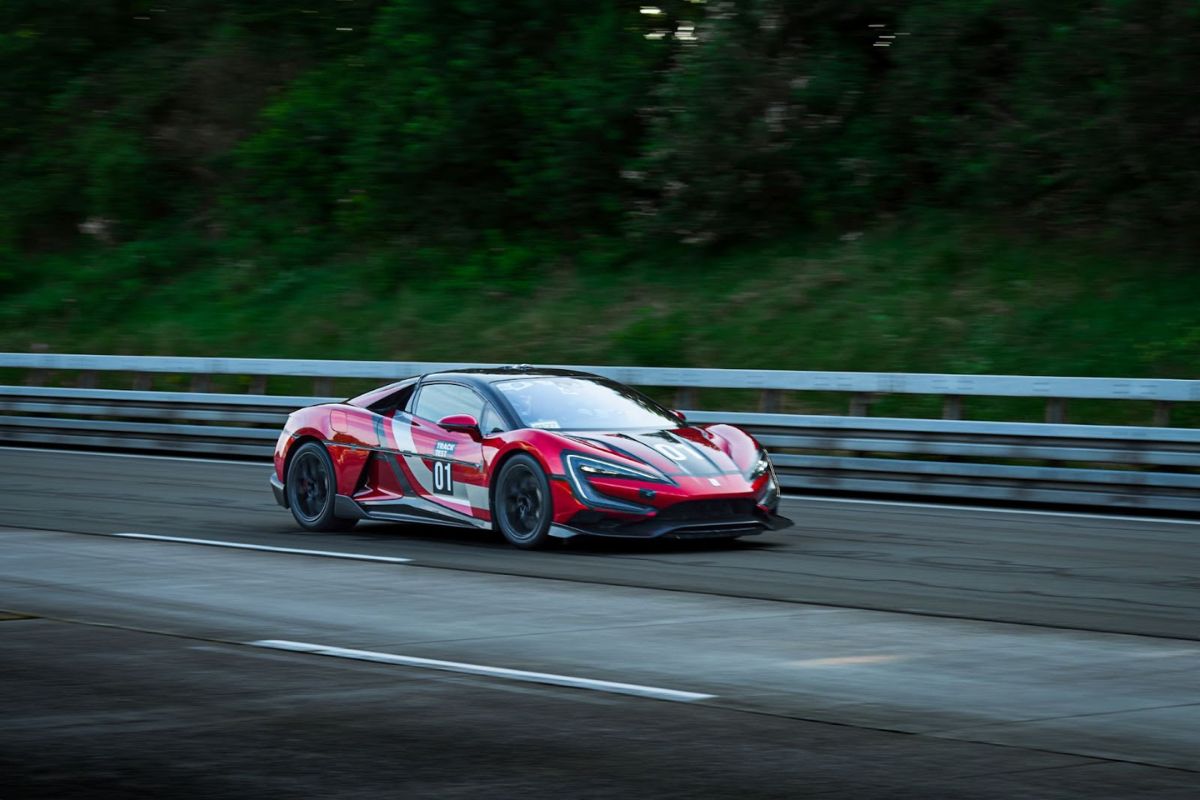

With a Top Speed of 496.22 km/h, the Yangwang U9 Xtreme Puts BYD and China at the Top of the Automotive Industry, Surpassing Bugatti and Redefining the Future of Hypercars.
The competition for the title of the fastest car in the world has just entered a new chapter. The Yangwang U9 Xtreme, a model from the Chinese BYD, has reached an impressive 496.22 km/h and surpassed the Bugatti Chiron Super Sport 300+, which had held the record since 2019.
According to information released by Xataka, more than a symbolic victory, BYD’s achievement places China at the center of the automotive technological race, directly challenging European supremacy in this segment.
According to Xataka, the result reinforces the shift in the global axis: now, the power that dominates battery production also sets the pace among hypercars.
-
Brazil’s Lula Government Allocates $463 Million Quota for Electric Car Parts, Waives Import Tax Until December, Sparking Competition Among BYD, Automakers, and Unions as Consumers Question Impact on Prices and Local Industry

-
Thinking of Installing LED Headlights? Why Replacing Halogen Bulbs is Still Banned, the Glare Risks Authorities Worry About, and How a New Proposal Could Allow Certified, Safe Installations

-
2027 Toyota Corolla Cross Unveiled: New Design, Enhanced Fuel Efficiency, Reduced Maintenance Costs, Advanced Technology, Connected Services, and Up to 10-Year Warranty
-
Fiat Cronos Precision 2018: Affordable Sedan with Spacious Trunk and Reliable Maintenance




The Rise of the Yangwang U9 Xtreme
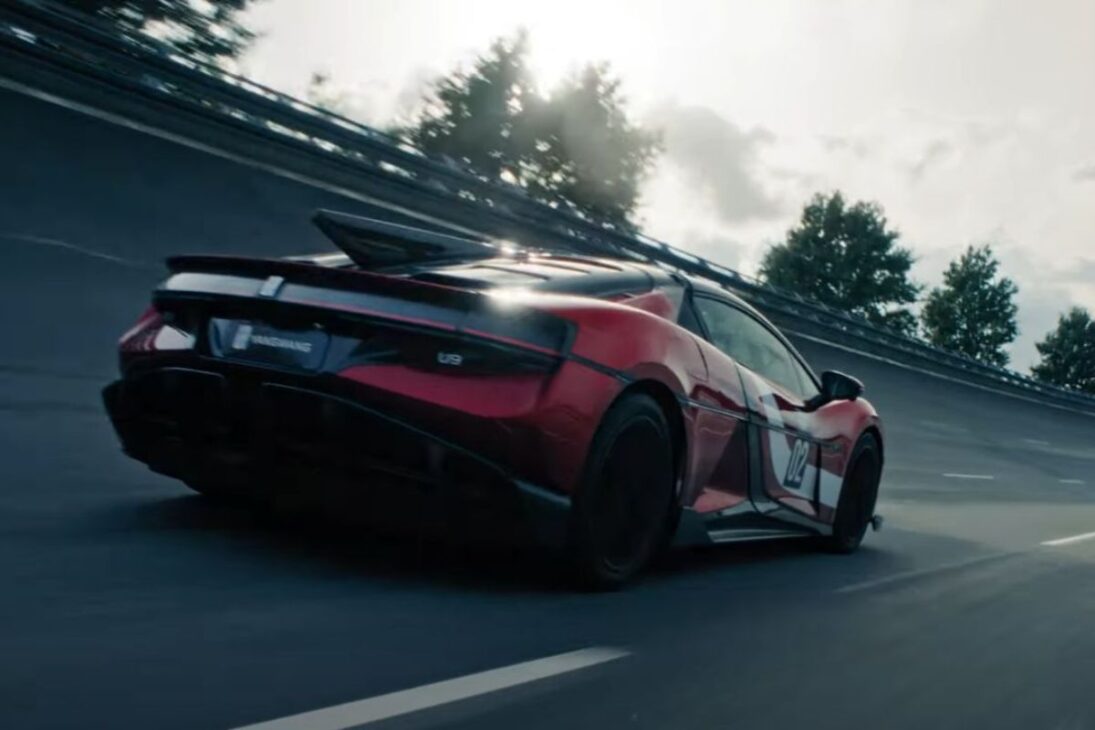
The Yangwang U9 was already known for its surprising acceleration and its ability to perform unusual maneuvers, such as moving on three wheels or even jumping to avoid obstacles, thanks to its intelligent body control system.
But it was the Xtreme version that brought the model to historic heights.
Equipped with four electric motors totaling nearly 3,000 hp and supported by an innovative 1,200-volt structure, BYD’s hypercar managed to break the symbolic barrier that separated electric vehicles from the dominance of combustion engines.
Previously, 800-volt vehicles were the standard, but Chinese engineering has raised that limit.
The Weight, the Battery and the Technical Challenge
Despite the power, the U9 Xtreme is not a lightweight car: it weighs 2,480 kg in total, offset by a set of extremely high-energy-density batteries.
This solution allowed the vehicle to store more electricity without losing efficiency. The result was a ratio of 0.82 kg per horsepower, something never seen in electric cars until now.
According to driver Marc Basseng, who was responsible for driving the record, the performance was only possible due to electric mechanics.
“Technically, something like this is not possible with a combustion engine. Electric is silent, there’s no weight transfer, and this allows me to focus even more on the track.”
Comparison to Bugatti and SSC Tuatara
The Bugatti Chiron Super Sport 300+ had recorded 490.48 km/h in 2019 but was already claiming it was at the limit of its capacity.
Its 1,600 hp W16 engine was a masterpiece of engineering, but it still couldn’t keep up with the electric ascent.
There is still a caveat: the record of the Yangwang U9 Xtreme was achieved in a single lap around the ATP circuit in Papenburg, Germany.
The SSC Tuatara remains the fastest in a two-way lap, averaging 455.3 km/h. However, for the absolute speed title, the crown is now Chinese.
The Race for 500 km/h
With 496 km/h already achieved, the next goal is clear: to be the first car to exceed 500 km/h. BYD has shown that it is not only competing in this territory but is willing to set the pace. Experts say it’s “a matter of time” before that mark is surpassed.
The achievement also raises questions: to what extent will top speed remain a real differentiator?
Or are we facing a symbol of technological power that serves more to reinforce China’s position than to meet a practical demand?
The Yangwang U9 Xtreme is not just a car: it is a sign that the era of electric hypercars has already begun, and the competition is no longer dominated by Europe.
The mark of 496 km/h redefines limits and repositions China as a protagonist.
And you, do you believe that electric cars will also dominate hypercars? Or do you think the European tradition still has surprises in store? Share your opinion in the comments — we want to hear your views on the impact of this change in the market.