






 Portuguese
  Spanish


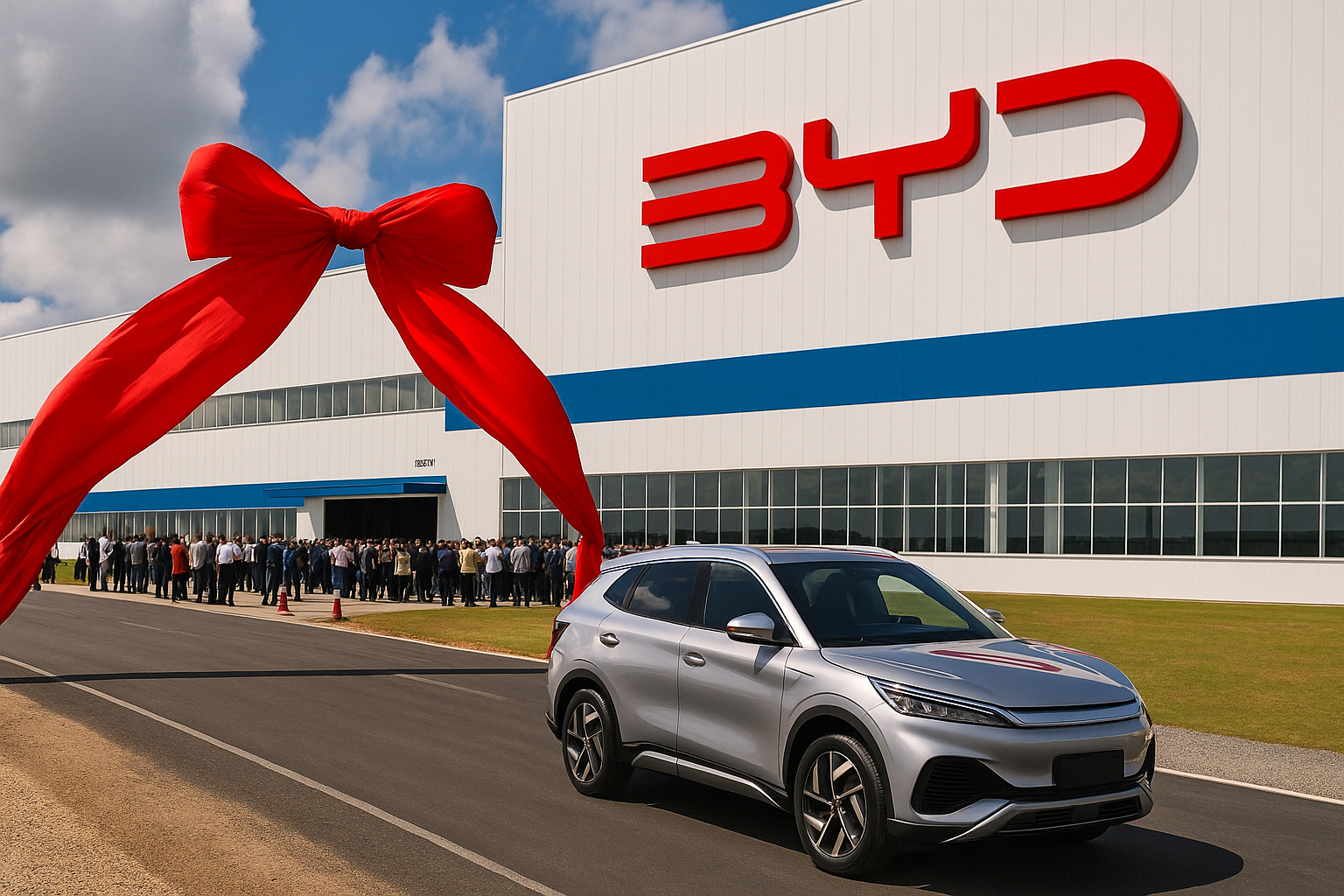

BYD Inaugurates Its Factory in Bahia for the Third Time, But Without Starting National Production, Causing Doubts in the Automotive Market.
BYD Repeats Inauguration and Causes Confusion in the Brazilian Automotive Market
BYD, the Chinese automaker that has been dominating the global automotive market, has once again drawn attention in Brazil — but this time, for a curious reason.
The company held the third inauguration of the same factory in Camaçari, Bahia, without the unit having actually started national production of vehicles.
The most recent event featured Lula and Geraldo Alckmin, emphasizing the political and economic symbolism of the project.
-
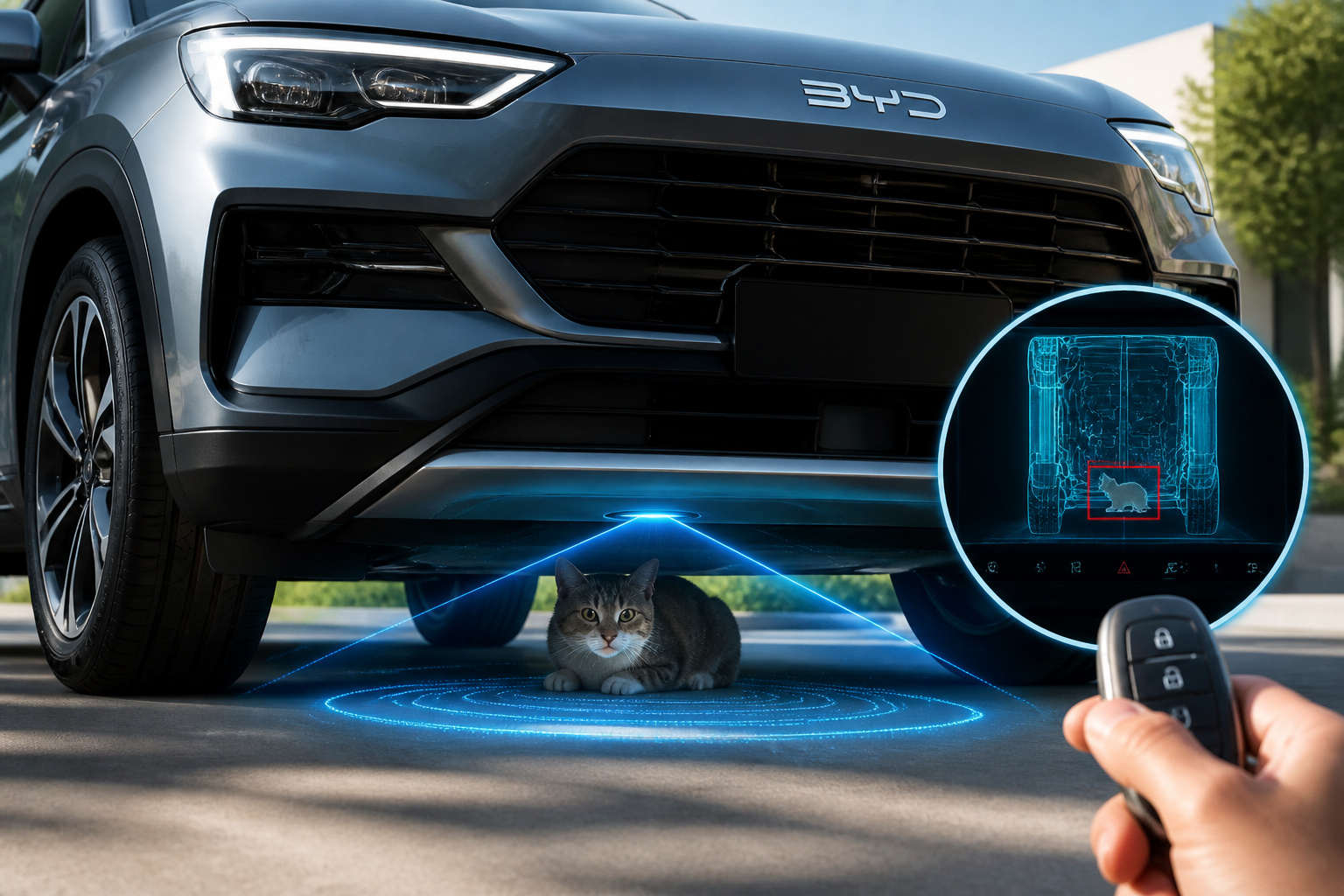
BYD Patents Revolutionary System Using Computer Vision to Detect Animals Under Cars Before Starting, Preventing Tragedies

-
Study Reveals Why Cars Are More Expensive to Produce and Buy in Brazil Compared to Mexico, Highlighting Taxes, Logistics, and Industrial Costs as Key Factors.
-
Toyota to Open New Factory in Brazil by November 2026 with $2.2 Billion Investment, Creating 2,000 Jobs, and Ending Corolla Production in Indaiatuba

-
Brazilian Factory Restores Truck Engines and Parts, Reducing Raw Material Use by Up to 85% After 80 Years in Business



However, the confusion between “inauguration,” “assembly,” and “effective production” has raised questions about the actual stage of the operation.
One Factory, Three Inaugurations, and Many Doubts
The first ceremony took place in March 2024, when BYD announced the start of the unit’s construction. At that time, the automaker referred to the event as the “inauguration of the future factory” — a term that, technically, only refers to the laying of the cornerstone.
Months later, in October 2025, the company held another ceremony, now with national authorities. And once again, the unit was presented as a ready factory, even though it is still not producing complete vehicles.
Therefore, BYD set an unusual record: the record of repeated inaugurations of a factory that still produces nothing.
Ambiguous Communication and Strategic Marketing
BYD’s messaging has confused part of the press and the public. In its communications, the automaker claims that models like the Song Pro GS “now have an assembly line in Brazil.” Technically, this is true — but the assembly is only partial.
The processes of welding, painting, and manufacturing components do not yet exist in Camaçari. Thus, vehicles continue to arrive semi-assembled from China, going through only a final assembly stage in Brazil.
In practice, this means the factory operates as a CKD (Completely Knocked Down) assembler — a common model in industrial transitions, but far from a complete national production.
Global Strategy and Political Symbolism
On the other hand, BYD has clear reasons to insist on symbolic inaugurations. The brand wants to reinforce its commitment to Brazil, especially at a time when the federal government seeks to attract industrial investments and create jobs in Bahia, following the closure of the old Ford unit.
Moreover, the automotive sector is experiencing a moment of intense global competition, with Chinese automakers speeding up their expansion in strategic markets. Thus, each public event helps to keep the brand in the spotlight and strengthen its image of innovation and growth.
Camaçari: The Center of BYD’s Bet in Brazil
The Bahia plant is one of BYD’s most ambitious projects outside Asia. The complex plans to have three production lines: one for electric vehicles, another for bus chassis, and a third for batteries.
However, so far, only the automobile assembly line is operating in a limited capacity. The promise is that full national production will begin in 2026, when the company expects to complete construction and increase its capacity.
In the meantime, cars sold in Brazil remain imported or partially assembled, reinforcing the industrial transition character of the unit.
Experts Call for More Transparency from the Automaker
For analysts in the automotive market, BYD’s messaging needs to be more clear and transparent. The use of terms like “factory,” “production,” and “assembly” without distinction can create noise in the sector and even mislead consumers about the actual degree of localization of the vehicles.
Despite the criticism, no one doubts the strength of the brand. BYD already leads electric car sales in Brazil and promises to invest billions in local expansion. Nonetheless, the Bahia factory remains a promise under construction — and not a solid reality.
The Future of BYD’s National Production
With the growing demand for electric cars and government incentives, Bahia could become the new hub for national automotive production. However, for this to happen, BYD will need to turn marketing into practice and start the actual manufacturing of vehicles in the country.
For now, the automaker has more ceremonies than cars produced, in a storyline that mixes image strategy, political expectation, and a lot of marketing.


