Portuguese
  Spanish


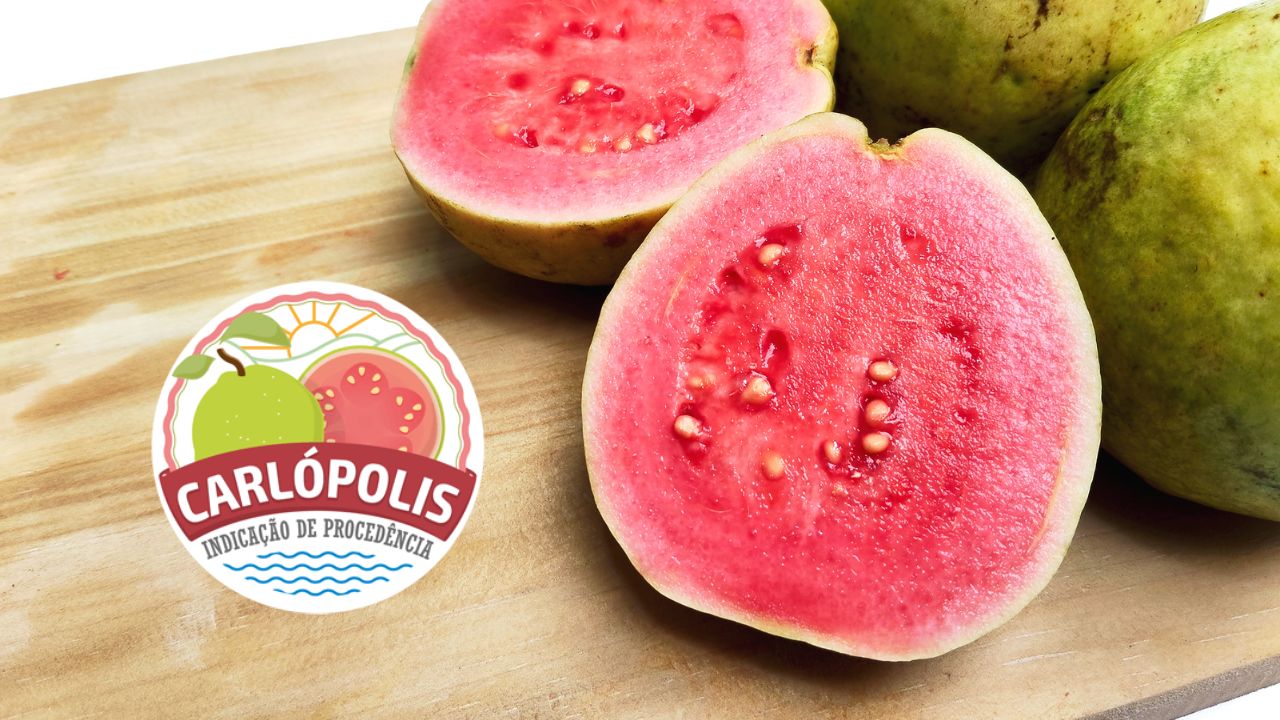


Discover Carlópolis, The Gooseberry Capital of Paraná, Where Innovative Cultivation Techniques and Sustainable Tourism Boost the Economy and Attract Visitors.
In the interior of Paraná, a small town with just over 16 thousand inhabitants has gained national prominence for a special reason: the production of gooseberry. Carlópolis, known as the Gooseberry Capital, is responsible for about 70% of all gooseberry production in Paraná and represents approximately 3.6% of all gooseberries produced in Brazil.
But it’s not just the quantity that stands out: the city is known for its innovative techniques that ensure larger, healthier fruits with less pesticide use.
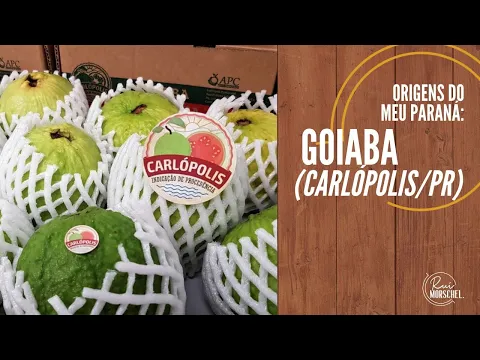
The care starts from planting: each seedling is organized in plots, while the fruits are individually bagged while still on the tree.
-
Brazilian Farmers with Basic Education Create Backyard Machines That Win National Invention Contest, Beating 242 Projects

-
Brazilian Farm Innovates with Cage-Free Chickens, Producing 3,300 Odorless Eggs Daily

-
From Selling Unsold Saplings to Creating Brazil’s Most Awarded Olive Oil Brand with 330 Accolades and a $12 Million Goal by 2026
-
China Builds 400-Hectare Irrigation System in Tanzania to Aid 1,000 Families Dependent on Rainfall


This method protects the fruits from pests and diseases and allows for continuous production throughout the year, even outside the traditional gooseberry season.
Agricultural Techniques That Revolutionized Production
Between 2013 and 2022, the total gooseberry production in the municipality showed significant growth, rising from 6.4 thousand tons to 38 thousand tons.
During the same period, the average revenue obtained per ton also recorded a significant increase, rising from R$ 2 thousand to R$ 3.8 thousand.
Reinaldo Marins de Oliveira, who has over 3.8 thousand gooseberry trees, explains:
“My production changed since I started planning the pruning and bagging of the fruits. It has more output, with a better price.”
In addition to the increase in volume, staggered pruning and individual bagging practices improve fruit quality and reduce the need for agricultural pesticides.
The financial impact is significant: the production of Carlópolis accounts for about 6% of the national value of gooseberry production.

Tourism and Gastronomy: The Gooseberry as an Attraction
The fame of Gooseberry Capital has helped boost local tourism. Between 1940 and 1970, the construction of the Chavantes Hydroelectric Plant created a large lake, which became a leisure spot, a nautical tourism destination, and real estate investments.
Today, visitors can enjoy nature, water sports, and the tranquility of the region.
The gastronomy also benefits from the fruit. G&R Cachaçaria produces artisanal cachaças based on gooseberry. Rosana Longo, the owner, emphasizes:
“People who try it like it. Today we are very proud of the final result.”
Thus, the gooseberry is not just an agricultural product but a cultural symbol that drives the economy and strengthens the identity of Carlópolis.
Sustainability and Family Tradition
The cultivation of gooseberry in Carlópolis is minimally mechanized, with small producers and family farmers predominating.
This ensures that the profits remain in the community and strengthens the local economy. Each gooseberry tree planted is the result of planning, care, and refined techniques.
The city shows that it is possible to unite agricultural tradition, innovation, and tourism in a sustainable way.
The Gooseberry Capital is an example of how small municipalities can generate significant economic, cultural, and tourist impact, transforming the fruit into a true local heritage.
Carlópolis: More Than a Producing City
Today, Carlópolis is not just a hub for gooseberry production; it is a tourist destination, an agricultural innovation center, and a symbol of cultural identity.
With advanced techniques, high-quality fruits, gastronomic tourism, and leisure by the lake, the city demonstrates that planning and dedication can transform small towns into national references.
The Gooseberry Capital proves that tradition and modernity can go hand in hand, benefiting producers, residents, and visitors, solidifying the gooseberry as a true pride of Paraná.
With information from the Gazeta de SP and IDR-Paraná.