Portuguese
  Spanish


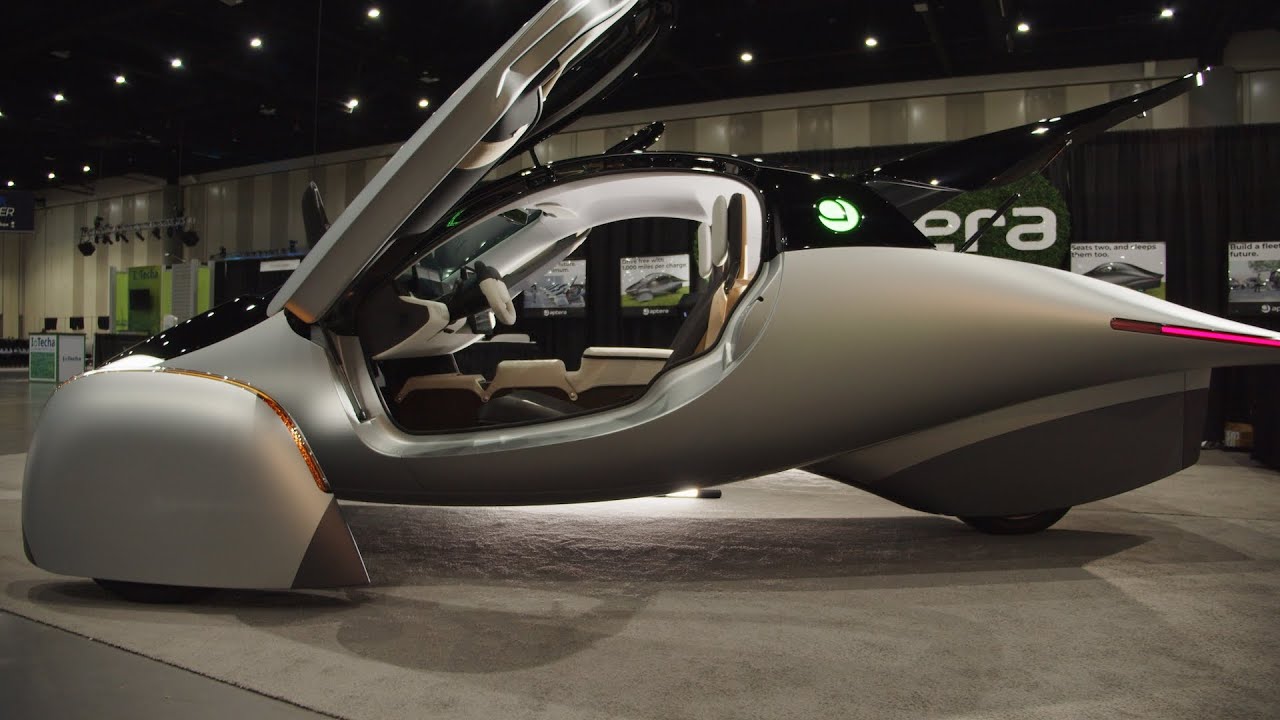

Solar-Powered Car Is Already a Reality in the Industry. Examples abound, from the peculiar three-wheeled Aptera to the newly produced Lightyear, considered one of the most aerodynamic vehicles in the world.
New options are being developed for cars with solar panels, the latest of which was designed in Australia by UNSW students. Want to know more details? See below!
Features of the Solar-Powered Car
The solar-powered car model, called Sunswift 7, can travel 1,000 kilometers on a single charge in less than 12 hours and break the world speed record for a car powered by photovoltaic panels over that distance.
The vehicle was driven on the test track of the Australian Automotive Research Center and achieved an average speed of 84.17 km/h. In fact, it took exactly 11 hours, 53 minutes, and 32 seconds to cover 1,000 kilometers.
-
Does a Flag on Your Car’s Hood Overheat the Engine? Expert Reveals the Overlooked Danger for Drivers

-
How to Identify and Remove Superficial Scratches Before Spending on Car Bodywork

-
Electric Car with Extended Range: Company Patents Hybrid Transmission System Using Gasoline Engine for Backup
-
GM Developed the Chevette to Rival the Beetle, Launched it in Brazil Before Europe, Sold 1.6 Million Units, and Left a Generation with Gas Station Trauma


The body of the solar-powered car stands out for its extremely aerodynamic shape and incorporates elements such as a monocoque chassis, overall carbon fiber composition, rear-mounted motor (capable of reaching a maximum speed of 140 km/h), and a 38 kWh battery.
The main highlight of the car is the photovoltaic installation with an area of 4.6 square meters. A total of five team members, including swimming legend and five-time Olympic gold medalist Ian Thorpe, took turns driving the car during the nearly 12-hour test. It is worth noting that Thorpe stood no less than 1.96m tall, proving that the Sunswift 7 was also designed for taller drivers.
According to the project managers, the solar-powered car was developed to achieve maximum efficiency in everything from tires and ceramic bearings to the aerodynamic body measuring 5 meters in length with a drag coefficient of just 0.09 Cx.
For comparison, the Mercedes-Benz EQS serves as the benchmark here, achieving 0.20 Cx. The Sunswift 7 will not reach the roads due to safety restrictions. Still, the entire technological foundation of the project will serve as a reference for the development of similar systems for future electric vehicles.
Learn More About the Solar-Powered Car
The solar-powered vehicle features a photovoltaic panel that converts sunlight into electrical energy. This electricity powers the motor that, in turn, propels the vehicle. Even on cloudy days or at night, a battery contained within the car recharges it when parked. This type of vehicle, although still more expensive than conventional models, offers several advantages, especially when considering the long term.
The most evident advantage is the energy source that drives the car, of course. Let’s remember that sunlight is abundant and inexhaustible, unlike fossil fuel-derived energy sources, which also emit pollutant gases from combustion to power the engine.
Another clear benefit is not having expenses with gasoline, diesel, or other fuels, which are becoming increasingly expensive with no prospect for price drops. A relevant point is that the solar car is a silent vehicle and also requires less maintenance than conventional models.
The advantages are tempting, but before making an investment like this, it’s important to also consider the disadvantages that this type of car presents.