Portuguese
  Spanish


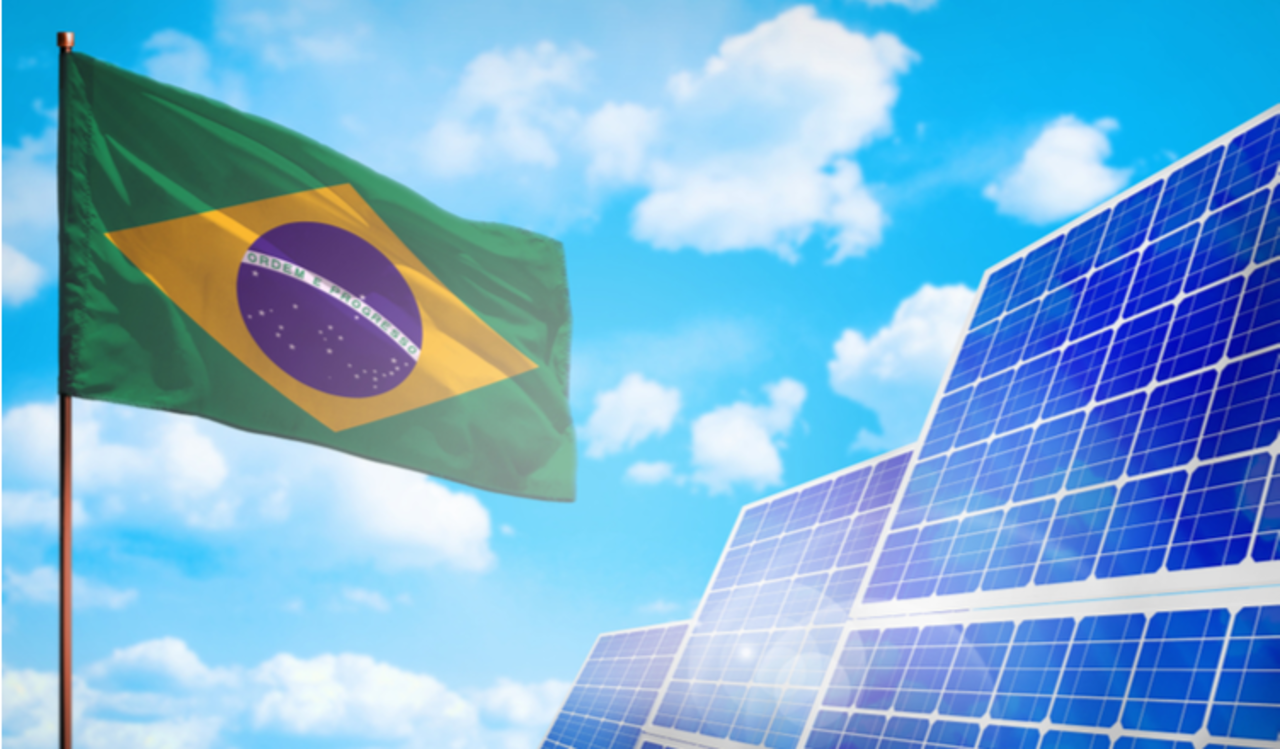

Solfácil’s CEO Stated at Event That Brazil Has the Capacity to Become the Largest Solar Energy Hub
The CEO of Solfácil, Fábio Carrara, spoke to Bússola Líderes about the great potential of solar energy in Brazil, which is growing by more than 160% a year, yet only reaches 0.5% of properties. “Brazil is known to be the best country in terms of distributed solar energy generation and has huge potential for global leadership in such a market,” says Fábio Carrara, CEO and founder of Solfácil, Brazil’s first solar energy fintech, in an interview with Bússola Lideres.
Read Also
“Our country has an abundance of sunlight year-round, a competitive workforce, and high electricity tariffs. All of this makes the return on investment in solar energy in Brazil exceptional. A market that is growing 167% a year and already moves more than R$ 10 billion annually, but still only reaches 0.5% of Brazilian properties,” said Solfácil’s CEO, Fábio Carrara, also noting that this index is 3% in the U.S., 5% in Germany, and 20% in Australia.
Solfácil and Its Mission to Democratize Solar Energy
Solfácil was founded in 2018 by CEO Fábio Carrara with the mission of democratizing solar energy through a financing line that does not require upfront payments, thus generating immediate benefits for consumers, who replace electricity bill expenses with a parcelized investment in a photovoltaic system.
-
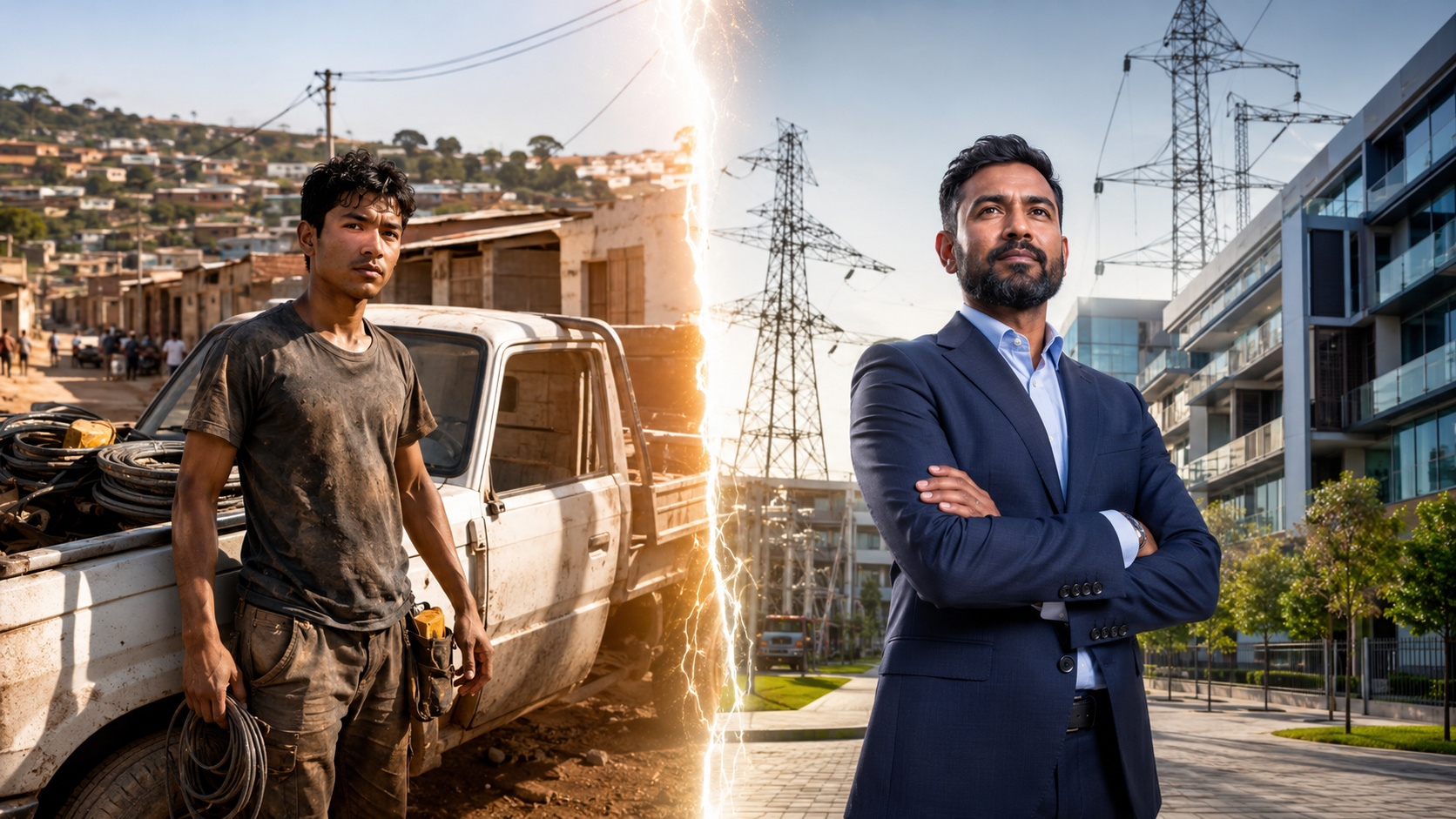
Fired during apartheid and with a little borrowed money, an electrician started with a borrowed truck and transformed electrical services into a group connected to energy, real estate, and infrastructure in South Africa.

-
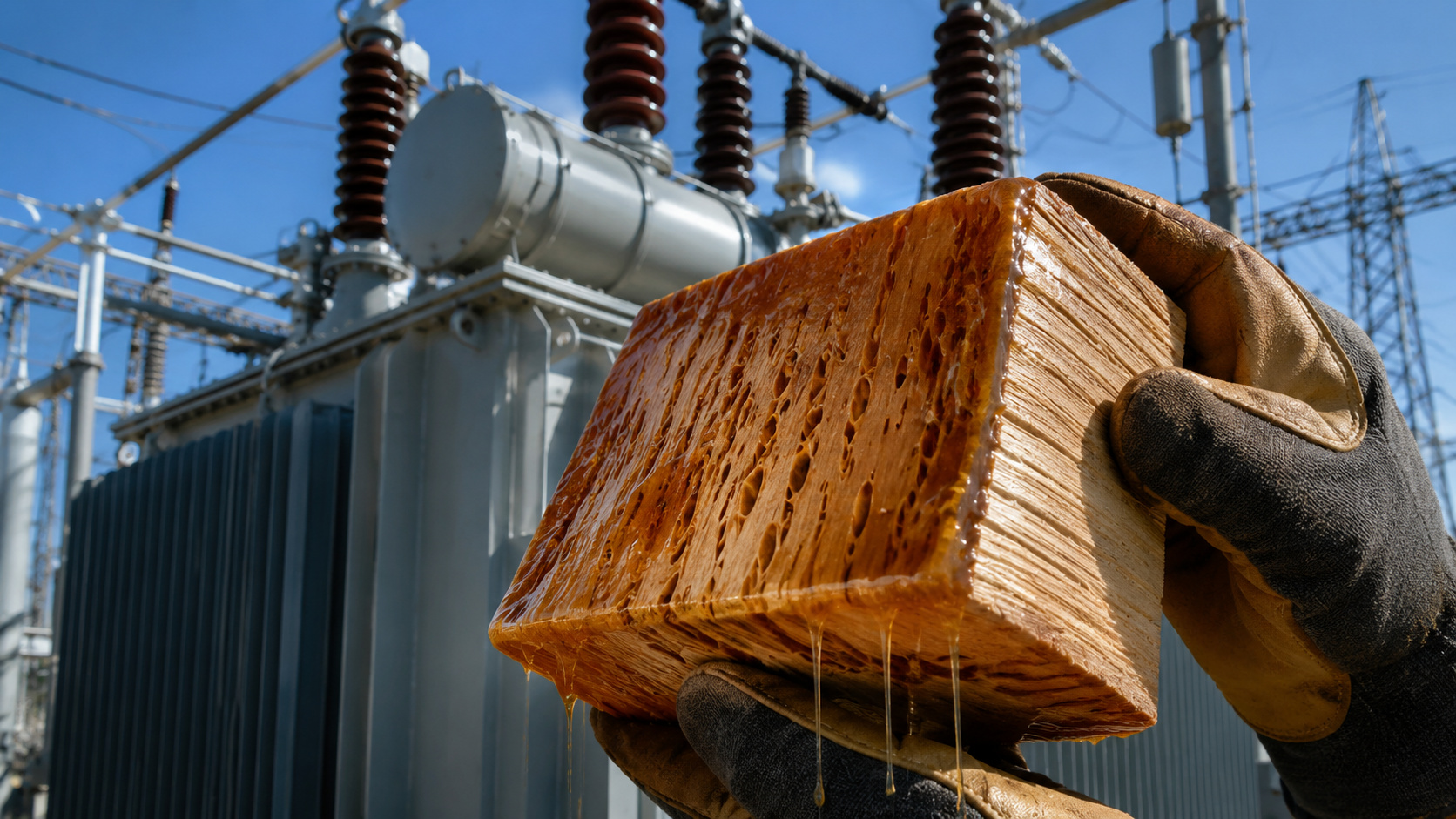
Wood has ceased to be just a construction material in Yale research and has become insulation for electrical transformers that face intense heat, aging, and increasing pressure from the renewable energy-powered grid.
-
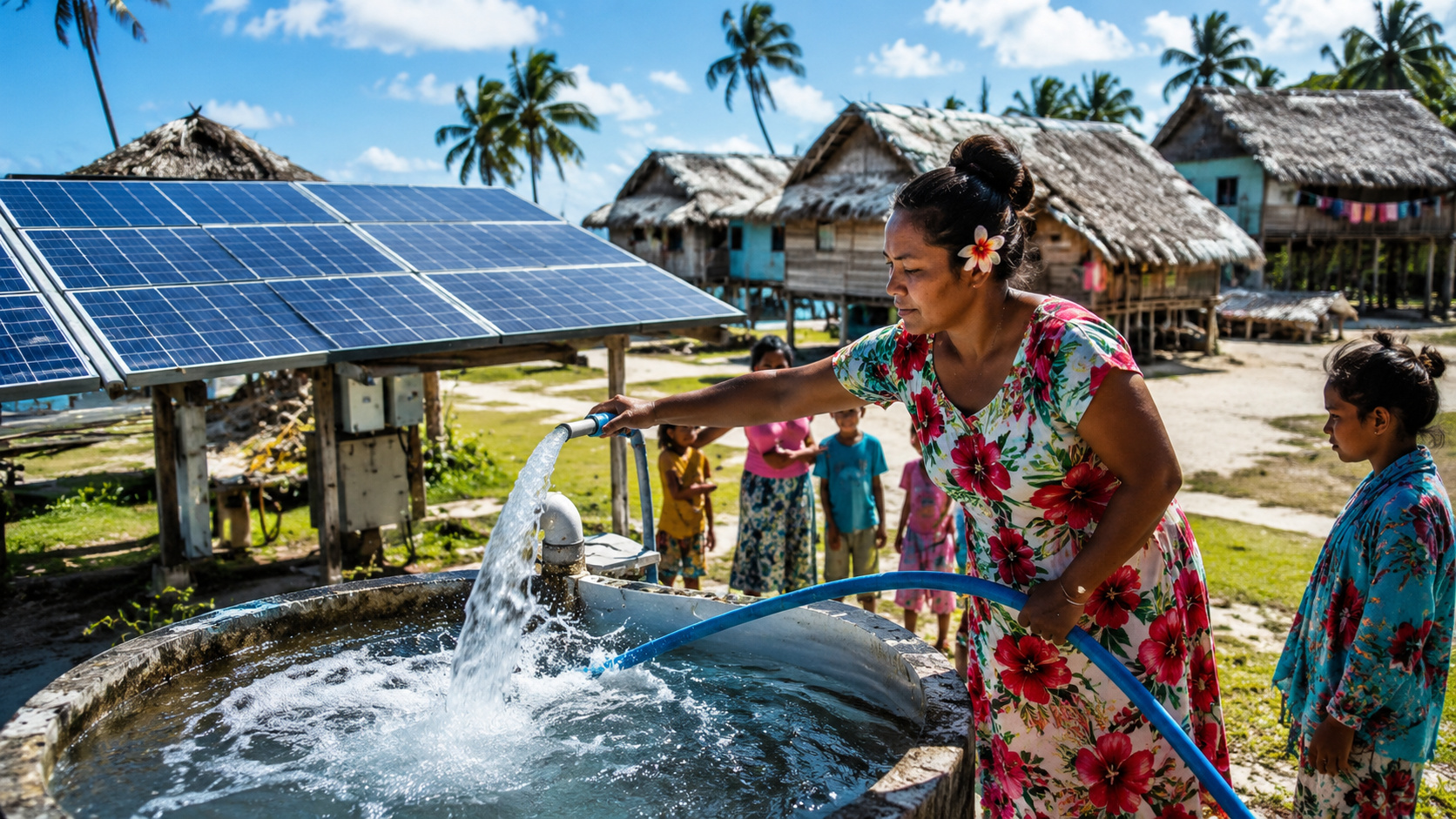
More than 1,000 residents of a remote island in Kiribati now have clean water and electricity with solar systems operated by the community itself.
-
Ceará brings together 7 giants and R$ 66 billion to transform Pecém into the largest green hydrogen hub in Brazil, with final decisions expected by the end of 2026.

“In practice, we are proposing that people swap costs. The cost of the electricity bill, which is essentially an eternal loan with the energy distributor, for an investment in a solar energy system, which generates immediate savings with lower installments than what they were paying for electricity, with a completion date in five years,” explained Carrara, CEO of Solfácil.