






 Portuguese
  Spanish


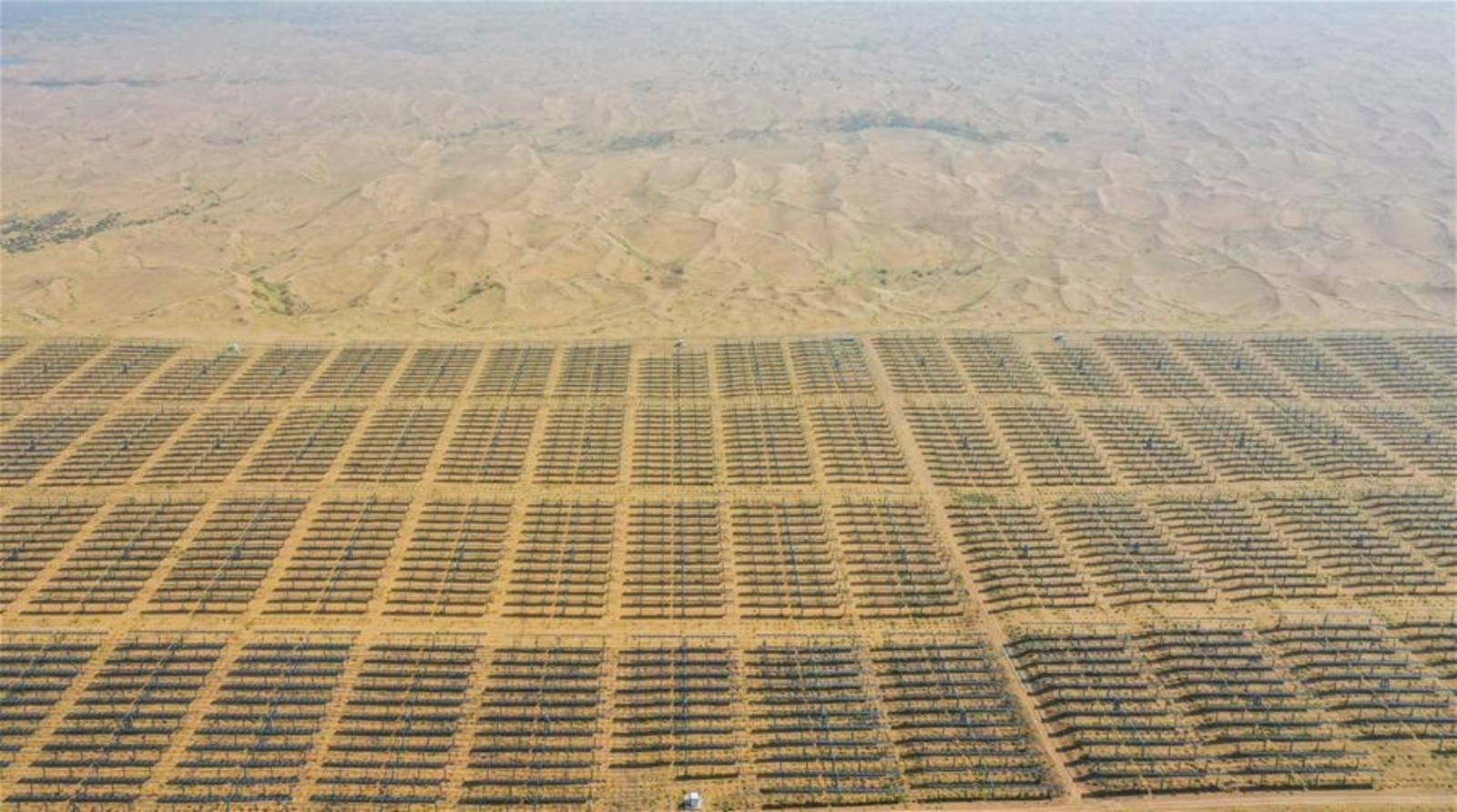

In The Kubuqi Desert, Immense Solar Fields Transform The Landscape, Attract Tourists, Challenge Extreme Climate, And Reveal Contradictions Of China’s Energy Transition
An ocean of blue panels covers the dunes of the desert in northern China. They spread like waves across the sand, shaping the terrain and forever changing the landscape of Inner Mongolia.
“There was nothing here before, it was just sand,” recalls Chang Yongfei, a local resident who has worked in the coal sector, a historical symbol of the Chinese economy.
Climate Goals And Accelerated Expansion
Located 700 kilometers from Beijing, these fields are part of the strategy to reduce emissions. President Xi Jinping promised, in a video conference speech at the UN, to cut global emissions by 7% to 10% by 2035, compared to the peak expected in 2025.
-
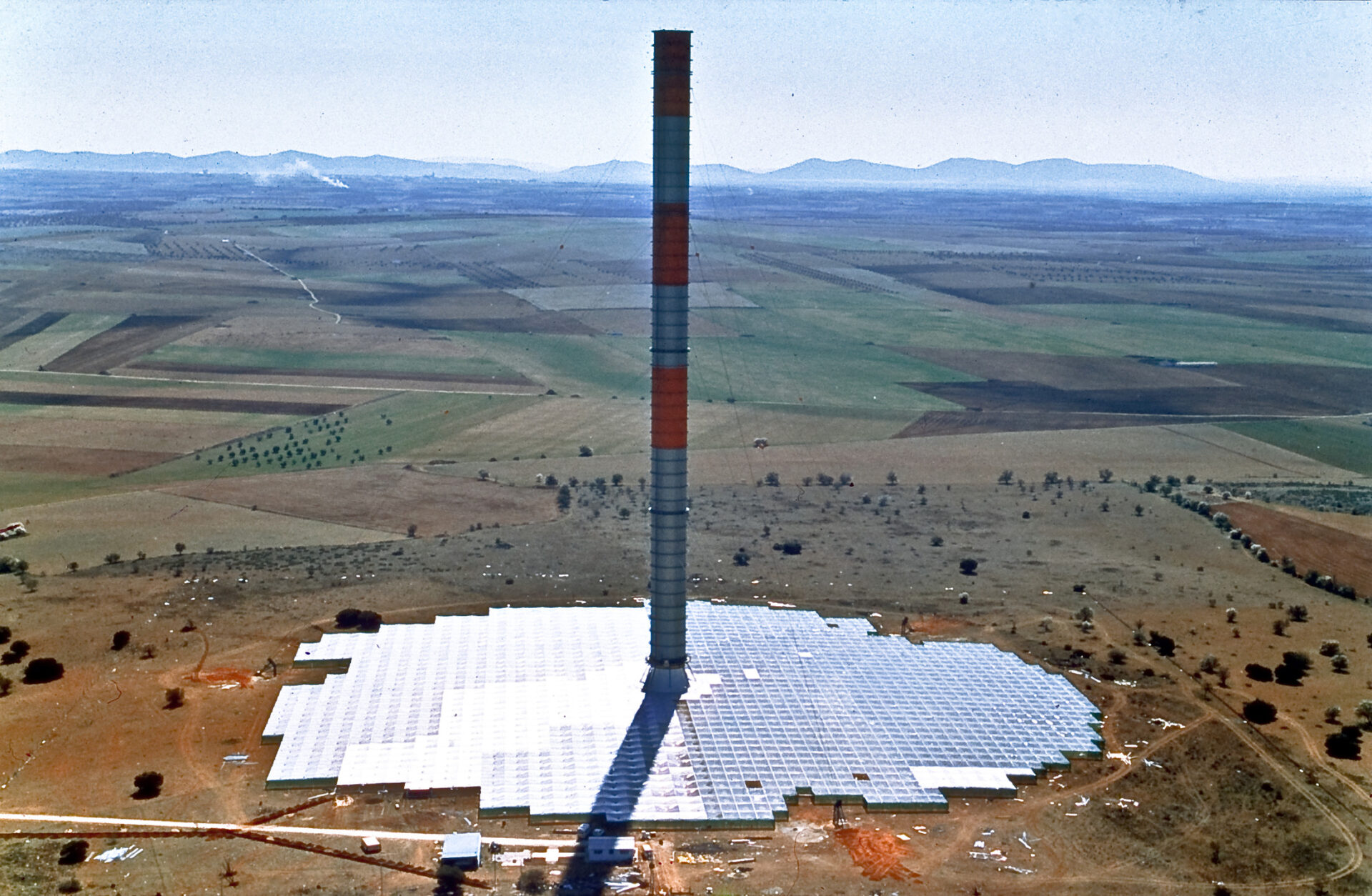
Solar Chimney in Spain Harnessed Sun to Generate Electricity for 7 Years Without Burning Fuel

-
Solar energy reaches 55 GW, becoming the second largest power source in Brazil’s energy mix

-
Solar energy can increase property value by up to 10% and become a selling point.
-
Solar and wind energy surpass natural gas for the first time in the world and accelerate energy revolution



Between 2022 and 2030, solar energy production in deserts is expected to triple the electrical capacity of a country like France, according to official plans. Satellite images confirm the speed of this expansion over the past ten years.
In the Kubuqi Desert, in Ordos, more than 100 km² have already been covered by photovoltaic panels, an area similar to that of Paris or Lisbon.
Challenges Of Operating In The Desert
Despite the grandeur, technical problems arise. Sandstorms can break structures, while high temperatures reduce the efficiency of electricity generation.
Another obstacle is the accumulation of dust on the panels, which requires constant cleaning. In arid regions, the need for water to keep the surfaces operating becomes a challenge.
To mitigate these impacts, the solar fields in Kubuqi have been equipped with self-cleaning fans and bifacial technology, capable of harnessing light reflected off the sand.
Distance From Urban Centers And Risks Of Congestion
A critical point is the distance to consumer cities. Energy must travel long transmission lines to supply regions like Beijing, Tianjin, and Hebei.
This factor creates a risk of “energy traffic jams.” According to David Fishman from the Lantau Group consulting firm, some provinces have already begun to limit the approval of new projects precisely to avoid network overload.
Tourism Grows Around The Panels
At the same time, the deserts have gained a new attraction. Camel rides, ATV trails, and social media videos have turned the area into a tourist hotspot.
Chang Yongfei, a former miner, now drives a 4×4 for tourists. In addition, he invested in chalets with views of the dunes, near the immense solar field.
He acknowledges that the change has brought benefits, but fears that the advancement of the panels may swallow the desert itself and reduce the landscape’s attractiveness.
Coal Still Resists
Despite the shift to clean energy, coal remains active. Data from the Center for Research on Energy and Clean Air (CREA) and Global Energy Monitor (GEM) show that in the first half of 2025, China inaugurated new coal-fired power generation capacities, at an unprecedented level since 2016.
In the surroundings of Kubuqi, the contrast is visible. Packed coal trains, dust-covered trucks, and large smokestacks still make up the scene.
Environmental Issues Raise Debate
Researchers also discuss the climate effects of mega-structures. Zhengyao Lu from Lund University states that large areas covered by dark panels may alter atmospheric flows and even reduce rainfall in neighboring regions.
For him, the solution would be to invest in more localized and planned projects, avoiding indiscriminate occupation.
Even so, he emphasizes that the risks of solar energy are still lower than the impacts of greenhouse gas emissions.
A Future In Transition
The simultaneous presence of coal mines and extensive solar fields summarizes the Chinese moment.
On one hand, the country bets on renewable energy on an unprecedented scale. On the other, it keeps alive its dependence on fossil fuels to sustain its economy.
The contrast shows that the energy transition is underway but is filled with contradictions. Among dunes covered with panels, enchanted tourists, and smoking chimneys, northern China has become a symbol of the choices and dilemmas that will shape the global future.
With information from Folha de São Paulo.




