





 Portuguese
  English
  Spanish
  4 min of reading
  0 comments


The Unexpected Failure Of The Chinese Nuclear Submarine That Mysteriously Sank Delays Beijing’s Ambitious Plans To Consolidate Its Position As One Of The World’s Greatest Naval Powers.
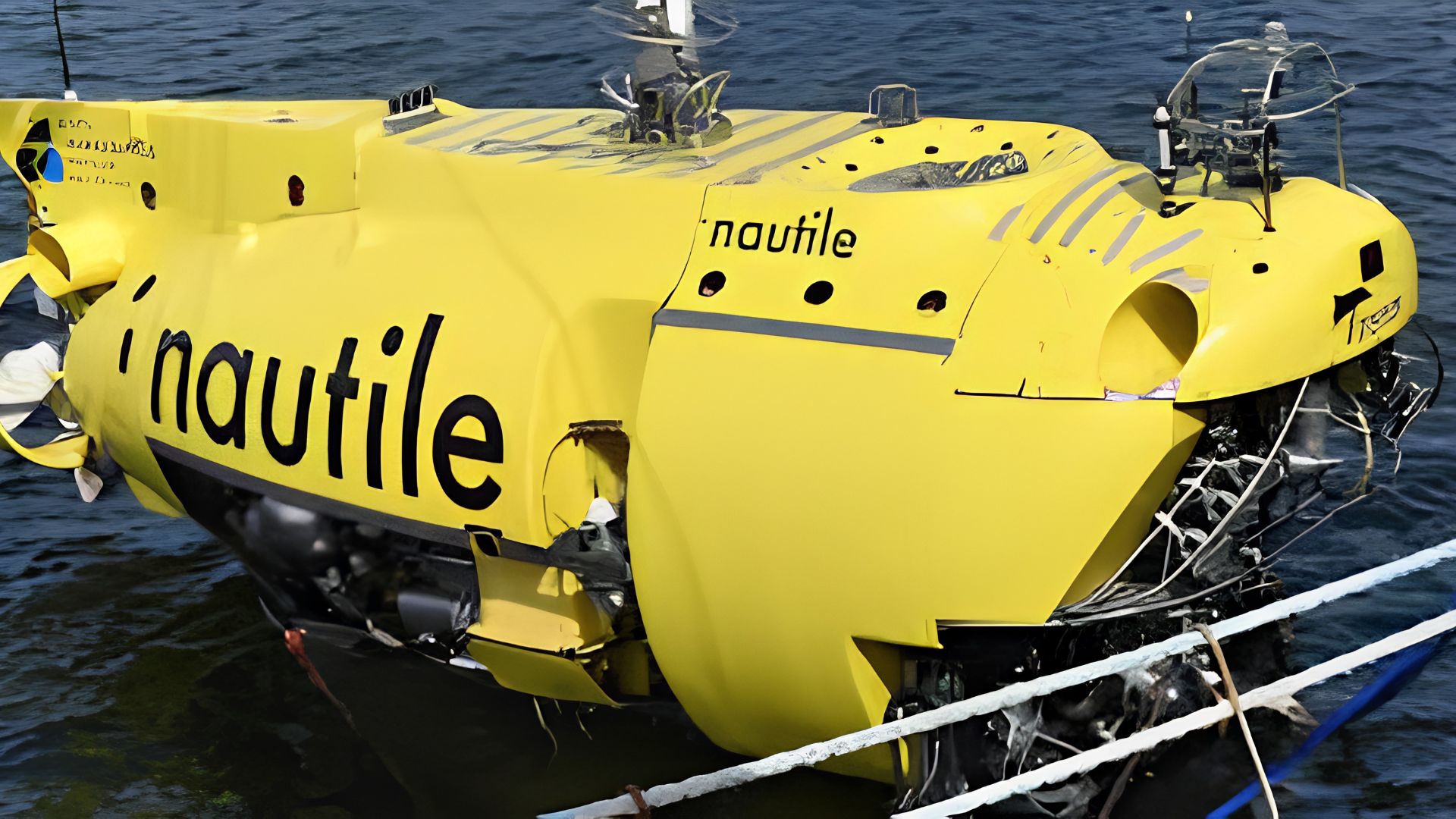
The Chinese navy faces a harsh blow to its ambitions of establishing itself as one of the world’s leading naval powers. The latest Chinese nuclear submarine sank at the end of spring at a shipyard on the outskirts of Wuhan.
This incident involving the Chinese nuclear submarine, which occurred between late May and early June, was kept secret by the Chinese Communist Party, according to the Wall Street Journal. The fact that the submarine was equipped with nuclear fuel is a highly probable scenario, according to experts consulted by the newspaper.
The development of nuclear submarines is one of the most complex and strategic sectors in the naval military landscape.
-
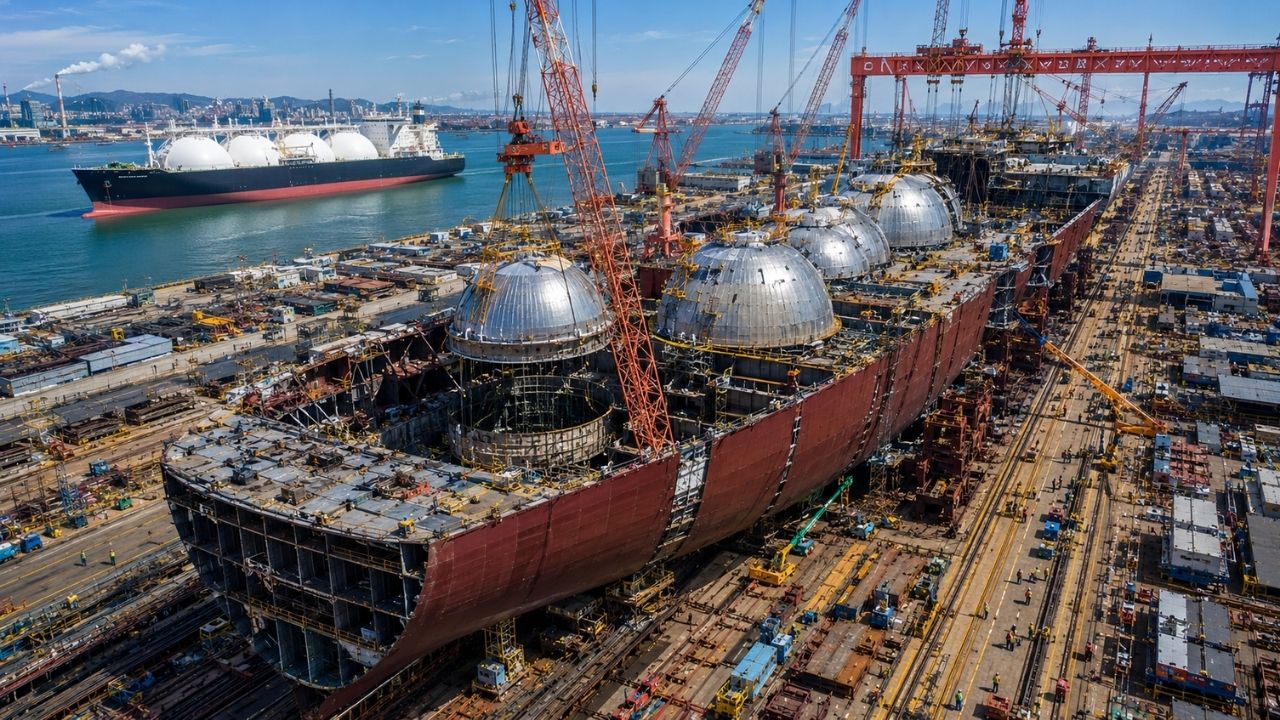
China begins construction of the world’s largest LNG ship, a 344-meter giant capable of supplying 4.7 million homes for a month, carrying 271,000 m³ of gas, and placing QatarEnergy in the largest naval order ever recorded in world history.

-
China is designing a container ship with a thorium nuclear reactor that will operate for 40 years without refueling, and the 25,000-container giant from Jiangnan Shipyard will cross oceans without emitting carbon in an industry that burns 300 million tons of fuel per year.

-
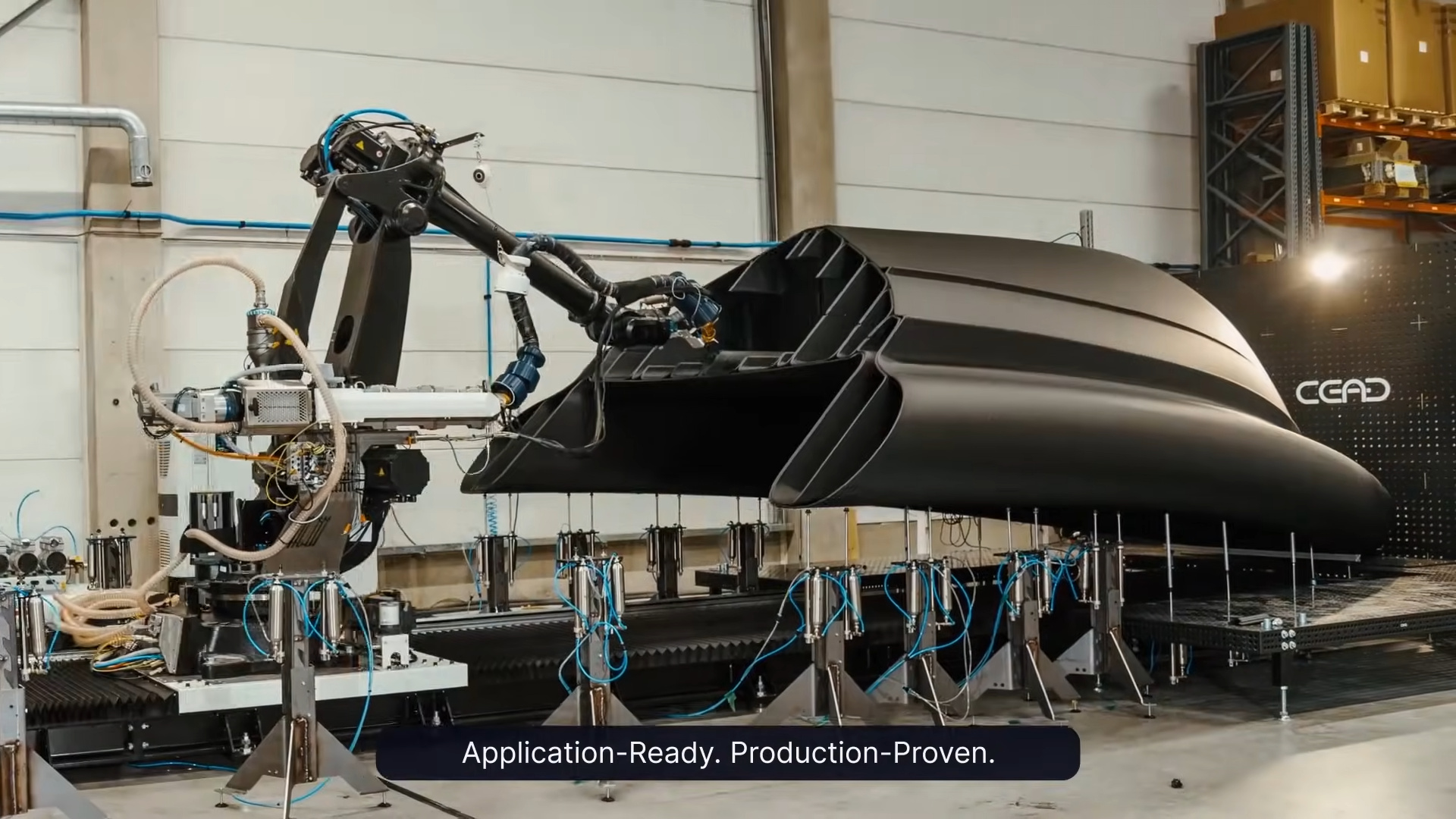
An entire boat came out of the 3D printer without a mold and without seams: CEAD’s giant robot creates hulls up to 12 meters in a single piece, replacing months of shipyard work with code and putting shipbuilding on the brink of a turning point that seems like science fiction.
-
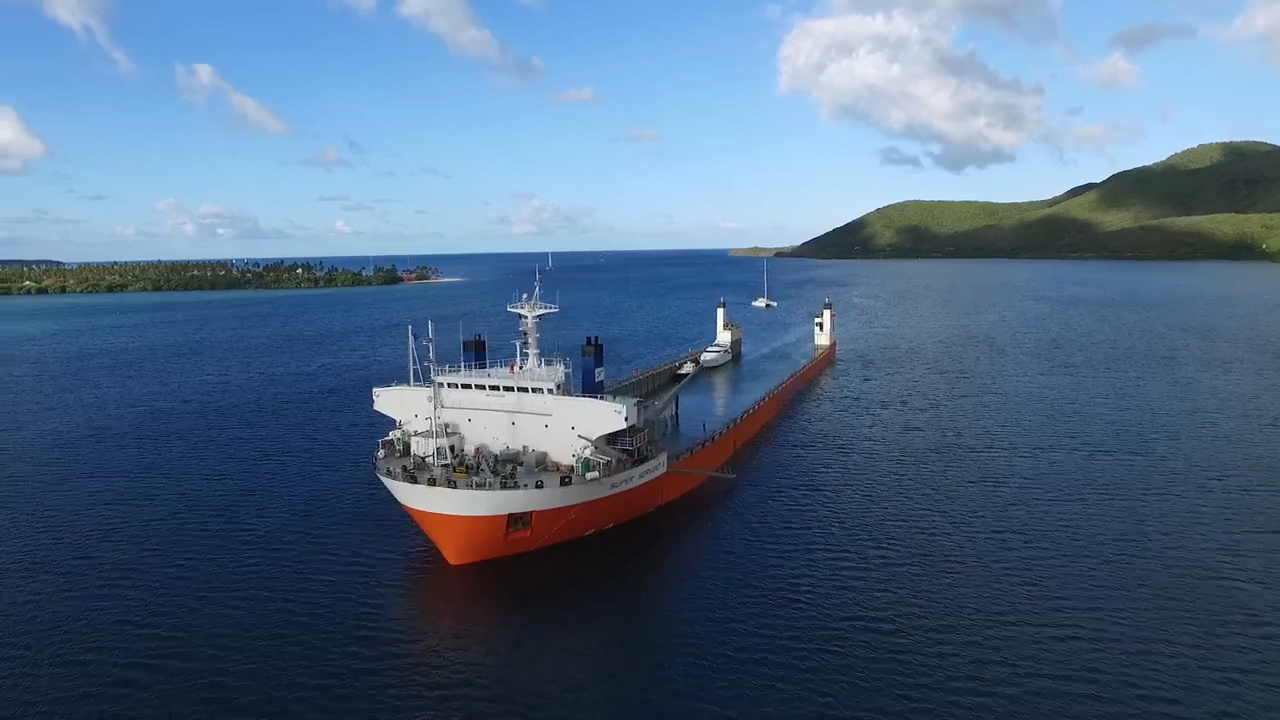
The “dock ship” that deliberately sinks to swallow superyachts like toys: Yacht Servant is 214 meters long, 46 meters wide, has a 6,380 m² deck, and uses float-on/float-off operation to transform maritime luxury into a semi-submersible parking lot.

Although China has invested billions of euros in recent years to narrow the technological gap between its navy and that of the United States, the sinking of this submarine reveals the challenges faced by Beijing.
Currently, the U.S. still maintains a considerable advantage in this field, something that China is trying to reverse as the political situation in Taiwan worsens.
The Pentagon considers China the primary long-term challenge, especially due to the increasingly assertive stance of the Asian nation regarding Taiwan.
One of the most evident signs of this shift is the accelerated growth of the Chinese naval fleet, which seeks to achieve maritime superiority in a potential confrontation with the United States and its allies in the Taiwan Strait.
The Shift In Focus Of The Chinese Navy
For decades, the People’s Liberation Army, the official name of the Chinese Armed Forces, prioritized the development of the army and air force to protect its vast territory. However, with the economic growth of the country, China started to broaden its horizons, investing in the modernization of the navy and increasing its naval capacity beyond its borders.
In 2023, China’s capacity to produce warships was about 200 times greater than that of the United States, according to information from U.S. naval services.
To achieve these impressive numbers, the Chinese government has diversified its shipyards, relocating part of the nuclear submarine production from Huludao to the Wuchang shipyard in Wuhan as part of a broader strategy to rapidly increase its fleet.
According to Pentagon reports, by the end of 2022, China had 48 attack submarines and six nuclear submarines in its fleet, aiming to achieve naval superiority in a potential confrontation over the Taiwan Strait.
The Zhou-Class Submarine
The submarine that sank was part of the new Zhou Class, a recent model of Chinese nuclear submarines. Satellite images captured before the incident show the vessel at a dock, in the final stages of preparation, just before it was launched into the sea at the end of May.
However, in early June, the same images show floating cranes attempting to recover something from the bottom of the Yangtze River, indicating the sinking.
Experts believe that the incident could significantly delay China’s plans to expand its nuclear fleet. Brent Sadler, a researcher at the Heritage Foundation and former U.S. nuclear submarine officer, highlighted the severity of the event, stating that it will certainly compromise Chinese efforts in the short term. However, China has historical examples of how to handle such types of failures.
It Was Not Just The Chinese Nuclear Submarine
The sinking of submarines during the development of a fleet is not new. The United States faced a similar incident in 1969 when the nuclear submarine USS Guitarro sank in California during its construction. Like the Chinese submarine, the Guitarro was rescued, refurbished, and launched into the sea 32 months later.
While the U.S. case demonstrates that it is possible to recover a submarine after an accident of this magnitude, the Chinese episode highlights the complexities and risks involved in advancing naval military technology.
For China, the incident certainly represents a setback in its plans to rival American naval supremacy, but it is not an insurmountable challenge. The next steps will be crucial in determining the real impact of this event on Beijing’s military and strategic efforts.







Be the first to react!