






 Portuguese
  Spanish
  3 min of reading
  0 comments


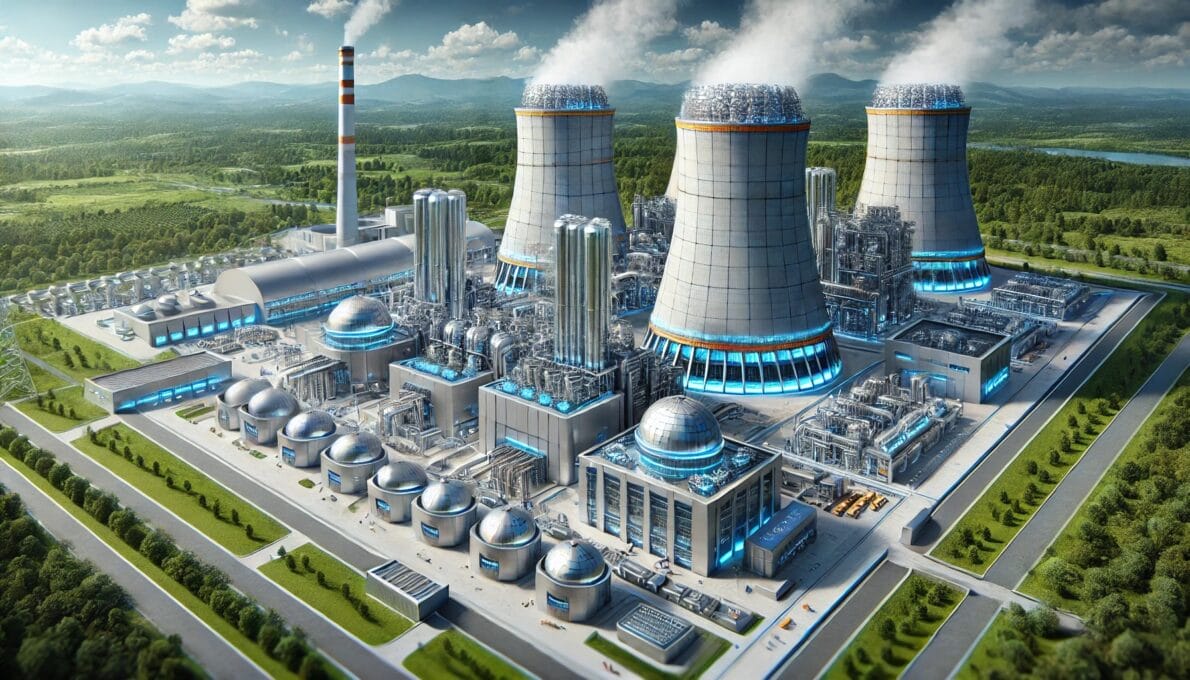
New Chinese Nuclear Power Plant to Be Built in 2025 and Promises to Revolutionize the Energy Sector. The Molten Salt Nuclear Plant Will Use Thorium as Its Main Fuel and Will Have a Power Output of 60 MW.
China is preparing to begin the installation of its first molten salt nuclear power plant using thorium as fuel, located in the Gobi Desert. Set to start next year, this innovative reactor does not require water for cooling, utilizing liquid salt and carbon dioxide to transfer heat and generate electricity. This pioneering project promises to revolutionize nuclear energy generation, offering a safer and more efficient solution for electricity production in remote areas.
New Chinese Nuclear Power Plant Will Have a Power Output of 60 MW
The use of thorium instead of uranium alleviates concerns about uranium scarcity, as thorium is more abundant. The reactor is expected to be completed and operational by 2029, generating up to 60 megawatts of thermal power.
Some of this thermal energy will be used to drive a 10 MW power unit and the remainder to produce hydrogen by splitting water molecules at high temperature. The new molten salt nuclear plant project will be led by the Shanghai Institute of Applied Physics, part of the Chinese Academy of Sciences.
-
American company drills a 1,830-meter hole in Kansas using oil well technology, places a nuclear reactor inside, and claims it will generate electricity without any cooling tower.

-
Canada invests more than 2 billion dollars to upgrade an old nuclear laboratory and try to rival the world’s major atomic energy powers.
-
Nuclear company backed by Bill Gates partners with Hyundai for next-generation 345 MW nuclear reactor

-
Russia is sailing all 8 nuclear icebreakers of its fleet simultaneously for the first time in history, as the Arctic freezes two weeks earlier than expected.


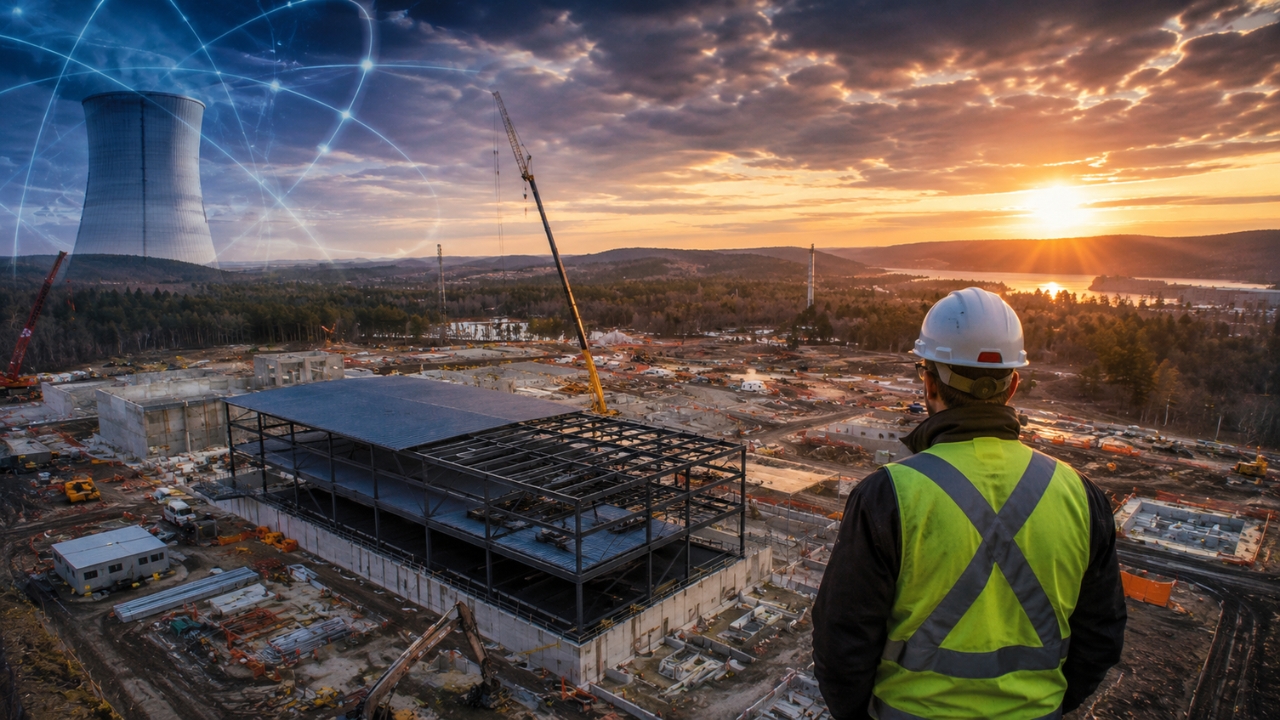


The Chinese nuclear power plant has been classified as small-scale and will boost the development of various advanced materials technologies and equipment manufacturing, in addition to contributing to China’s energy independence.
Currently, the only operational thorium reactor is located in the Gobi Desert and can only generate up to 2MW of thermal power without producing electricity. This experimental reactor has served as a basis for the creation of larger reactors and power generators.
New Chinese Nuclear Power Plant Will Also Feature Several Other Facilities
The new molten salt thorium power plant has potential military applications due to its compact structure and safety, such as powering ships and submarines. The new nuclear power plant will be built west of the experimental reactor, occupying an area smaller than a football field.
The molten salt carrying thorium enters the reactor core to initiate the chain reaction and, after temperature increases, transfers heat to non-radioactive molten salt in a separate cycle, which then generates electricity. The project also includes several other facilities, such as a research center and a spent fuel processing plant, with over 80% of the material being recycled.
The radioactive waste will be solidified in glass and transported to a deep disposal site in the Gobi Desert. Traditional uranium reactors that use water for cooling pose explosion risks if the pumps fail, but in the thorium reactor, the molten salt can be safely contained in a vessel below the reactor. The plant that will use thorium as fuel will operate with renewable sources such as wind and solar power to generate clean and stable energy.
What Is the Main Goal of the New Chinese Nuclear Power Plant?
The new plant will primarily be used for research purposes, servicing scientists, but will also include a wind power base, a solar power station, a salt fusion energy storage plant, a solar energy storage plant, a thermal power plant, and a chemical production base. All different types of energy will be integrated into a smart grid to provide stable, low-cost, and low-carbon electricity.
Starting in 2030, China will begin to construct commercial modular thorium reactors with electricity generation capacities of 100 MW or more.
Recently, Chinese shipbuilders also revealed the world’s first design for a giant container ship powered by a molten salt reactor, which could start a new revolution in human logistics.




-

1 person reacted to this.