






 Portuguese
  Spanish


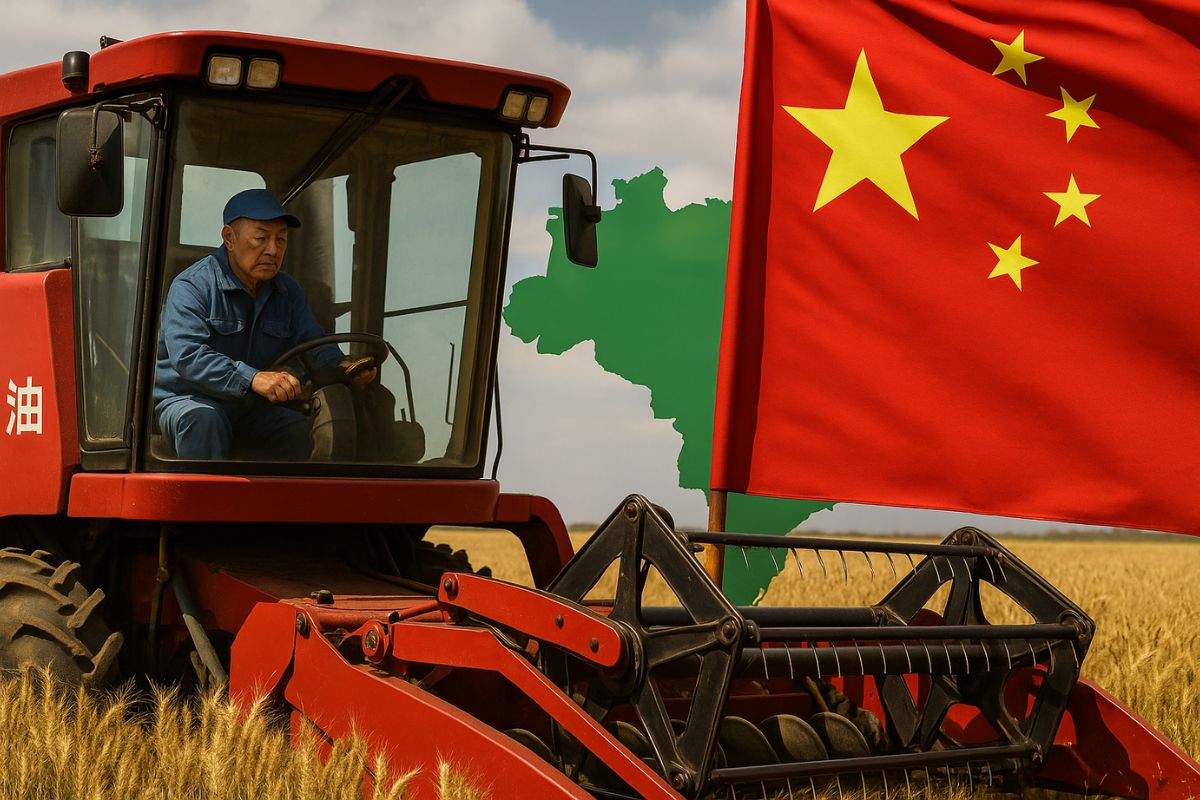


Projects in Maricá (RJ), Mossoró (RN), Brasília, and Rio Grande do Norte Mark the Transfer of Chinese Technology and Strengthen the Mechanization of Brazilian Family Agriculture.
The China has taken another step in its strategic presence in the Brazilian agribusiness sector. The Minister of Agrarian Development and Family Agriculture, Paulo Teixeira, announced after a meeting with Chinese Ambassador Zhu Qingqiao that the Asian country has already installed agricultural machinery testing fields in Rio Grande do Norte and Brasília and is preparing to build factories in Maricá (RJ) and Mossoró (RN). The initiative directly targets family agriculture, which is responsible for over 70% of the food consumed in Brazil.
According to the portal poder360, the project combines Chinese food imports with industrial cooperation, creating opportunities for small Brazilian producers to access cheaper and locally adapted equipment.
For the government, this is a long-term strategy to strengthen food sovereignty and enhance productive inclusion in rural areas.
-
Brazilian Agribusiness Sets Record with $169 Billion in Exports in 2025

-
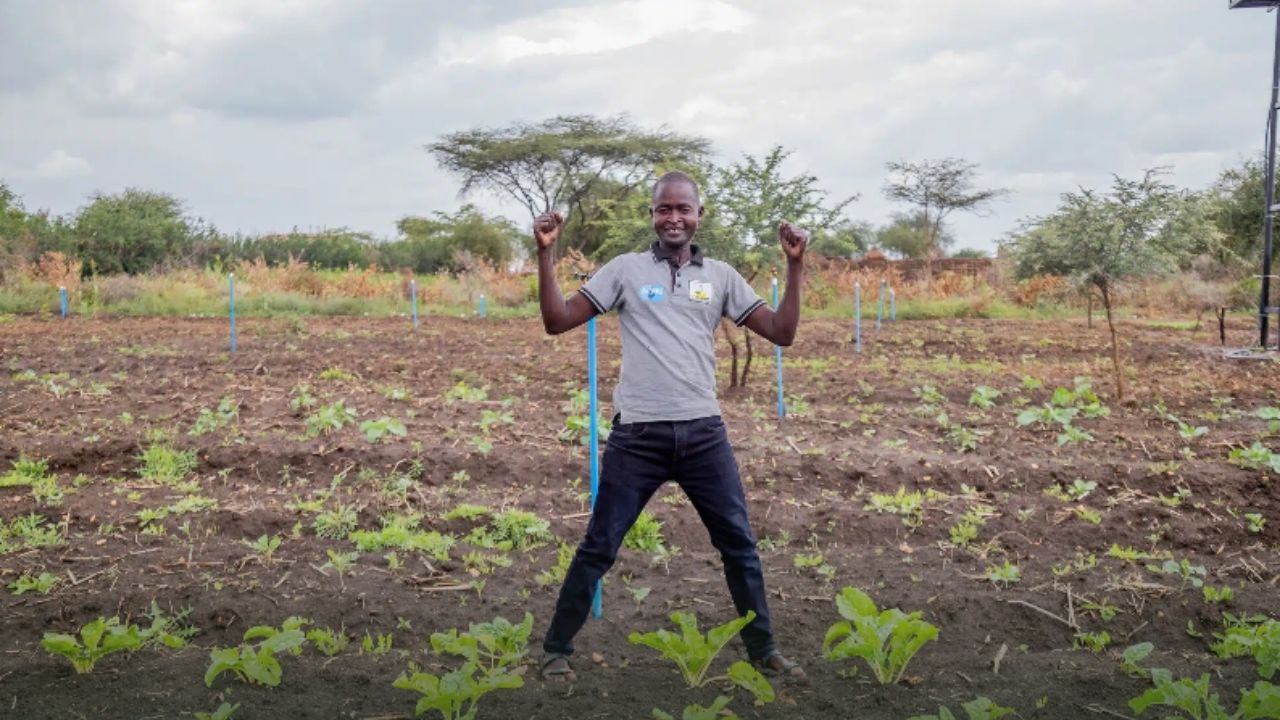
Solar-powered irrigation transforms agriculture, boosts family income, and enhances food security in Uganda.

-
Brazil Supplies 70% of the World’s Orange Juice, Prices Double Due to Pest Outbreak

-
Brazilian Scientists Develop World’s First Tropical Wheat for Biscuit Production, Yielding Up to 150 Bags per Hectare and Highly Resistant to Common Crop Disease




Testing Fields Adapt Technology to Brazilian Soil
According to Ambassador Zhu Qingqiao, two testing fields are already operational in the country: one in Rio Grande do Norte and another in the Federal District.
The goal is to adjust Chinese equipment to the characteristics of the soil, climate, and production model in Brazil.
Additionally, a service field in Londrina (PR) will be created to support the development, maintenance, and training of farmers in the use of the machines.
The city was chosen for its tradition in agricultural research and strong university presence in the agronomy sector.
Factories in Maricá and Mossoró
The partnership also foresees the installation of two agricultural machinery factories. In Maricá (RJ), the proximity to industrial centers and logistical routes in the Southeast facilitates equipment distribution.
In Mossoró (RN), the relevance of irrigated agriculture in the northeastern semi-arid region justified its choice as a production hub.
These industrial units have the potential to create direct and indirect jobs, reduce import costs, and stimulate the transfer of technology from China to Brazil.
For small farmers, the expectation is for access to cheaper, robust, and suitable machines for family agriculture needs.
Change in the Profile of Brazil-China Relations
Traditionally focused on commodities such as soy, corn, and meat, the bilateral relationship is entering a new phase.
Chinese investment in agricultural machinery aimed at family agriculture broadens the scope of cooperation and signals that Beijing seeks an active role not only as a buyer but also as a partner in the technological development of the Brazilian rural sector.
For Brazil, the strategy could mean greater mechanization of small properties, increased productivity, and reduced regional inequalities in rural areas.
This measure also reinforces public policies to support family agriculture, a central pillar of food production in the country.
Do you believe that China’s entry into the production of agricultural machinery in Brazil strengthens family agriculture or increases external dependence?
Leave your opinion in the comments.


Tecnologia chinesa seja bem vinda o Brasil precisa.
A cada dia mais e mais vamos se tornando reféns da abrupta política suja de De um governo de esquerda muito sujo.
Falta de racionalidade crítica ou não leu direito a reportagem? Fala em transferência de tecnologia e não apenas em vender máquinas aqui. Está tão arraigado o preconceito de direita/esquerda que não se consegue ver o lado bom das coisas, sendo ela de direita ou esquerda.