Portuguese
  Spanish


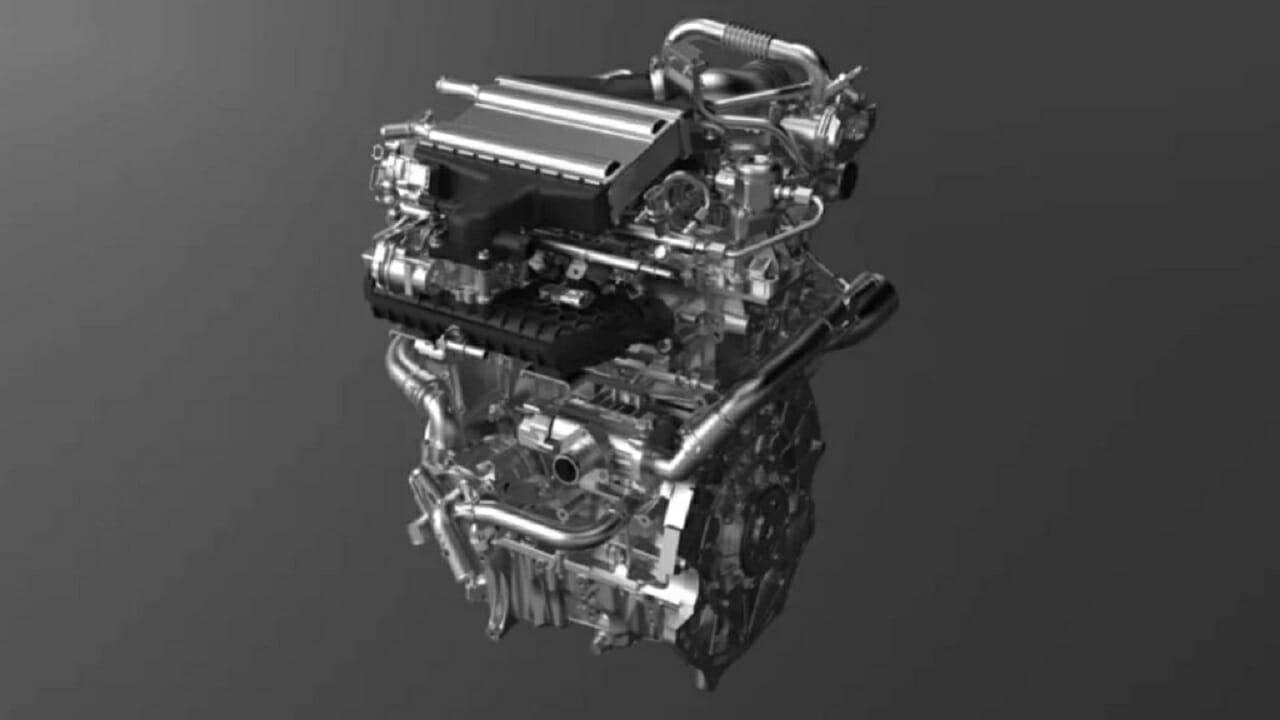

GAC, In Partnership With Toyota, Developed A Fertilizer-Powered Engine For Passenger Cars That Promises To Replace Electric Cars.
The chances for the production of a new combustion engine in passenger cars are increasing with the energy transition. In addition to developments like hydrogen and synthetic fuels, a new attempt is emerging, as the Chinese car manufacturer Guangzhou Automobile (GAC), in partnership with Toyota, recently revealed a prototype of a combustion engine powered by liquid ammonia, which could potentially replace electric cars in the future.
GAC And Toyota Fertilizer-Powered Engine Will Feature 161 Horsepower
The fertilizer-powered engine project is being developed in partnership with Japanese Toyota and is inspired by the maritime and transportation industries, which actively explore ammonia as an alternative to diesel for use in ships, trucks, and vessels for goods transportation, aiming to provide an alternative energy source to hydrogen and electricity.
According to Qi, Hongzhong, an engineer at GAC’s Research and Development center in Guangzhou, the company has overcome the issue of ammonia being difficult to burn quickly and has made the fuel usable in the passenger car industry.
-
Workshop Converts Giant Tractor Tire Tricycle into a Three-Wheel Drive Hybrid with 36,000-Watt Electric Motor Capable of Climbing Hills

-
Sales of Brazil’s Cheapest Electric Car Halted Before First Deliveries: E-Motors Suspends Emova Easy Due to Import Tax Increase and Rising Freight Costs

-
Nissan Discontinues Qashqai SUV Amid Cost-Cutting, Chinese Competition, and Product Line Review

-
BYD Patents Revolutionary System Using Computer Vision to Detect Animals Under Cars Before Starting, Preventing Tragedies



Thus, it is worth anticipating its value for society and commercial uses, being an alternative to electric cars. Although this is not the first fertilizer-powered engine using ammonia as fuel, it is the first proposed for use in passenger vehicles. The prototype is a 2.0L 4-cylinder unit producing 161 horsepower with an alleged 90% reduction in pollutant gas emissions compared to traditional gasoline, according to GAC itself.
Advantages And Disadvantages Of Liquid Ammonia
During the presentation of the fertilizer-powered engine, GAC claims to have overcome the problems with burning ammonia, including excessive nitrogen emissions, by increasing combustion pressure compared to traditional gasoline engines.
Environmentally speaking, it cannot be denied that liquid ammonia is toxic; however, it gains an advantage as it burns completely free of carbon emissions, CO2 and hydrocarbons. The disadvantage lies in the high nitrogen emissions, a problem that GAC and Toyota claim to have already solved. Liquid ammonia has half the energy density compared to gasoline.
However, it is claimed that the common method of producing ammonia requires a lot of energy, although more efficient methods that utilize renewable energy sources to generate fuel are increasingly present in the market.
This is yet another attempt to keep combustion engines alive in a world where electric cars and hydrogen fuel cells present themselves as environmentally viable solutions, at least in the passenger car segment.
Iveco Group Is Developing A New Revolutionary Engine
In December of last year, FPT, from the Iveco Group, announced the development of a new diesel engine FC1, which equips the Iveco Daily, operating with various energy sources such as ethanol, biogas, and even green hydrogen.
Focusing on multi-energy, the company has partnered with several Brazilian universities, such as São Paulo State University (UNESP), Federal University of Pará (UFPA), Federal University of Itajubá (UNIFEI), and MAHLE Metal Leve, for the development of F1 Series engines to use cleaner fuels with a greater production potential in Brazil. In the next three years, the FPT F1C Bi-Fuel engine will be tested by the institutions using ethanol.