






 Portuguese
  Spanish





Brazilian Scientists Develop Innovative Technique to Treat One of the Most Common Diseases in the Country! Understand How Breast Cancer Freezing Can Revolutionize Medicine and Save Lives.
Brazilian scientists from the Federal University of São Paulo (Unifesp) performed, for the first time in a Brazilian public hospital, a minimally invasive procedure called cryoablation to treat breast cancer – freezing breast cancer. The technique involves inserting a thin needle into the affected area, through which liquid nitrogen at approximately -140ºC is applied, forming a ice sphere that destroys tumor cells. The procedure is performed in an outpatient setting, with local anesthesia, allowing patients to return home the same day, with no need for hospitalization or prolonged recovery.
In initial studies, cryoablation demonstrated 100% efficacy in patients with tumors up to 2 cm. Currently, the technique is in the research phase and is not yet widely available in the Unified Health System (SUS). Researchers hope that, with increased usage, the cost of the procedure will decrease, making it more accessible to a larger number of patients.
More Than 700 Patients Participate in Brazilian Scientists’ Research
In the initial study, cryoablation was performed after surgery. This stage of Brazilian scientists’ research involved 60 patients and achieved 100% efficacy for tumors smaller than 2 centimeters. The study is now comparing a group of patients who underwent the procedure without the need for an operation with another group undergoing traditional surgery.
-
Queen Guitarist Brian May Collaborates with ESA Scientists to Study Asteroids Bennu and Ryugu Using 3D Simulations

-
Largest Known Single-Piece Meteorite, Weighing 60 Tons, Puzzles Scientists with Its Intact Fall and Lack of Visible Crater

-
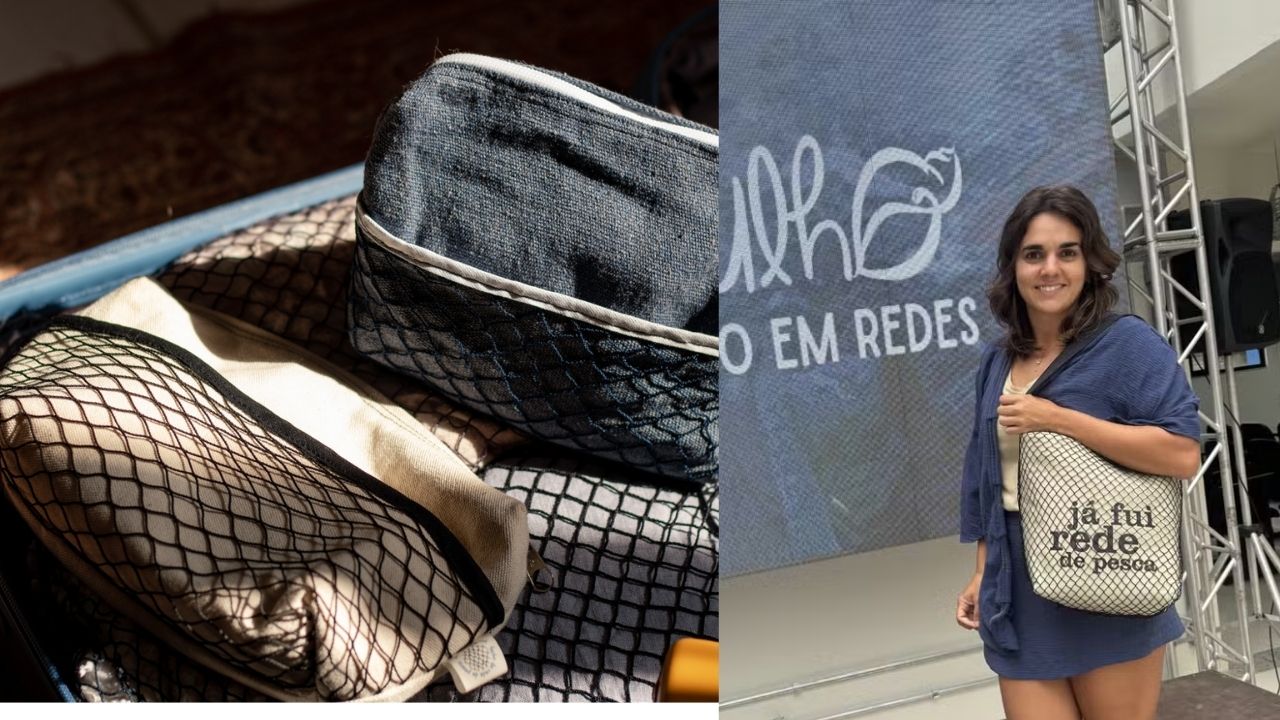
Oceanographer Turns Abandoned Fishing Nets from Brazilian Waters into Bags, Creating Jobs and Earning Over $7,000 Monthly

-
Australia deploys poisoned sausages and uses traps, shooting, and fences in a battle against invasive cats that kill over 1.5 billion native animals annually, threatening more than 200 species.




In this phase, more than 700 patients are participating in the breast cancer freezing research at 15 health centers in the State of São Paulo, according to professor Vanessa Sanvido from the Paulista School of Medicine (EPM) at Unifesp. On the last 13th, for the first time in a Brazilian hospital, EPM/Unifesp professors performed cryoablation for breast cancer treatment.
The breast cancer freezing procedure was performed at the Diagnostic Unit of the Mastology Outpatient Clinic of Hospital São Paulo (HSP/HU Unifesp).
This was the first research protocol that utilized this technique for treating the disease in Latin America. During the procedure, Brazilian scientists conducted three cycles of 10 minutes, alternating between freezing and thawing the breast tumor.
Anvisa Approves Technique by Brazilian Scientists
According to professor Afonso Nazário from EPM/Unifesp, liquid nitrogen was inserted through a needle at a temperature of approximately -140°C into the affected area, forming an ice sphere that performs the breast cancer freezing. The incision left by the needle is equal to or smaller than the biopsy performed by the patient.
The procedure can be conducted in an outpatient setting, with no need for hospitalization, using local anesthesia. According to the professors, it is a painless technique, with high precision and relatively quick. This technique has already been approved by the National Health Surveillance Agency (Anvisa) in Brazil; however, it is not yet included in the National Supplementary Health Agency (ANS) list for breast cancer treatment.
The procedure conducted by Brazilian scientists at HSP/HU Unifesp is experimental and marks the continuation of professor Sanvido’s postdoctoral research.
According to Nazário, the needles used in the procedure are very expensive. Brazilian scientists are optimistic that everything will go well and that the procedure may, in the future, be included in the Unified Health System. With the increased use of breast cancer freezing, it is believed that the cost of the needle will decrease and become more accessible. Their goal is to reduce the SUS waiting list by 20 to 30% for patients.
Understand the Importance of the Scientists’ Technique
Breast cancer is the most common type of cancer among women, not only in Brazil but worldwide, after non-melanoma skin cancer. Breast cancer currently accounts for about 28% of new cancer cases in women.
Breast cancer also occurs in men; however, it is rare, representing less than 1% of the total cases of the disease. Relatively rare at 35 years of age, its incidence increases progressively above this age, especially after 50 years.
Source: Federal Government


