Portuguese
  Spanish



Pioneering Initiative Combines Sustainability, Innovation, and Income Generation for Local Farmers
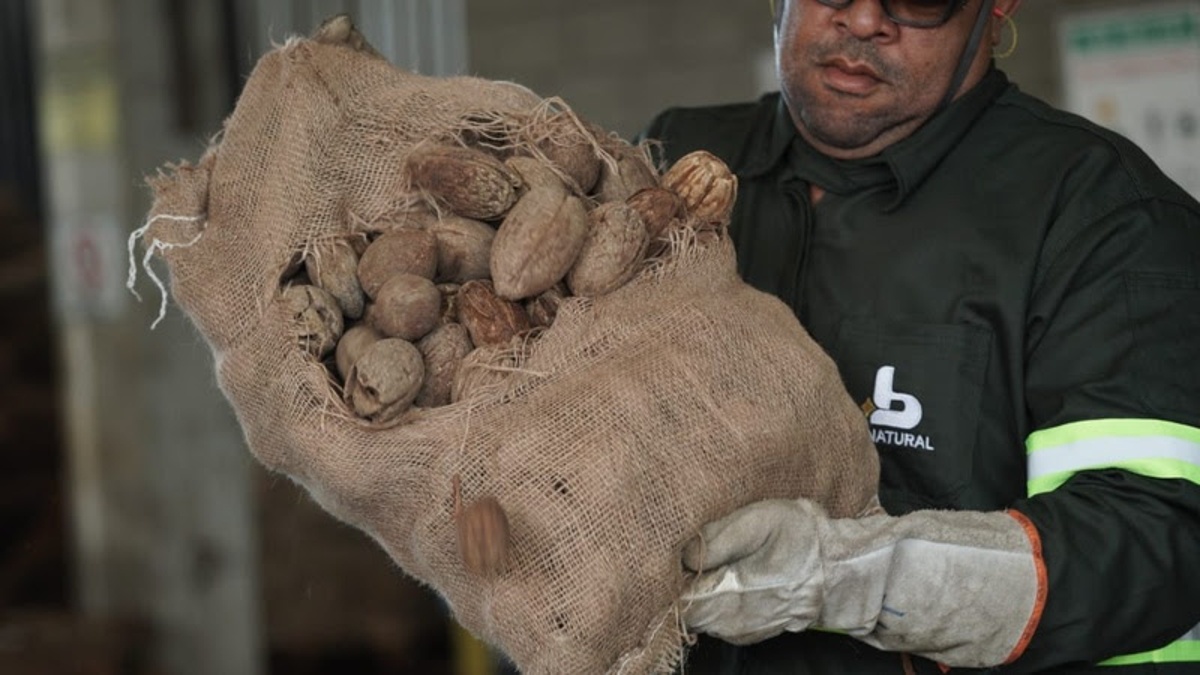
Binatural, a Brazilian company specializing in biodiesel production since 2006, introduced an unprecedented initiative in its unit in Simões Filho (BA) in December 2024.
The company began using piassava coconut as biomass to fuel industrial boilers, replacing firewood and directly strengthening local family farming.
Sustainability and Direct Impact on Families
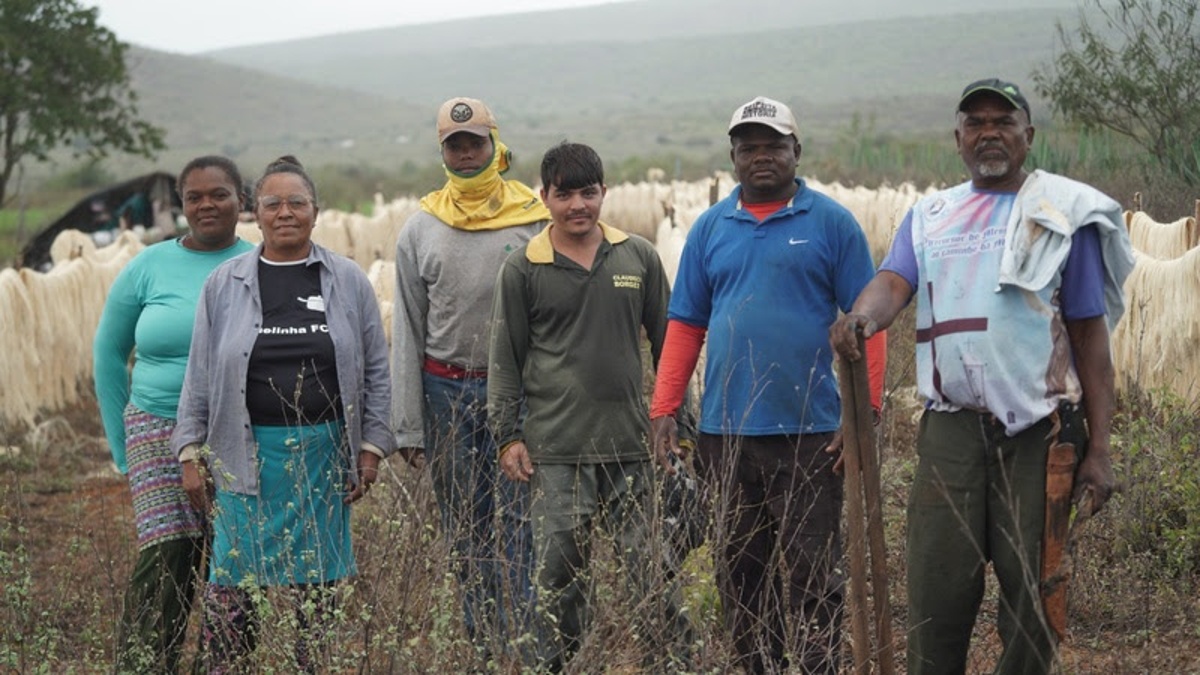
According to data released by the company and confirmed by its CEO, André Lavor, the action benefits 100 farming families in the region.
-
US$ 7 billion, green hydrogen, and steel with up to 95% less CO₂: the first green steel plant on the planet emerges in Sweden and targets Brazil as the next chapter

-
Swedes manage to create synthetic fuel with CO₂, water, and renewable energy, compatible with current engines, but face a huge problem: the energy expenditure is still double the return.
-
Brazil begins to transform wheat, residues, sweet potatoes, and soy molasses into ethanol, in a new phase of biofuels that seeks to utilize leftovers from the field and industry to fuel flex-fuel cars.

-
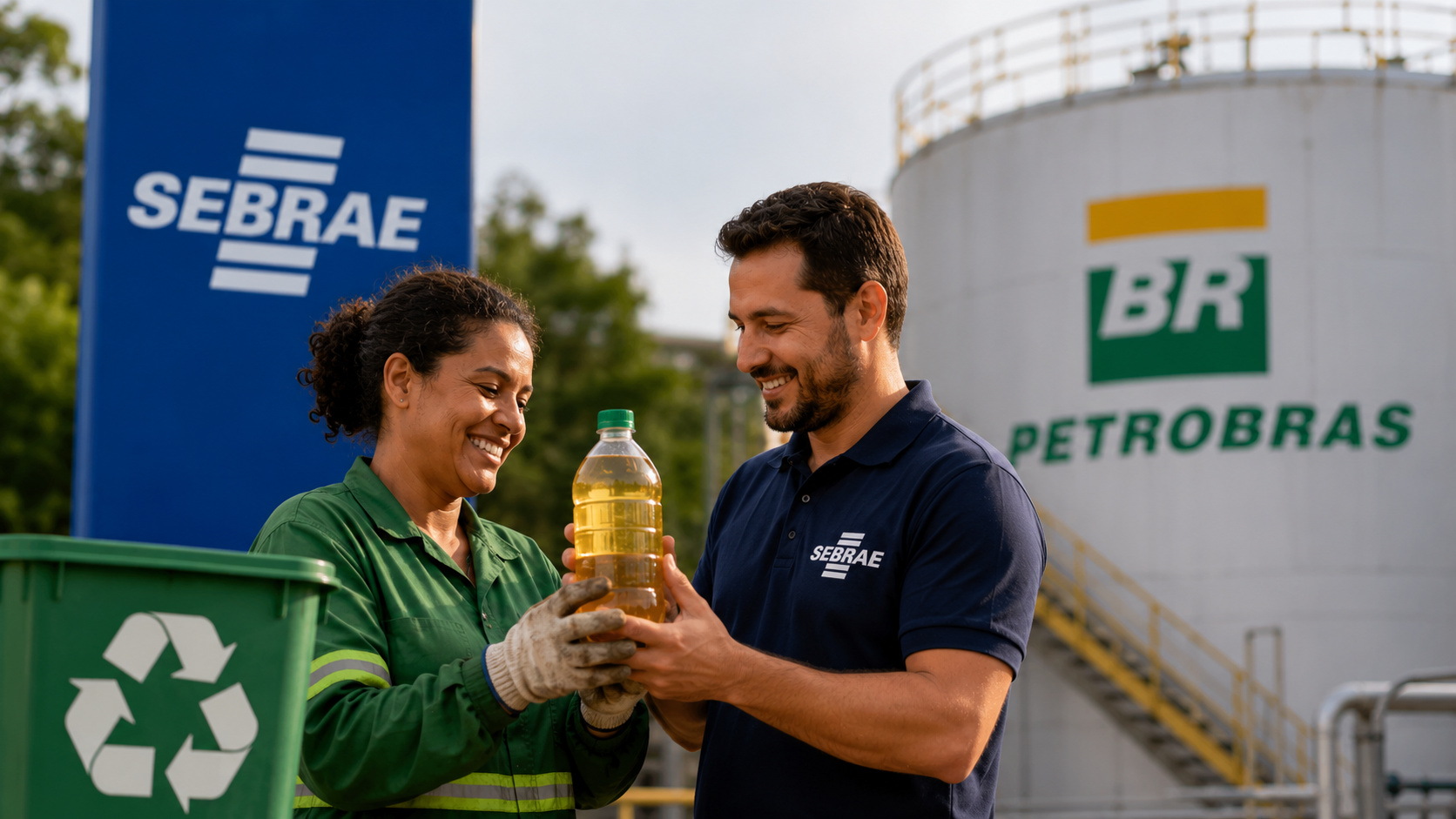
Sebrae and Petrobras join forces in Ceará to include waste pickers in the circular economy and strengthen the biofuel chain, creating new income opportunities and expanding the sustainable use of waste with a direct impact on regional development.




Through a partnership with Coopafbasul, Binatural ensures the annual purchase of 200 tons of piassava coconut, an investment totaling R$ 562,000.
In addition to ensuring stable income, the measure prevents raw material waste and expands the reach of the circular economy.
Furthermore, local piassava production exceeds regional demand. Thus, the absorption of surplus by the company ensures that no product goes to waste.

Energy Efficiency and Emission Reduction
The first tests, conducted in December 2024, indicated that piassava coconut has high calorific power, which improved boiler efficiency.
As a result, there was a reduction in operational costs and also a decrease in the carbon footprint of the unit.
The impact is not limited to energy. The production of jute bags, carried out by the cooperative, adds value and drives community entrepreneurship.
Family Farming and Agroecological Practices
The cultivation of piassava coconut by partner farmers follows agroecological practices recognized by specialists.
Among them, the following stand out:
- Agroforestry systems, which integrate trees and crops in harmony.
- Maintenance of native vegetation, essential for conserving biodiversity.
- Vegetative cover (mulching), a technique that reduces erosion, preserves moisture, and naturally combats invasive plants.
These practices reinforce the connection between industrial innovation and environmental preservation. They bring family farming closer to the agenda of sustainable energy transition in Brazil.
Industrial Pioneering in the Biofuels Sector
Although there are academic studies on the use of piassava coconut as an energy source, there was no record of its application on an industrial scale until now.
Therefore, Binatural positions itself as a pioneer in Brazil in this endeavor, consolidating its leadership position in the biodiesel segment.
This action is part of other company initiatives, such as the use of baru seed shells for thermal generation.
Additionally, it includes the reuse of used cooking oil (UCO) as a biodiesel feedstock.
With this, the company demonstrates how the biofuels industry can be a driver of social and environmental transformation.
National Presence and Environmental Commitment
Operating since 2006, Binatural distributes biodiesel, glycerin, fatty acids, and soapstock to all regions of the country.
Part of the glycerin is even exported to various international markets.
Under the slogan “Good Energy”, the company maintains the purpose of developing a sustainable business, reducing pollutant emissions, and generating positive social impact.
Thus, the adoption of piassava coconut in its operations symbolizes more than technical innovation.
It represents the union between family farming, environmental responsibility, and regional economic development.