Portuguese
  Spanish



Government And Private Sector Bet On Borborema Province To Activate New Gold And Strategic Minerals Mines By 2025
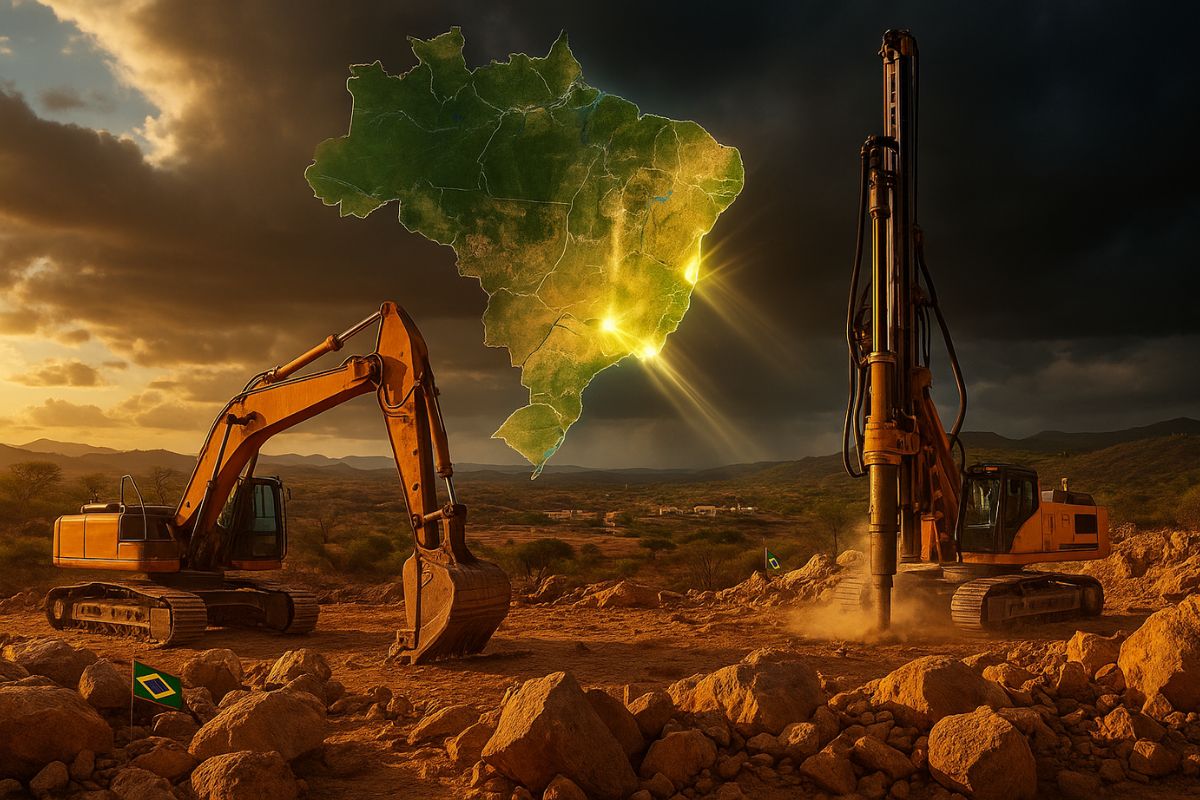
The Brazil aims to create active mines in the Northeast as part of a mineral expansion strategy focused on job creation and regional development. The main focus is the Borborema Province, one of the most promising geological areas in the country, covering parts of Ceará, Rio Grande do Norte, Paraíba, Pernambuco, Alagoas, and Sergipe.
According to data from the Geological Survey of Brazil (SGB), the region hosts valuable deposits of gold, tungsten, tantalum, and rare earths, essential for the energy transition and the global industry. With increasing investments and new discoveries by 2025, mining is beginning to change the economic landscape of the semi-arid Northeast.
Untapped Mineral Potential And New Discoveries

The Brazil aims to create active mines in the Northeast to leverage a province of over 380,000 km² with a geological structure rich in quartz veins containing gold and metallic minerals. Between 2022 and 2024 alone, over 480 deposits were mapped in areas such as Caicó, Jucurutu, and São Fernando (RN). The prospectivity map released by the SGB in March 2025 shows that 62% of these occurrences are in high-potential zones.
-
China could reduce iron ore imports from 80% to 50% of consumption by 2030, while its share in global steel production falls from 52% to 46%, in a shift that could reshape the global market, says CMRG.

-
Brazil is sitting on one of the largest lithium reserves in the world, in the Jequitinhonha Valley, but national mining has almost become an appendage of China: 97% of the metal’s export goes to a single country, which also dominates refining.
-
Iron ore falls to 762 yuan in China as real estate sales decline and steel production hits lowest level since 2018
-
Brazil has minerals, clean energy, and a waiting market, but it could miss a billion-dollar opportunity if it doesn’t speed up the race for green minerals, while the steel industry seeks to reduce emissions.


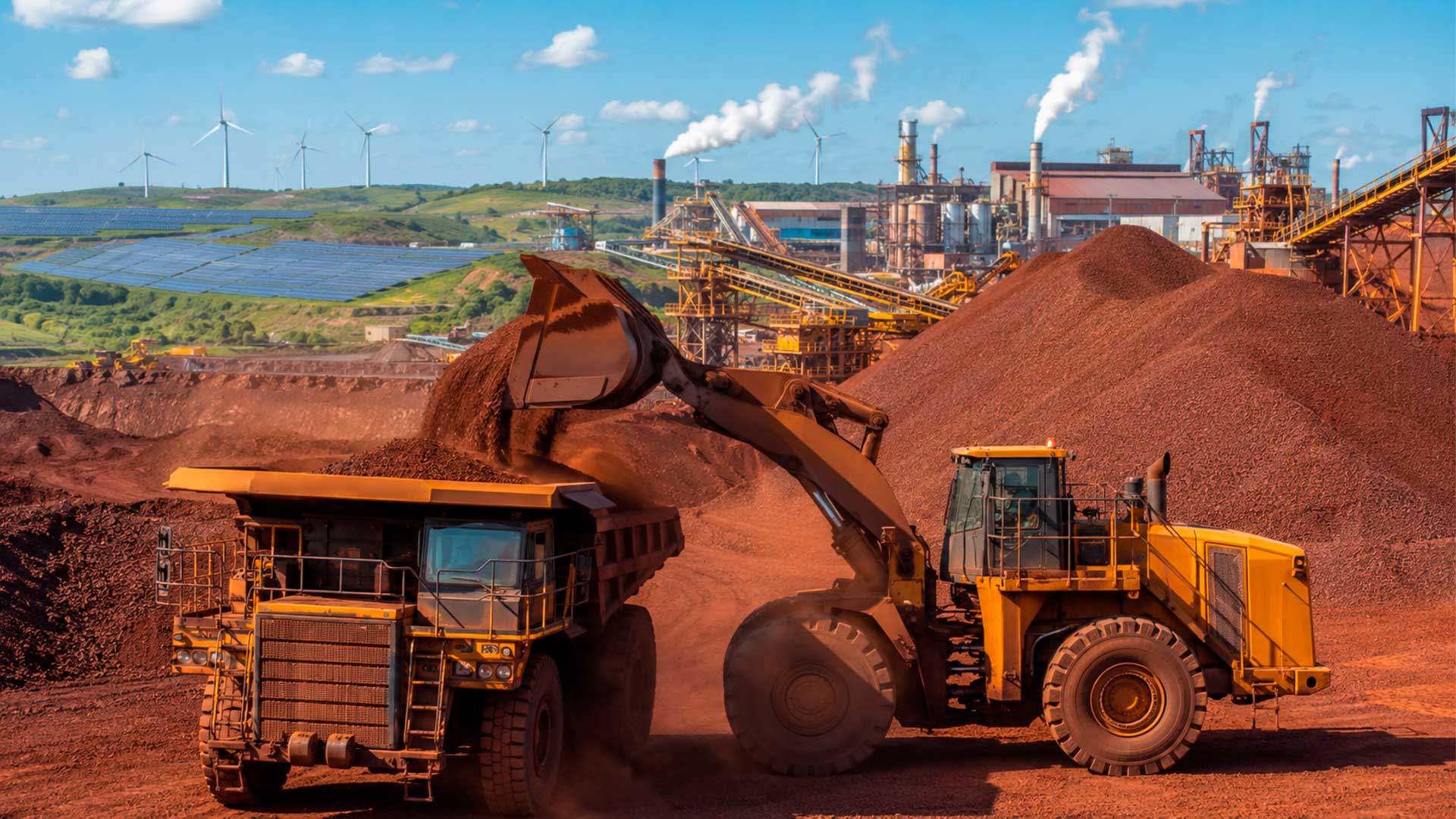
Among the ongoing projects, the one by Aura Minerals stands out, having invested over US$ 180 million in the Borborema mine in Currais Novos (RN). Gold production began in 2025, with an estimate of up to 815,000 ounces over 11 years. The mining company relies on sustainable methods, using recycled water and solar energy in the process.
Involved Companies And Impact On Jobs

In addition to Aura, other mining companies operate in the Northeast. ValeOre Metals, for example, is involved in gold projects in the interior of Ceará, and Appian Capital has been producing copper in Alagoas since 2021. There are also initiatives involving gypsum, sylvinite, manganese, and ornamental rocks in Pernambuco, Sergipe, and Paraíba.
The sector is already boosting the economy. The Borborema mine is expected to generate over 2,000 direct jobs, 68% of which are for local workers. According to the Brazilian Mining Institute (IBRAM), the Northeast collected over R$ 60 million in CFEM just in 2024. The expectation is to double this amount by 2026, with new mines coming online.
Challenges And Monitoring
Despite the growth, Brazil aims to create active mines in the Northeast with attention to sustainability. The Ministry of Mines and Energy and the National Mining Agency (ANM) monitor environmental and social impacts, especially in areas of traditional communities. Projects like the diversion of BR-226, essential for the expansion of the Borborema mine, must undergo rigorous environmental assessment.
The SGB plans to expand exploration with new surveys until 2031, within the Plangeo 2026–2035 plan. The aim is to better map resources and ensure that expansion occurs safely and transparently.