






 Portuguese
  Spanish


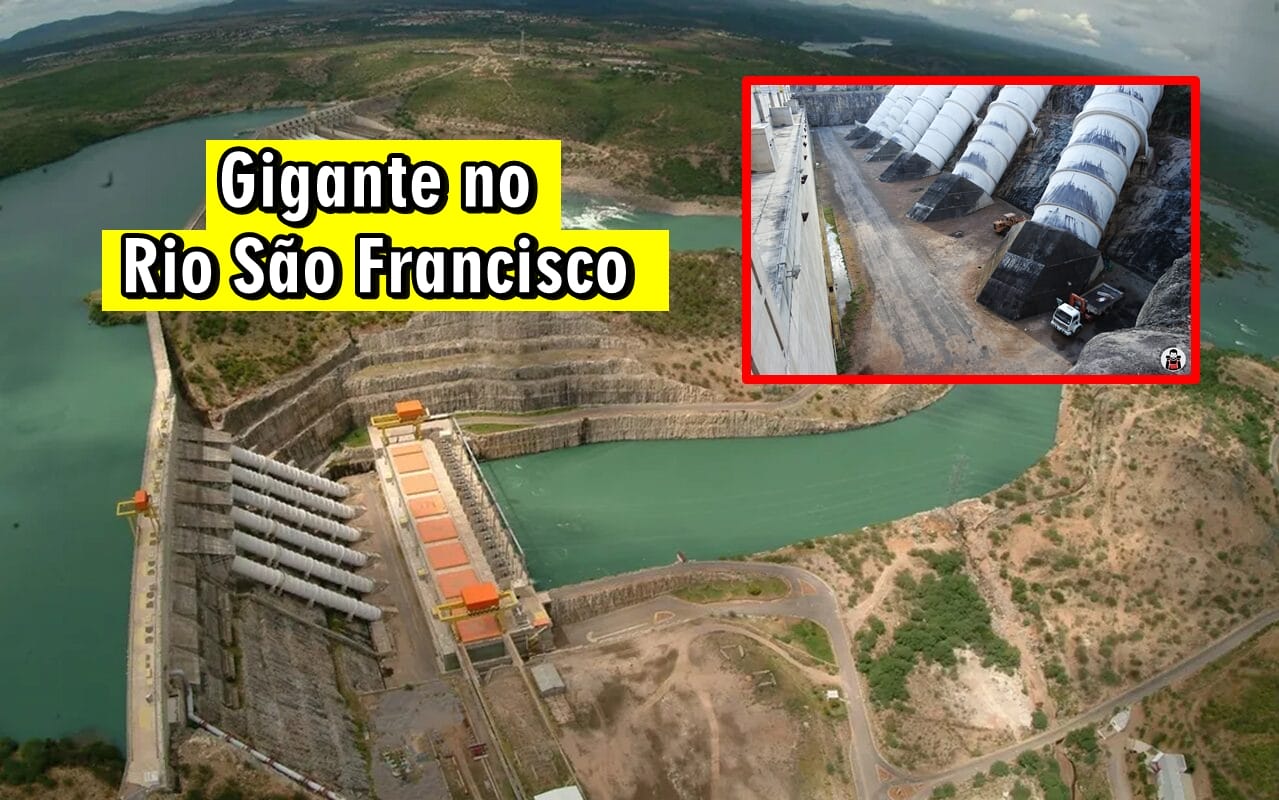

On The Banks Of The São Francisco River, Between Alagoas And Sergipe, One Of The Largest Engineering Works In Brazil Impresses With Its Size And Energy Capacity. The Xingó Hydroelectric Plant Is More Than A Dam: It Is A Monumental Structure With An Essential Role In The Supply And Generation Of Energy For The Country.
Located on the border between Alagoas and Sergipe, the Xingó Plant, or Xingó Hydroelectric Plant, is one of the largest and most important in Brazil.
Built to generate energy, facilitate navigation, and supply the population, the structure impresses with its size and technical capacity.
It is installed on the São Francisco River, near the municipality of Piranhas, and combines large-scale engineering with a strategic role in the Brazilian electric matrix.
-
11-Year-Old Entrepreneur Sells 60 Homemade Sweets Daily, Mastering Cost Calculation, Social Media Promotion, and Client Negotiation Since Age 7

-
Peruvian Mountain’s 5,200 Aligned Holes May Unveil Ancient Indigenous Market for Corn and Cotton
-
The Little-Known Story of a Home-Built Airplane That Promised Freedom but Faced Safety Issues After Numerous Accidents

-
He Didn’t Build a Plane, But Spent Decades Trying to Make Bicycles Fly with Wings and Pedals; Remaining Models Tell This Unusual Story in Germany



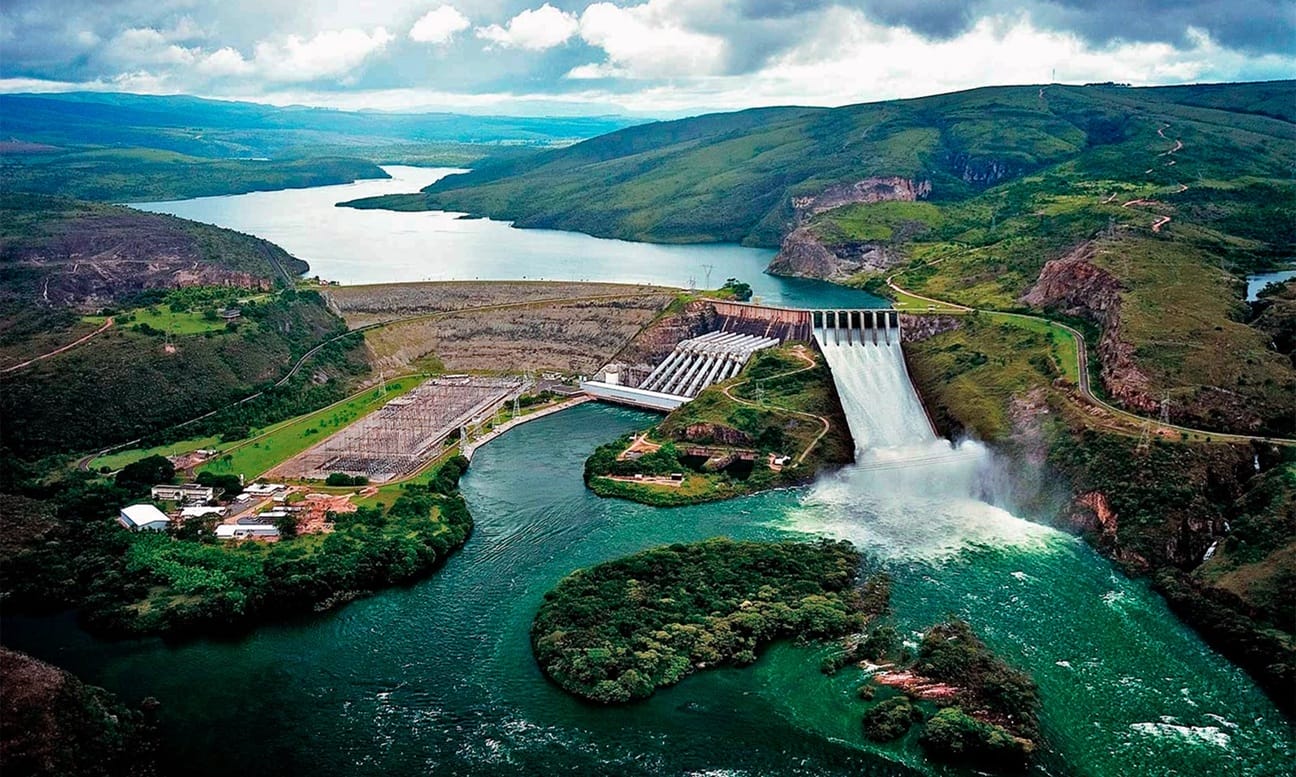
Generation Units Of The Xingó Plant Are In Canindé Do São Francisco (SE)
In 2023, the Federal Supreme Court (STF) unanimously decided that the electricity generating units of the Xingó Hydroelectric Plant are located in the municipality of Canindé de São Francisco, in Sergipe.
The STF’s decision was made during the trial of Civil Action (ACO) 631, filed by Canindé de São Francisco. The municipality requested formal recognition that the main structures of the hydroelectric plant would be within its territory.
The case’s rapporteur, Minister Edson Fachin, accepted the request based on a technical report prepared by the Brazilian Army.
According to the document, the line of greatest depth of the riverbed of the São Francisco River — called the thalweg — marks the boundary between the two municipalities.
According to the report, the generating units, also known as the powerhouse, are entirely positioned on the Sergipe side of the river. The plant’s spillway, where excess water is released, is located on Alagoan territory.
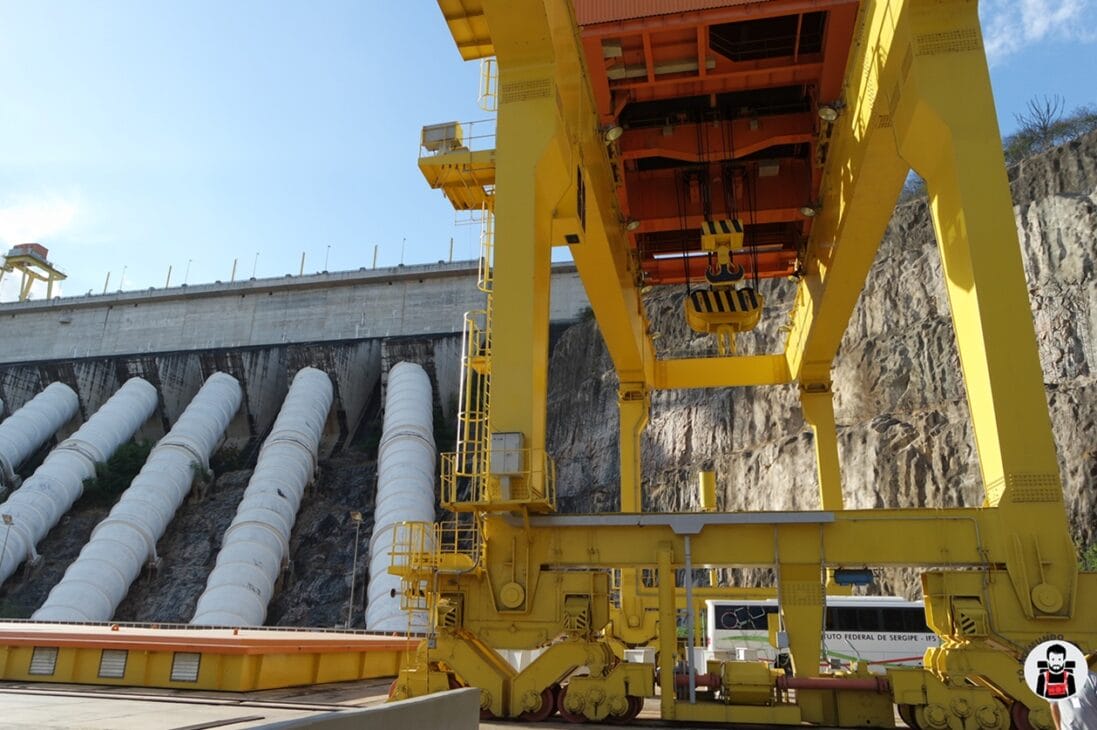
Construction Marked By Pauses And Resumptions
The initial studies on the construction of the dam began in the 1950s. Nevertheless, contracts were only signed in 1982.
Construction began in March 1987, but was interrupted in September 1988 due to a debt crisis that affected financing.
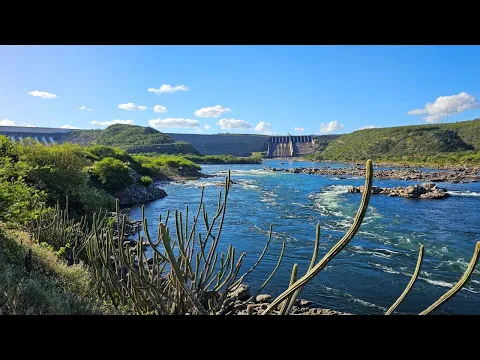

Construction resumed in 1990, and in 1994 the dam was completed.
On June 10, 1994, the filling of the reservoir began. A few months later, on November 15, the water volume reached the maximum level of 130 meters.
The first generator went into operation in December of the same year. The others were activated between 1995 and 1997, totaling six units in operation.
Dimensions That Impress
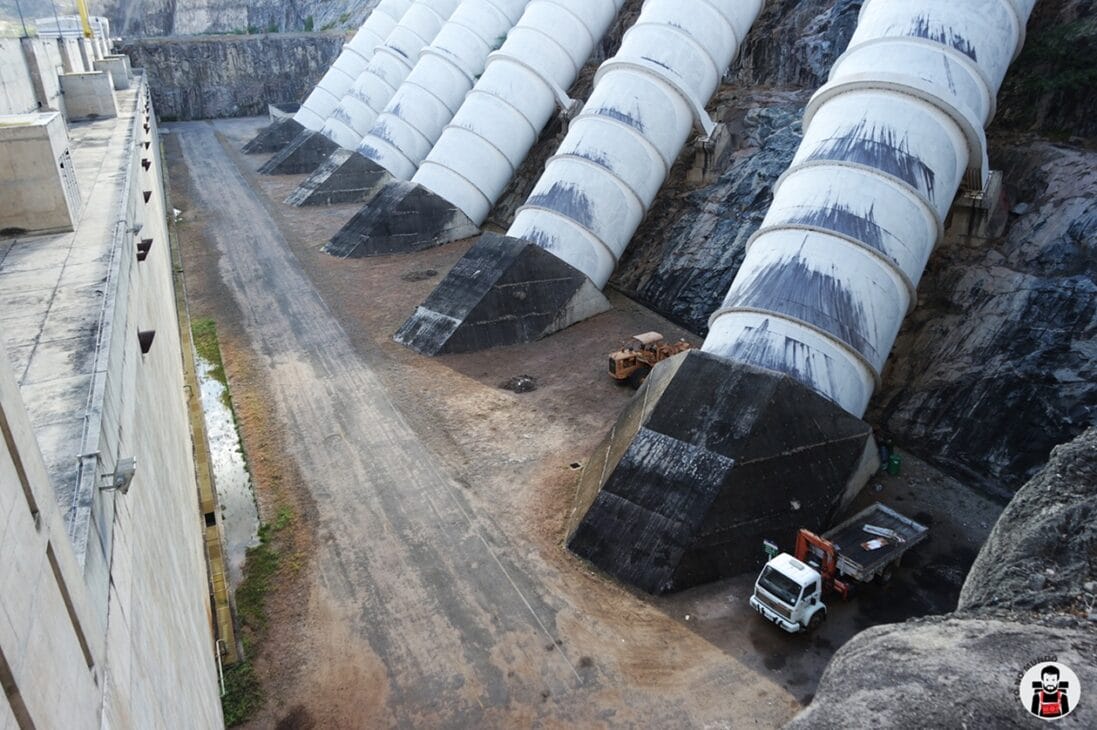
The Xingó dam is an embankment dam with a concrete face. It is 830 meters long and 140 meters high.
Its total filling volume reaches 12.9 million cubic meters, mainly composed of granite rocks. To support the lake, in addition to the main dam, four auxiliary dikes were built.
The created reservoir has the capacity to store 3.8 billion cubic meters of water and covers an area of 60 km².
The watershed for the plant is even larger: 630,000 km². The spillway of the dam has 12 gates and supports a flow of up to 33,000 m³ per second.
Power And Structure Of The Xingó Plant Impress With Their Size And Capacity
The Xingó Hydroelectric Plant stands out as one of the largest in the country, with a robust structure and high power.
Dam And Spillway: The dam has a maximum height of 140 meters. On the left bank, there is the spillway with 12 gates, capable of releasing up to 33,000 cubic meters of water per second.
Complete Infrastructure: On the right bank are the walls, the intake, forced conduits, powerhouse, restitution canal, and dikes. The total crest length of the dam reaches 3,623 meters.
Energy Generation: The plant operates with six generating units of 527 kW each, totaling 3,162,000 kW of installed capacity. The project anticipates four more future units.
Energy Transmission: The energy is stepped up from 18 kV to 500 kV by 18 single-phase transformers of 185 MVA each.
The Impact Of The Construction
The construction of the Xingó Hydroelectric Plant, although strategic for energy generation in the Northeast, caused profound damage.
One of the most notable was the disappearance of the village of Cabeço, located in the Lower São Francisco, in Sergipe.
The area, which used to house 120 houses and a traditional fishing community, was engulfed by the sea in the late 1990s.
The impact was not only physical. Entire families lost their homes, their history, and their livelihood.
Million-Dollar Agreement After Two Decades
As reported by DW, last year, the São Francisco Hydroelectric Company (Chesf) entered into an agreement with the residents of the old village.
The total amount paid was R$ 40 million, divided among 220 residents. Each received R$ 153,000 net after legal fees were deducted.
The struggle began in 2003 when residents filed a lawsuit in Federal Court. The compensation came two decades later, at a symbolic moment.
Many of the affected residents were already elderly. Thirty-nine of them died before the outcome, and three more between the decision and the payment. In these cases, the amount was allocated to the heirs.
The agreement was proposed by Chesf itself, amid the privatization scenario of Eletrobras, the company’s main shareholder.
Causes Recognized In Court
The judicial process revealed that the construction of the hydroelectric plant caused significant alterations in the course of the São Francisco River.
Expert reports showed that the dam reduced the river’s flow and decreased the volume of sediments that nourished the delta. As a result, the region’s vulnerability to coastal erosion increased.
This change directly affected the village of Cabeço, making it vulnerable to the advance of the sea.
Additionally, the salinization of water and the reduction of natural lagoons also impacted rice planting and the reproduction of native species. In 2022, Federal Court recognized Chesf’s responsibility for the damages caused.
The environmental study of the hydroelectric plant, at the time of the work, did not consider the effects at the river mouth, where the village was located.
Chesf claimed that erosion already existed and that it followed all legal procedures. But the court ruling pointed out that the construction of Xingó played a fundamental role in the destruction of the village.
Collective Compensation And Erased Memory
In addition to the individual agreement, two collective lawsuits were also filed. One was proposed by the Cabeço Community Association and deals with the destruction of the community’s heritage, such as churches, schools, police stations, and cemeteries.
The other, filed by the Fishermen’s Association, addresses the impact on fishing activities.
The only visible vestige of the old Cabeço is a lighthouse, built between 1870 and 1873. The rest of the community disappeared under the waters.
The agreement represents not only financial compensation but also an official recognition of the pain, loss, and resilience of an entire population.




Conheço aquela região, suas conquistas e suas glórias.
Andei ali na construção de Itaparica, atualmente Luiz Gonzaga, e Xingó.
Conheci o complexo Paulo Afonso.
Não sem razão o São Francisco é reconhecido como Rio da unidade nacional.
Brasil continental. Alguém precisa explorar a Ilha das Guianas…no Norte do País.
A Usina de Xingó não fica “próximo” aos municípios de Piranhas-AL e Canindé de São Francisco-SE, mas em ambos os territórios cortados pelo rio São Francisco… A Usina (UXG) está instalada no leito do rio São Francisco entre ambos municípios dos estados de Alagoas e Sergipe.
Conheci esta obra há 1 mês, fiquei hospedado em Piranhas, e navegamos pelo Rio São Francisco e no lago formado pela barragem.
Alem dos aspectos relativos a usina, outro fator interessante na região é a estrutura turistica, com diversas pousadas, muitas embarcações e pontos de apoio espalhados pelo Rio.
Bom ponto. A região tem uma estrutura boa?