





 Portuguese
  English
  Spanish
 3 min of reading


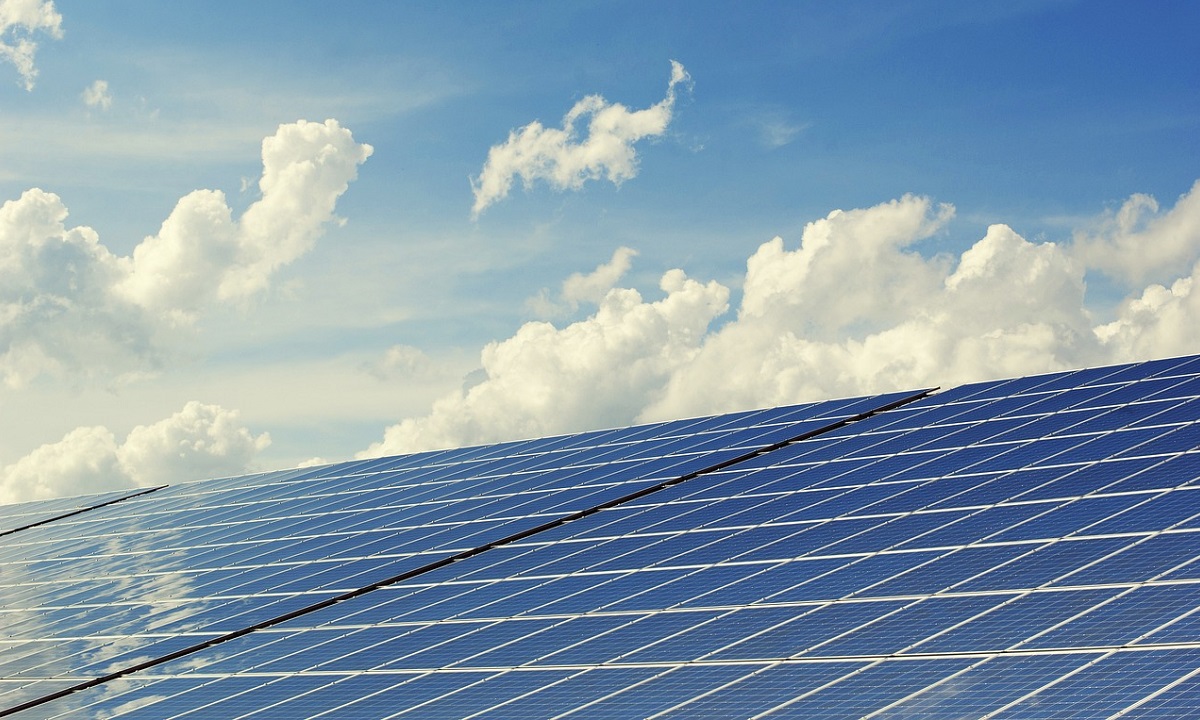
The New Solar Power Plant Was Created by the Tangipar Group and Will Be Inaugurated This Friday, 21, in Cascavel, Paraná
The Tangipar Group expects to earn around R$ 3 billion with the new solar energy plant in Paraná before the end of 2022. The plant, which will be inaugurated this Friday in Cascavel, western Paraná, had an investment of R$ 200 million.
Among the guests for the plant’s inauguration ceremony are the Minister of Economy Paulo Guedes and Anatalicio Risden Junior, General Director of Itaipu International, on the Brazilian side.
The new solar power plant will have an installed capacity of 500 MW to supply directly to consumers. The group comprises 15 companies focused on solar power generation.
-
How much does it cost to install solar energy at home in 2026? This method of generating energy attracts attention for allowing a reduction in electricity expenses and an estimated financial return between four and seven years, with residential systems costing between R$ 15,000 and R$ 28,000.

-
USA covers canal with 2,556 solar panels and transforms irrigation into a clean power plant in the middle of a drought-stricken region
-
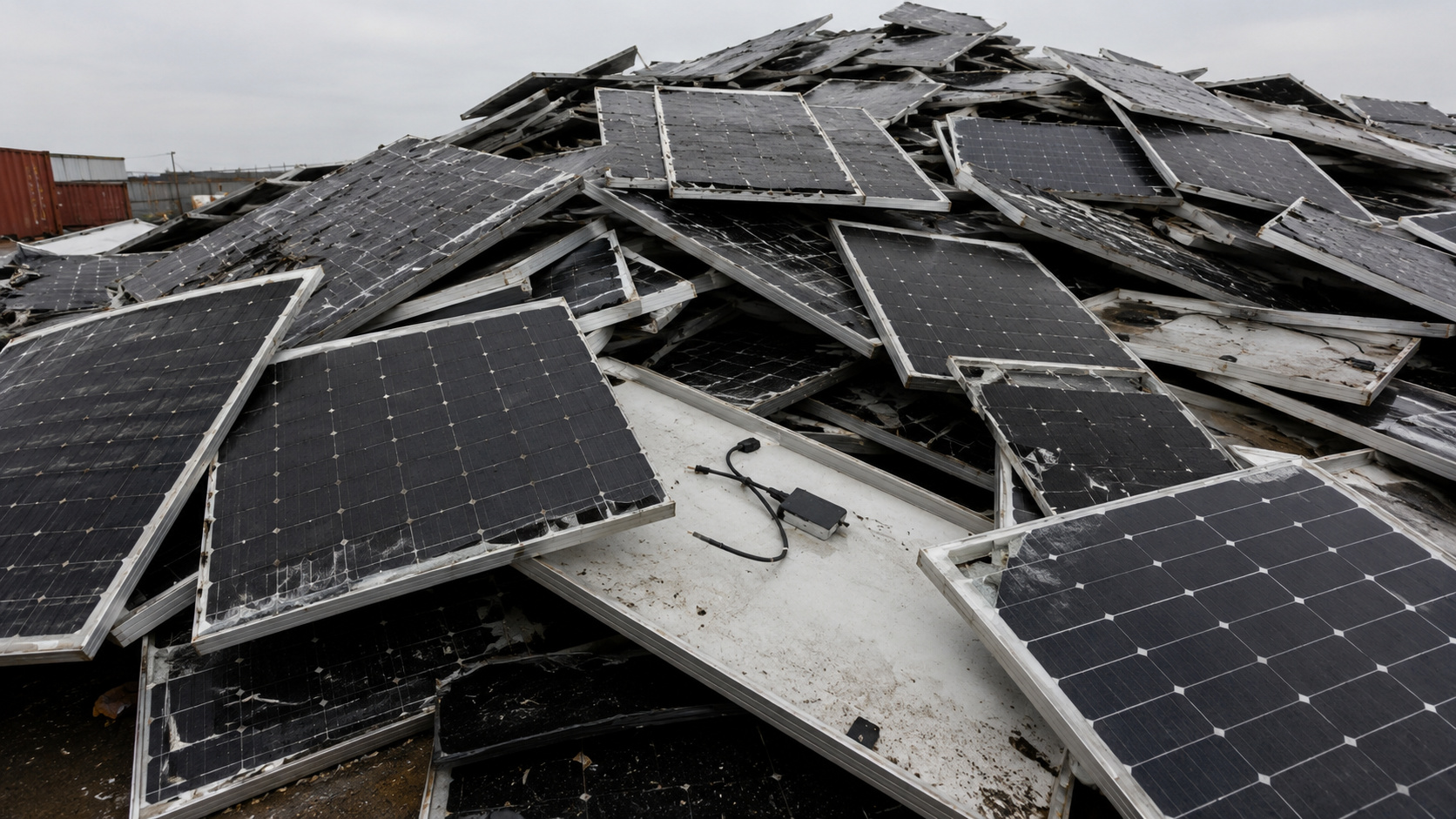
Surprising study by Scatec reveals that recycling solar panels in Brazil can return R$ 3.18 for every R$ 1 invested, transforming photovoltaic energy waste into a new source of economic value and strengthening the circular economy in the sector.

-
Now it’s law: energy distributors can be penalized for hiding data about solar energy in MS; The measure increases market transparency, reduces barriers for consumers, and accelerates the expansion of distributed generation in the state.



BRAZIL HOLDS THE RECORD IN SOLAR ENERGY PRODUCTION

More on Energy Generation: The New “White Gold” of Clean Energy Generation Discovered: Researchers Uncovered Ultra-Strong Solar Energy Collecting Material!
Some researchers have discovered materials capable of capturing solar light at levels exceeding those of conventional silicon solar cells and that generate solar energy but with a thickness 10,000 times smaller, thus producing clean electric energy. The newly discovered material is sodium bismuth sulfide (NaBiS2), which is grown in the form of nanocrystals and then dispersed in a solution that can be applied to make films 30 nanometers thick.
The new solar energy-generating material consists of non-toxic elements that are abundantly available in the Earth’s crust for commercial use. Bismuth-based compounds are already widely used as substitutes for lead in soldering for over-the-counter medications for the stomach.
“We have discovered a material that converts solar light into solar energy more powerfully than traditional solar cell technologies and can be printed from ink. This new material that converts solar light has the potential to manufacture lightweight solar cells that can be easily transported or used in aerospace applications,” according to Yi-Teng Huang from the University of Cambridge in the UK.
Material Capable of Converting to Solar Energy Can Be Used in Another Way
Cells capable of transforming into solar energy, made from carbon-based polymers, can also be used in the form of ink and can form thin coatings. However, they still face durability issues. Silicon solar panels, on the other hand, remain thick and heavy.
The researchers also found that NaBiS2 remained stable in ambient air throughout the duration of the study, which lasted 11 months, without the need for encapsulation, which strongly contrasts with other new photovoltaic materials, such as lead halide perovskites.
Additionally, the team discovered that there are two critical factors explaining the strong light absorption of sodium bismuth sulfide. These are: the effects of crystal disorder and the role of sodium.







Be the first to react!