Portuguese
  Spanish


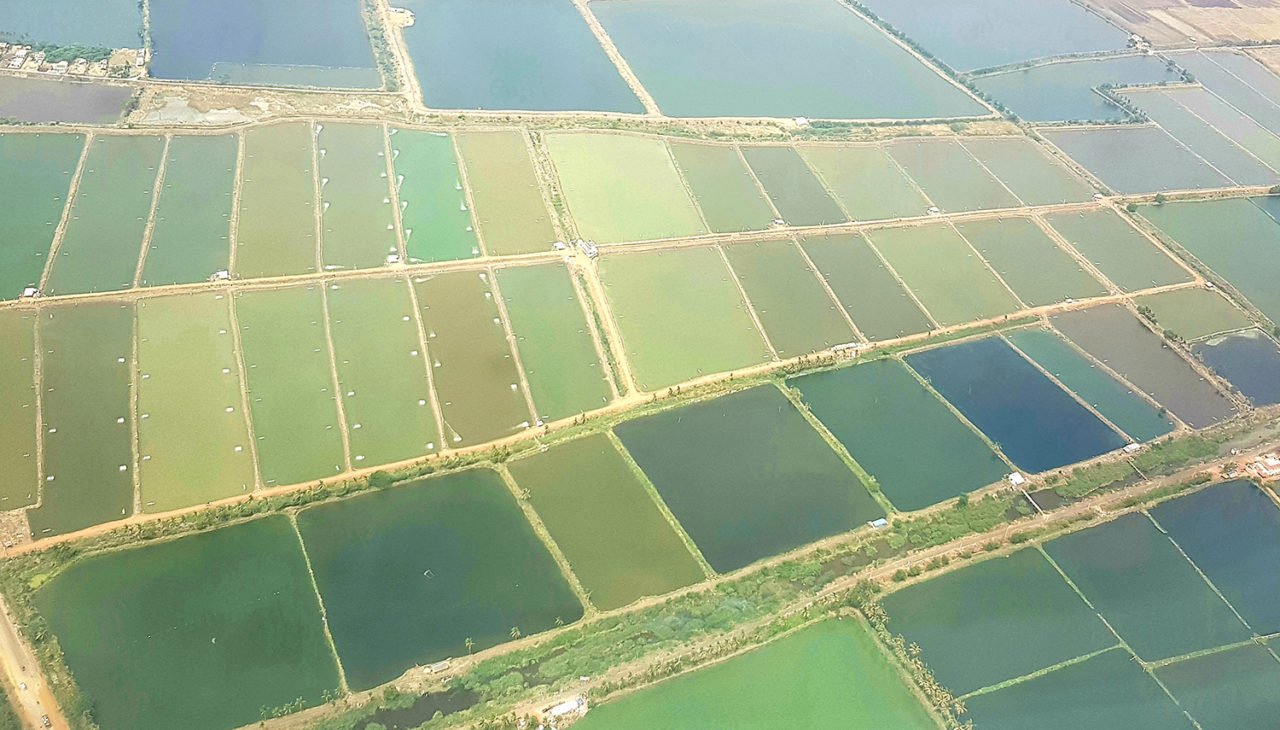


With Exports Above US$ 7 Billion Per Year, India Became a Global Power in Shrimp, Driven by Industrial Aquaculture, Technology, and Global Demand for Protein.
For decades, Indian aquaculture was associated with artisanal production, low technology, small ponds, and regional markets. Today, this scenario has changed radically. India has transformed into one of the world’s largest shrimp powers, with a productive sector generating billions of dollars per year, supplying the main consumer markets in the world, and sustaining millions of direct and indirect jobs throughout its production chain.
The most recent leap came with the consolidation of the shrimp Litopenaeus vannamei, a fast-growing species with high feed conversion and international standards—which revolutionized productivity in Indian coastal farms. In just over a decade, the country went from being a regional producer to becoming a global benchmark in volume, exports, and industrial integration of marine aquaculture.
The Historic Shift from Artisanal Production to Industrial Aquaculture
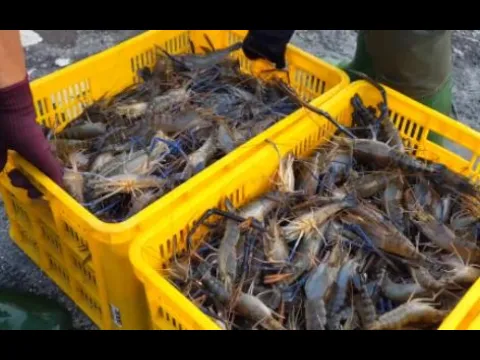

Until the 1990s, shrimp production in India was mainly based on extensive and semi-intensive systems, with low stocking density, high sanitary risk, and little quality standardization. Performance was unstable, subject to diseases, climatic variations, and technological limitations.
-
India’s Sugar Export Cuts and Ethanol Shift Amid El Niño Threat Could Impact Global Prices and Stocks

-
Quarantine Pest Threatening Palm Trees Puts Brazilian Authorities on Alert, Prompts Monitoring at University of Taubaté and Potential Control Measures Across São Paulo
-
Global Alert: Report Finds 159 Pesticides in Coffee Beans Sold in Europe, Posing Serious Risks to Millions of Farm Workers
-
Low-Demand Brazilian Beef Offal Gains Popularity Abroad: Indonesia Purchases $19.5 Million, Boosting Revenue and Reducing Waste



The shift began in the 2000s, with the progressive adoption of:
– improved genetics
– high-performance industrial feed
– continuous aeration systems
– strict sanitary control
– certified hatchery laboratories
– production management software
This technological package allowed for a drastic increase in productivity per hectare, reduction of losses, elevation of product uniformity, and, importantly, compliance with sanitary requirements of major global importers.
Billion-Dollar Exports Place India at the Center of Global Shrimp Trade
Today, India ranks among the largest shrimp exporters on the planet, with annual revenues exceeding US$ 7 billion just from this protein.
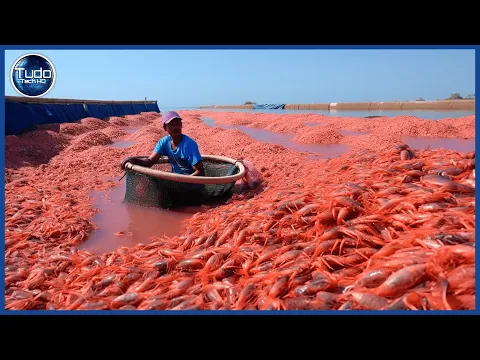
Shrimp accounts for more than 65% of the total value of the country’s seafood exports, becoming the absolute pillar of its aquaculture economy.
The main destinations for Indian shrimp include:
– United States
– European Union
– Japan
– China
– Southeast Asia
In the American market, India competes for leadership with countries like Ecuador, Vietnam, and Indonesia, often occupying the top position in export rankings by volume.
The Territorial Base of Production: Coastal Belts Transformed into Industrial Hubs

Industrial shrimp farming in India is mainly concentrated in the coastal states of:
– Andhra Pradesh
– Tamil Nadu
– Gujarat
– Odisha
– West Bengal
These regions have undergone a true productive reconversion in the last two decades, replacing areas previously occupied by low-profit agriculture with dug ponds, supply channels, post-larval laboratories, feed factories, processing plants, and refrigerated logistics centers.
The result is an integrated marine agro-industrial complex, which operates continuously throughout the year and sustains highly efficient export chains.
Global Production Volumes and Continuous Growth
Indian shrimp production now reaches millions of tons per year, placing the country among the largest global producers in absolute terms. The growth has been driven by three main factors:
- Rapid expansion of cultivation areas
- Consistent increase in productivity per hectare
- Strong international demand for high value-added protein
In various harvests, national production has grown at rates above 10% per year, something rare in already established agro-industrial sectors.
The Role of Technology and Genetics in the Productive Leap
The backbone of India’s turnaround lies in biotechnology applied to aquaculture. The systematic introduction of shrimp with certified genetics, combined with:
– rigorous biosecurity programs
– 24-hour water quality monitoring
– stage-balanced nutrition
– protocols for the prevention of viral diseases
has allowed the country to move from a scenario of sanitary vulnerability to a highly controlled industrial model.
This level of standardization is what enables access to the most demanding markets in the world, where any sanitary deviation results in immediate bans.
The Direct Economic Impact on Income, Employment, and Trade Balance
The shrimp production chain generates millions of direct and indirect jobs in India, encompassing:
– coastal farmers
– hatchery technicians
– feed factory workers
– processing plant workers
– refrigerated transporters
– exporters
– port operators
In addition, shrimp has become one of the main sources of foreign currency for India’s agricultural trade balance, helping to offset deficits in other sectors.
In many coastal regions, aquaculture has become the main driver of local economic growth, increasing income, consumption, urbanization, and public revenue.
The Direct Competition with Ecuador, Vietnam, and Indonesia
On the global shrimp stage, India shares the spotlight with powers such as:
– Ecuador
– Vietnam
– Indonesia
Ecuador stands out for its explosive production growth in recent years. Vietnam operates highly technical chains. Indonesia is heavily investing in vertical integration. India, in turn, combines high volume, competitive costs, and a vast territorial base, which keeps it at the forefront of competition.
Sanitary Risks, Environmental Challenges, and International Regulatory Pressure
The accelerated growth has also brought challenges. Intensive shrimp aquaculture is extremely sensitive to:
– virus outbreaks
– oxygen collapses
– water contamination
– improper antibiotic use
– degradation of coastal areas
Additionally, markets such as the United States and the European Union impose increasingly stringent sanitary barriers, demanding complete traceability, environmental certifications, and animal welfare standards.
Any failure can result in immediate embargoes, with billion-dollar impacts.
Shrimp as a Pillar of Food Security and the Protein Race in the 21st Century
India’s success in shrimp cannot be explained solely by economic factors. It also falls within the context of a global race for high-value protein, driven by:
– population growth
– accelerated urbanization
– rising incomes in emerging countries
– the search for more efficient sources of protein
In this scenario, shrimp occupies a strategic position by providing dense protein, high nutritional value, with a short production cycle and strong acceptance in premium markets.
India as the Definitive Power in Marine Aquaculture
By transforming its coast into an industrial shrimp belt, India has left behind the image of an artisanal producer and established itself as a definitive power in global marine aquaculture.
Today, its growth influences international prices, investment decisions, sanitary policies, and the balance of global fish trade.
Just as China dominates freshwater aquaculture and salmon has its empires in the North Atlantic, shrimp has found in India one of its central pillars of production on a global scale.