






 Portuguese
  Spanish


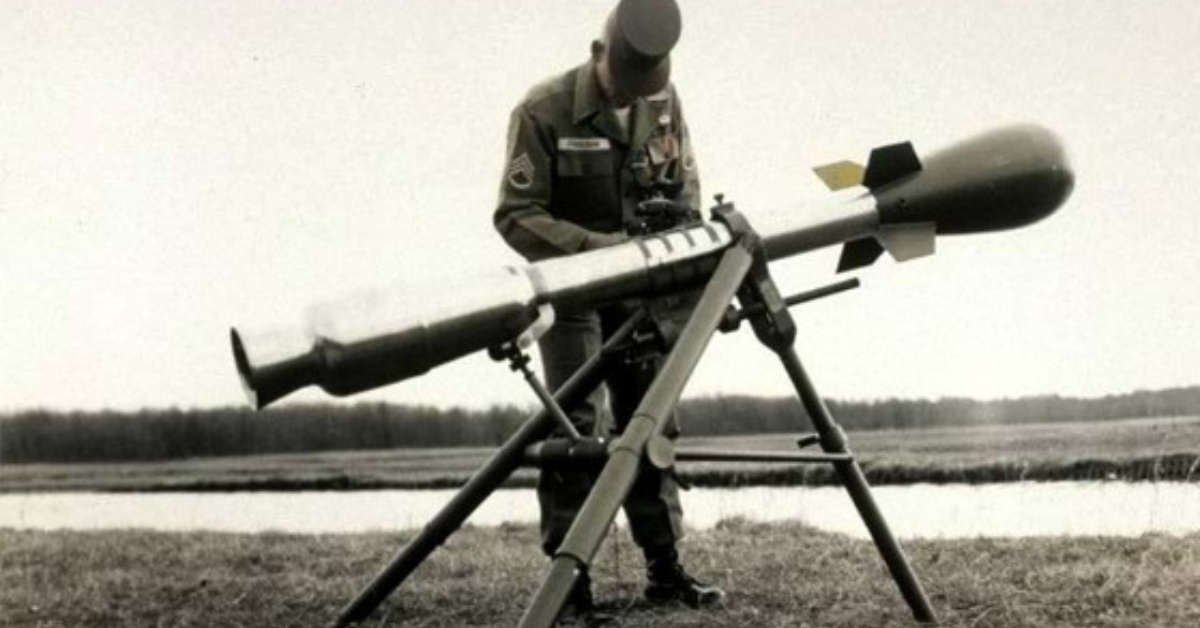

Portable Nuclear Weapon of the Cold War, M-388 Davy Crockett Had a Range of Less Than 4 Km, Warhead Equivalent to Hiroshima and Put Soldiers at Direct Risk of Radiation.
At the height of the Cold War, when the fear of a Soviet invasion of Western Europe dominated U.S. military planning, the Pentagon made a decision that today seems almost unthinkable: to develop a nuclear weapon small enough to be operated by infantry soldiers on the battlefield. The result was the M-388 Davy Crockett, a tactical nuclear weapon system developed in the late 1950s and put into service in the early 1960s.
Unlike strategic bombers, ballistic missiles, or nuclear submarines, the Davy Crockett was designed for direct and immediate use on the front lines. It was not a distant deterrent weapon, but a nuclear device intended to be fired just a few kilometers from its target in conventional ground combat situations.
The Hiroshima bomb (“Little Boy”) had an estimated yield of about 0.015 megatons (15 kilotons) of TNT. In contrast, the M-388 Davy Crockett nuclear projectile used by the U.S. was a low-yield tactical weapon, with yield ranging from 10 to 20 tons (0.00001 to 0.00002 megatons) of TNT.
-
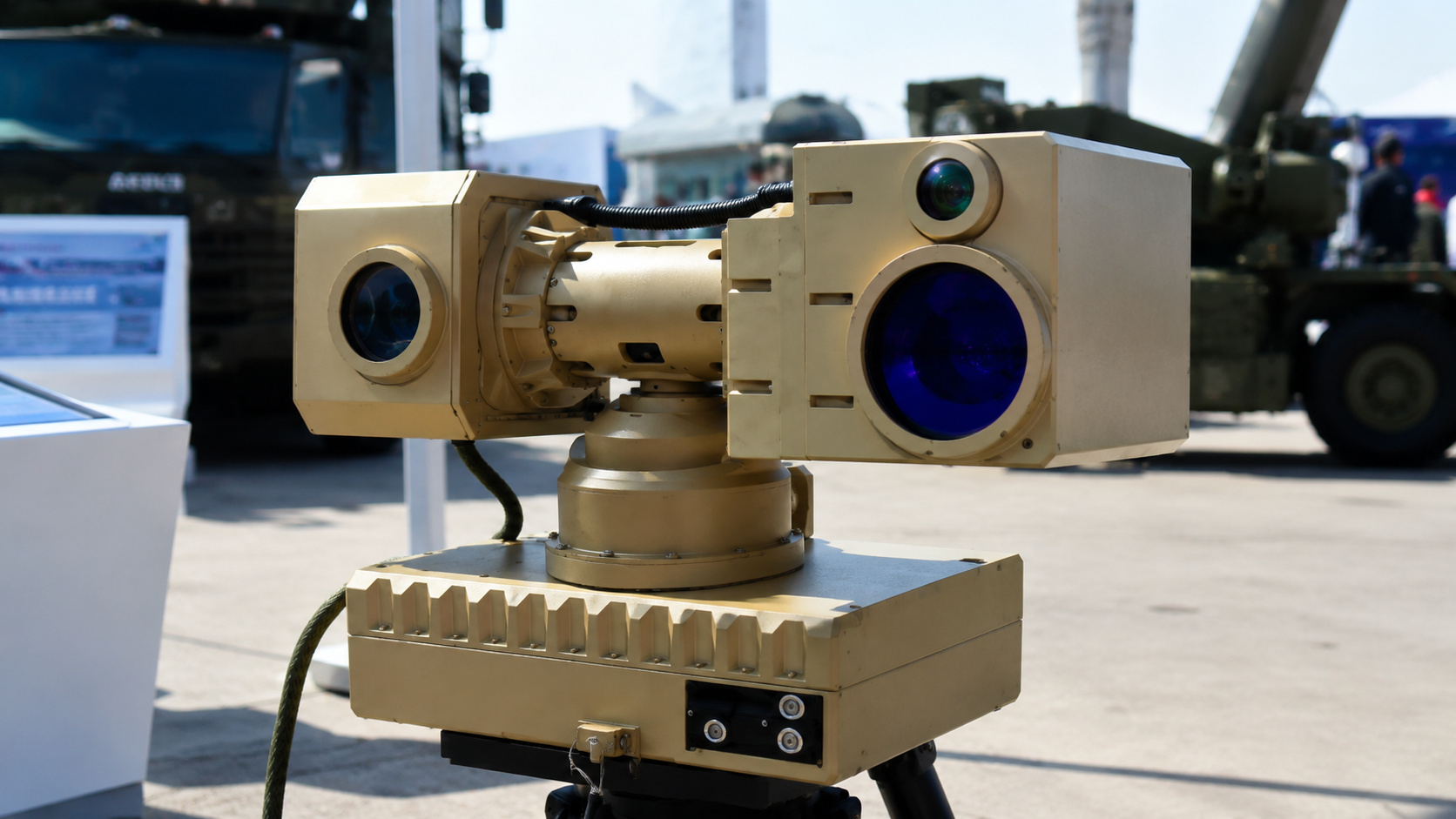
China Unveils Laser Weapon Capable of Instantly Neutralizing Military Drones, Marking a Significant Advancement in Air Defense Technology

-
U.S. Navy’s Ticonderoga-class Cruiser Becomes a 9,800-Ton Missile Fortress with Advanced Aegis System Capable of Tracking Hundreds of Targets

-
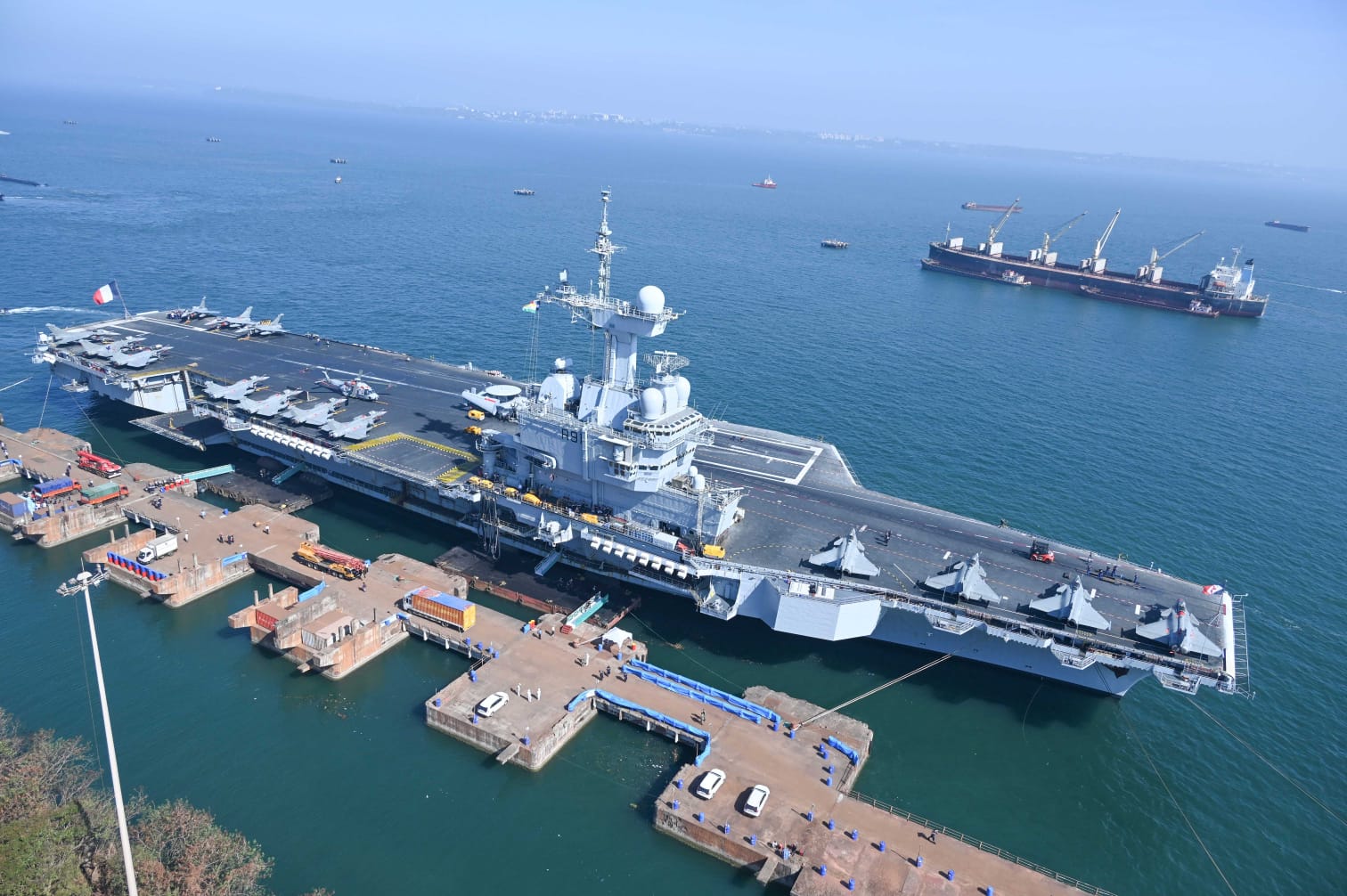
France’s Charles de Gaulle: The Sole Nuclear-Powered Aircraft Carrier Outside the US, Weighing 42,500 Tons and Equipped with Two Atomic Reactors

-
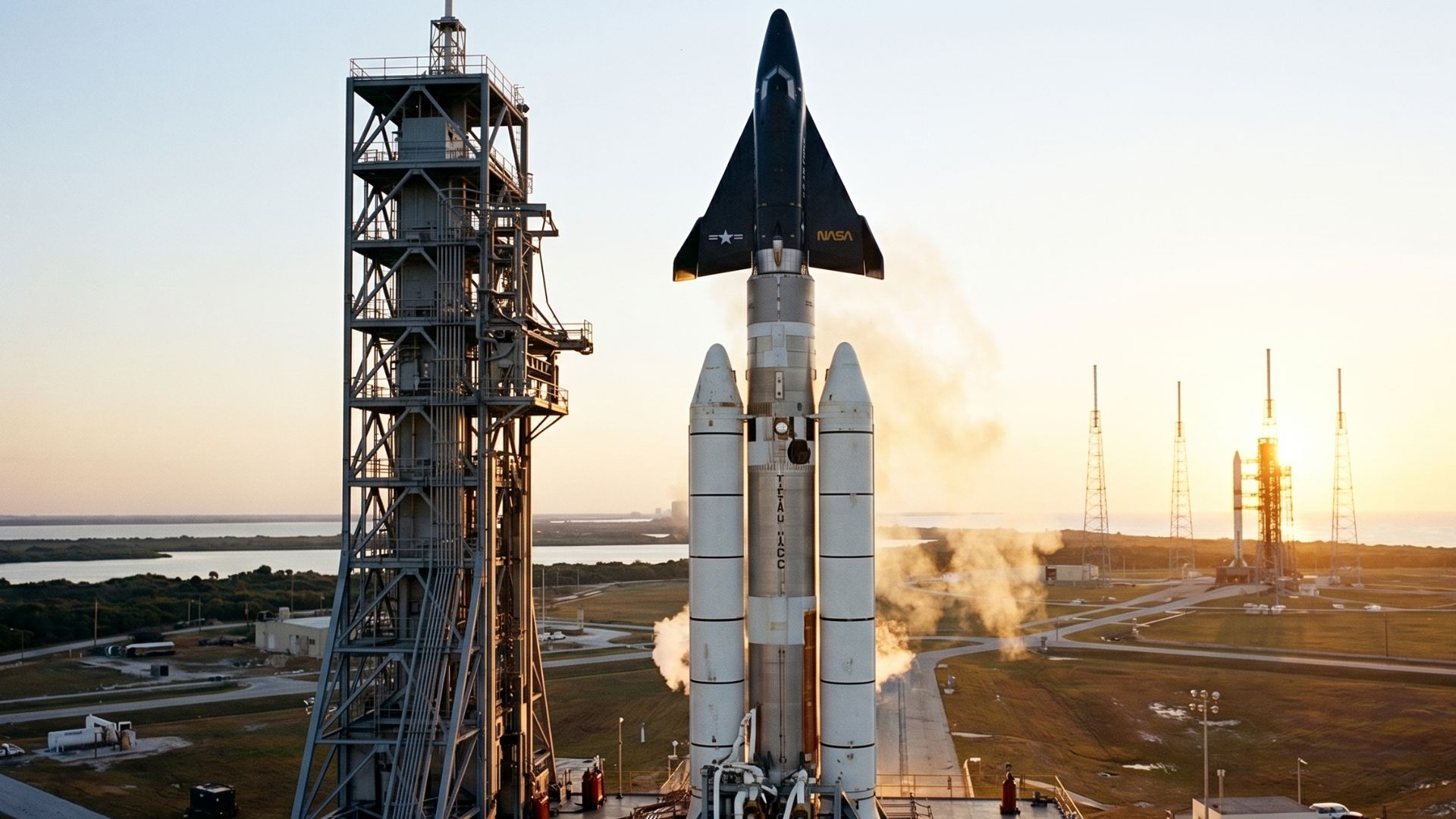
The military spaceplane that almost took the Cold War into orbit: Boeing X-20 Dyna-Soar was designed to re-enter above Mach 20, fly for up to 40 hours, land like a plane, and transform Titan rockets into a gateway to a new era of orbital warfare.

- Hiroshima (Little Boy): ~15,000 tons of TNT (0.015 Mt).
- M-388 Davy Crockett (W54 Warhead): 10 to 20 tons of TNT (0.00001 – 0.00002 Mt).
How the Davy Crockett Missile Worked
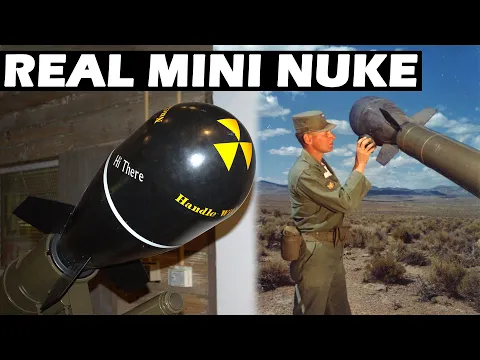

Technically, the Davy Crockett was not a missile in the classical sense. It consisted of a “recoilless” nuclear projectile fired from a launcher mounted on a tripod or light vehicle. There were two main versions of the system, differentiated by the caliber of the launcher: one with shorter range and another a bit more powerful, both extremely limited in distance.
The projectile carried the W54 nuclear warhead, one of the smallest ever produced by the United States. Despite its small size, its destructive power was real. The estimated yield of the explosion ranged from 10 to 20 tons of TNT, a value close to that of small aerial bombs from World War II and sufficient to cause significant devastation in a concentrated area.
The maximum firing range was below 4 kilometers, creating an immediate paradox: the soldier firing the weapon would be dangerously close to the nuclear detonation itself.
A Nuclear Warhead With Direct Risk to the Operator
The most controversial aspect of the Davy Crockett was its danger zone. Although the explosion was considered “tactical” and low yield in nuclear terms, the effects of ionizing radiation, blast wave, and heat reached areas close to the impact point.
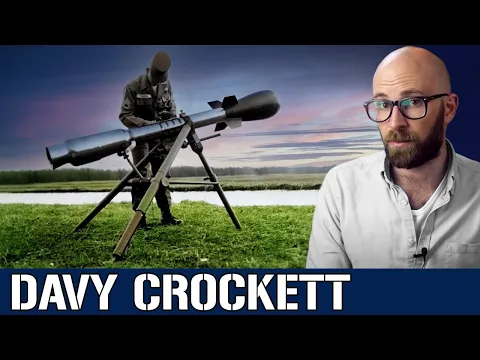
Military studies at the time indicated that even firing the weapon at its maximum range, the operator and their unit faced serious risks of lethal radiation exposure. In practice, using the Davy Crockett could result in casualties among the troops operating it, especially in real combat conditions, with unfavorable winds or minimal calculation errors.
This made the system a sort of “last resort weapon,” designed for extreme situations, such as stopping enemy armored columns advancing rapidly across Europe.
The Strategic Role in NATO’s Defense Plan
The Davy Crockett was created within a very specific logic. During the 1950s and 1960s, the United States and its NATO allies feared that the Soviet Union would use its numerical superiority in tanks and troops to breach the defenses of Western Europe.
In response, tactical nuclear weapons emerged, designed to be used directly on the battlefield against military targets, not against cities.
The Davy Crockett fit perfectly into this doctrine: allowing small infantry units to destroy concentrations of tanks, bridges, logistical chokepoints, or strategic locations with a single nuclear shot.
In theory, the mere existence of the weapon would act as a deterrent factor. In practice, it placed nuclear use decisions in the hands of low-ranking commanders, something that today would be considered an unacceptable risk.
Real Training, Real Use Never Authorized
Although it was never used in combat, the Davy Crockett was distributed to real units of the United States Army stationed in Europe.
Soldiers were trained to operate the system, calculate shots, and execute launch procedures, all within extremely strict protocols.
However, authorization for use would require higher command levels and political approval, making it unlikely that a soldier would simply decide to fire the weapon on their own. Still, the mere fact that the system existed reveals how far powers were willing to go during the peak of nuclear tension.
Why the Davy Crockett Was Abandoned
Throughout the 1960s, it became increasingly clear that the Davy Crockett posed more problems than solutions. Its short range, low accuracy, and extreme risk to its own troops made its operational use questionable.
Additionally, military doctrine began to change. Nuclear escalation started to be seen as something hard to control, and the concept of “limited nuclear war” lost credibility. Tactical nuclear weapons continued to exist, but on safer platforms, such as longer-range artillery, missiles, and aircraft.
The Davy Crockett was officially retired from service in the mid-1970s, closing one of the most extreme chapters in the history of nuclear weapons.
The Legacy of an Idea That Today Seems Absurd
Today, the Davy Crockett is remembered as a symbol of the strategic paranoia of the Cold War. It represents a moment when the fear of losing a conventional war led military powers to accept unimaginable risks, including the possibility of sacrificing their own troops to nuclear radiation.
More than a historical curiosity, the system illustrates how the logic of nuclear deterrence, when taken to the extreme, can produce technically ingenious but strategically dangerous solutions.
The fact that a nuclear weapon was designed to be operated almost like a heavy rifle is a reminder of how close the world came to normalizing the tactical use of nuclear weapons on the battlefield.


