Portuguese
  Spanish


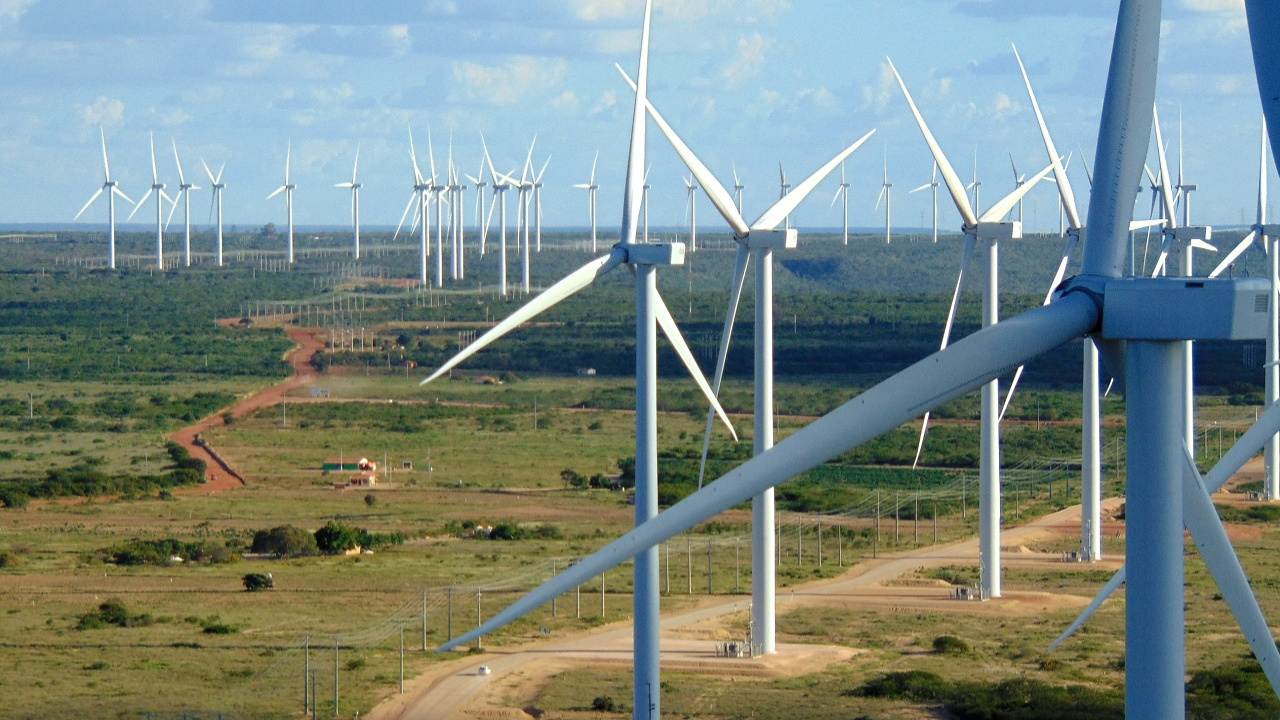


With 99.75% Clean Energy, Piauí Excels in the Energy Transition, Generates Billion-Dollar Surplus, and Aims at Green Industries, Jobs, and New Investments.
The Piauí has started to attract attention across Brazil for a powerful reason: clean energy. The state has achieved an impressive index of 99.75% of its electric matrix formed by renewable sources.
This means that almost all of the electricity consumed comes from the sun and wind. At the same time, the volume produced is much greater than what is needed to supply the local population.
Currently, the Piauí territory has 208 solar and wind generation enterprises in operation.
-
Brazil Aims to Become a Global Exporter of Green Hydrogen, the Clean Fuel Set to Generate Billions

-
Brazil to Hold First Offshore Wind Energy Auction, Aiming to Become the Country’s New Hydropower
-
Brazil to Hold First Auction for Batteries to Store Solar and Wind Energy from the Northeast
-
Brazilian scientists are simultaneously advancing two research projects on clean hydrogen and driving solutions that could transform the energy matrix, enhance industrial competitiveness, and accelerate large-scale emission reduction targets.

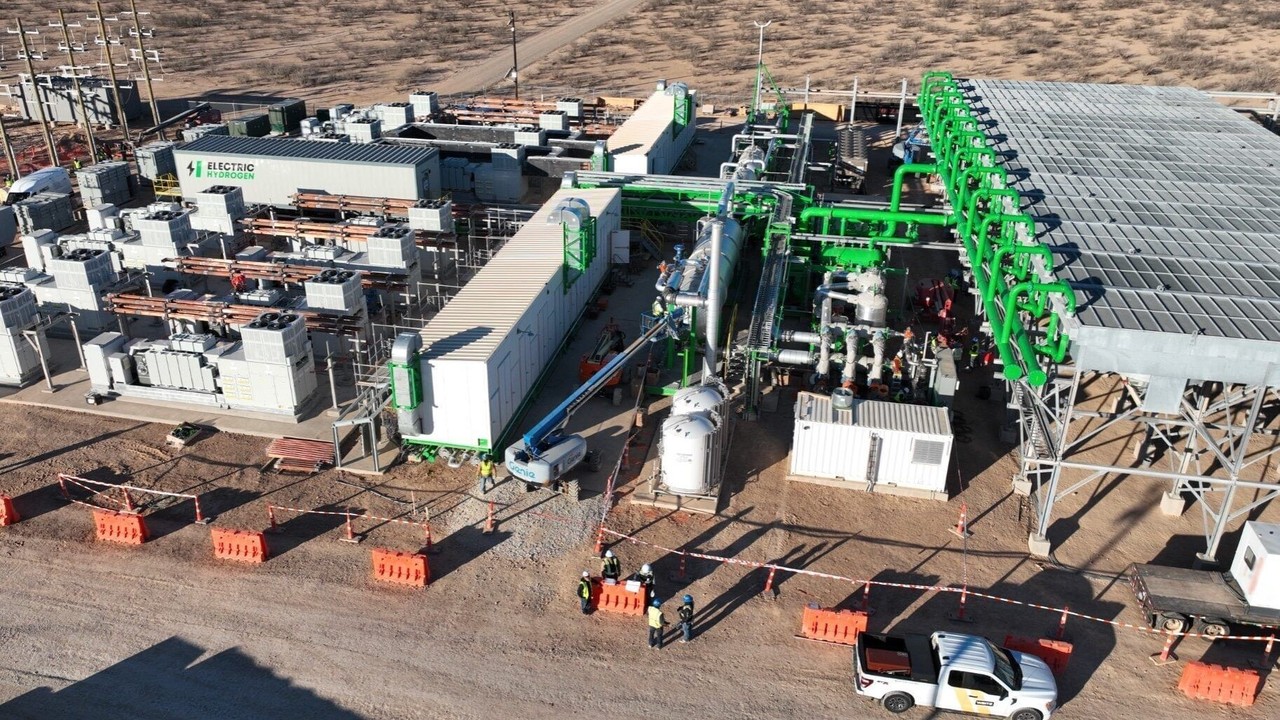

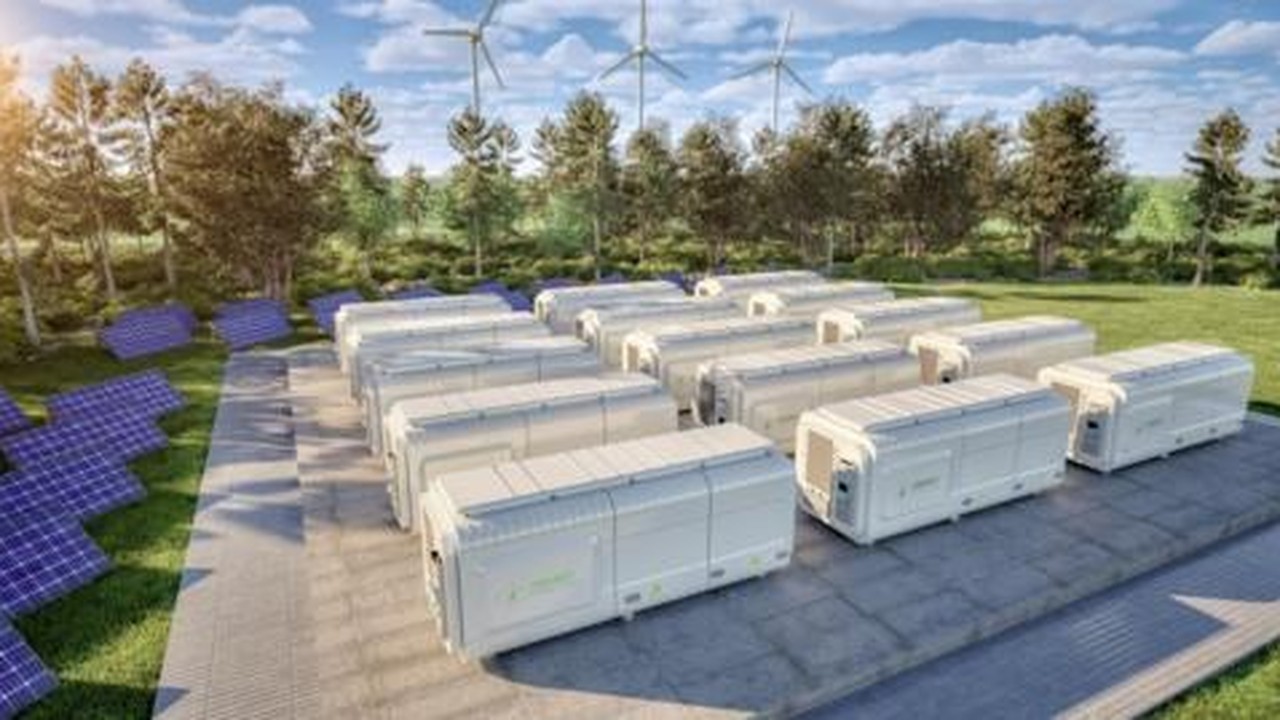

The data was compiled by the National Electric Energy Agency (ANEEL), by ABSOLAR, and by ABEEólica. With this, the state has become the national leader when it comes to clean energy.
Solar and Wind Giants Transform the State’s Map
While many states still depend on polluting sources, Piauí is advancing at an accelerated pace.
Today, its installed capacity reaches almost 9 gigawatts (GW). This volume is sufficient to supply about 4 million households. However, local consumption is around only 1 GW.
Because of this, the state has established itself as an energy exporter to the National Interconnected System (SIN). In other words, the excess clean energy produced in Piauí supplies other regions of the country.
Among the major highlights is the Lagoa dos Ventos Wind Complex, from Enel Green Power. With more than 1 GW of capacity, it is the largest in Latin America.
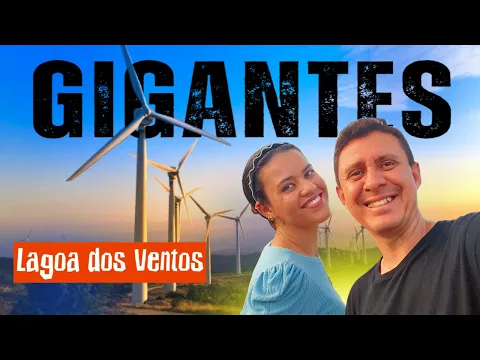

Additionally, the São Gonçalo Solar Park, located in São Gonçalo do Gurguéia, ranks among the largest in South America.
Clean Energy Surplus Becomes a Tool to Attract Industries
In light of this scenario, the state government decided to change its strategy. Instead of merely exporting electricity, the plan now is to use the surplus to attract companies and generate jobs.
Governor Rafael Fonteles made this clear:
“Of these 9 GW of capacity, we consume only 1 GW. The idea is to greenly industrialize this energy surplus with data centers, green hydrogen, and green steel, transforming energy capacity into economic development and job creation.”
Thus, clean energy is now seen as an economic asset. Moreover, it reduces costs and increases interest from companies looking to operate with a lower environmental impact.
Interior Cities Become Clean Energy Hubs
At the same time, investments have not been concentrated in a single spot. On the contrary, 21 municipalities in Piauí already host clean energy projects. Cities like Lagoa do Barro do Piauí, Simões, and São João do Piauí have become references in the sector.

Meanwhile, new areas are coming into focus, such as Cristino Castro and Sebastião Leal. This helps to spread development, income, and infrastructure.
Kárita Allen, the Director of Strategic Management at Investe Piauí, explains:
“The expansion of solar and wind farms has generated jobs, increased revenue, and strengthened energy infrastructure, as well as positioning the state as a competitive destination for new industrial investments that demand clean energy.”
In your opinion, is the government of Piauí handling the gold mine it has on its hands properly, or could all this money end up being wasted due to incompetent management?