Portuguese
  Spanish


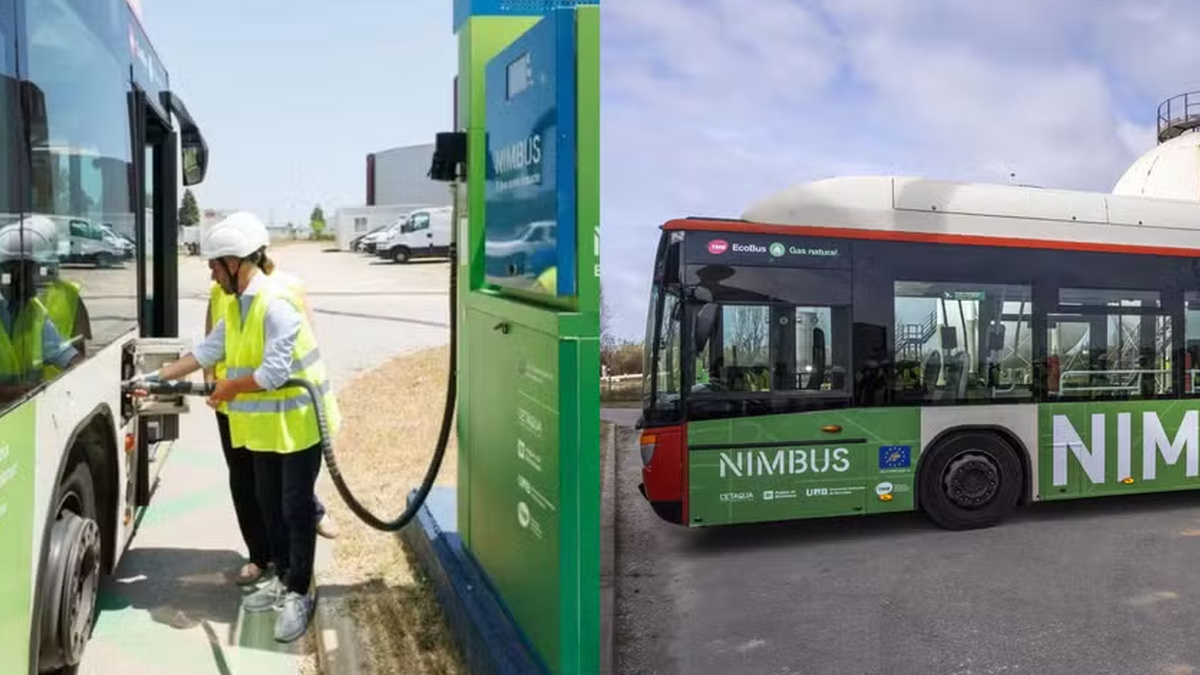

Life Nimbus Project Presents Bus Powered by Human Waste That Has Already Traveled 42,000 Km in Barcelona. Initiative Reduces Emissions, Utilizes Waste, and May Inspire Clean Transportation.
Scientists and authorities in Barcelona have put into operation a bus powered by human waste that, since it began operating 39 months ago, has already traveled over 42,000 kilometers using biomethane derived from the waste of more than 1.5 million people.
The pilot vehicle is part of the LIFE NIMBUS project and operates with renewable fuel produced from sludge generated in wastewater treatment.
The initiative aims to reduce carbon emissions, promote energy savings, and serve as a model for more sustainable public transportation.
-
Green Roofs on Homes Gain Popularity for Reducing Heat, Noise, and Rain Impact in Brazil

-
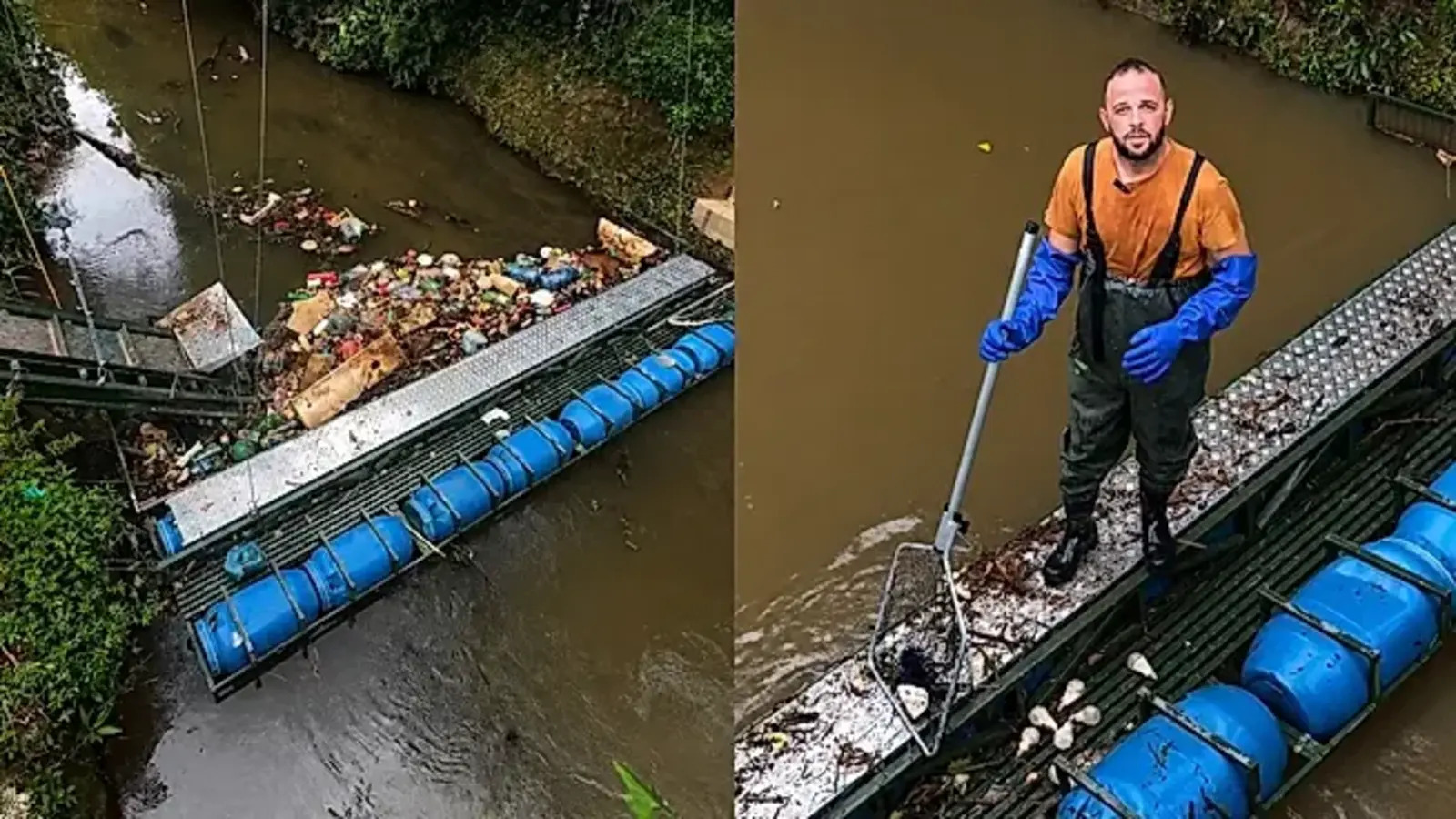
Brazilian promises his children to save a river, creates an eco-barrier in his backyard, has already removed more than 40 tons of trash from the water, and even inspires the idea in other states of the country.

-
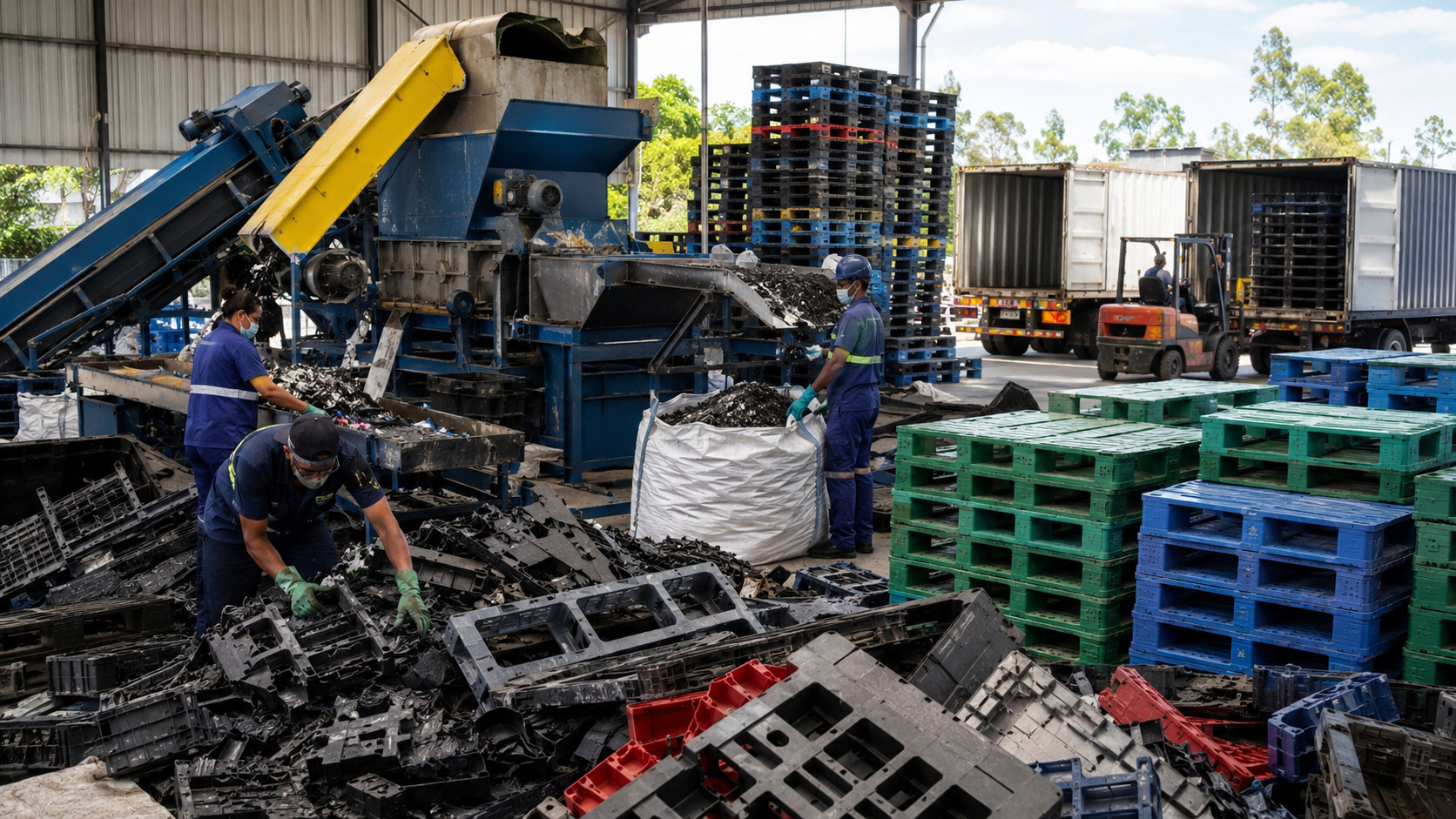
How a Brazilian company created a system that transforms broken pallets of any brand into new assets, recycles 80 tons of plastic per month, and found a profitable solution to a problem that challenges industries across the country.
-
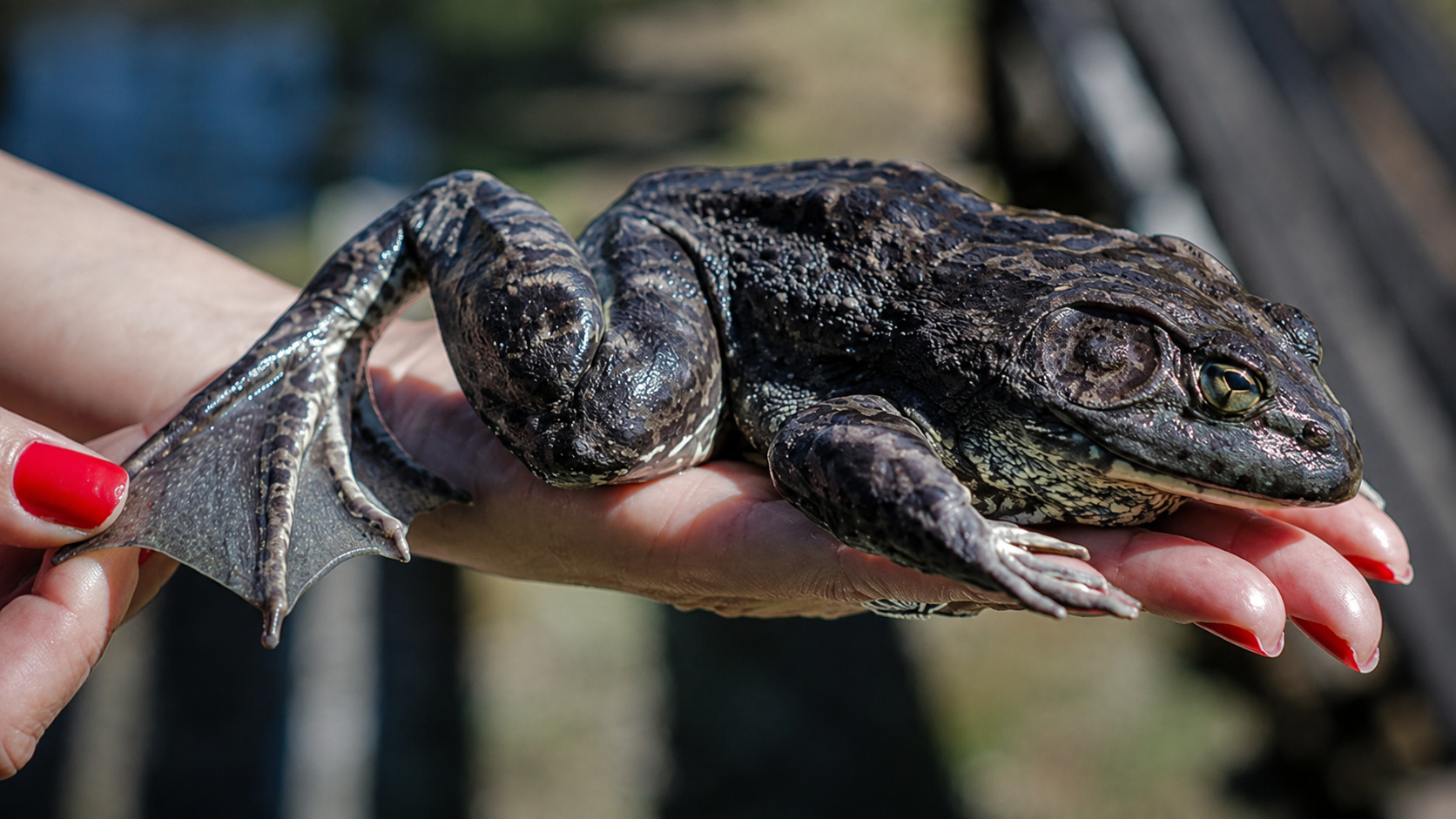
Invasive bullfrog capable of devouring other amphibians and laying up to 20,000 eggs is found in Florianópolis, raising an alert about the threat to native fauna.

How the Bus Powered by Human Waste Works
This bus powered by human waste uses biomethane — gas resulting from the decomposition of organic waste (in this case, human waste) — as fuel. The material is processed at water treatment stations in Barcelona.
The raw gas undergoes purification to generate high-purity biomethane, compatible with engines that meet Euro VI standards, without the need for special adaptations.
Results and Environmental Impacts
Since the beginning, the bus operating with human waste has already reduced its carbon footprint by about 85% and increased energy efficiency obtained from biogas by 70%.
The vehicle travels, on average, more than 14,000 km per year, demonstrating that the operation can be sustainable in the long term.
Who is Behind the Project
The program is the result of a joint effort between municipal departments of water and transportation in Barcelona, the Universitat Autònoma de Barcelona (UAB), and research institutes.
Entitled LIFE NIMBUS, it demonstrates how institutional partnerships can create green solutions.
Public Reactions
Residents generally reacted positively to the concept of the bus powered by human waste. Rosa Maria Gay, a retired Catalan, commented: “I think it’s a fantastic idea. We already utilize animal waste, so why not our own?”.
Meanwhile, Alessandra Spano, a computer science student, stated: “As long as it’s renewable energy and doesn’t smell bad, I think it’s great.”
Challenges and Expansion Opportunities
Although the model already shows promise, there are technical and social acceptance challenges to overcome.
The continuous production of biomethane on larger scales depends on sewage treatment infrastructure, investment in gas purification, and supply logistics.
On the other hand, the success of the bus powered by human waste paves the way for other cities to expand this type of transportation.
The SEMPRE-BIO project, for example, was launched with an investment of over 11 million euros to increase biomethane production and serve more bus lines in Barcelona.
Why This Transportation Matters
In times of climate change and the search for renewable energy sources, initiatives like this are extremely relevant.
A bus powered by human waste represents an intelligent use of waste that would normally be discarded, transforming sanitation problems into environmental and urban mobility opportunities.