Portuguese
  Spanish


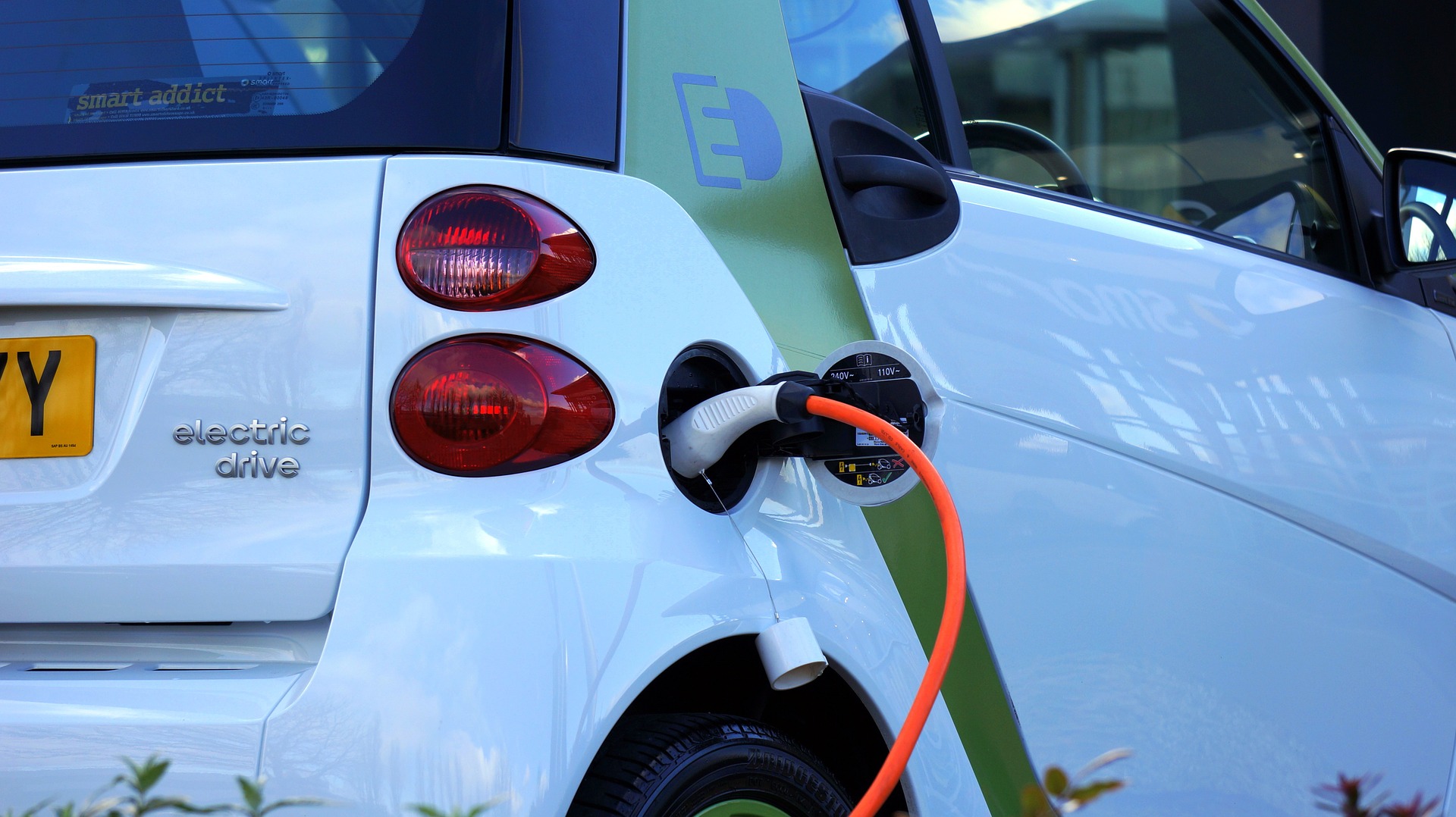

The Commercialization of Electric Cars in Brazil Is Getting Closer to the Boom, Brazilian Gas Stations Must Adapt If Both Bills Are Approved.
The electric car automotive industry is rapidly moving toward success in the Brazilian market, with increasing pressure for energy efficiency and combating the harm that cars cause to the environment. It is natural for automakers to start investing in solutions for the development of new products with this purpose. But, without wanting to rain on anyone’s parade, but already doing so, we are in Brazil, and our reality is quite different from that of countries where electric cars are almost a trivial item in everyday life.
Read Also
- Electric Cars, The Advantages and Challenges Brazil Will Have to Face
- Aquatic Adaptation Course 2018: The Moment to Be a Maritimer Is Now!
- The Federal Government’s Goal Is to Deliver Almost One Project Per Week in 2020
- Wind Blade Removed from Highway Two Days After Accident That Resulted in the Death of Two People
Do we have the conditions for a sudden increase in this segment in our industry? With market opening, is it possible that we can make these products more accessible to the average public? And maintenance, charging… how does that work?
The Two New Laws Aiming to Implement the Commercialization of Electric Cars in Brazil
The main idea of the two new laws is to “liberate” commercialization for consumers so that they can migrate to the free market. With the arrival of electric cars, the demand for electric energy will also increase, and the creation of new power plants will be necessary.
-
Latin America’s Largest Port Invests $400 Million in Rail System with Trains Up to 2.4 Kilometers Long
-
New Smart Radar Begins Issuing Fines to Solo Drivers in Carpool Lanes, Uses Cameras to Count Occupants, Changing Traffic Enforcement Rules on Busy European Roads

-
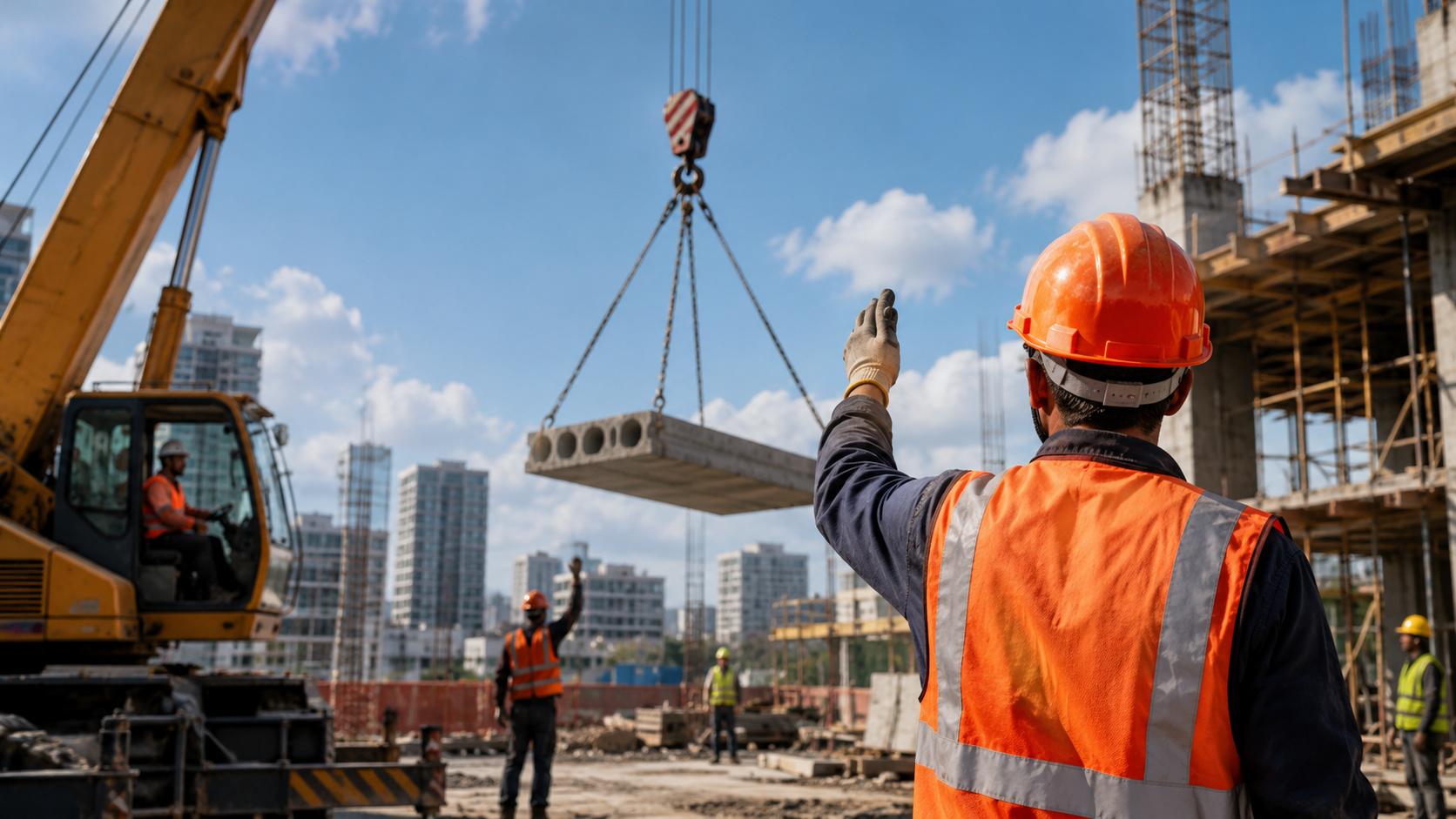
Why can the crane operator only obey the correct signalman on the construction site: among dozens of workers, a hand raised by the wrong person can confuse the maneuver and turn a load of tons into an immediate risk.
-
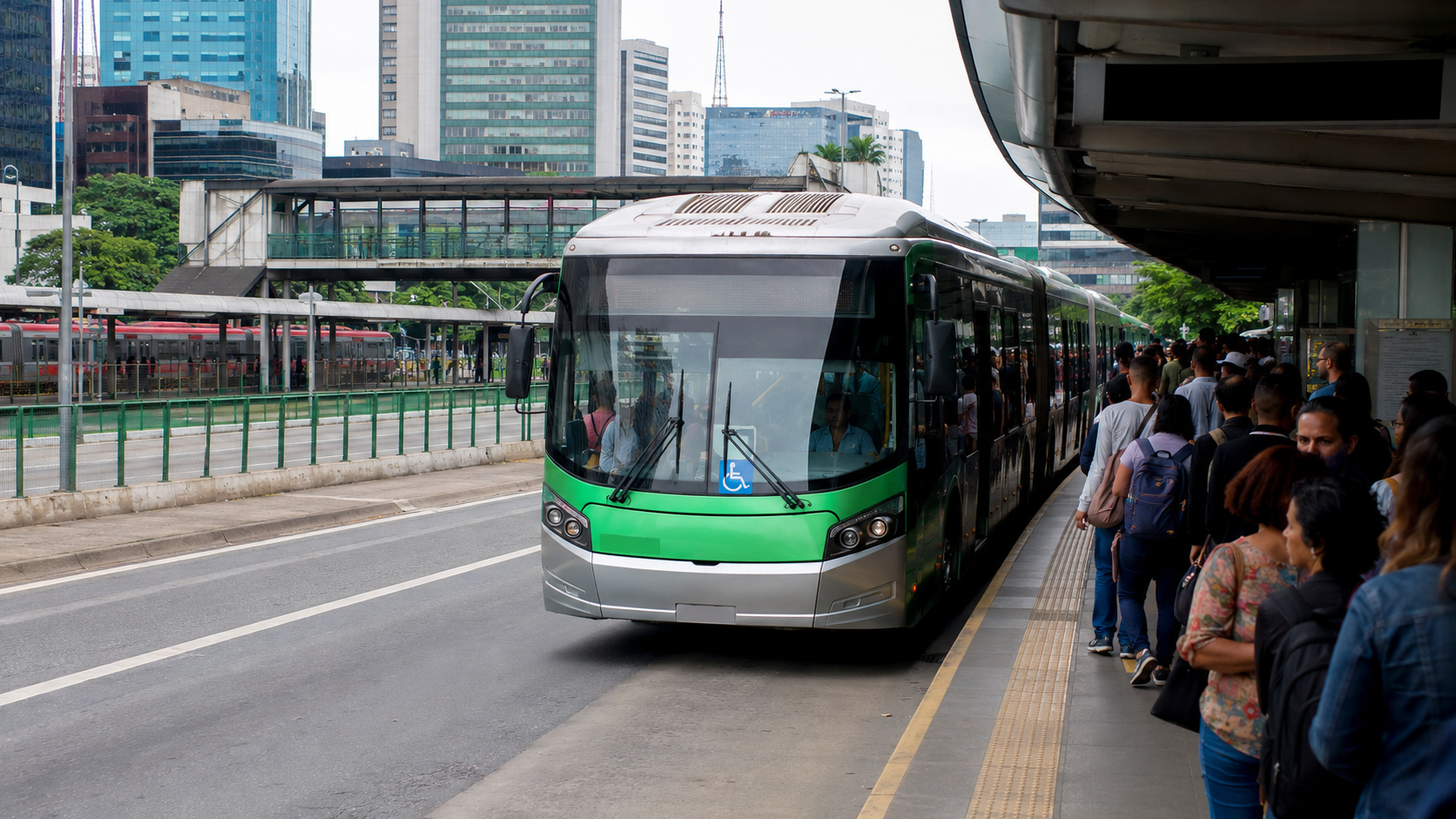
What changes with the new public transportation rules that can reduce pressure on fares and pave the way for zero fare in Brazil?

According to Ivo Pugnaloni, president of ENERCONS, electric cars, being a success in Japan, the USA, and Europe—countries that have already implemented laws prohibiting the use of gasoline-powered cars effective in 2023—would also be an unquestionable success in the Brazilian market.
Brazilian Law Aims to Ban the Sale of Gasoline Cars by 2030
The Bill of Senate Law No. 304/2017, previously approved by the Constitution and Justice Committee (CCJ), aims to ban the sale of diesel and gasoline cars in Brazil by 2030.
This project is authored by Senator Ciro Nogueira (PP-PI), who, in presenting the proposal, explained that vehicles powered by fossil fuels are responsible for one-sixth of carbon dioxide emissions into the atmosphere—which in turn causes the greenhouse effect.
The project dictates that starting January 1, 2030, any vehicle that uses fossil fuels will have its commercialization prohibited within national territory. The senator also proposes that, starting in 2040, the circulation of any vehicle powered by a combustion engine will also be prohibited.