Portuguese
  Spanish


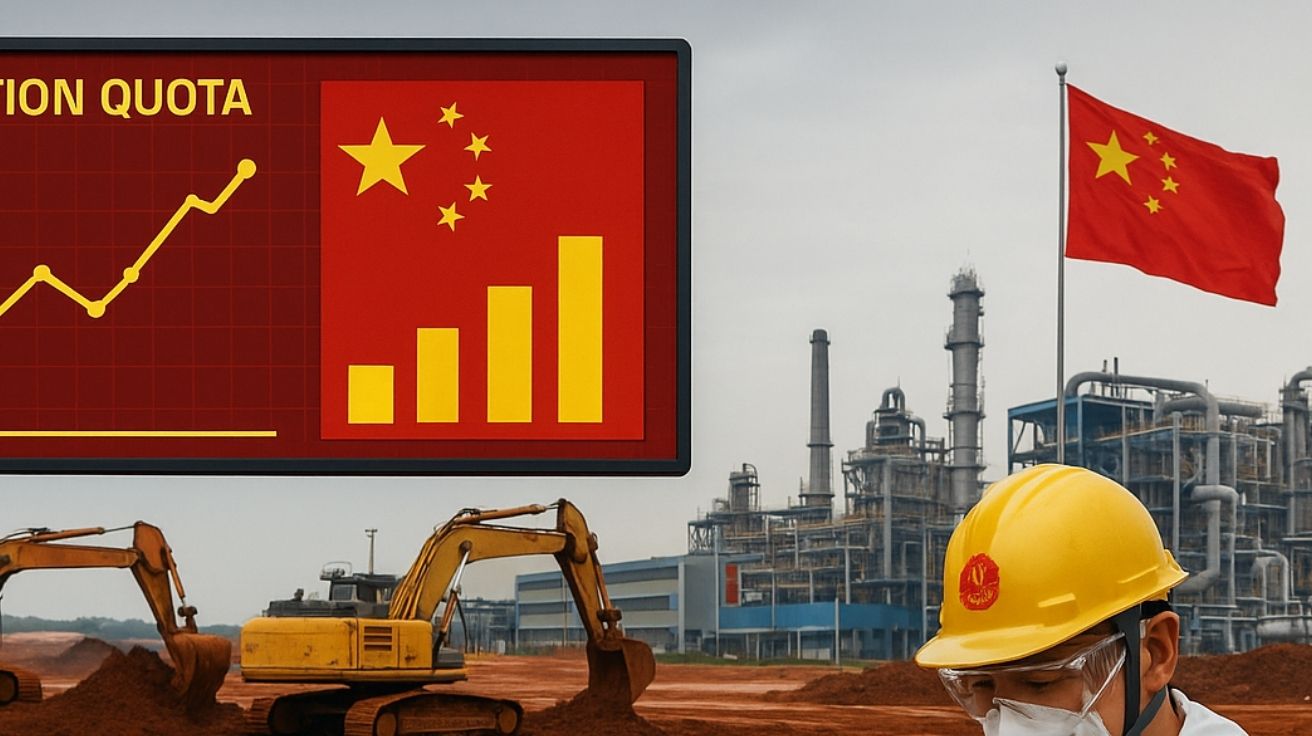

Measures Adopted In The Last 15 Years Transformed The Largest Global Producer Into A Regulatory Power Of Rare Earths, With Direct Impact On The Global Automotive And Technology Industries
China Has Drastically Reinforced Its Dominance Over The Rare Earths Sector In Recent Years, Consolidating Miners, Restricting Exports, And Imposing Total Traceability Of The Production Chain. The Information Comes From Reuters, Based On Documents And Analyses Released On July 7, 2025. In April Of This Year, The Asian Country Imposed New Restrictions On The Trade Of These Strategic Inputs, Causing Global Shortages In Less Than Two Months And Forcing Automakers To Halt Production.
This Move Contrasts With The Scenario In 2010, When, During A Diplomatic Crisis With Japan, Beijing Tried To Curb Exports But Was Ultimately Sabotaged By Illegal Mining And Smuggling Networks. Today, The Sector Is Completely Restructured And Under Strict Control Of The Chinese Government, Responsible For 90% Of Global Processing Capacity.
Through Mergers, Quotas, And Digital Tracking, The Country Has Transformed What Was Once A Chaotic And Fragmented Market Into A Powerful Geopolitical Tool, Directly Affecting The Global Supply Of Essential Elements For The Production Of Magnets, Batteries, Chips, And Military Equipment.
-
Brazilian Company in Minas Gerais Innovates by Using Electric Currents to Extract Critical Metals from Industrial Waste

-
U.S. Acquires Brazil’s Only Rare Earth Mine for $2.8 Billion, Diverting It from China

-
Indian Project Aims to Recover Zinc and Silver from Mining Waste, Targeting Over ₹3.8 Billion Revenue in 28 Months
-
Giant 142 kg Emerald from Brazil’s Bahia Region Auctioned with Starting Bid of Nearly $16 Million


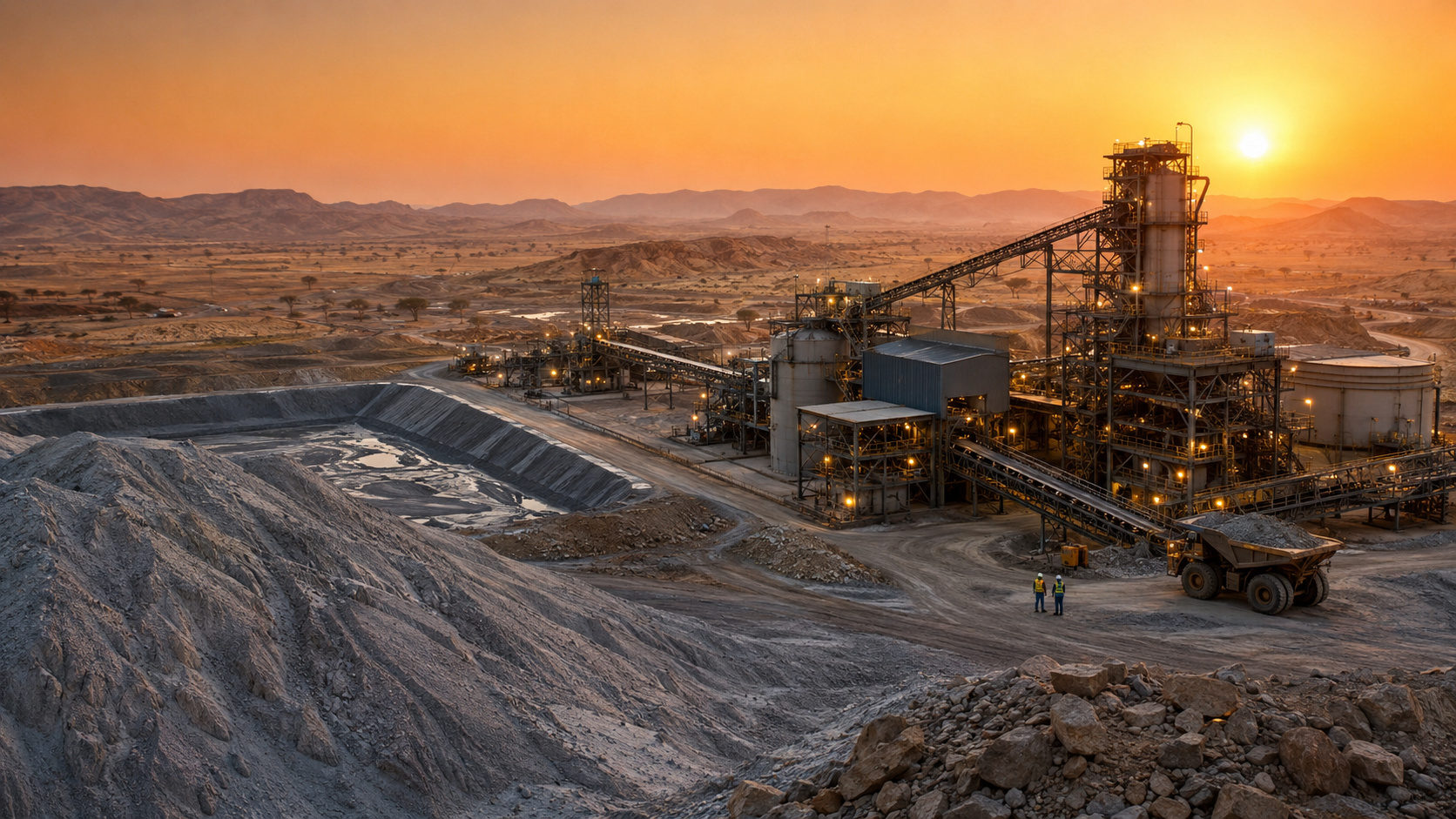

Consolidation Eliminated Hundreds Of Illegal Miners And Strengthened State-Owned Enterprises
Until 2010, The Rare Earth Industry In China Was Composed Of Hundreds Of Independent Miners And Refiners, Many Operating Illegally. This Scenario Started To Change With A Series Of Measures That Culminated In 2013 With The Formation Of Ten Dominant Groups. Today, Only Two State Giants Remain: China Rare Earth Group And China Northern Rare Earth Group High-Tech.
This Consolidation Gave The Government Direct Control Over Production And Exportation, As Well As Allowing The Implementation Of Stricter Environmental Standards. According To Professor David Abraham From Boise State University, The Chinese Model Has Significantly Reduced The Environmental Damage Caused By Illegal Mining.
In The Past, Clandestine Networks Transported Raw Ore To Unauthorized Separation Facilities And Then Exported The Processed Products As If They Were Legal Goods. In 2014, About 40,000 Tons Of Rare Earth Oxides Were Smuggled Out Of The Country — A Volume 50% Higher Than That Of Official Exports That Year.
Magnet Tracking And Production Quotas Reinforce Total Control
Although The Magnet Sector Has Yet To Be Fully Consolidated Like Mining And Refining, New Rules Came Into Effect In June 2025, Requiring Manufacturers To Report Produced Volumes, Transactions, And Customer Data. The Measure Aims To Allow For Complete Traceability Of The Chain, From Ore To Final Piece.
Simultaneously, Production Quotas, Created In 2006, Have Become Another Key Tool To Control Global Supply. In 2024, Only The Two State Conglomerates Received Production Licenses, Compared To Six In The Previous Period. Additionally, The Growth Rate Of Supply Was Severely Reduced: While In 2023 The Annual Increase In Quotas Was 21.4%, The Following Year It Was Only 5.9%.
For 2025, Analysts Believe That Quota Growth Is Expected To Be Zero Or Below 5%, Which Reinforces The Chinese Government’s Intention To Keep Prices High And Supply Restricted.
Technology For Magnet Production Has Also Been Included In The Restrictions
In Addition To Physical Quotas, China Also Blocks Exports Of Technology Necessary For The Separation And Refining Of Rare Earths. Since 2023, This Ban Has Extended To The Techniques Used In Magnet Manufacturing, Essential Elements For Electric Motors, Turbines, And Missile Guidance Systems.
As A Result, Countries That Depend On Imports — Such As The United States, Japan, And European Union Members — Face Challenges In Diversifying Their Supply Chains. Even With Initiatives To Develop Domestic Production, These Countries Struggle With A Lack Of Technology And Infrastructure Currently Concentrated In China.
The Measure Is Seen As Part Of A Broader Strategy Of Using Rare Earths As A Diplomatic Tool, As Well As An Instrument Of Economic Retaliation In Trade And Geopolitical Disputes.