Portuguese
  Spanish


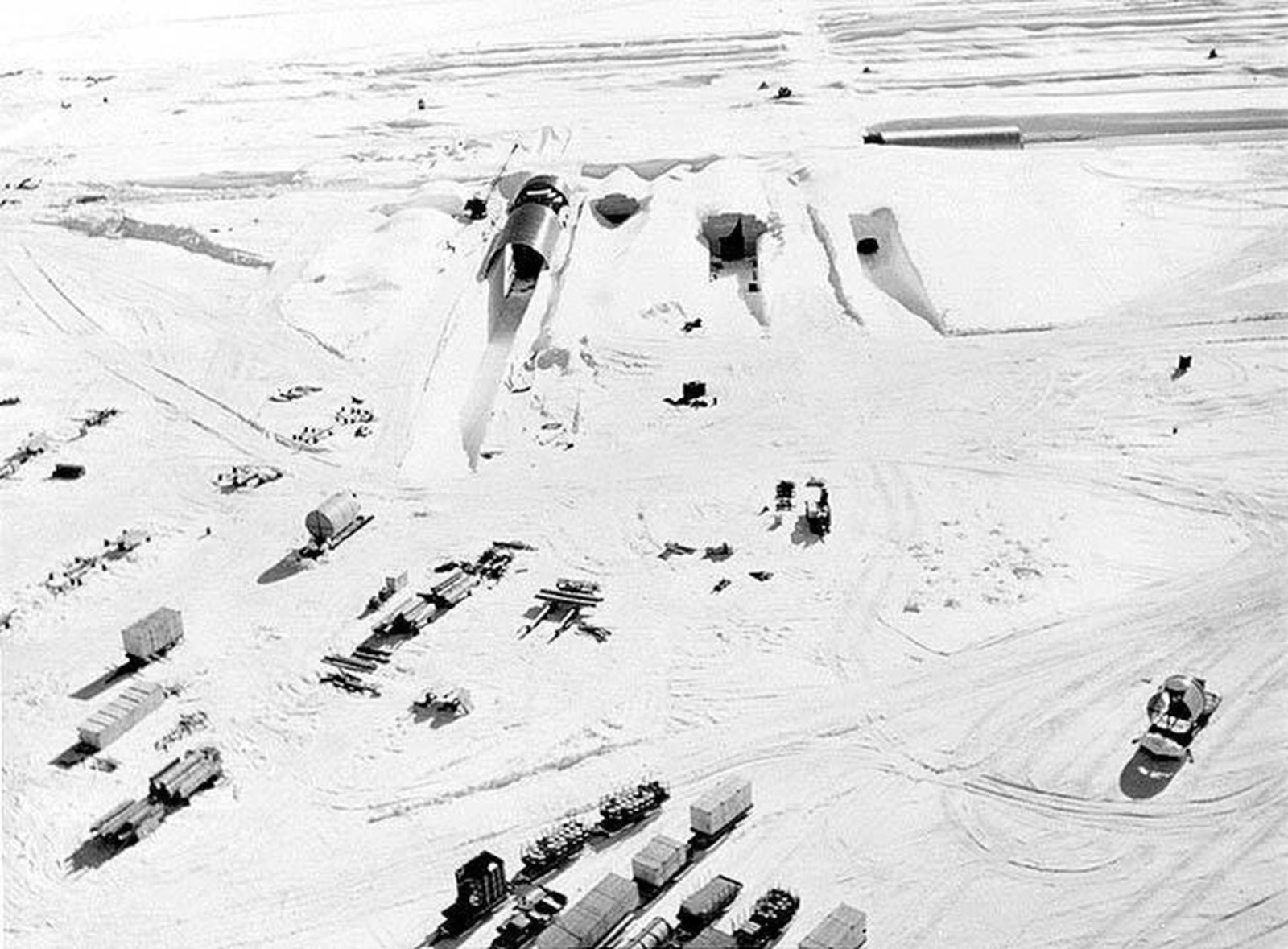

After Soviet Nuclear Test, Washington Conceived the Iceworm Project, Planning Giant Tunnels, Mobile Missiles, and Hidden Bases in Greenland, Revealing Technological Risks, Silent Diplomatic Agreements, and Lasting Environmental Impacts
After the end of the nuclear monopoly of the United States in 1949, when the Soviet Union tested its bomb, secret strategies emerged, including a plan to hide missiles beneath the ice of Greenland.
The Soviet test of 1949 ended an unprecedented strategic advantage that began in 1945 and led Washington to urgently reassess its military and defense doctrines.
From that point on, the logic of nuclear deterrence began to guide political and military decisions, expanding investment in secretive and technologically risky projects.
-
U.S. Women’s History Museum Stalled in Congress Amid Gender Identity and Diversity Debate

-
European Parliament Approves Digital Euro, Aiming to Challenge Visa and Mastercard’s Dominance and Transform Payments Across Europe by 2029
-
Israel finds Hezbollah militarized tunnel over 200 meters long under village, with 4 missile launch shafts, 12 chambers, anti-tank missiles, drones, and weapons depots at a depth of 25 meters.

-
Ukraine launches largest drone attack on Moscow since 2022, Russia claims to have intercepted nearly 200 aircraft near the capital, Kapotnya refinery targeted again, and offensive reignites alert about war reaching the Russian energy heart just a few kilometers from the Kremlin.


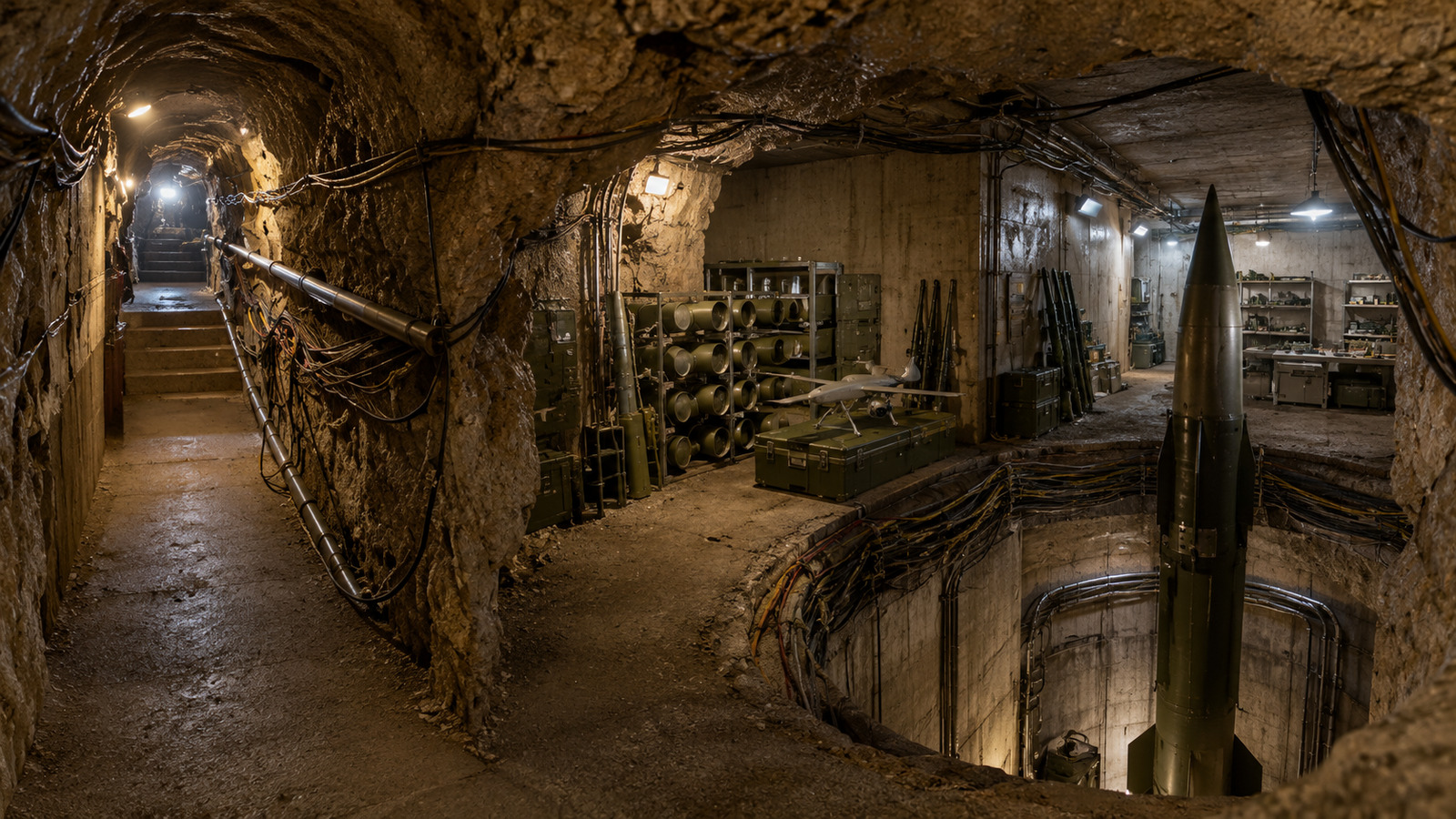

Nuclear City in Greenland: Hidden Weapons in the Arctic
In this context, the American Army conceived a plan deemed extreme even by Cold War standards, involving underground tunnels beneath the polar cap.
The proposal consisted of creating a network capable of hiding mobile nuclear missiles, reducing vulnerabilities and ensuring retaliation in the event of a Soviet attack.
Greenland was chosen for its strategic location between North America and Asia, as well as its natural difficulty of monitoring by rival powers.

Political Agreements and Nuclear Silence
In the 1950s, Greenland was an autonomous territory under the sovereignty of Denmark, which required careful diplomatic negotiations.
An agreement reached in 1951 allowed the U.S. to install military bases, including Thule Air Base, without explicitly mentioning nuclear armaments.
This legal silence was essential to enable broader plans, avoiding internal and international political resistance at that sensitive moment.
Distance, Ice, and Deterrence
Ultra-secret documents later analyzed by the Atomic Heritage Foundation detailed why Greenland appeared strategically ideal.
The distance of about 4,800 km to Moscow would allow for reduced response times, strengthening the so-called second strike capability.
The thick ice provided natural camouflage, making aerial or satellite detection difficult in the technologically limited early years of the Cold War.
A Colossal-Scale Plan
The project envisioned digging approximately 130,000 km² of tunnels, an area equivalent to three times the territory of Denmark, something unprecedented historically.
Within this network, 600 medium-range ballistic missiles, called Iceman, would constantly circulate to avoid precise location by the enemy.
The infrastructure would include an underground city with dormitories, a hospital, a school, cafeterias, a cinema, and a permanent presence of about 11,000 soldiers.
Camp Century as a Front
To test feasibility, the Army built Camp Century in 1958, publicly presented as a scientific center in the Arctic.
In practice, the site functioned as a military laboratory, validating excavation, habitation, and survival techniques under extreme ice.
The choice of a scientific narrative reduced public questioning and kept the true objective protected for several years.
Extreme Conditions and Technical Challenges
Located about 240 km from Thule, the camp faced temperatures of up to –57 °C and winds exceeding 190 km/h.
The supply transport required slow logistics, with sleds moving at 3 km/h on routes lasting approximately 70 hours.
These conditions tested human and material limits, revealing challenges not fully anticipated in the initial plans.
Engineering Under Constant Pressure
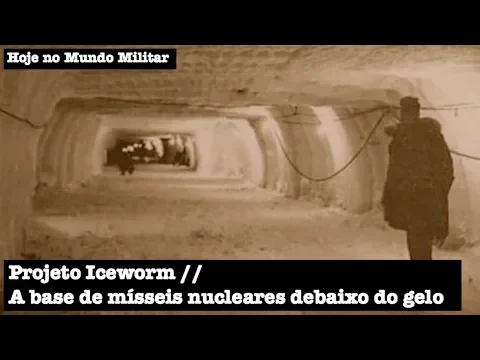
The tunnels were excavated in deep trenches, reinforced with steel arches and again buried by the snow that had been removed.
The main gallery, called Main Street, was about 300 meters long and connected essential structures of the underground camp.
In total, 26 tunnels were built, totaling just over 3 km, according to the site All That’s Interesting.
Nuclear Energy in the Ice
In 1960, Camp Century became a pioneer by operating with the portable nuclear reactor PM-2A, providing continuous power to the installation.
To sustain the public image, the Army produced a documentary extolling the alleged scientific city built beneath the ice.
This communication helped reinforce the peaceful facade while military tests continued discreetly.
The Beginning of Structural Collapse
Despite the innovation, the ice cap proved unstable, continuously shifting and deforming tunnels over time.
In 1962, the ceiling of the reactor room sank nearly 1.5 meters, as highlighted by the magazine Aventuras na História.
This episode evidenced rising risks and called into question the viability of the undertaking.
Limits of the Iceworm Project
The extreme cold made metal brittle, raising risks of potential serious failures and nuclear accidents inside the ice.
Of the more than 80,000 km of planned tunnels, only about 3 km were actually constructed during the entire operation.
The reactor operated for just 33 months, and the population never exceeded 200 people, far below the expected 11,000.
Cancellation and Abandonment of the Project
In 1963, the project was officially terminated, recognizing that the technical challenges outweighed the expected strategic benefits.
Camp Century continued to operate on a reduced scale until 1966, when it was finally abandoned by the American Army.
The reactor was removed, but hazardous waste remained buried beneath the ice.
Waste and Late Revelations
Diesel fuel, wastewater, equipment, toxic chemicals, and various radioactive materials remained at the site.
Only about three decades later, in the 1990s, the real military purpose of Camp Century became public.
The revelation reignited debates over environmental responsibilities and strategic decisions of the Cold War.
Recent Scientific Rediscovery
Decades later, NASA scientists identified structures of the camp using ground-penetrating radar during scientific overflights.
The find demonstrated how traces of the period remain preserved beneath thick layers of ice.
These discoveries raised new concerns about the future of this waste in light of global warming.
Persistent Geopolitical Legacy
As noted by The Conversation, the American presence in Greenland reflects long-standing strategic ambitions.
Even decades later, decisions made in that context continue to influence debates on environment and security in the Arctic.
The history of the project reveals how grand solutions ignored lasting impacts, a strategy whose consequences are still emerging today.
With information from Revista Galileu.