






 Portuguese
  Spanish


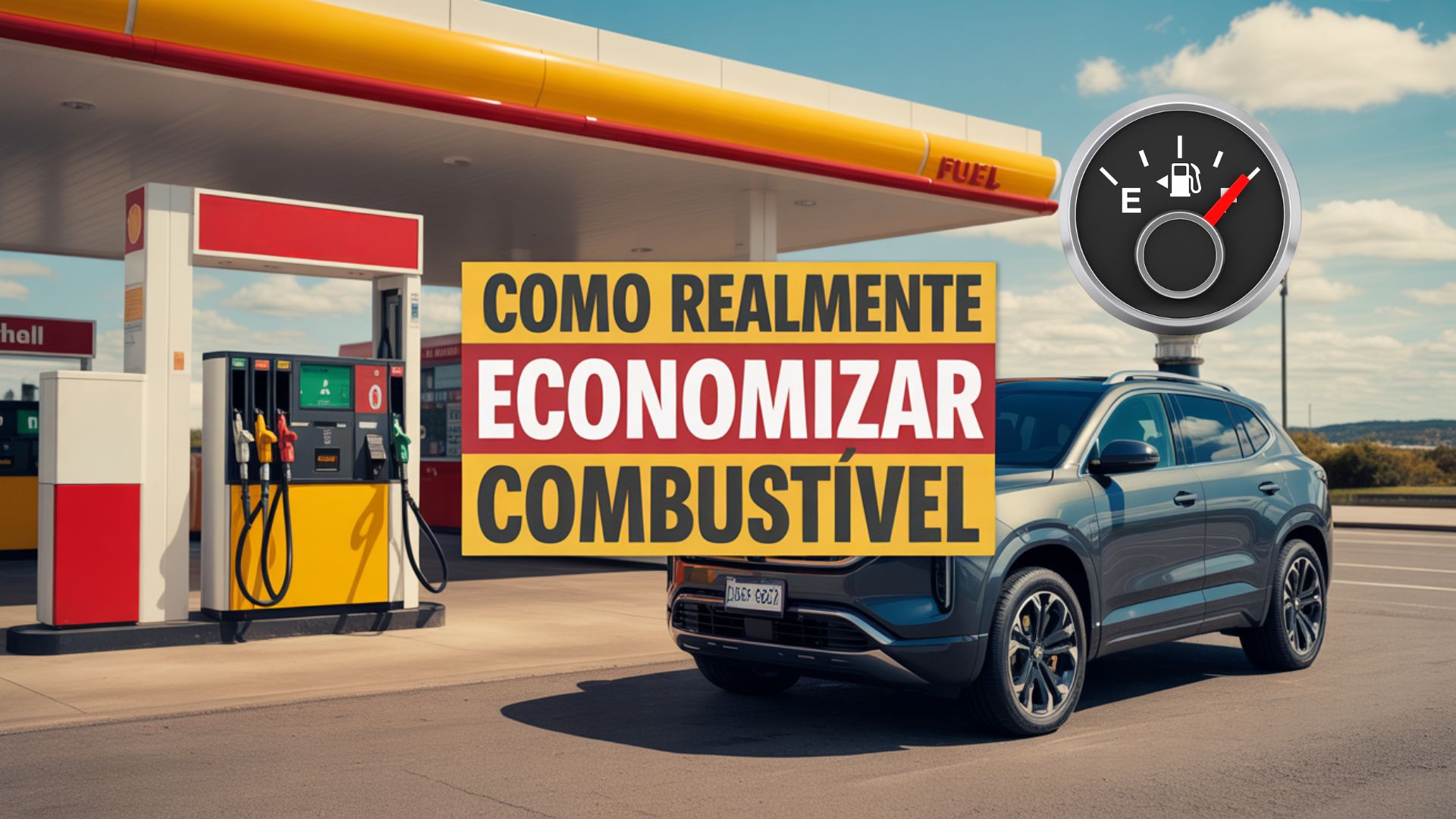


Test With Hybrid SUV Showed How Simple Habits Behind The Wheel, Allied To Proper Maintenance And Adjustments In The Use Of Air Conditioning And Tires, Can Significantly Increase Autonomy And Generate Immediate Savings For Drivers.
The price of fuel puts pressure on wallets, but simple changes behind the wheel reduce spending both in the city and on the road.
According to the news site News Automotivas, a recent trip with the plug-in hybrid Jaecoo 7 showed this in practice: the SUV traveled 1,107 km without refueling and still indicated remaining autonomy of 341 km over the route from Alphaville (SP) to the Itaipu Dam in Foz do Iguaçu (PR).
The conditions of the test included driving at a constant pace, closed windows, and air conditioning adjusted for comfort — a set of habits that any driver can replicate.
-
Drivers are falling for these scams without realizing: operation reveals closed gas stations, adulterated fuel, and hidden losses when refueling.

-
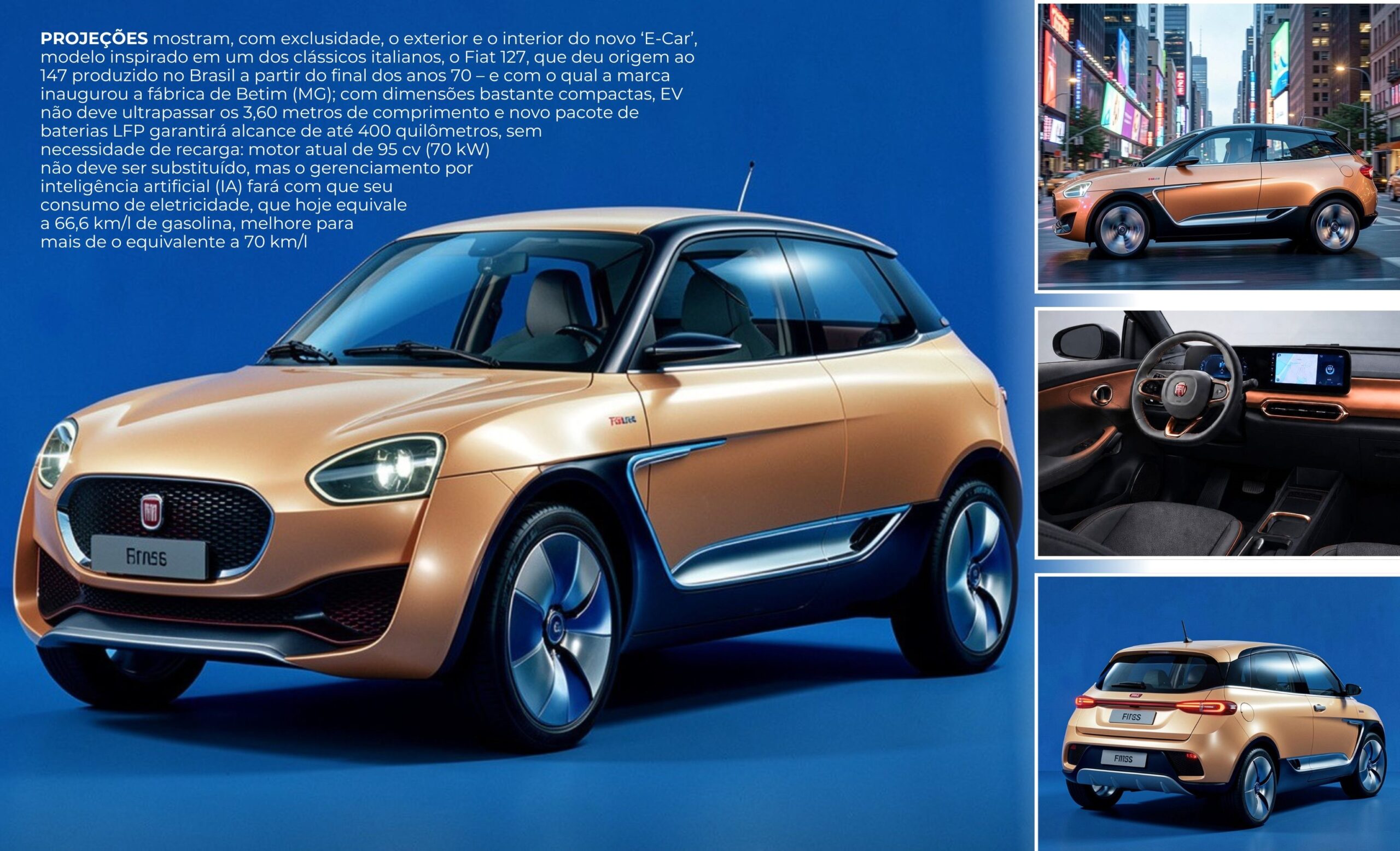
New Fiat EV, priced at R$ 77,000, will bring a reinterpretation of the 147 and a consumption equivalent to 70 km/l.

-
Petrobras surprises the market by cutting diesel by R$ 0.35 per liter, and the decision may ease the tax impact for drivers and transport companies.
-
Gasoline at R$ 4.99 makes drivers wait more than an hour at Havan gas stations in Santa Catarina, during a “zero tax” promotion with a limit of 15 liters per car and 25,000 liters available across five units of the network.




The Practical Case Of Jaecoo 7
In the evaluation carried out by Auto+ TV, the team drove more than a thousand kilometers in two days, maintaining speeds between 60 km/h and 90 km/h and the air conditioning temperature at 23 °C.
In the end, the onboard computer recorded the 1,107 km already traveled and 341 km still available, a result consistent with the official promise of up to 1,200 km of combined autonomy for the model.
The report emphasizes that regularity in driving and preserved aerodynamics made a difference throughout the journey.
According to what News Automotivas highlighted, this performance drew attention precisely because it was obtained under real use conditions, not in a laboratory.
Technique 1: Precise Pedal Control
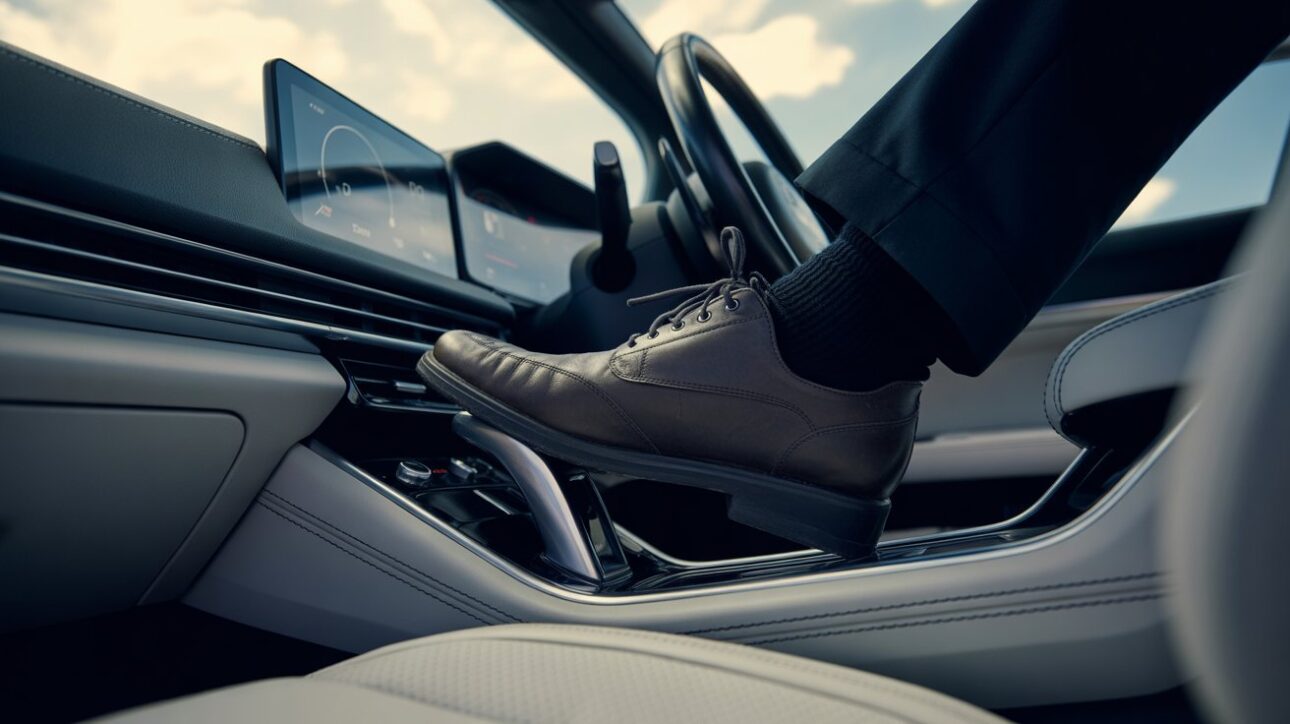
The foundation of economic driving is accelerating progressively and braking as little as necessary. It avoids peaks of demand on the engine and consumption decreases.
Economic driving manuals used in professional courses reinforce that smoothness in commands is one of the pillars for reducing fuel spending and wear on components.
Furthermore, maintaining a stable speed — within the limit and compatible with traffic flow — helps the car operate in more efficient ranges. Another point is anticipating the situation ahead.
By identifying a red light or congestion, lifting the foot off the accelerator in advance allows the vehicle to slow down gradually, avoiding hard braking.
The combined effect of smooth acceleration, less braking, and constant speed is noticeable in consumption, especially in urban segments.
Technique 2: Traffic Reading And Pace Planning
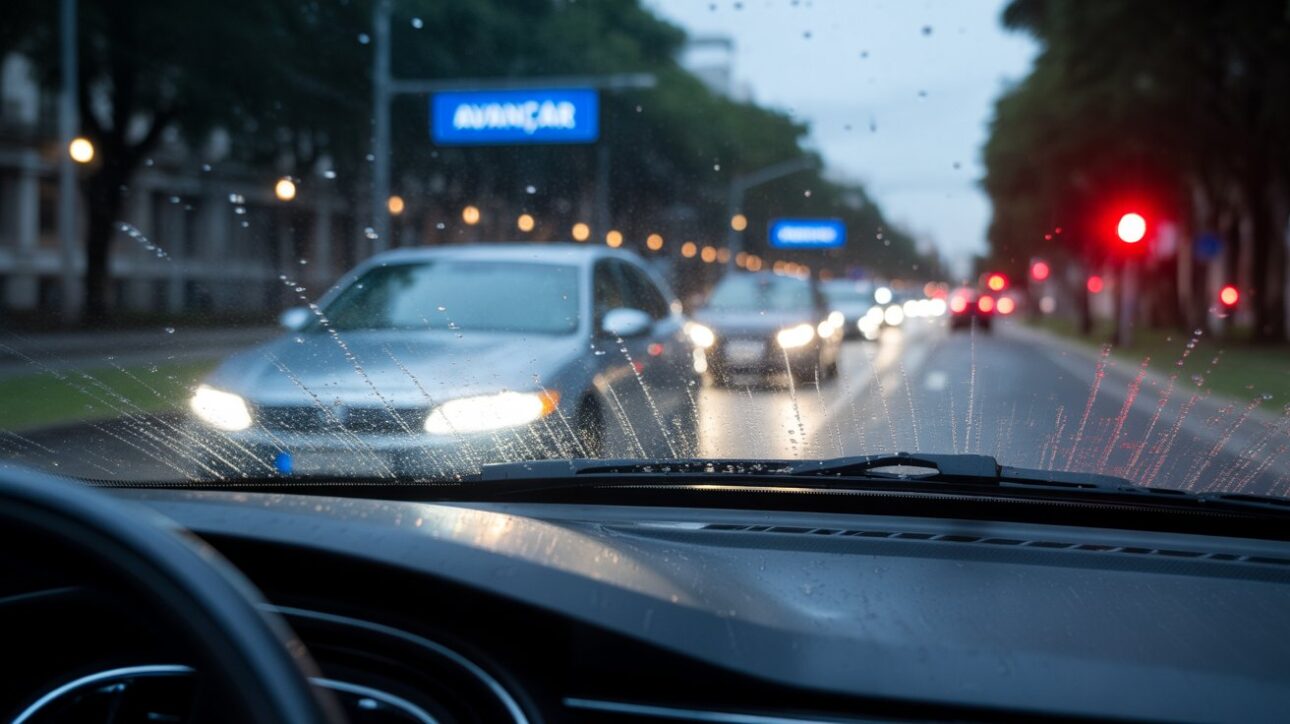
Although it seems obvious, reading traffic at a distance and adjusting the pace avoids speed “sawtooths” that waste energy.
On highways, maintaining a safe margin and observing the behavior of trucks and buses ahead reduces acceleration variations.
In urban segments, choosing routes with less stop-and-go and preserving momentum on curve exits also favors savings throughout the day.
Professional guidelines for fleets show that aggressive driving can deteriorate efficiency by 20% to 30%.
Technique 3: Inflated Tires And Low Rolling Resistance
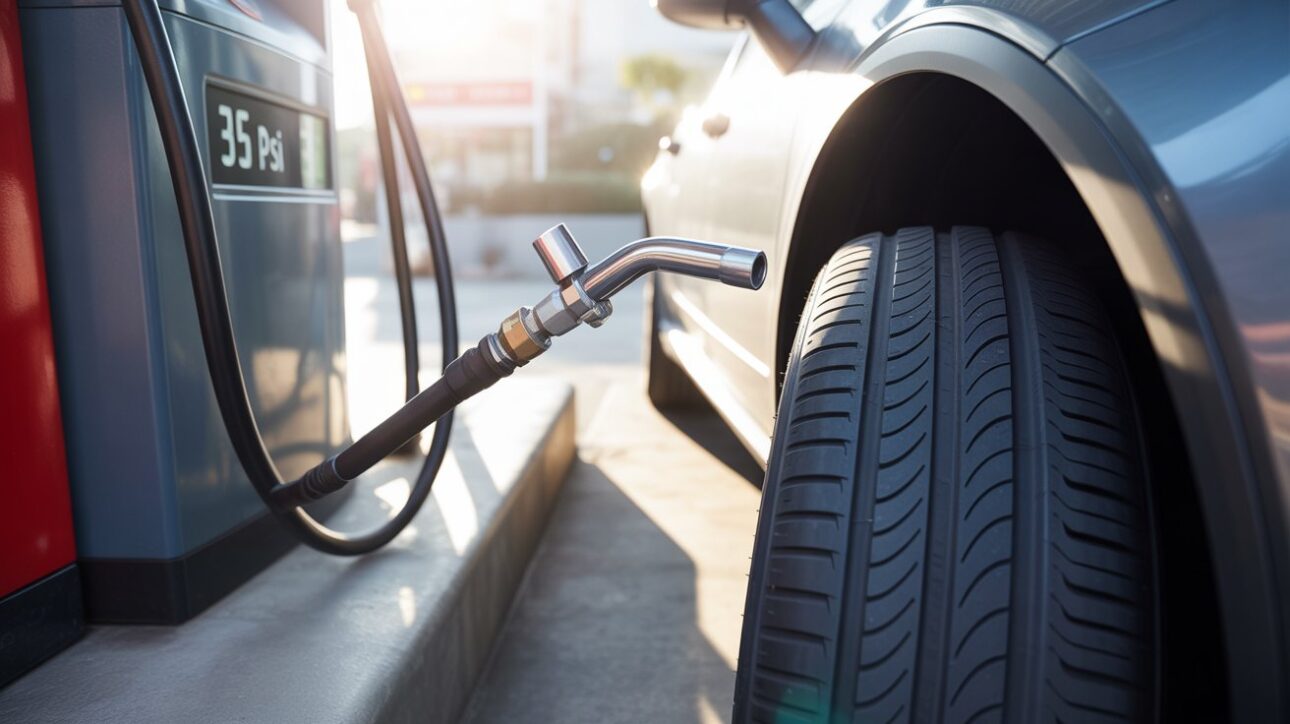
Tires with pressure at the manufacturer’s recommended values reduce rolling resistance, decreasing the effort required from the engine.
Global manufacturers such as Michelin and Continental highlight that proper inflation and low rolling resistance compounds yield consistent savings, potentially improving efficiency by up to 9%, depending on the set.
In addition to saving fuel, proper pressure preserves stability and safety, especially at high speeds. Regularly checking inflation is a simple and high-impact measure.
On trips, checking pressure with the car cold and adjusted for load when necessary avoids the tire working deformed, a situation that raises consumption and speeds up wear.
In routine, aligning and balancing on time prevents extra drag caused by convergence outside specifications.
Technique 4: Closed Windows And Moderate Air Conditioning
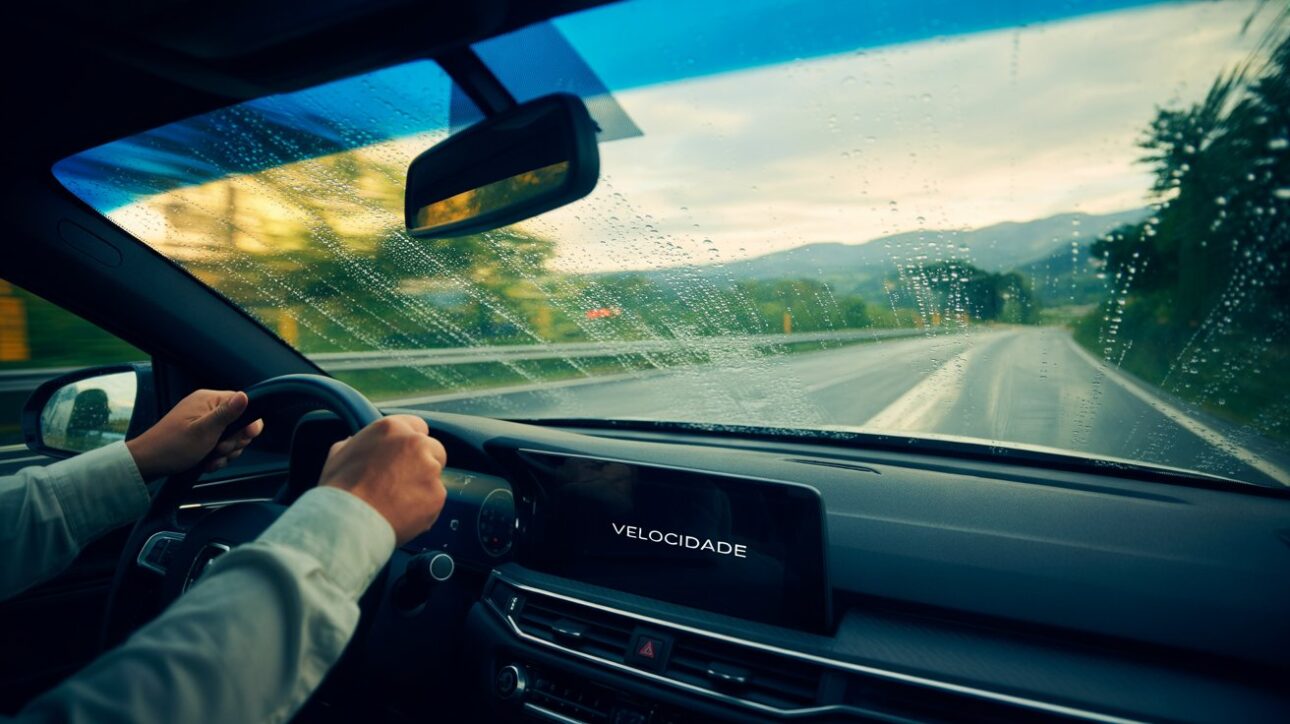
Driving with windows open at highway speeds increases aerodynamic drag, forcing the engine and worsening efficiency.
Controlled studies show that, at certain speed ranges, keeping windows closed and using air conditioning at a moderate setting is more economical than facing the turbulence created by open windows.
The exact relationship varies by vehicle and speed, but the trend remains the same: the higher the speed, the greater the aerodynamic penalty of driving with windows open.
In the Jaecoo 7 test, the team kept the windows closed and the temperature at 23 °C, reinforcing the strategy.
Research from SAE and measurements cited by U.S. Department of Energy agencies add nuance: in urban traffic and at low to moderate speeds, slightly opening the windows may be acceptable.
Above 70-80 km/h, air conditioning tends to be the lesser of the evils when compared to the additional drag.
Adjusting ventilation to not work at maximum and using recirculation when appropriate also helps.
Savings Applied To Daily Life
It works on the road and also in the city. To replicate the results, the recommendation is to plan the pace from the start, avoiding acceleration peaks.
On expressways, stabilize speed and preserve momentum on accelerations.
In the heat, adjust the air conditioning between 22 °C and 23 °C, resort to recirculation when useful, and keep windows closed at highway speeds.
At the same time, inflate tires according to the frequency indicated in the manual and watch for signs of irregular wear, which may indicate misalignment.
Keeping up with maintenance complements the package. Spark plugs, filters, and lubricants in the correct standard prevent efficiency losses due to incomplete combustion or friction.
Although they were not the focus of the test, these precautions create the scenario for the four techniques above to deliver their full potential.
In controlled conditions, as described by Auto+ TV, the sum of smooth driving, traffic anticipation, inflated tires, and preserved aerodynamics explains why a car managed to cross a good part of the country without seeing the gas station.
The News Automotivas emphasized that, given the current fuel prices, adopting simple practices like these represents immediate savings and environmental benefits.
Differences Between Vehicles And Usage Conditions
Each car reacts differently. Weight, body shape, powertrain calibration, and terrain affect consumption.
In the case of the Jaecoo 7, it is a plug-in hybrid with declared electric autonomy and specific management between combustion and electric engines, which helps to extend the total distance before refueling.
In compact cars, larger SUVs, or exclusively combustion models, the relative impact of open windows and air conditioning may vary, but the principles of aerodynamics and smooth driving remain valid.
Given the current scenario, do you already apply any of these four techniques in your daily life or plan to test them on your next trip to measure the difference in your consumption?


