





 Portuguese
  English
  Spanish
  4 min of reading
  0 comments


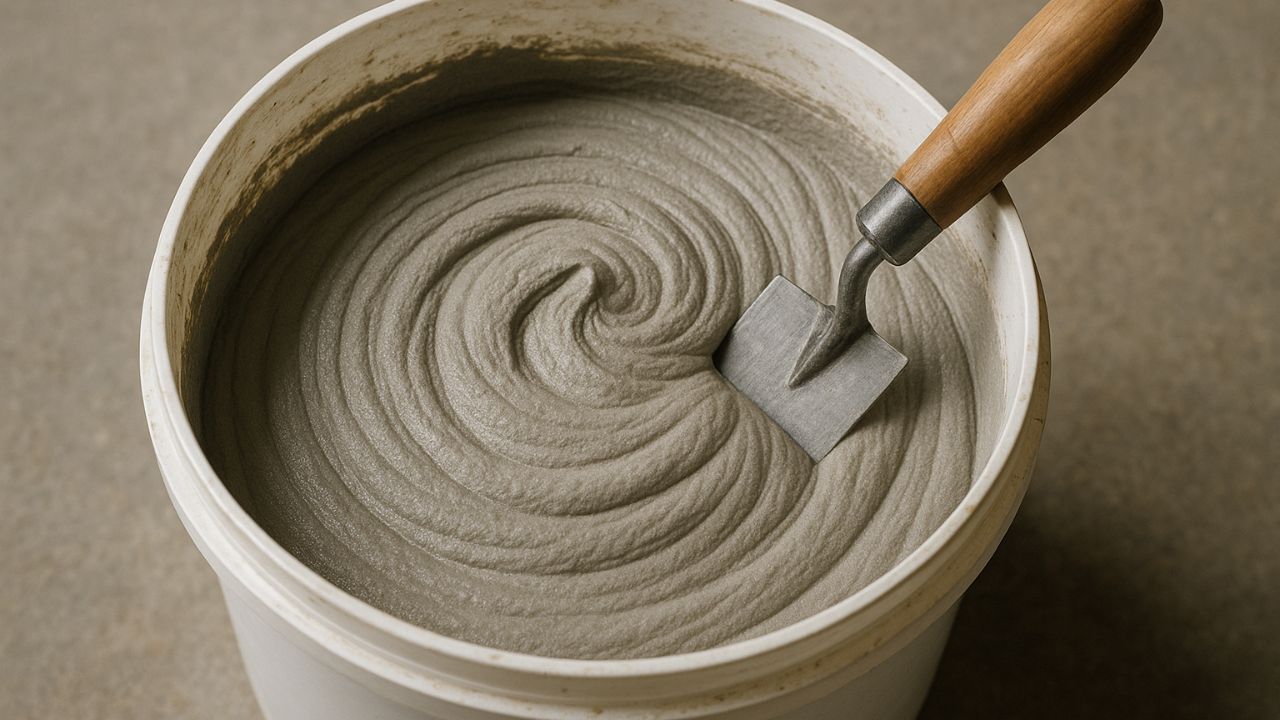
Know The Polymeric Mortar, The Technology Developed In Brazil That Solved Chronic Challenges Of Efficiency And Sustainability On Construction Sites In Europe And Asia.
A disruptive innovation from Brazilian engineering is transforming the construction industry on a global scale. This is the polymeric mortar, a technology that offers a definitive solution to persistent problems of waste, low productivity, and high resource consumption that have plagued the sector for decades. Developed by FCC Group, this Brazilian project, materialized in Massa DunDun, is not just an improvement but a true game changer, redefining standards of efficiency, cost, and sustainability.
The Inefficiencies Of Traditional Mortar In The Construction Industry
Conventional cementitious mortar has always been a cornerstone of construction. However, it carries chronic inefficiencies. The waste of material during preparation and application can reach an impressive 50%. This drives up costs and generates a large volume of waste.
Productivity is also a weak point. The process of mixing cement, sand, and water consumes time and labor. The application is slow and requires a long curing period, delaying the project timelines. Additionally, the high water consumption for mixing is a significant environmental disadvantage.
-
How to properly build a brick wall, starting with measuring the area, choosing materials, preparing the mortar, aligning with nylon string, and finishing with lime, putty, and paint.

-
Four thousand PET bottles became a 24m² house in the interior of São Paulo, as ten students proved that it’s possible to build a home from floor to ceiling with recycled plastic, spending 30% less than a brick construction.

-
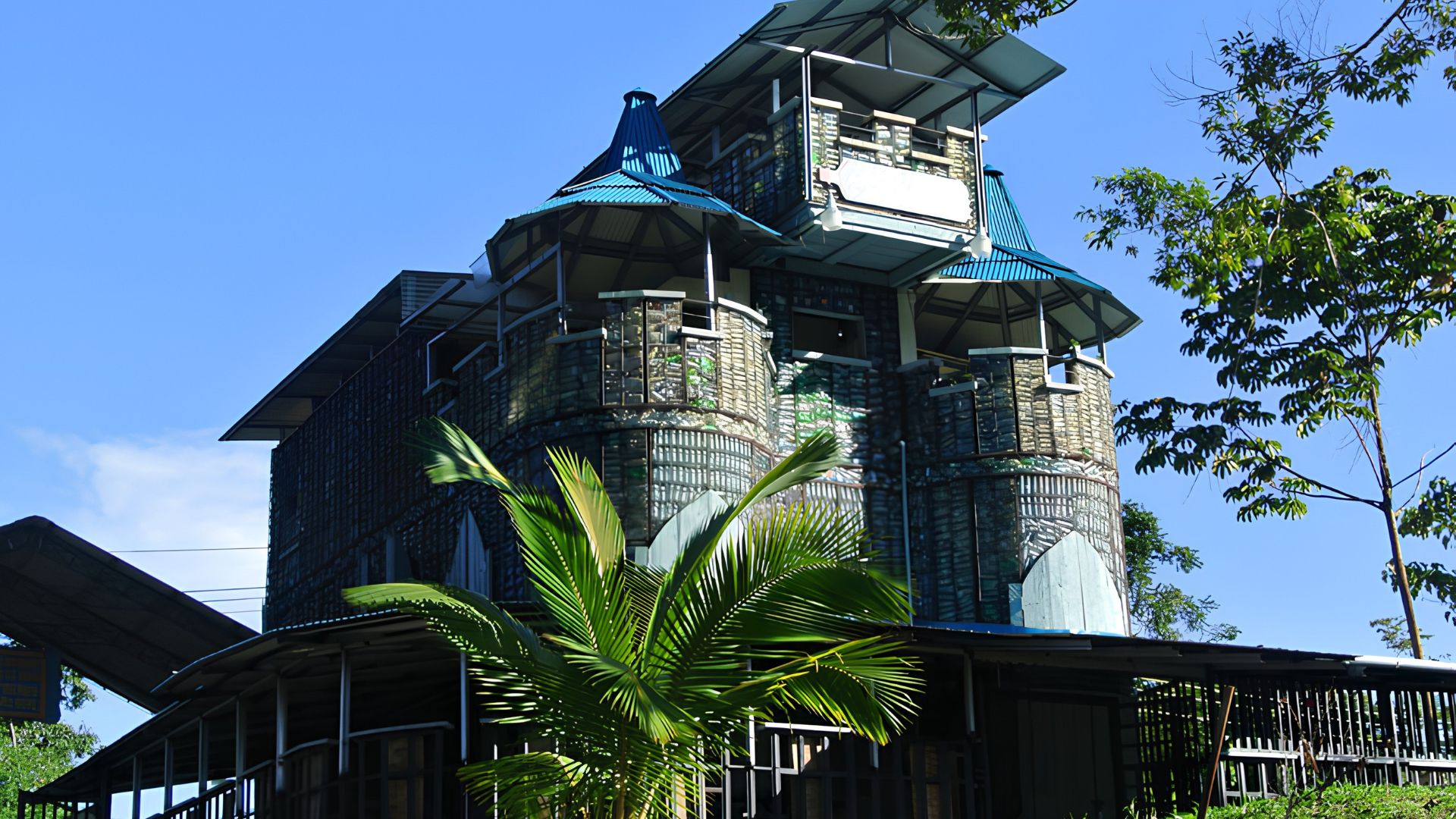
Man builds entire village with over 1 million PET bottles and impresses with creativity; known as Plastic Bottle Village, the project even erected a four-story castle with 40,000 bottles and entered the Guinness World Records.
-
Concrete made with seawater and marine sand challenges one of the basic rules of civil construction, replacing common steel with corrosion-resistant reinforcements, and can turn islands and coastal works into laboratories of a new salty engineering.



These problems are even more severe in specific contexts. In Europe, the cold and humid climate compromises the curing of the mortar. In Asia, water scarcity and the need for fast constructions make the traditional method unsustainable and inefficient.
How The Brazilian Polymeric Mortar Project Innovated The Sector
The solution to these challenges was born in Brazil. FCC Group was a pioneer in developing a non-cementitious mortar in the 1980s. This Brazilian project culminated in the creation of Massa DunDun, a product that gained traction in the market from 2017 onwards, spurred by ABNT regulation.
The technology behind the polymeric mortar is fundamentally different. Its formula combines special polymers, nanotechnology, and mineral aggregates. The result is a ready-to-use material that does not require the addition of water on the construction site.
Its composition ensures high adhesion, flexibility, and impermeability. One of its biggest advantages is the fast drying time, which works efficiently even in challenging climates.
Proven Advantages: Productivity, Cost Savings, And Sustainability
The advantages of Brazilian polymeric mortar are significant when compared to the conventional method.
- Productivity: The use of the technology can increase productivity by up to 300%. A team sets up to 2,500 bricks per day, compared to 800 with the traditional method.
- Yield And Cost Savings: Only 3 kg of Massa DunDun is equivalent to 60 kg of conventional mortar. This represents a 95% reduction in material consumption and a final savings of up to 35% per square meter.
- Waste Reduction: Material losses are drastically reduced, falling to a maximum of 1%.
- Sustainability: The solution consumes up to 21 times less water and has a global warming potential 10 times lower than the traditional method.
The Brazilian Solution Conquering Europe And Asia
The impact of this innovation has surpassed the borders of Brazil. FCC Group already exports to over 20 countries and is a leader in the production of polymeric mortar in Latin America. The credibility of the product is reinforced by certifications such as ABNT NBR 16.590 and ISO 9001.
In Europe, the fast drying of polymeric mortar allows construction to continue even in adverse climates, solving a historical bottleneck in productivity. In Asia, the drastic water savings and speed of construction perfectly meet the demands of rapid urbanization and water scarcity.
This Brazilian project thus offers a practical and effective tool to address real problems faced by engineers and builders in the most demanding markets in the world.
The Lasting Impact Of The Brazilian Project On Global Construction
The polymeric mortar is more than just a superior product; it is a symbol of the capacity for innovation in engineering at the national level. By offering a solution that is economically, faster, and more sustainable, it establishes a new paradigm for the construction industry.
The success of this technology demonstrates that Brazil can be an exporter of high value-added solutions, reconfiguring the international perception of the country’s engineering. The legacy of this Brazilian project is proof that the national industry can create, develop, and lead technological transformation in strategic sectors, building a more efficient and sustainable future for all.




Be the first to react!