Portuguese
  Spanish




What Is It and How Does Highway Concession Work? The process of highway concession is a form of public-private partnership in which the government transfers the management and maintenance of a public road to a private company for a period specified in the contract.
This mechanism allows the government to avoid direct expenditures, as the operational and maintenance costs are assumed by the concessionaire. In the contract, the government establishes criteria in terms of service quality, safety, toll rates, and deadlines for improvements and expansions.
Understanding Highway Concession Better
In turn, the private company charges tolls from users to finance these services and ensure a return on this investment. During the contract period, the State maintains the role of regulator, ensuring that the concessionaire meets all the goals and parameters established.
-
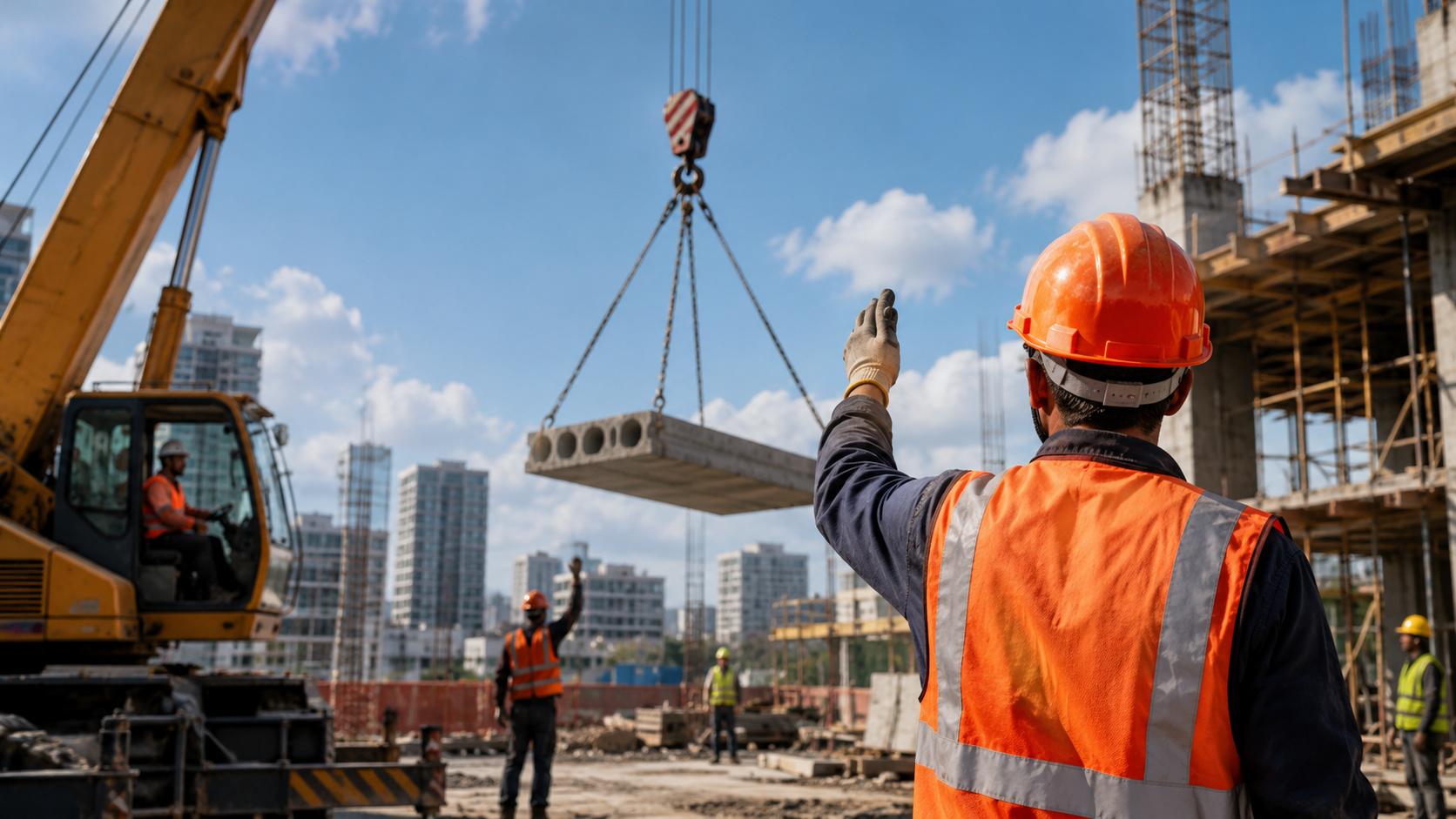
Why can the crane operator only obey the correct signalman on the construction site: among dozens of workers, a hand raised by the wrong person can confuse the maneuver and turn a load of tons into an immediate risk.

-
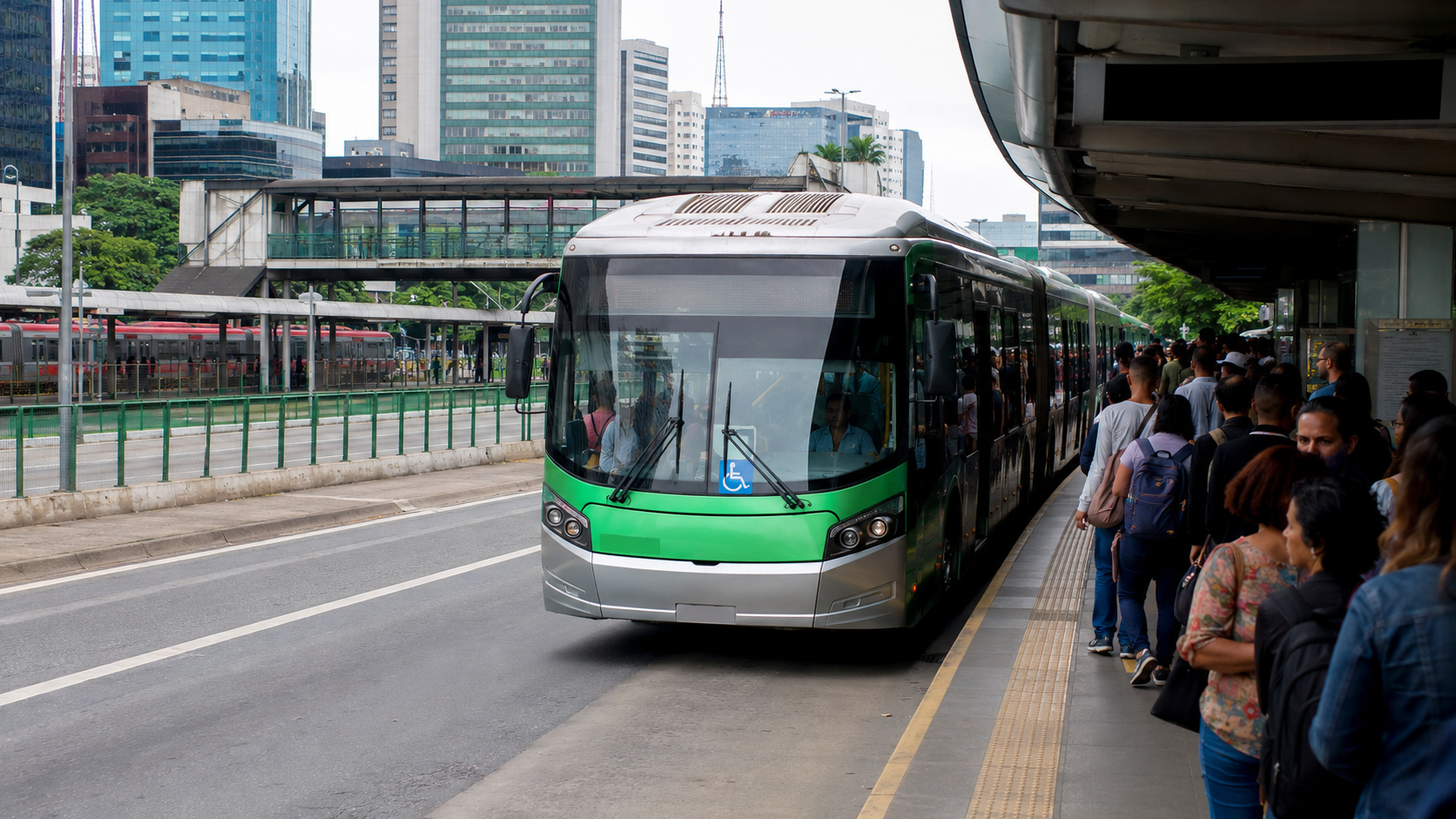
What changes with the new public transportation rules that can reduce pressure on fares and pave the way for zero fare in Brazil?
-
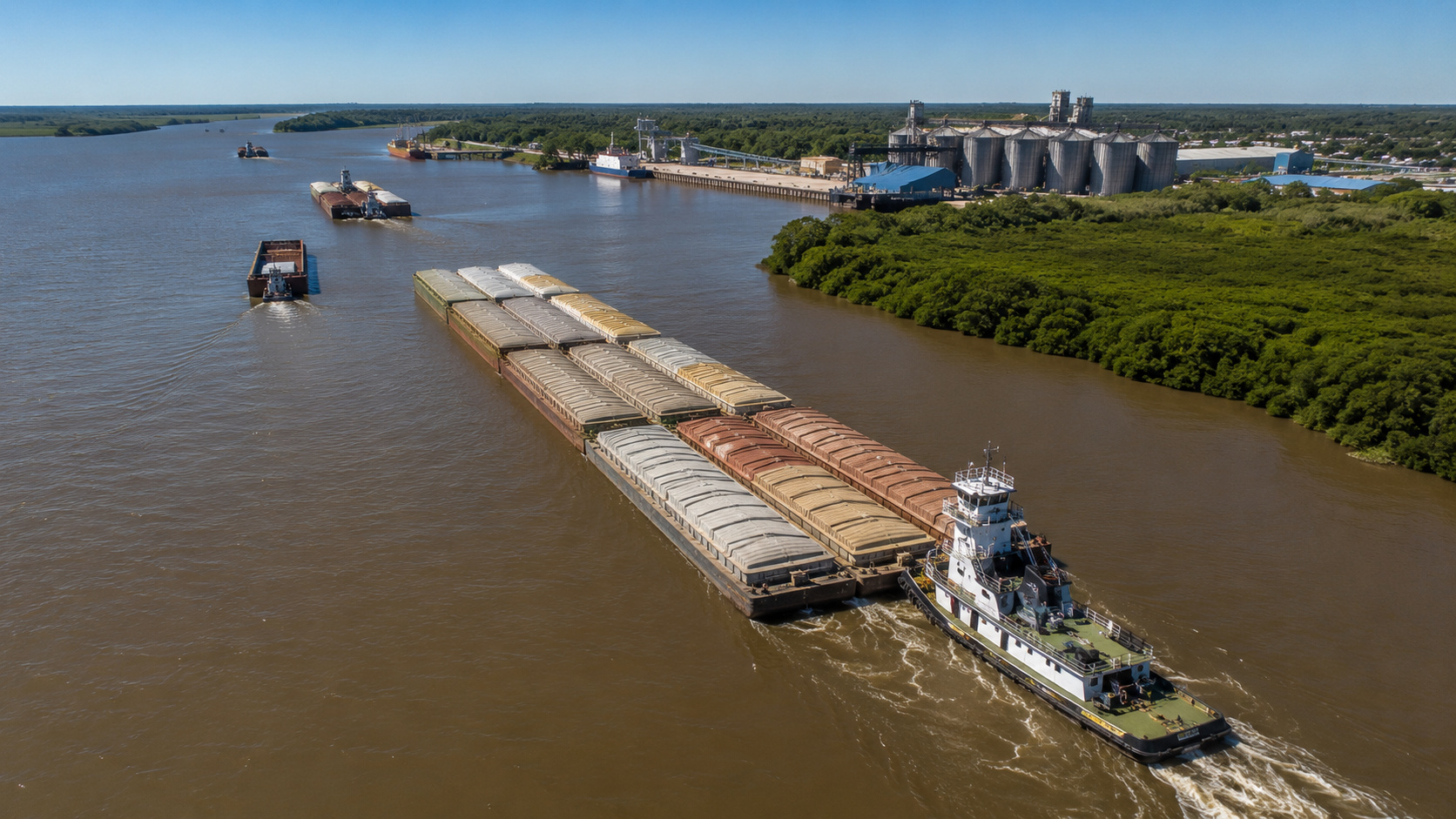
Argentina confirms Belgian giant to lead strategic Paraná River waterway and promises to reduce logistical costs on one of South America’s most important routes
-
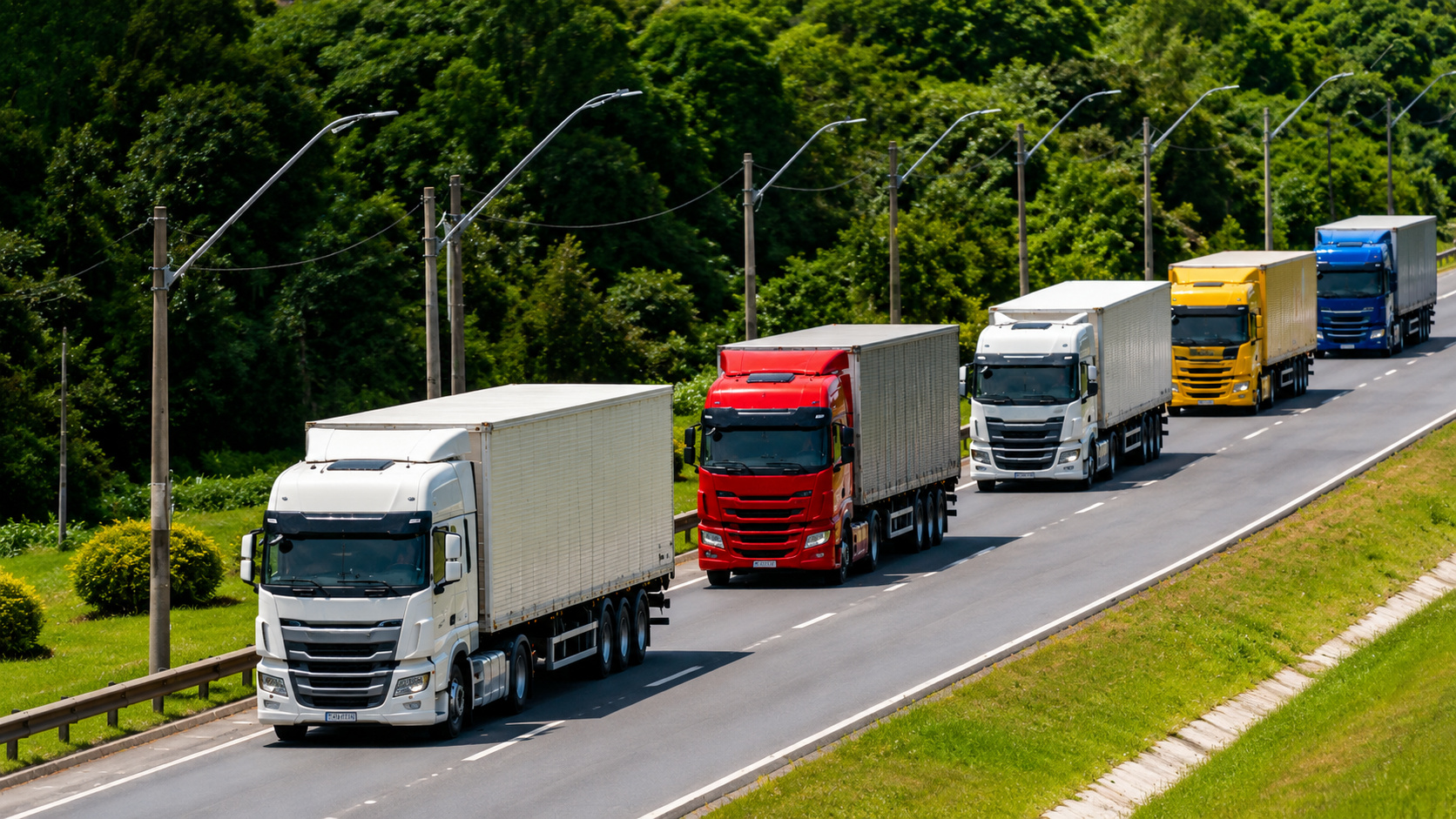
MBRF surprises the logistics sector by demonstrating how Artificial Intelligence can directly influence deliveries throughout Brazil by reorganizing distribution routes in seconds, optimizing fleet usage, reducing logistics costs, and speeding up product arrivals even in the face of unforeseen road incidents.
“Highway concessions, which began in Brazil in 1998, came with the objective of addressing the lack of resources and investments in highway maintenance. When we hand over highway management to the private sector, we see improvements in safety and user service, as well as in the quality of the highways,” says João Fornari, co-founder of Kartado, a software company for managing highway and infrastructure projects.
“If we look at the latest CNT (National Transport Confederation) survey, we see that 22 of the 25 best Brazilian highways are under concessionaire management. So, indeed, the results are very positive,” he continues.
“Generally, concession contracts have a duration of 30 years. This guarantees that the company makes long-term investments and ensures the management of the granted assets for a long time. We at Kartado strongly believe in this model and are supporting the main concessionaire groups to manage assets efficiently, extending their useful life and reducing wear and tear on these assets,” concludes João.
At the end of the contract, control of the highway, along with any improvements made, is returned to the government. In other words: the main advantage of the concession is to benefit the population by enabling infrastructure investments without directly burdening public finances.
1. Improvement of Road Infrastructure
One of the most immediate benefits of highway concession is the improvement of road infrastructure. The concessionaire company is responsible for carrying out maintenance, resurfacing, signaling, and expansion works on the highway.
The concession contract establishes goals and deadlines for these activities, and the company has a direct interest in meeting these requirements to maintain its profitability.
2. Job Creation
The concession of highways is also an important source of job creation, both direct and indirect. Maintenance, operation, and construction activities on the highway require a variety of professionals, from engineers and technicians to manual laborers and machine operators.
3. Stimulus to Regional Development
A well-maintained highway improves the connectivity and accessibility of a region, a decisive factor for investment in other areas such as commerce, industry, and tourism. Thus, it stimulates regional economic development and elevates the quality of life for the local population, as businesses and services tend to locate where there is good infrastructure.
4. Reduction of Congestion
Efficient management of a highway includes measures to reduce congestion, whether through expansions or the implementation of traffic monitoring and control technologies.
5. Increase in Road Safety
Safety is one of the main concerns in highway concessions. The concessionaire company is responsible for keeping the road in good condition, including: clear signage, adequate lighting, and preventive measures against accidents.
Additionally, services such as roadside assistance, ambulances, and tow trucks are included in the contracts, providing quick help to drivers in emergencies.
6. Logistics
A well-maintained and operated highway has a direct impact on the country’s logistics. The transportation of goods becomes quicker and less costly, benefiting not only transport companies but also consumers. The result is a more competitive logistics system capable of meeting demand at reduced costs.
Highway concession brings a series of benefits to both the government and society. By transferring management to the private sector, under strict oversight, the State improves the quality of highways without burdening the public budget, thus contributing to the country’s economic and social development.
About Kartado: Founded in 2017, Kartado is a technology company focused on the management of infrastructure assets such as highways and energy plants. Founded by Pedro Henrique Fornari, Lucas Pereira Luiz, Marcos Meyer Hollerweger, and João Fornari, the company provides digital solutions that simplify asset management and field services. Through an app and web platform, it enables quick problem identification, report automation, and data-driven decision-making, aiming for efficiency and cost reduction.