






 Portuguese
  Spanish


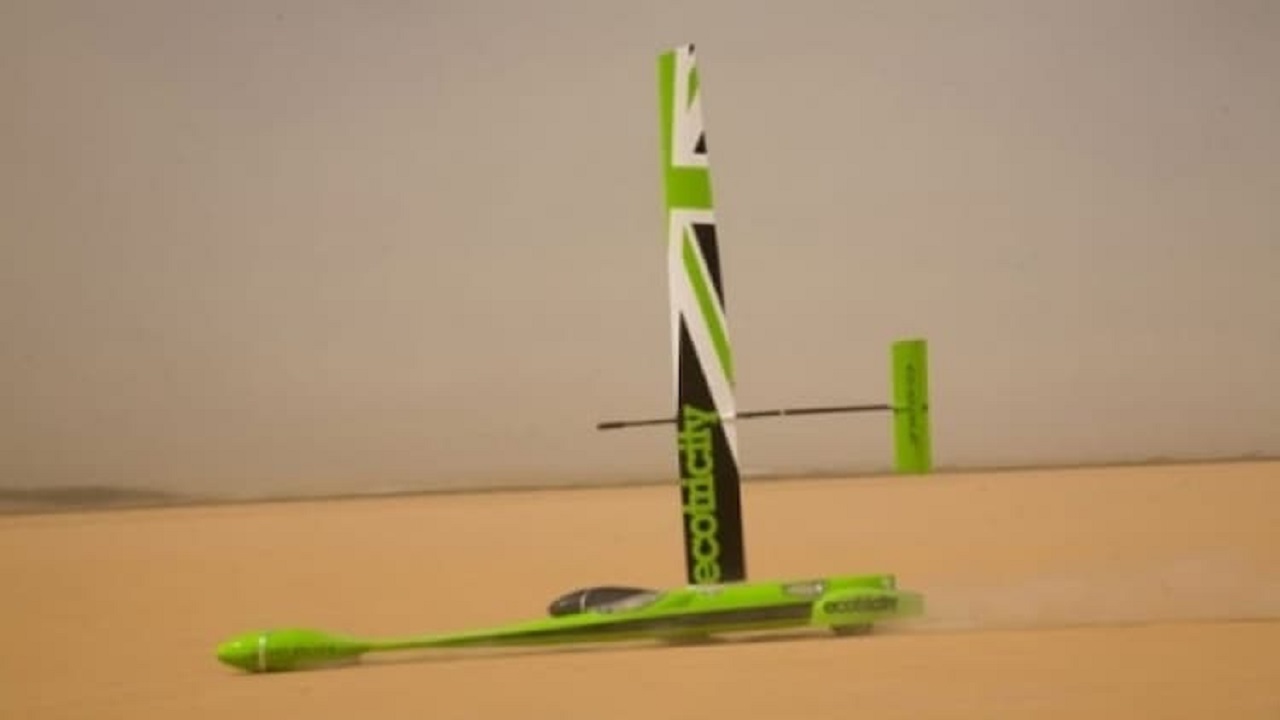
Company Is Developing A Wind-Powered Car That Could Revolutionize The Automotive Industry. The Goal Of The Scientists Is To Break The Record Of 200 Km/H, Set In 2009
In Oceania, a design and technology team is dedicating its efforts to a wind-powered car that, according to them, is capable of reaching speeds over 200 km/h using only wind as the driving force. More precisely, the scientists aim to exceed 202.9 km/h, which was the speed achieved by Richard Jenkins in 2009 with his “Green Bird.” Therefore, what seems to be an innovative project already has successful precedents.
Read Other Related News
- Renault Will Reveal Its Newest Hydrogen-Powered Car Next Month and Promises to Surprise The Automotive Industry
- Group Of Friends Transforms Honda Civic Hatch Into A Fully Sustainable Pedal-Powered Car
- Multinational Vehicle Manufacturer Toyota Launches Electric Car Made Of Plastic That Weighs 670 Kg; For US$ 15,908 and 12.5 Horsepower, The Microcar Travels 150 Km Per Charge
- To Ease The Burden Of Rising Gasoline, Ethanol, Diesel, And CNG Prices, A Consumer Turned To An Online Kit That Promises A Water-Powered Car Starting At Less Than R$ 200
- Hyundai’s First Hydrogen-Powered Car Travels 900 Km On A Full Tank And Purifies The Air While Moving
Researchers Plan To Revolutionize The Industry With A Wind-Powered Car
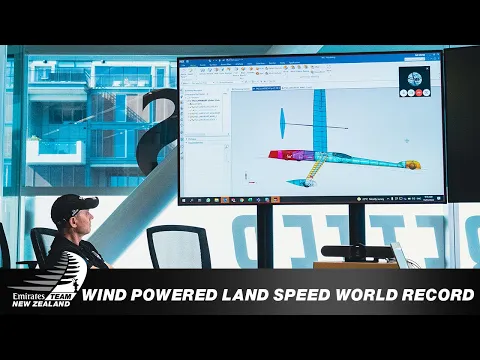

The goal of the New Zealand researchers is to break the record. The leading company in the wind-powered car project is the Emirates Team New Zealand, well known for its victories in the America’s Cup, the most prestigious sailing competition in the world.
For the company, the greatest challenge is adapting a sailboat to very different aspects of a land surface. The company states that the impasse lies, obviously, in the characteristics of the tires. Tires on a flat salt surface at speeds over 200 km/h are very different from foils in water at a speed of 50 knots per hour.
-
Toyota Launches First 100% Electric Car in Brazil: bZ4X with 343 HP, All-Wheel Drive, 361 km Range, Priced at $419,990 BRL, Limited to 99 Units

-
Chinese SUV Achieves 24.4 km/l, Outperforms Toyota Yaris Cross in Real-World Tests with 224 hp Hybrid System, Offers 51-Liter Tank for Greater Range, and Costs Up to R$ 5,000 Less.

-
Uber Black Revamps Fleet, Drops Ten Car Models and Sets Deadline for Electric BYD Dolphin
-
Chinese Giant Uses Metal Structures and Cranes to Deliver Over 700 Electric Cars to Brazil


ETNZ also explains the complexity of the entire process of the wind-powered car. In addition to design characteristics, it is clear that the weather and the condition of the surface the car will travel on will play a crucial role in its performance. Therefore, it is actually necessary to have all favorable factors aligned in order to successfully break a record like this.
Wind-Powered Car Is Being Tested
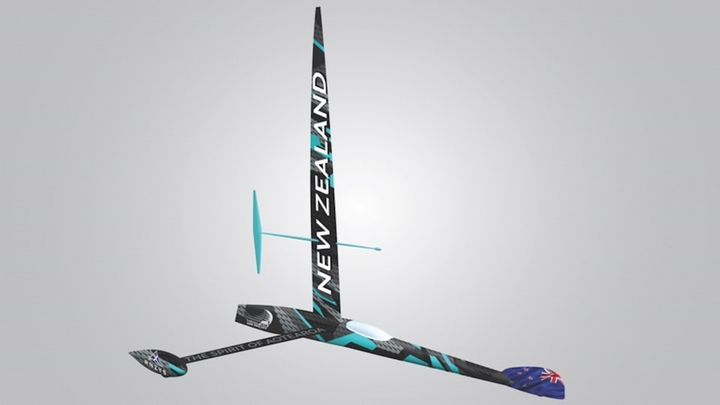
The researchers are developing a structure with three wheels, an eight-meter-tall rigid sail, and a body entirely made of carbon.
The pilot testing the wind-powered car is Australian sailor Glenn Ashby, an athlete in four distinct types of boats and also a world champion. The location for testing the wind car has not yet been defined, but rumors suggest that the trials will take place in Australia, either at Lake Gairdner in the south of the country or at Lake Lefroy in Western Australia. The final test will be certified by the North America Land Speed Association, which will verify whether the record has been broken or not.
Another Wind-Powered Car Project Has Been Driven By A YouTuber From The Veritasium Channel
YouTuber Derek Muller published a video on his Veritasium channel where he himself drives his wind-powered car, called “Black Bird.” The model does not use any engine for propulsion and even left University of California physics professor Alexander Kusenko astounded and a bit poorer, as he bet R$ 50,000 that the project would not work.
This is because the professor stated that the model could not move faster than the wind propelling it. The model proved otherwise, defying the laws of physics.





Be the first to react!