Portuguese
  Spanish



Chamber Approves Temporary Transfer to the Amazon During the Climate Conference
An unprecedented decision was approved in the National Congress and garnered attention from across the country.
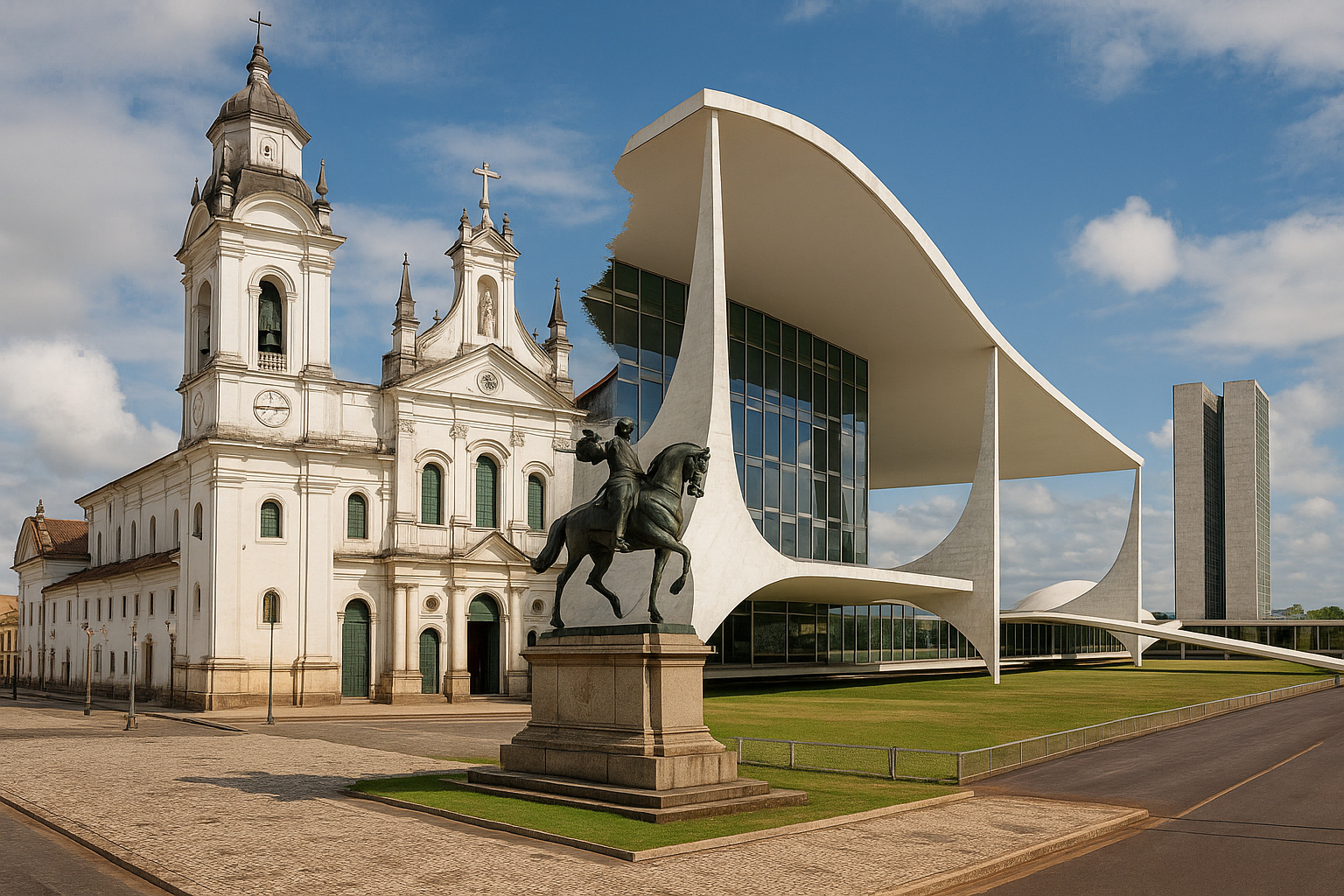
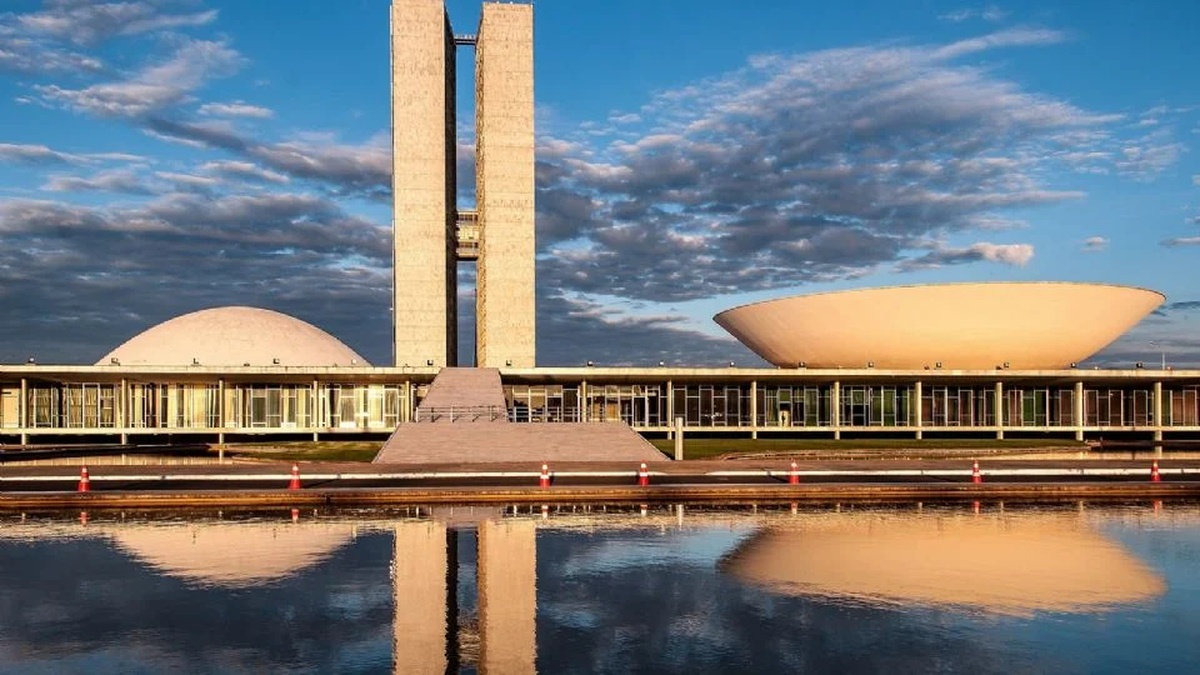
The Chamber of Deputies approved on September 25, 2025 the Bill 358/25, authored by deputy Duda Salabert (PDT-MG). The text determines that the federal capital will be temporarily transferred from Brasília to Belém, in Pará, between November 11 and 21, 2025, during the 30th United Nations Conference on Climate Change (COP30). The proposal still goes for analysis in the Federal Senate before coming into effect.
Historical and Symbolic Context
The symbolic transfer of the capital during major events has occurred in Brazil before. In 1992, during the United Nations Conference on Environment and Development (Rio-92), the capital was moved to Rio de Janeiro. This measure focused political and international attention on the event.
-
Green Roofs on Homes Gain Popularity for Reducing Heat, Noise, and Rain Impact in Brazil

-
Brazilian promises his children to save a river, creates an eco-barrier in his backyard, has already removed more than 40 tons of trash from the water, and even inspires the idea in other states of the country.

-
How a Brazilian company created a system that transforms broken pallets of any brand into new assets, recycles 80 tons of plastic per month, and found a profitable solution to a problem that challenges industries across the country.
-
Invasive bullfrog capable of devouring other amphibians and laying up to 20,000 eggs is found in Florianópolis, raising an alert about the threat to native fauna.



Now, the goal is to place the Amazon at the center of the global climate debate, reinforcing Brazil’s commitment to the environmental agenda. Therefore, COP30 solidifies itself as the largest global meeting on climate change, gathering leaders, scientists, businesses, and civil society since 1995.
What the Project Provides
According to the approved text, the Executive, Legislative, and Judicial branches will be authorized to operate in Belém during the event and conduct their institutional activities. Additionally, official acts signed by the President of the Republic and ministers will reference the city of Belém.
The Executive Branch will organize the regulation of the law and will handle logistical, administrative, and operational measures. This way, the government ensures the execution of the temporary transfer.
Political Support for the Initiative
Deputy José Priante (MDB-PA) reported the project and defended its approval. For him, the measure repositions Brazil at the forefront of climate and environmental diplomacy, a position already held since Rio-92. “COP30 consolidates Brazil’s leadership and projects the Amazon as the epicenter of global decisions,” Priante emphasized.
The author, deputy Duda Salabert, reinforced that the transfer “is not just a symbolic gesture, but a concrete commitment to sustainable development.” Therefore, she stated that placing the Amazon at the center of global political decisions strengthens Brazil’s role.
Political and Institutional Impacts
The approval represents a historical milestone for the country. During COP30, Brazil will have the seat of federal power in Belém, in the heart of the Amazon. Thus, the gesture strengthens Brazil’s image as a strategic actor in the climate debate.
Experts point out that the initiative also serves as a high-impact diplomatic message, as it shows that the Amazon region is key territory in the fight against global warming.
Relevance of COP30 for Brazil and the World
COP30 will be the first edition held in the Amazon territory. For Brazil, the 2025 event is expected to consolidate international prominence on environmental issues, in addition to projecting Belém as a global showcase.
The meeting takes place amid negotiations on emission reductions, climate financing, and the preservation of tropical biomes. Thus, the presence of Brazilian authorities in the Amazon reinforces the message that the country places the forest at the center of international climate policy.
Brazil is preparing to host world leaders, scientists, and civil organizations in November 2025. The decision to symbolically transfer the capital to Belém affirms the commitment to uniting politics, diplomacy, and sustainability in a common agenda.
And you, do you believe that this symbolic transfer is enough to establish the Amazon as a global leader in climate decisions or should Brazil adopt even more concrete measures?