






 Portuguese
  Spanish


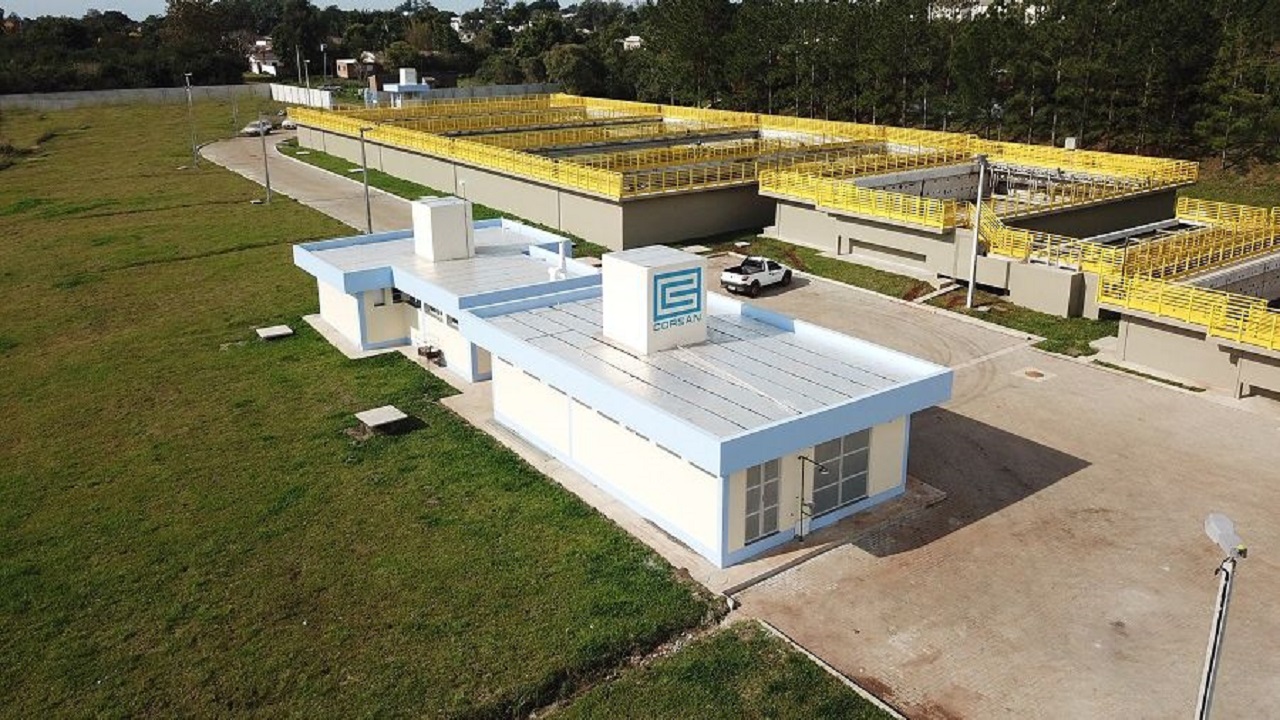
Corsan, Together with the Liberato Salzano Institute, Plans to Invest R$ 4 Million in the Construction of a Hybrid Plant to Produce Renewable Energy in RS. The Clean Energy Plant Will Produce 400 kW
After several studies alongside the Liberato Salzano Institute to find a better utilization of natural resources for generating renewable energy, the Rio Grande do Sul Sanitation Company (Corsan) will invest R$ 4 million in a hybrid plant to generate clean energy at the Rodolfo Costa e Silva dam, popularly known as the Val de Serra dam, which is responsible for providing 75% of the water that supplies Santa Maria.
See Also
Corsan’s Hybrid Plant Will Produce 400 kW of Clean Energy
In the coming months, 675 photovoltaic solar panels will be implemented, totaling an area of 2,800 m², which is equivalent to half a soccer field. These panels will be capable of generating a power of 300 kW of renewable energy. There is also plans for the installation of a turbine that will use the water current of the dam to generate clean energy. This turbine will be able to produce 100 kW.
According to the regional superintendent of Corsan in Santa Maria, José Eptein, of the total amount to be invested in the plant in RS, R$ 2.4 million will be offset by tax incentives, reducing Corsan’s cost to R$ 1.4 million.
-
Brazilian scientists are simultaneously advancing two research projects on clean hydrogen and driving solutions that could transform the energy matrix, enhance industrial competitiveness, and accelerate large-scale emission reduction targets.

-
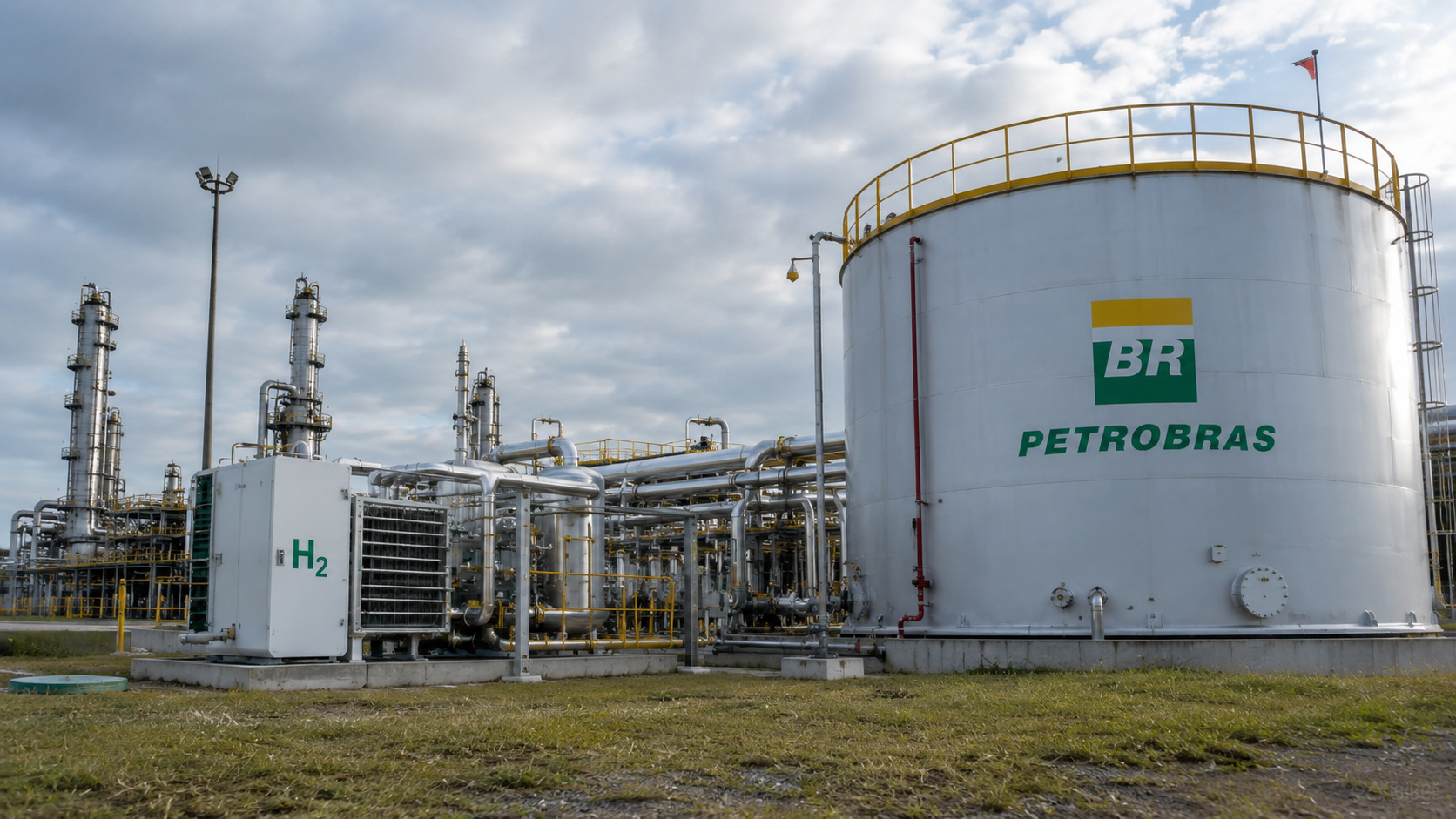
Advancement in renewable energy: A R$ 150 million project launched by Petrobras and Finep aims to create state-of-the-art electrolyzers for green hydrogen, strengthening national research and preparing Brazil to compete in a billion-dollar energy market.
-
Illiterate or semi-literate grandmothers were trained to repair solar systems, open rural workshops, and light up homes that still depended on kerosene.
-
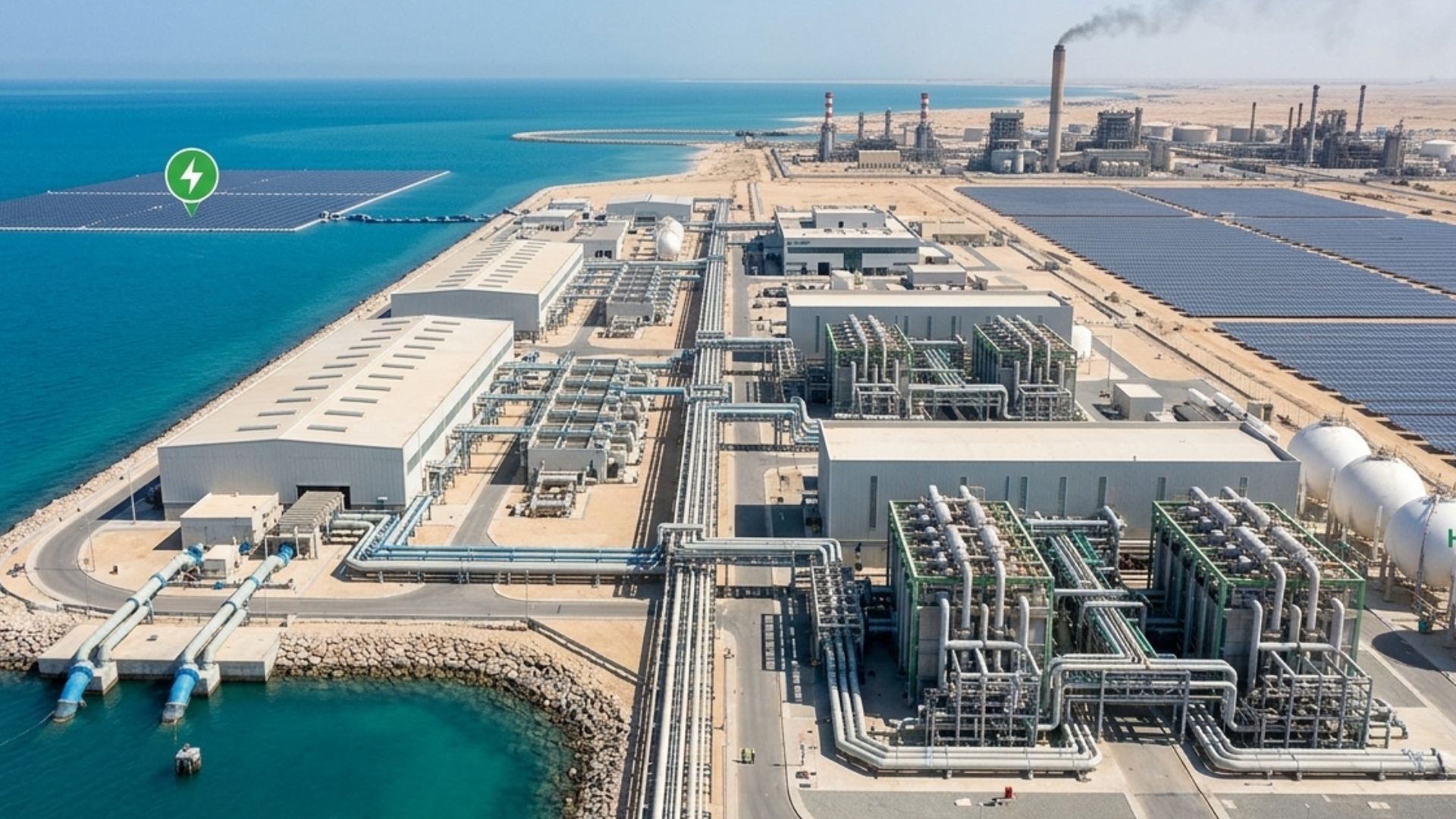
The world has bet on green hydrogen as the fuel of the future, but now faces the side effect: producing 1 kilogram requires about 9 liters of ultrapure water, and the largest projects on the planet are precisely in the driest regions of the Earth, where water is already scarce for people.



With the renewable energy generated, it will be possible to supply 20% of the total energy demand consumed by the company for treating sewage and water in Santa Maria (RS). The estimate is that the plant in RS will start generating renewable energy in the first half of this year.
Corsan’s Hybrid Plant Will Float on Water and Have Greater Efficiency in Producing Clean Energy
According to the superintendent, as this is a project using photovoltaic solar panels over water, it generates 10% to 15% more renewable energy than traditional photovoltaic projects, as the water helps cool the panels, leading to greater energy generation efficiency.
What happens is that, with excessive heat, photovoltaic solar panels end up losing their efficiency. Therefore, in various parts of the world, companies are opting to build floating solar plants on lakes and reservoirs. The plants, like the one in RS, are situated in a structure that floats on the water.
Learn More About the Rio Grande do Sul Sanitation Company
The Rio Grande do Sul Sanitation Company (Corsan) is a mixed economy company, headquartered in Porto Alegre and established in 1966. The company aims to be recognized for the universalization of supply services, serving 70% of the urban population using the sanitation system, for the excellence of its services and products, and also for strengthening new businesses by the next decade.
The company always seeks to operate with: Sustainability, Shared Management, Transparency, Ethics, Valuing People, Safety, Social and Corporate Responsibility, Productivity, Integration between areas, and Efficiency.
The company considers providing excellent basic sanitation services in the segments it operates a mission, fulfilling its social, economic, and environmental role, generating value for stakeholders.









Be the first to react!