






 Portuguese
  Spanish


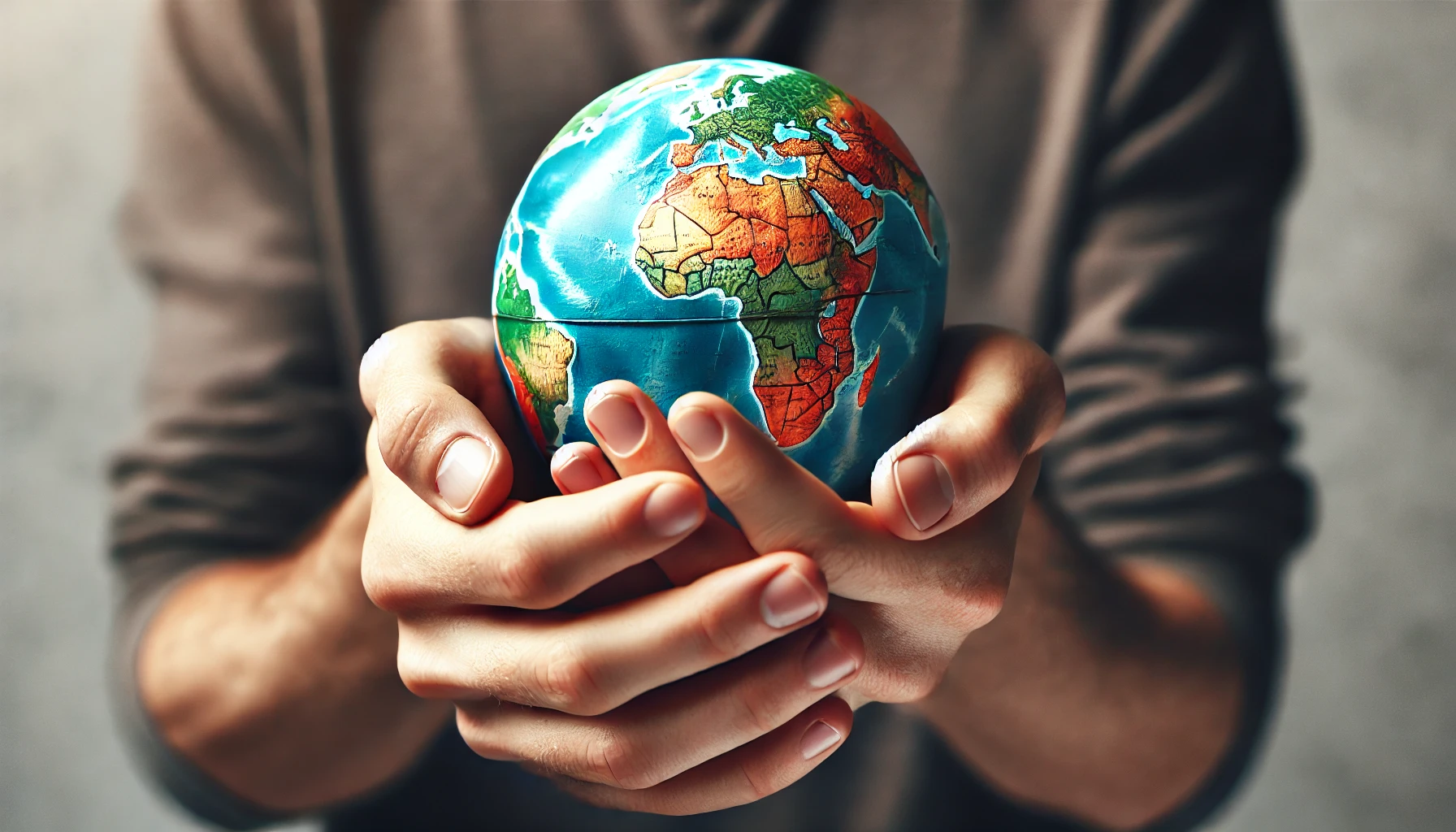

Understand The Reasons Behind The Slowing Of Global Population Growth, Including Advances In Education, Family Planning And Economic Transformations.
The global population growth, which seemed unstoppable until recently, is surprisingly slowing down. After years of steady increase, the numbers reveal a new reality: the world’s population is about to peak in many countries and may begin to stabilize by the end of the century.
In 2022, the planet reached the historic mark of eight billion inhabitants, according to data from the United Nations (UN). However, the latest forecasts indicate a significant slowdown in the growth rate.
Global Population Growth
Over the next 60 years, it is expected that only two billion more people will be added to the global population, representing a much slower pace than previously anticipated.
-
Brazilian Engineer Develops Affordable Custom 3D-Printed Prosthetics for Children and Teens, Operated by Elbow or Wrist Movement Without Batteries

-
China Left 51 Rocket Bodies in Low Earth Orbit Between 2021 and 2025, Doubling Previous Period, Report Warns of Space Debris Threatening Satellites for Decades
-
Brazilian Researcher Uses Low-Cost Sensors to Measure Cyclists’ Pollution Exposure in São Paulo

-
18 Iron Age gold coins discovered by a teacher using a metal detector in a Suffolk field sell for £33,200 at auction, exceeding estimates.



During the 2080s, experts believe that the global population will reach about 10.4 billion people. After this peak, projections indicate that the numbers should remain stable until the end of the century, without a significant decrease.
This expectation marks an important shift from previous estimates. A decade ago, some models suggested that the global population could exceed 12 billion by 2100. Now, forecasts show a more moderate scenario, driven by social, economic, and demographic factors.
Reasons For The Slowdown In Population Growth
The main reason for this slowdown lies in the declining fertility rates. For a country to maintain its population stable, each woman needs to have, on average, 2.1 children — the so-called replacement level fertility. Currently, more than half of the world’s nations have rates below this threshold.
Even more alarming: nearly one-fifth of countries have what experts call “ultra-low fertility”, meaning less than 1.4 births per woman. This phenomenon directly affects generational renewal and challenges the demographic sustainability of several nations.
Among the most affected countries is China, which, until recently, was the most populous nation on the planet. However, in 2023, India surpassed China in population, becoming the most populous country in the world. China, along with Russia, Japan, and more than 60 other countries, is currently experiencing a population decline. Projections indicate that by 2054, the population of these nations may decrease by about 14%.
Demographic Transition And Aging
This global phenomenon can be primarily explained by the so-called demographic transition. As countries industrialize and urbanize, women gain more opportunities for education and careers, which contributes to the delay of motherhood and the decrease in the number of children. Additionally, the decline in infant mortality and the reduction in the need for large families for agricultural work also directly influence fertility rates.
Another crucial factor is the increased life expectancy. With advances in medicine, improvements in living conditions, and access to health services, people are living longer. This results in an aging population, with people over 65 years old representing a growing share of society.
Experts predict that by around 2070, the number of people over 65 will surpass that of those under 18. This inversion in age composition will have significant consequences for the global economy, impacting the workforce, pension systems, and the demand for healthcare.
The information in this text is based on the report “World Population Prospects 2022” from the UN, which confirmed the milestone of 8 billion inhabitants on November 15, 2022.
Projections indicate that the global population is expected to reach 10.4 billion by 2080 and stabilize by 2100 (World Population Prospects 2022). Information about fertility rates and population aging comes from the Institute for Health Metrics and Evaluation (IHME) and the study published in The Lancet.
With information from iflscience.


