






 Portuguese
  Spanish


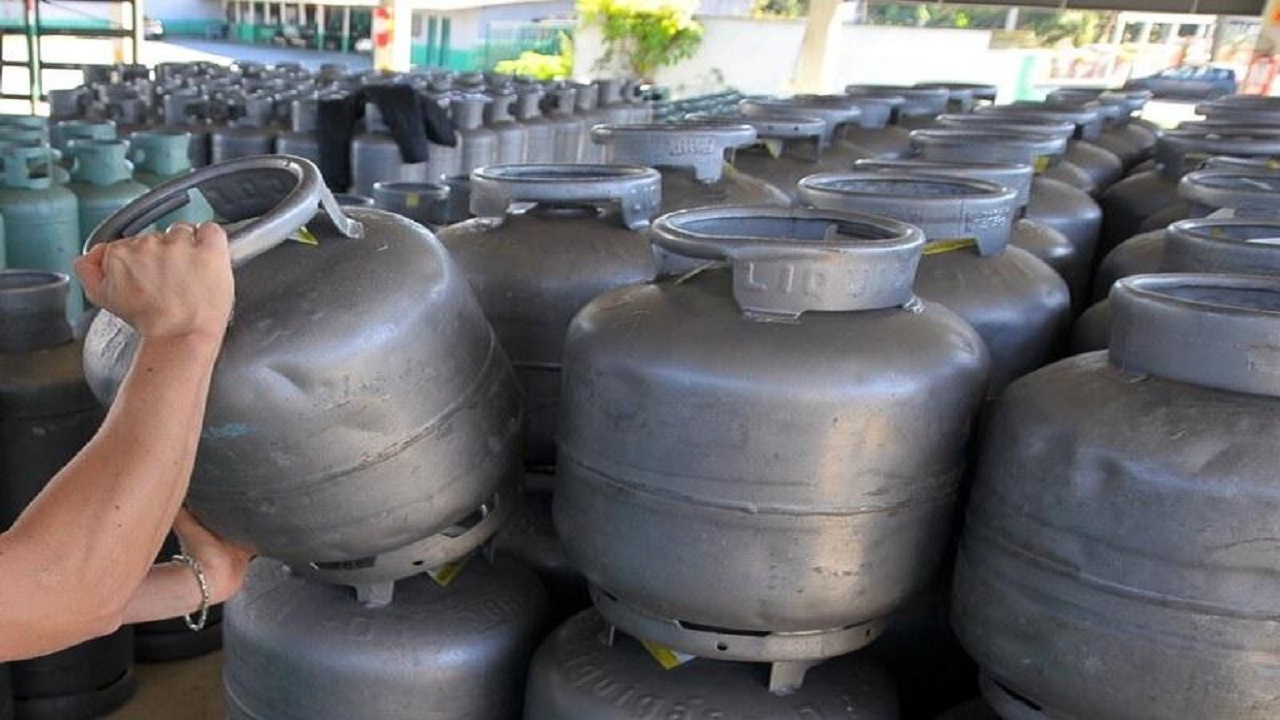

According to ANP data, the state of Mato Grosso has the highest price for cooking gas in all of Brazil, reaching R$ 130
Although cooking gas prices have increased nationwide, the population of Mato Grosso has been the hardest hit when it comes to buying the product. According to the National Agency of Petroleum, Natural Gas and Biofuels (ANP), cooking gas is sold for R$ 130 in some municipalities, making it one of the highest prices in the country, exceeding the national average.
Read Other Related News
ANP Data Shocks Residents of the State
In Mato Grosso, the average price of the product is R$ 111.76, and even when it is “cheaper,” sold at R$ 95, it still exceeds the national average, which is R$ 92. In contrast, in the Northeast region of the country, the maximum price is R$ 92.
According to the ANP survey, the municipalities of Alta Floresta and Sorriso are where the highest cooking gas prices in Brazil are located. In both cities, the 13 kg unit costs R$ 130.
-
Brazil’s Federal Revenue Auction: iPhone 13 for $95, PlayStation 4 for $80, and Volkswagen Jetta for $2,600 Among 232 Lots Available

-
Tech Giant Oracle Lays Off 21,000 Employees and Invests $70 Billion in Artificial Intelligence

-
Chilean Giant Acquires St. Marche, Expanding from Discount to Premium Supermarkets in São Paulo’s High-End Retail Market
-
After 60 Years of Selling Cheap Milk, Brazilian Family Invests in $4,000 Equipment to Transform Farm’s Milk into Premium Sweets, Producing 2 Tons Daily and Aiming for $6.4 Million


In other municipalities surveyed by the ANP, the product costs R$ 106 in Cáceres, R$ 115 in Várzea Grande, and R$ 120 in Cuiabá. A total of 83 sales locations were analyzed by the ANP in Mato Grosso.
Cooking Gas Prices Prevent People from Purchasing Other Products


Cuiabá, the capital of Mato Grosso, recorded the coldest day of the year last week, with temperatures reaching 7ºC on June 30. As a result, some families had to use firewood to heat water, as they do not have electric showers, and heating water with cooking gas, priced at R$ 115, would cause the product to run out faster.
During the cold in the city, Antônia Rosa de Campos, 68, and Kátia da Silva, 53, heated water using firewood to give the children warm baths. Kátia’s family’s income is approximately R$ 2,000, and from that income, they support a family of four children and four adults.
The money is divided among grocery expenses, utility bills, Alzheimer’s medication for Kátia’s mother, and other necessary purchases. In the house of the retiree, eight people live on just over R$ 2,500 per month. Often, when cooking gas runs out unexpectedly, the family does not have money to purchase the product.
Residents of Cuiabá Speak Out
Kátia says she feels anxious about the current price of cooking gas and fears she won’t be able to cope, as her salary doesn’t increase, but prices keep rising, and when prices begin to rise, thoughts and anxiety arise together.
Antônia Rosa claims that she is used to the wood stove and even makes her coffee on it, as R$ 110 is a lot of money. Rosa states that this year is even more difficult, as the cost of living has risen substantially, and everything is more expensive, while salaries do not keep up.
According to Maurício Munhoz, an economics professor at Unemat in Mato Grosso, 12% of the population is below the poverty line, and he states that for these families, the price of the product is unaffordable.

Graduated in Journalism and Marketing, he is the author of over 20,000 articles that have reached millions of readers in Brazil and abroad. He has written for brands and media outlets such as 99, Natura, O Boticário, CPG – Click Petróleo e Gás, Agência Raccon, among others. A specialist in the Automotive Industry, Technology, Careers (employability and courses), Economy, and other topics. For contact and editorial suggestions: valdemarmedeiros4@gmail.com. We do not accept resumes!


