Portuguese
  Spanish


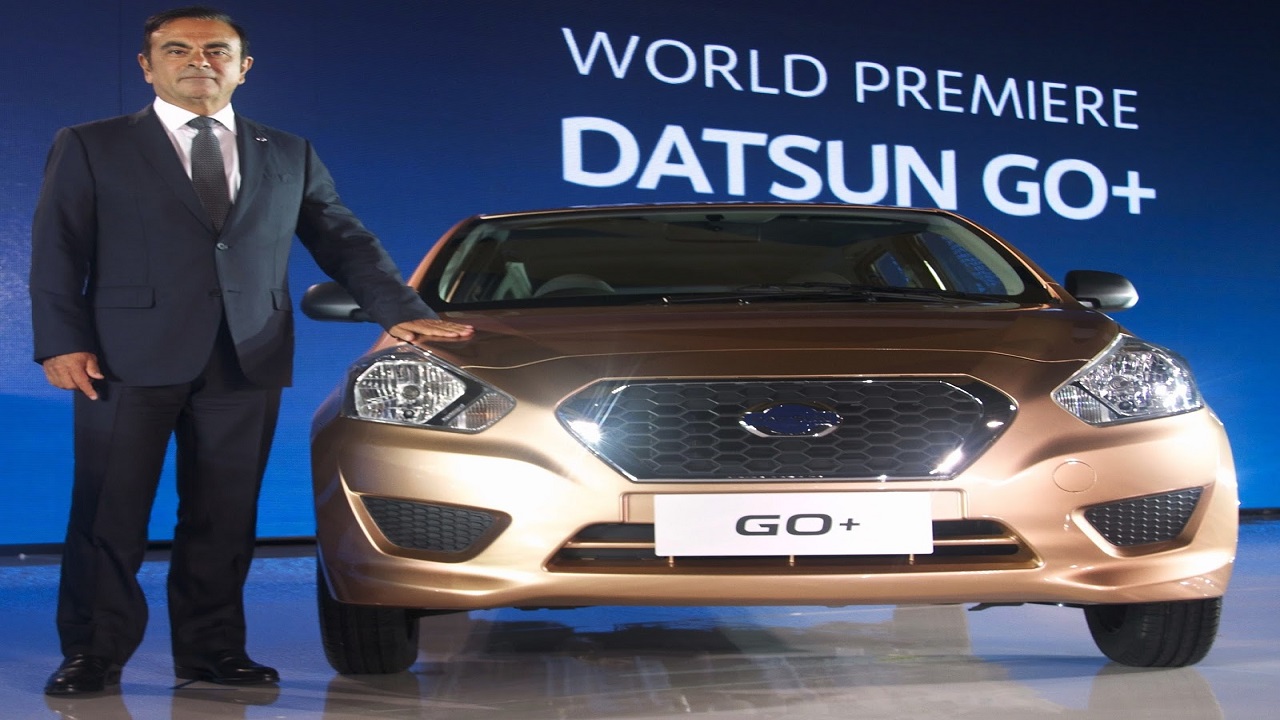

Nissan Removes Datsun From The Low-Cost Vehicle Market Again And Plans To Revive The Japanese Automaker That Operates In Emerging Markets As A Company For Cheap Electric Cars.
Last week (28), the Japanese automaker, Nissan, announced the end of production for the low-cost Datsun cars, which operated in emerging markets such as South Africa, Indonesia, Russia, and India. However, according to company sources, it is possible that the Japanese automaker is actually undergoing a type of transition in its strategy. According to information from an anonymous Nissan executive, the company’s plan is for Datsun to return to the market in the near future, but this time focused on low-cost electric cars.
Nissan’s Change May Signal The Production Of More Affordable Electric Cars
In a statement released last week (29), the automaker from the Japanspeculated a change in strategy, while highlighting the satisfaction history provided by Datsun cars. According to the company’s statement to thousands of owners worldwide, Datsun continues to offer an engaging driving experience, peace of mind from the ideal price, and great value.
As part of the strategy shift towards electric cars, the Japanese automaker is focusing on key segments and models that generate benefits for customers, businesses, and partners.
-
Workshop Converts Giant Tractor Tire Tricycle into a Three-Wheel Drive Hybrid with 36,000-Watt Electric Motor Capable of Climbing Hills

-
Chery Offers Lifetime Battery Warranty and Car Replacement for Major Failures Under New Chinese Regulations

-
Sales of Brazil’s Cheapest Electric Car Halted Before First Deliveries: E-Motors Suspends Emova Easy Due to Import Tax Increase and Rising Freight Costs

-
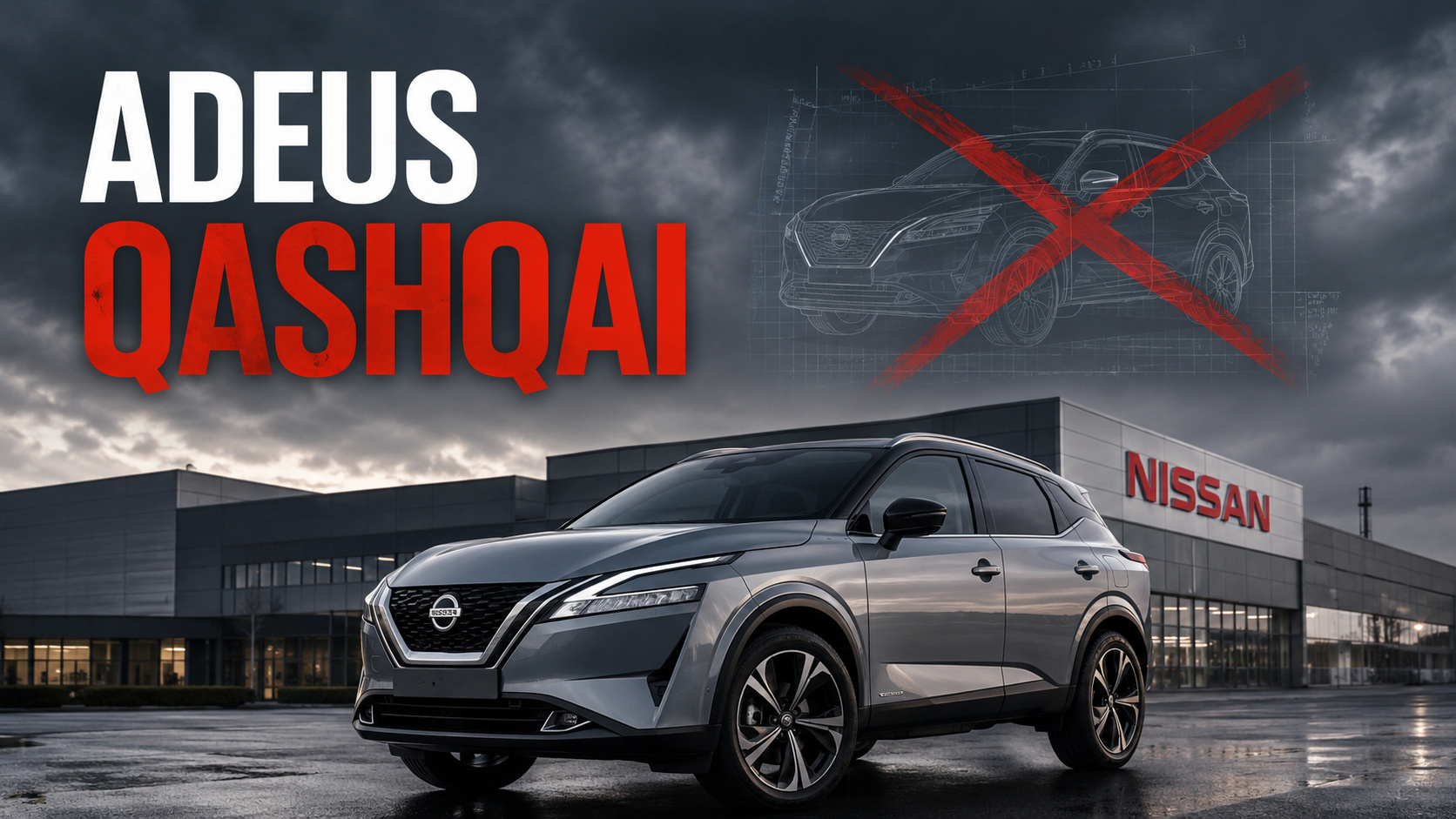
Nissan Discontinues Qashqai SUV Amid Cost-Cutting, Chinese Competition, and Product Line Review


Nissan’s bet on transforming Datsun, one of Japan’s most traditional brands, into a electric car manufacturer is not without foundation. Alongside its partners, Renault and Mitsubishi, Nissan has been launching the most affordable electric vehicles on the market. The Dacia Spring, for example, was launched in France with government incentives, costing just 12 thousand euros, which is equivalent to R$ 65.6 thousand.
Additionally, there is also the upcoming Renault Kwid Electric that will be launched in Brazil, where the French automaker promises the model will be the cheapest electric car in the country, surpassing the JAC E-JS1. Currently, the regular Renault Kwid sells for around R$ 61 thousand.
Japanese Automaker, Nissan, Is Accelerating The Transition To Electric Cars In Its Units
To drive the transition and possibly make electric cars more affordable, Nissan Is Partnering With NASA to revolutionize solid-state batteries worldwide. This new type of component promises to be faster in terms of charging, lighter, and even safer. Additionally, the manufacturer can be more stable, making it usable in pacemakers according to the Japanese automaker itself.
The goal of Nissan and NASA is to develop a cheaper and smaller battery capable of replacing the lithium-ion batteries currently used in electric cars.
The battery will not require the use of rare and expensive materials like those that power lithium-ion batteries, including cobalt and lithium itself. Another priority for the companies will also be the stability and safety of the components.
About The Company
Nissan is a global vehicle manufacturer with a complete lineup, marketing over 60 models under the Nissan, Datsun, and INFINITI brands. The company is headquartered in Yokohama, Japan, and manages operations in six regions: Asia & Oceania, India, Middle East, Africa, China, Europe, North America, and Latin America.
In Brazil, Nissan has been operating since 2000 and currently operates with over 180 dealerships across all states in the country. The company has invested over R$ 2.5 billion in establishing its own complex located in Resende, in the state of RJ.