






 Portuguese
  Spanish


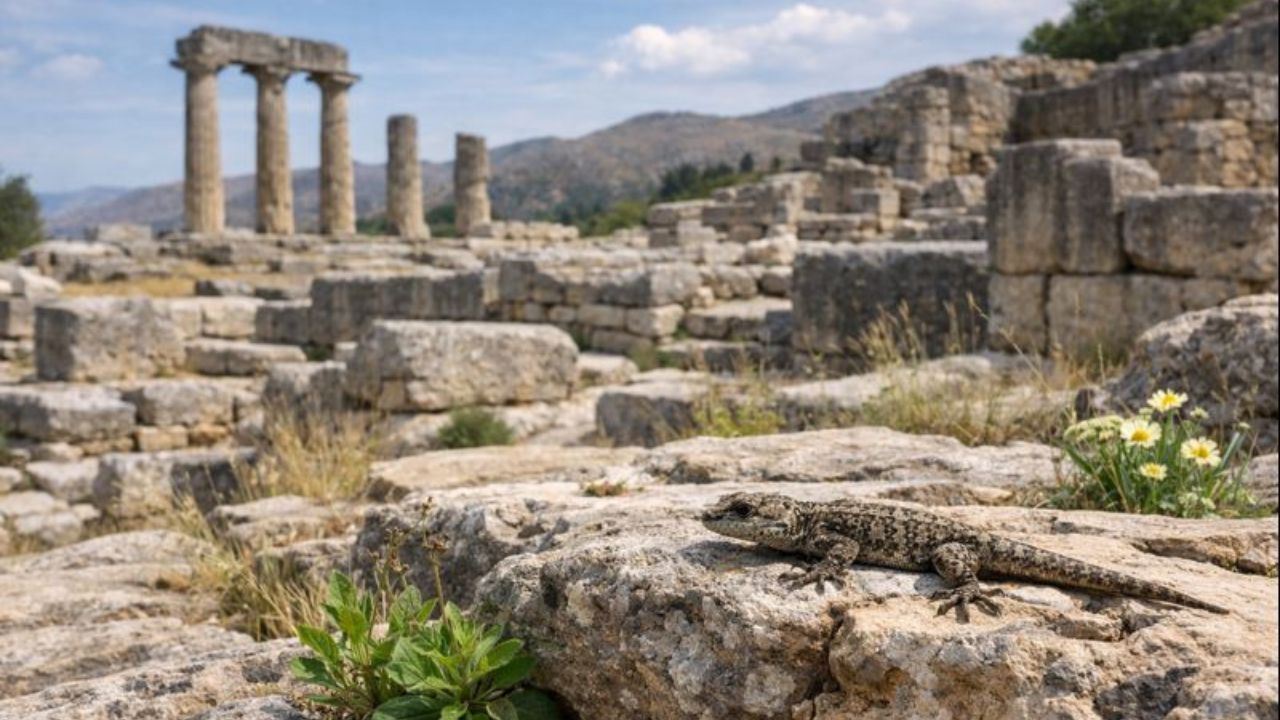
Archaeological Sites Are Saving Endangered Species from Ancient Greece to Lima. Rare Animals and Plants Survive Among Ruins.
Protected by historical heritage laws, archaeological sites around the world are playing an unexpected role: that of natural refuges for endangered species.
From Ancient Greece to the city of Lima in Peru, recent research shows that historic ruins preserve plants, reptiles, and other animals in increasingly pressurized areas due to urbanization, intensive agriculture, and climate change.
The phenomenon has been occurring for decades, but is now gaining scientific prominence in light of the global loss of biodiversity.
-
Green Roofs on Homes Gain Popularity for Reducing Heat, Noise, and Rain Impact in Brazil

-
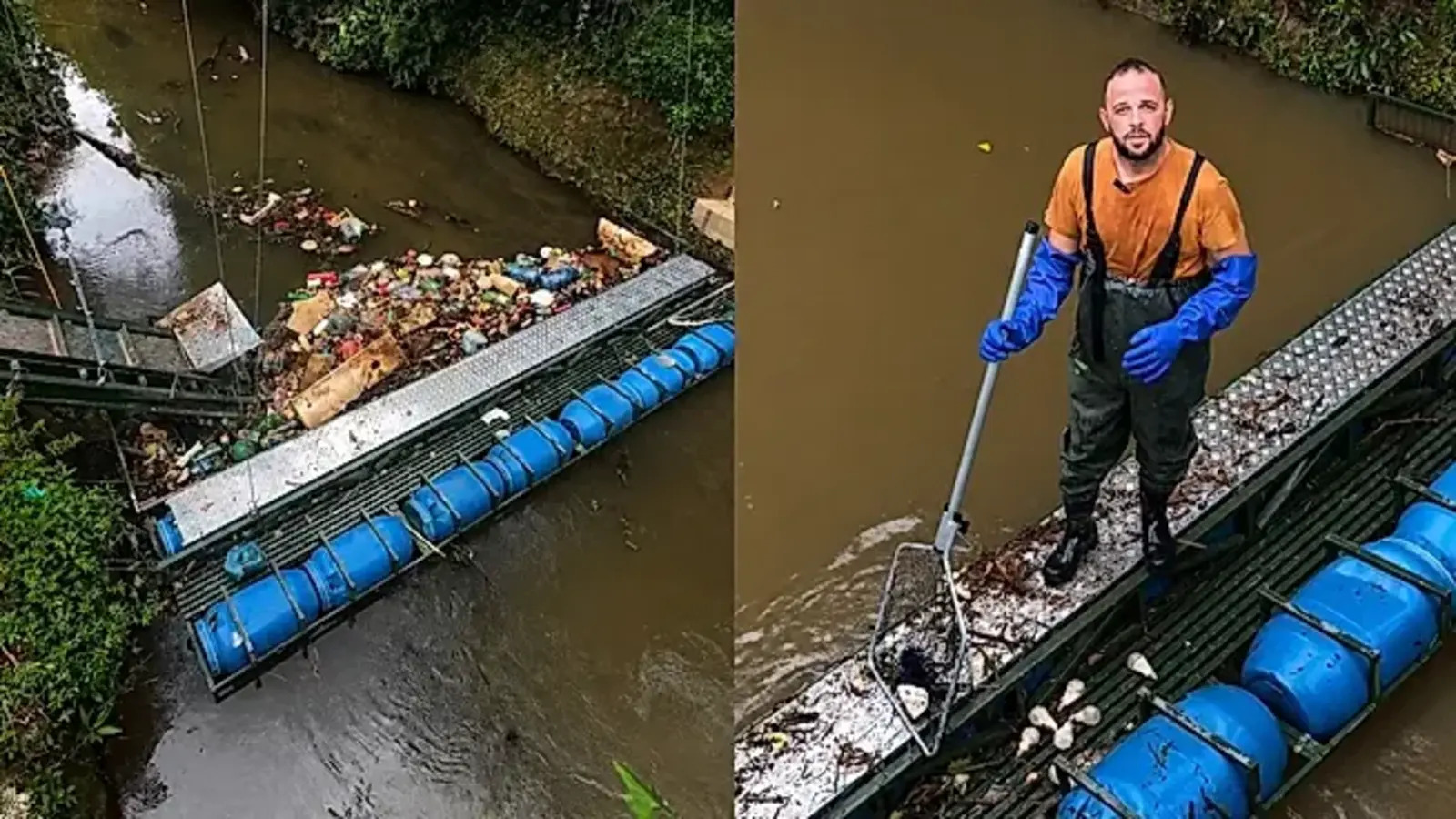
Brazilian promises his children to save a river, creates an eco-barrier in his backyard, has already removed more than 40 tons of trash from the water, and even inspires the idea in other states of the country.

-
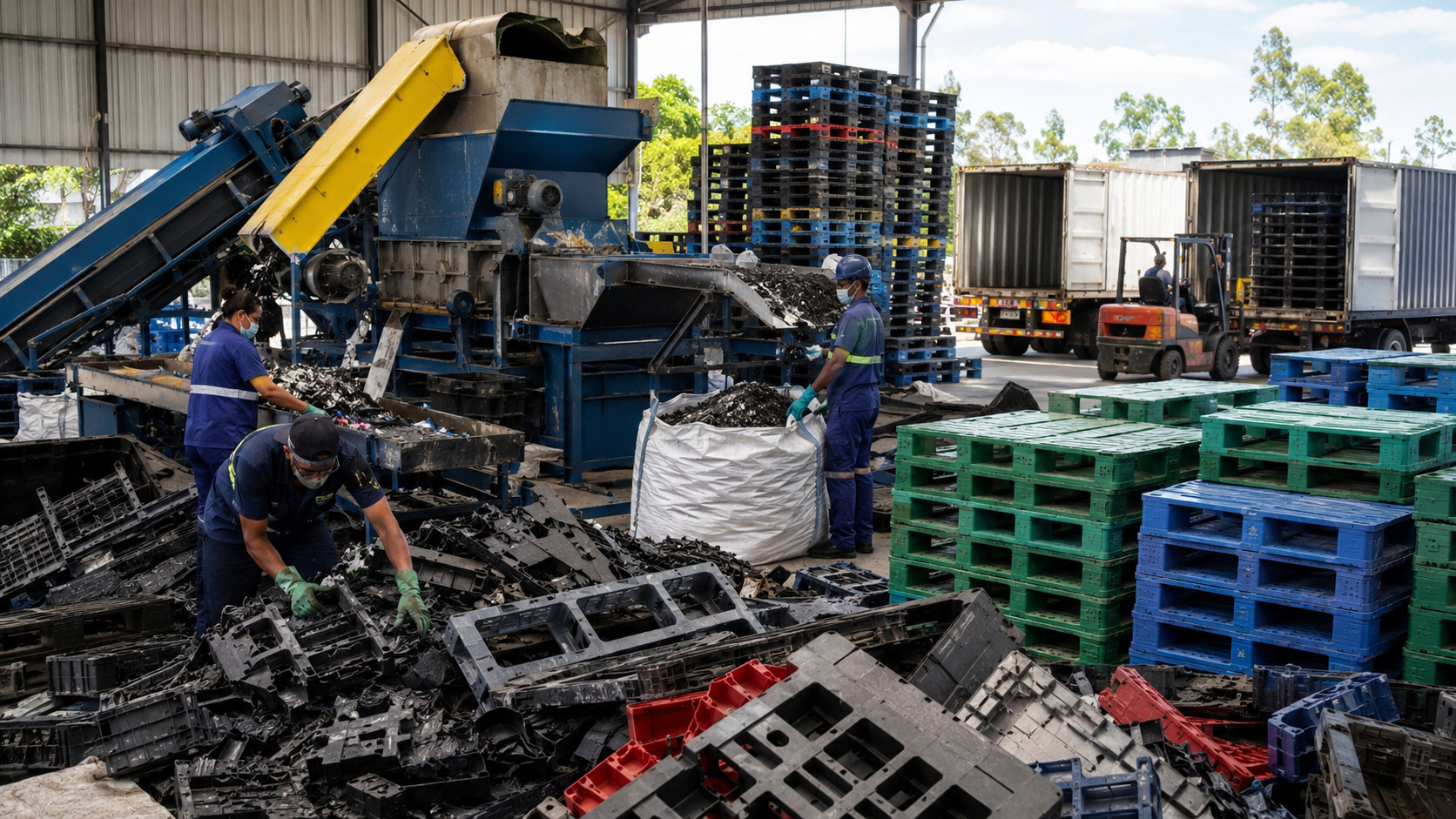
How a Brazilian company created a system that transforms broken pallets of any brand into new assets, recycles 80 tons of plastic per month, and found a profitable solution to a problem that challenges industries across the country.
-
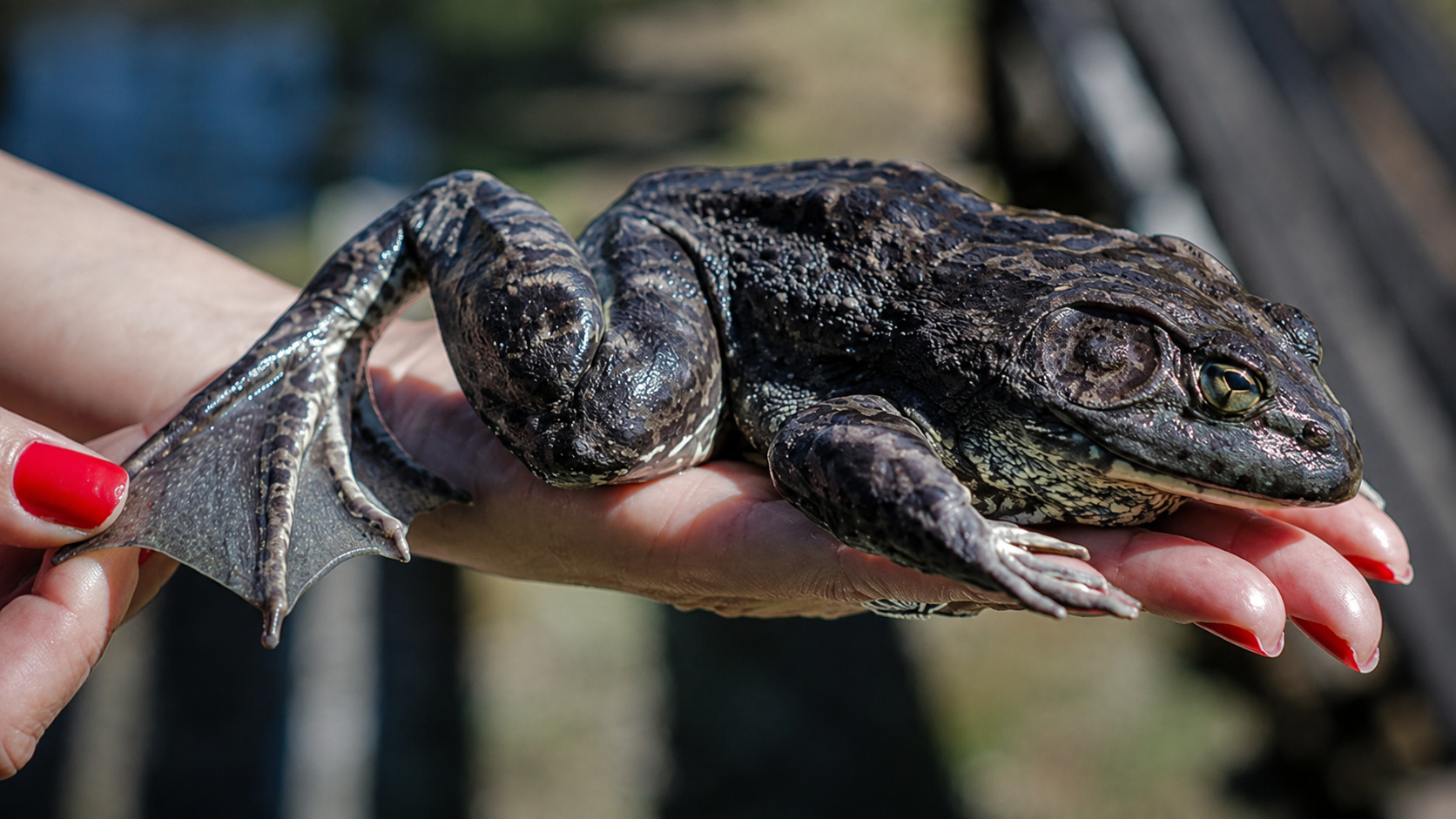
Invasive bullfrog capable of devouring other amphibians and laying up to 20,000 eggs is found in Florianópolis, raising an alert about the threat to native fauna.

Archaeological Sites as “Arks” of Biodiversity
For centuries, archaeological areas have been protected to prevent construction, mining, and agricultural use.
As a result, many of these sites have remained almost intact, even as the surrounding areas transformed.
Thus, these spaces have functioned as true natural “arks,” harboring species that have disappeared from other landscapes.
“It is a functional part of the archaeological landscape,” says Panayiotis Pafilis, a professor at the National and Kapodistrian University of Athens.
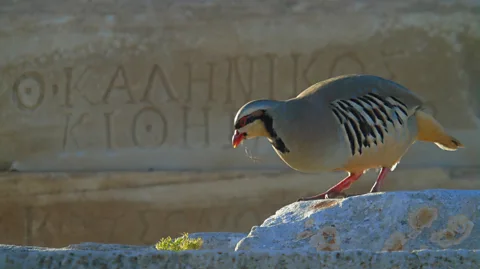
For him, the key concept is the integrated landscape, where historical heritage and nature coexist inseparably.
The Lima Gecko and Survival Among Ruins
In Lima, small gray-brown geckos have found shelter in pre-Hispanic monuments known as huacas.

The Lima leaf-toed gecko, a native species of the Peruvian coastal desert, now survives almost exclusively in these historic locations.
According to researcher Alejandra Arana, the advance of buildings and roads has drastically reduced the species’ natural habitat.
“They are the only type of natural landscape we can find in the region,” she says. Thus, archaeological sites have become crucial for preventing the reptile’s extinction.
Ancient Greece: Ruins That Protect Rare Plants and Animals
In Ancient Greece, the role of archaeological sites as natural refuges is even more evident.
A project launched in 2022 analyzed 20 historical locations and identified over 4,400 species of animals and plants, equivalent to about 11% of all known biodiversity in the country concentrated in a minimal area of the territory.
In Delphi, researchers discovered a possible new species of microscopic snail, measuring only 2 millimeters.
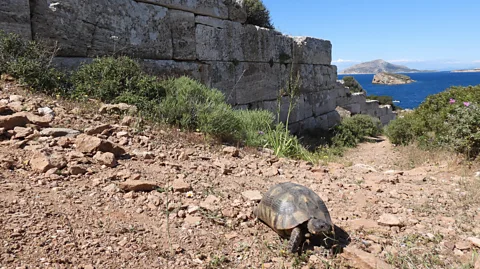
In Mystras, a Byzantine city from the 13th century, six of the seven endemic lizard species of the Peloponnese were found, a number higher than recorded in neighboring areas outside the site.
Historical Plants, Myths, and Ecological Continuity
In addition to fauna, the flora of these sites reveals surprising connections between the past and present.
In Dodona, where mythology claims Zeus spoke through a sacred oak, researchers identified centuries-old oaks still alive. In other sites, hemlock, the plant used in Socrates’ execution, has been found.
These findings reinforce the idea of ecological continuity. “There are still oaks in the archaeological site, they are still alive,” says botanist Theophanis Constantinidis.
For him, the current plants are direct descendants of those that existed in Antiquity.
Biodiversity Under Global Pressure
The data gain even more relevance in light of the global scenario. According to the UN, about 75% of the Earth’s surface has already been severely altered by human action.
Vertebrate populations have declined by 73% since 1970, and nearly 40% of plant species are threatened.
In Greece, more than 21% of species face risk, mainly due to habitat fragmentation and climate change.
In this context, archaeological sites offer relatively stable environments, protected for over a century.
Challenges Between Conservation and Historical Preservation
Despite the potential, reconciling archaeology and biology is still a challenge. Researchers need to adapt methods to avoid damaging ancient structures.
“You can’t enter the Acropolis with a pickaxe and start digging,” jokes Pafilis.
Still, studies show that small changes in management, such as selective vegetation cutting and reduced use of herbicides, can further support plant life without compromising the ruins.
Bridging Archaeology, Science, and the Future
Experts advocate for greater integration between archaeologists and biologists.
For WWF Greece, including biodiversity targets in the management of these sites can help achieve global conservation goals, such as protecting 30% of ecosystems by 2030.
In Lima, Arana believes that the example of the geckos shows the way. “If we know that the site is protected due to its historical value, we know that the gecko is protected,” she says.
Thus, quietly and unexpectedly, archaeological sites continue to preserve not only the memory of humanity but also the life that persists among ancient stones, connecting past, present, and future in a single landscape.





-

1 person reacted to this.