






 Portuguese
  Spanish


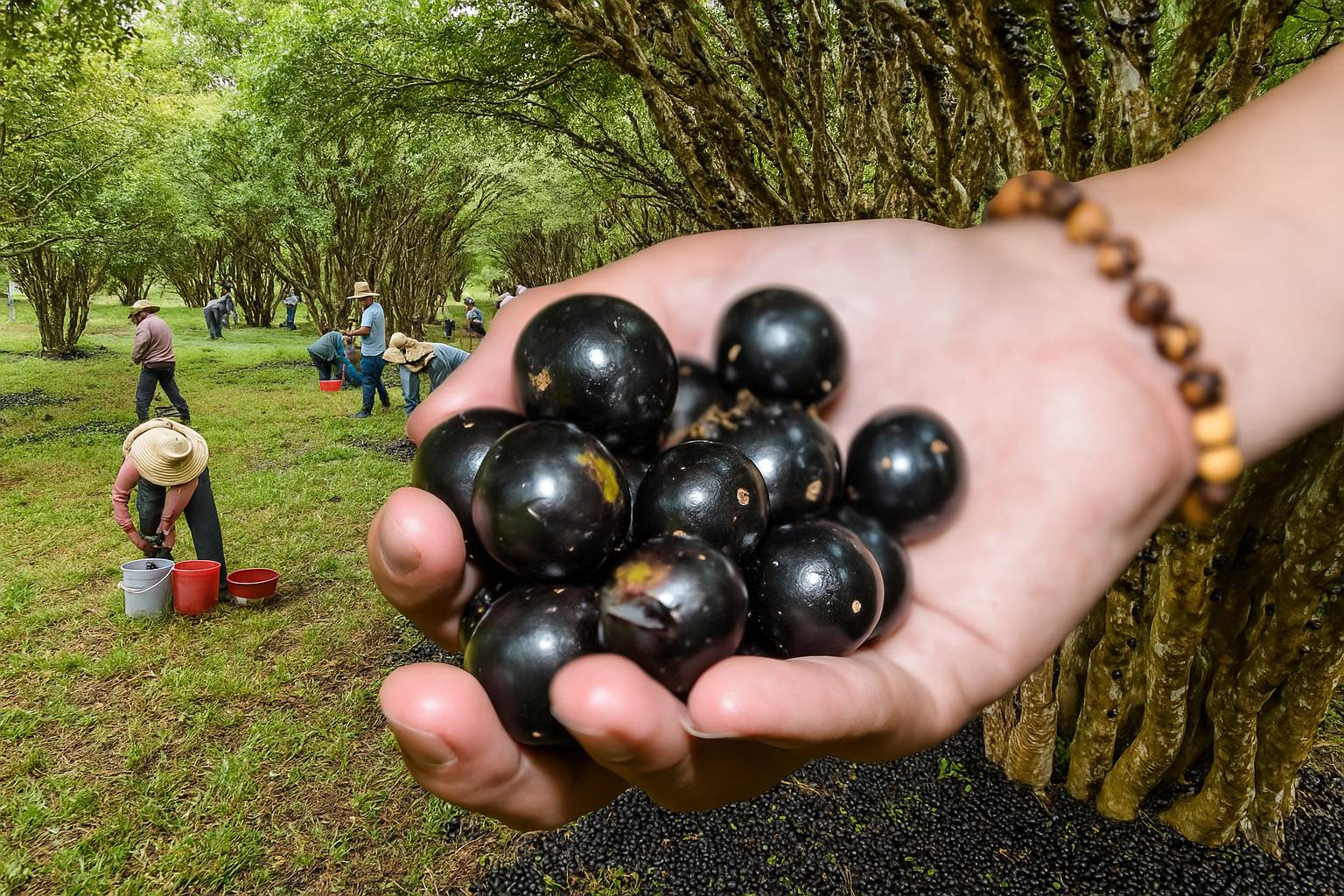


Located in Hidrolândia, Fazenda Jabuticabal Hosts the Largest Jabuticaba Orchard in the World, with a Structure that Combines Agricultural Production, Rural Tourism, Winemaking, and Economic Impact for the Entire Goiás Region
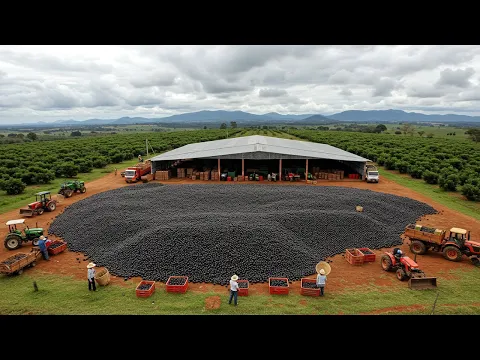
The largest jabuticaba farm in the world is located in the municipality of Hidrolândia, Goiás, just 30 kilometers from Goiânia. The property, known as Fazenda Jabuticabal, has 42,000 jabuticaba trees distributed over 35 acres of land and ensures an annual production of approximately 220 tons per harvest, solidifying Brazil as an international reference in the cultivation of exotic fruits.
The farm was founded in 1947 by Antônio Batista da Silva, who started planting with 7,000 jabuticaba trees. Decades later, the property became the largest in the world in this sector, attracting visitors from all over Brazil and abroad interested in both harvesting and its derived products.
-
Brazilian Farmer Invents Low-Cost Tractor Using Motorcycle Parts, Efficiently Working 2 Acres on 1 Liter of Diesel

-
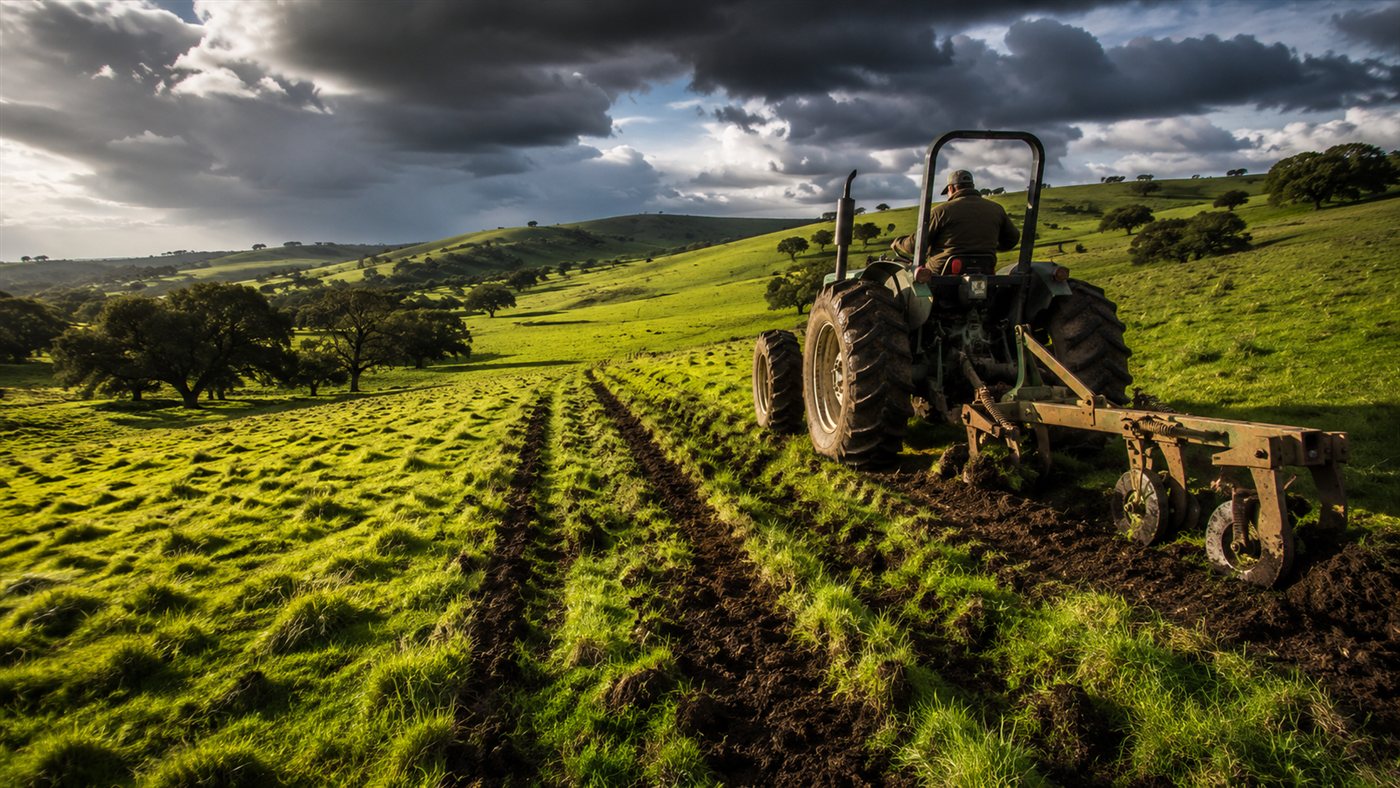
Regenerative Farmers Use Keyline Plow to Improve Pasture Hydration, Storing 1 Gallon of Water Every 30 Centimeters

-
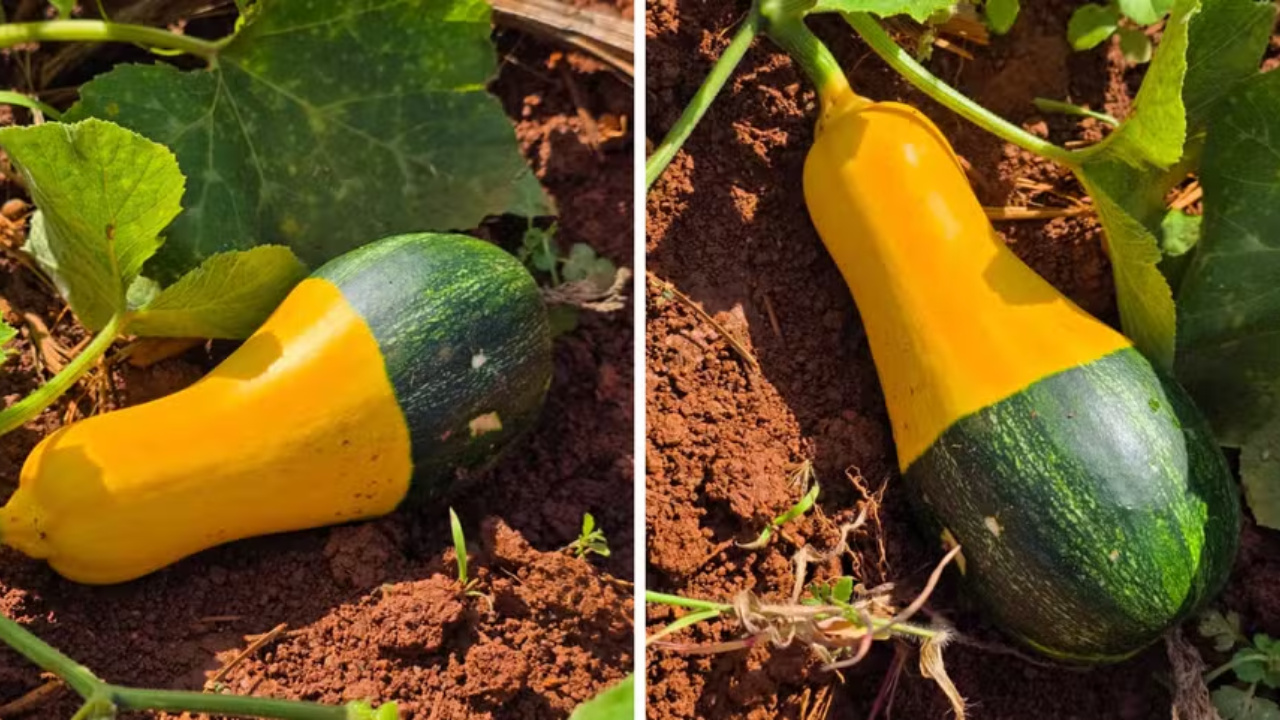
Bicolor Pumpkin Resembling Hand-Painted Art Discovered by Brazilian Researchers in the Capital Due to “Spontaneous Mutation”

-
In China, a 26-story building produces 1.2 million pigs annually, revolutionizing livestock farming with tube feeding and AI surveillance.


According to the founder’s grandson, chemical and industrial engineer Marcos Paulo Batista, the farm preserves the family legacy while investing in technology, diversification, and tourism. The information was reported by the Compre Rural portal, in a report published in September 2024.
Tradition and Legacy of Over 70 Years
The trajectory of Fazenda Jabuticabal began with a bet considered bold at the time. Antônio Batista, who worked reselling fruits in Goiânia, decided to invest in his own cultivation after making a profit from selling boxes of jabuticaba. The initial success led him to expand the planting, transforming a small agricultural area into one of the largest fruit farming hubs in Brazil.

Antônio Batista passed away in December 2023, at 97 years old, but left behind a consolidated structure. Today, the property retains the title of the largest plantation in the world and has become a symbol of persistence, tradition, and innovation in the Brazilian agribusiness.
In addition to fruit production, the farm has expanded its activities over the years, also operating as a farm winery and expanding into other crops, such as cajá-manga and tangerine, as well as dairy cattle.
Agricultural Production and Jabuticaba Derivatives
With 42,000 trees in full production, Fazenda Jabuticabal adopts modern practices in cultivation, management, and irrigation, ensuring strict quality standards. Production goes far beyond fresh consumption: the fruits are transformed into jellies, juices, liqueurs, and wines, marketed in various regions of Brazil and also exported.
The property’s winery is one of the highlights, producing the renowned jabuticaba wine, known for its distinctive flavor and artisanal process. In addition, the farm continuously invests in research to expand its product line and add value to the fruit, becoming a reference in the agro-industry sector.
This diversification has ensured that the farm has become an agro-industrial hub of national relevance, strengthening its position as an example of innovation in the field.

Rural Tourism and Cultural Experience
Fazenda Jabuticabal is not limited to cultivation. During the harvest, which takes place annually, the property opens its doors to thousands of visitors from all over the country. Rural tourism has become one of the main parallel activities of the farm, offering an immersive experience in the world of jabuticaba.
Visitors can participate in harvesting, learn about the production processes of the derivatives, taste handcrafted wines, and take strolls through the extensive orchards. Additionally, the farm’s structure features a restaurant, café, brewery, lookout point, photo space, souvenir shops, and leisure areas.
This combination of agribusiness and tourism has made the farm one of the main visitation destinations in Goiás, attracting families, schools, and groups of international tourists.
Economic Impact and Job Creation
The relevance of the farm surpasses the bounds of agricultural production. During the harvest, hundreds of direct and indirect jobs are created in Hidrolândia and the surrounding area, boosting the local economy.
The flow of visitors strengthens regional tourism and increases income circulation, benefiting everything from small businesses to hospitality networks. Thus, Fazenda Jabuticabal has established itself as a pillar of economic development for Goiás.
The report from Compre Rural also highlights that the property helps put Hidrolândia and the state on the map of major agricultural productions in the world, elevating the significance of jabuticaba as a national product.
Sustainability and Promising Future
Fazenda Jabuticabal also invests in sustainable management, using controlled irrigation and environmental preservation practices that minimize production impacts. Biological pest control and conscious water usage ensure a balanced operation with low environmental impact.
Expansion projects are underway, both to increase the cultivated area and to develop new products derived from the fruit. The goal is to maintain the title of the largest jabuticaba farm in the world and expand the brand’s presence in the international market.
With this long-term vision, Fazenda Jabuticabal remains a symbol of national pride, highlighting Brazil’s potential in agribusiness and rural tourism.
If jabuticaba has managed to conquer the world from a farm in the interior of Goiás, could other treasures of our biodiversity also follow the same path and place Brazil at the top of international production?







A IA está fazendo parte das Fake news de imagens fora do contexto, é triste essa realidade da terra plana bolsomínia.
As imagens imbecis de IA agora preponderam. Quer dizer que vcs querem fazer matérias sobre assuntos sérios com imbecis colocando imagens mentirosas.
Essa é a nova era das reportagens.
Muito obrigado, não passa de lixo.
A Fazenda é de beterraba ou jabuticaba?
Pq a imagem contradiz o texto ..