






 Portuguese
  Spanish


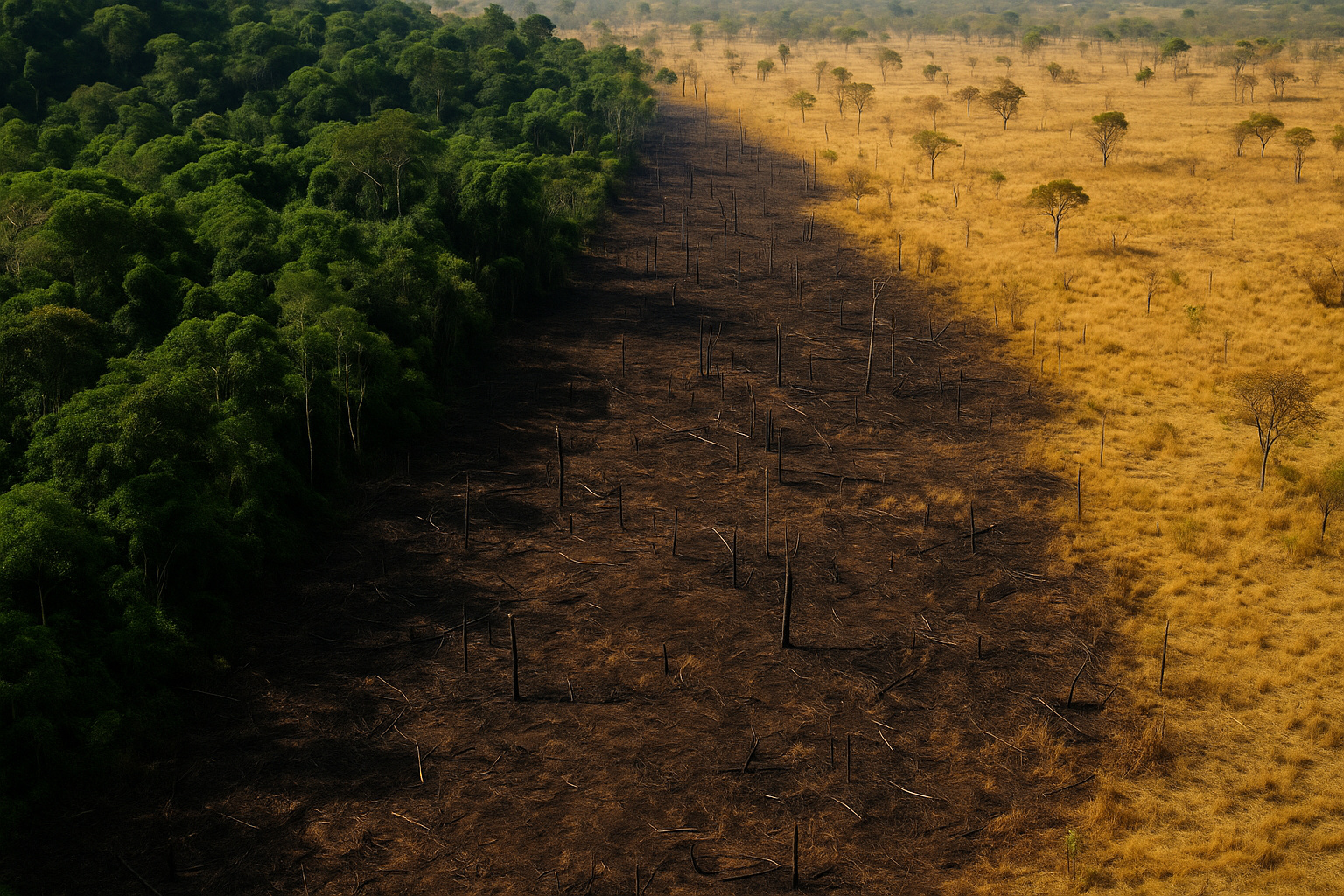
Official Data Reinforces Federal Government’s Commitment to Zero Deforestation by 2030 and Highlights Advances in Environmental Monitoring Mechanisms
Deforestation in the Amazon and Cerrado showed a 11% reduction between August 2024 and July 2025, according to information released on October 30, 2025 by the Ministry of Environment and Climate Change (MMA).
The data is based on the survey conducted by the National Institute for Space Research (Inpe).
Amazon Registers Third Lowest Rate in History
In the Legal Amazon, deforestation reached 5,796 km², a number that represents a 11.08% decrease compared to the previous cycle.
This is the third lowest rate since 1988, the beginning of the historical series of the Prodes project, from Inpe.
According to Minister Marina Silva, the continuous reduction proves the government’s commitment to zero deforestation by 2030.
Additionally, she emphasized that the environmental agenda is prioritized and transversal in the federal government.
-
Brazilian promises his children to save a river, creates an eco-barrier in his backyard, has already removed more than 40 tons of trash from the water, and even inspires the idea in other states of the country.

-
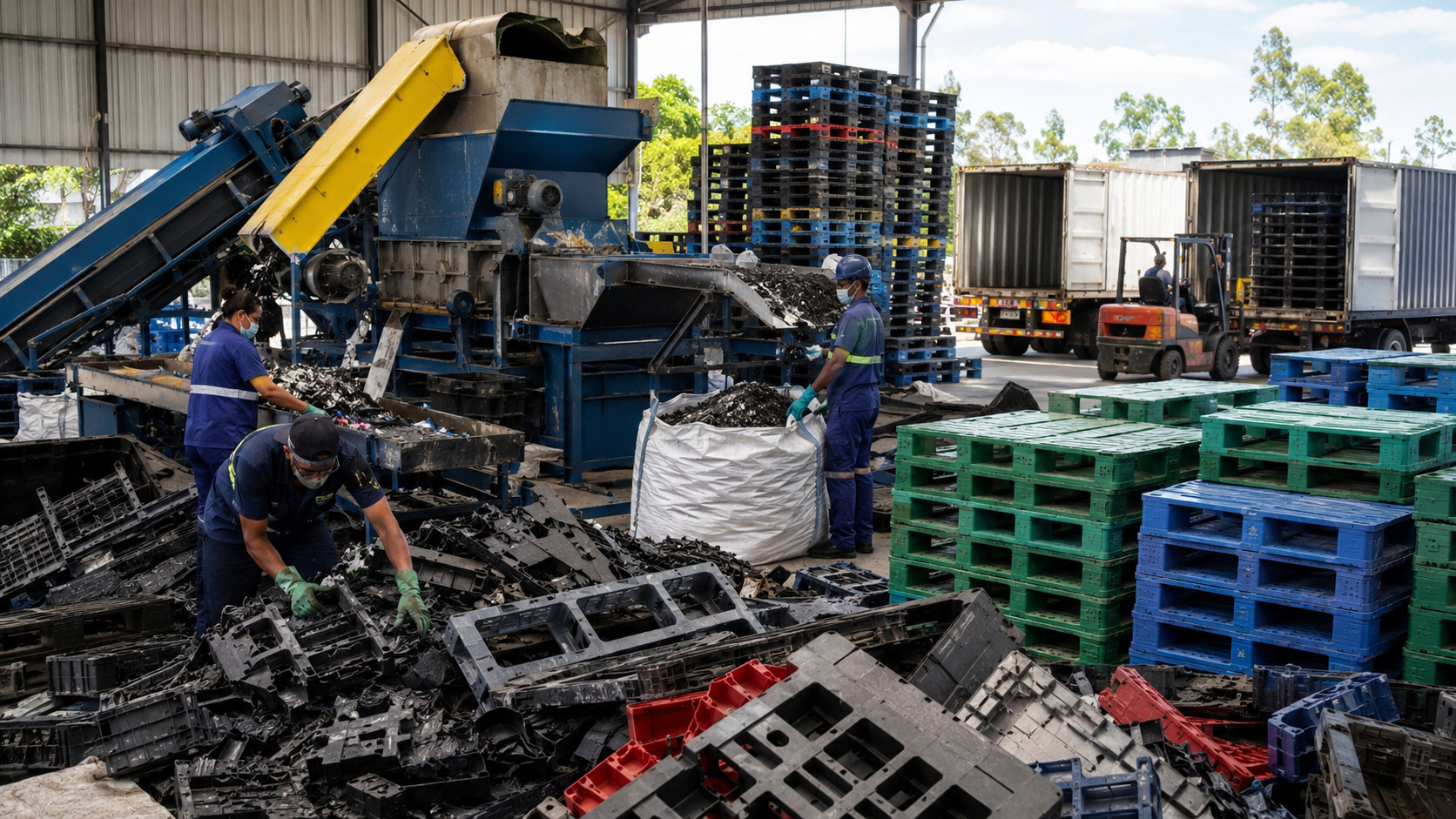
How a Brazilian company created a system that transforms broken pallets of any brand into new assets, recycles 80 tons of plastic per month, and found a profitable solution to a problem that challenges industries across the country.

-
Invasive bullfrog capable of devouring other amphibians and laying up to 20,000 eggs is found in Florianópolis, raising an alert about the threat to native fauna.
-
It looks like a baby, but it’s an adult: meet the Bornean pygmy elephant, the smallest elephant in the world threatened by habitat loss.



According to the minister, this progress is essential for Brazil to achieve sustainable development and strengthen its position in global climate policies.
States That Contributed the Most and Significant Reductions
According to Inpe data, Pará, Mato Grosso, and Amazonas accounted for 80% of all deforestation in the Legal Amazon.
However, there were significant reductions in other states in the region.
Tocantins recorded a reduction of 62%, Amapá showed a decrease of 42%, and Roraima decreased by 37%.
Rondônia had a 33% reduction, Acre fell by 27%, Maranhão showed 26%, and Amazonas closed with 16.93%.
Even with the overall improvement, Mato Grosso experienced a 25.05% increase in deforestation.
The growth is directly related to wildfires and the progressive degradation of forest areas.
Cerrado Maintains Trend of Reduction After Five Years of Increase
The Cerrado also showed a 11.49% decrease, totaling 7,235 km² deforested during the analysis period.
This is the second consecutive reduction after five years of continuous increase.
According to Prodes, the largest deforestation occurred in the Matopiba region — composed of Maranhão, Tocantins, Piauí, and Bahia — which accounted for 78% of the total devastation of the biome.
Maranhão concentrated 28% of the deforested area, followed by Tocantins (21%), Piauí (19%), and Bahia (11%).
According to Marina Silva, these results demonstrate the effectiveness of the monitoring and enforcement actions conducted in partnership with states and municipalities.
Technological Advances and Continuous Monitoring
The Minister of Science, Technology, and Innovation, Luciana Santos, highlighted the progress in monitoring systems as an essential factor in combating deforestation.
She stated that “the results are not a matter of chance, but the result of the technical excellence of Inpe and the precision of the satellites mapping the national territory.”
The coordinator of the BiomasBR Program, Cláudio Almeida, warned that, although the reduction is positive, the increase in degradation due to fires threatens to “bring the forest to collapse.”
For him, controlling wildfires will be decisive in ensuring the recovery of ecosystems and the continuation of the downward trend in deforestation rates.
Commitment and Future Perspectives
According to the MMA, the results reinforce the Brazilian government’s commitment to the international environmental agenda and to the goals of climate neutrality.
The reductions also strengthen the country’s position in global climate negotiations, especially in preparation for COP30, scheduled for 2025 in Belém (PA).
Thus, Brazil is advancing to establish itself as a global reference in combating deforestation and ecological transition.
Still, authorities emphasize that permanent vigilance and the intensive use of technology will be decisive to achieve the goal of zero deforestation by 2030.





Be the first to react!