Portuguese
  Spanish


Google Innovates Once Again by Creating the World’s First Green Internet, Combining Sustainability and Technology in a Milestone for the Future of Global Connectivity.
The growing demand for clean and sustainable energy has encouraged large companies to seek alternative and innovative sources. In this scenario, the partnership between Google and Fervo Energy stands out as a milestone in the use of geothermal energy, pointing to a future where large corporations can operate in a fully sustainable manner.
In November 2023, Fervo Energy launched the Red Project, a geothermal plant located in Nevada, United States. This facility began supplying carbon-free energy to Google’s data centers in the region, representing a significant advance in the search for reliable renewable sources.
The plant uses heat from the underground to generate electricity, leveraging the constant availability of thermal energy from the Earth, unlike sources such as solar and wind, which depend on weather conditions.
-
Extreme Heat of 41.3°C Warps Roads in Germany, Causes Autobahn Asphalt to Crack, Injures People, and Forces Snowplows to Cool Down Highways

-
AI Security System in Brazil Aims to Cut False Alarms by Differentiating Pets from Intruders, Enhancing 24/7 Monitoring for Homes and Businesses

-
Archaeologists Discover 1,500-Year-Old Byzantine Mosaic with Greek Biblical Inscription in Israel, Uncover Ruins of 10 Buildings Near Kiryat Gat
-
Ohio Carpenter Finds 308-Gram Meteorite the Size of a Baseball After Dreaming of Its Location





Expansion of Google’s Energy Agreement
Following the initial success, Google entered into a new agreement in June 2024 with NV Energy, a subsidiary of Berkshire Hathaway, to further expand the use of geothermal energy. The contract provides for an increase in supply from 3.5 megawatts to an impressive 115 megawatts over the next six years.
This increase, still subject to regulatory approval, will be essential to meet the growing demand of Google’s data centers, driven by advancements in technologies such as artificial intelligence and cloud computing.
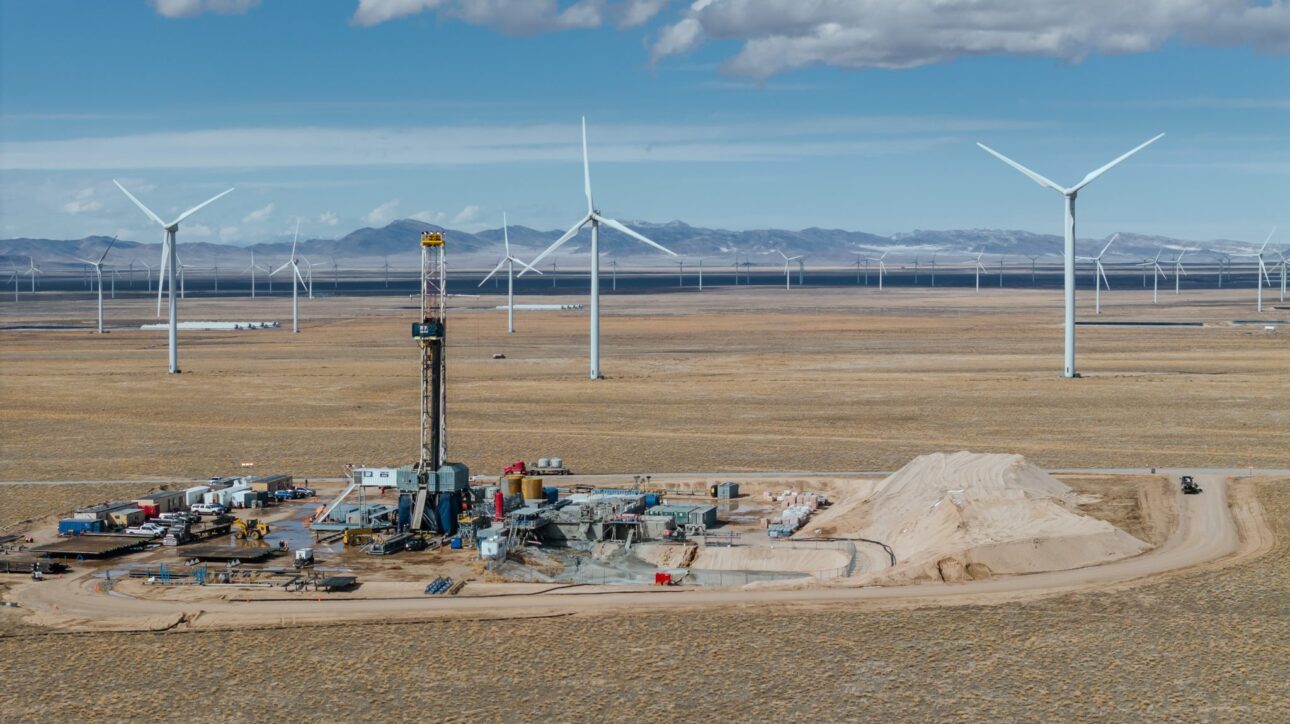
Technological Advancements of Fervo Energy
Fervo Energy has been leading innovations in the field of geothermal energy. With the development of the FervoFlex system, the company has revolutionized the process of extracting thermal energy from the underground. This technology utilizes horizontal drilling in hot rocks to create highly efficient water circulation systems.
The impact of this innovation is significant: drilling time has been reduced by 70%, while the cost per well has dropped from US$ 9.4 million to US$ 4.8 million. These advancements make geothermal energy more competitive and accessible, increasing its potential for expansion.
The success of the Red Project was just the beginning. An even more ambitious project is underway in Utah, expected to operate by 2026. This plant will provide energy for about 400,000 households, highlighting Fervo Energy’s commitment to expanding the viability of geothermal energy on a large scale.
Google’s Sustainable Commitment
This partnership is part of Google’s commitment to operate on 100% clean energy by 2030. The company has invested heavily in renewable sources such as solar, wind, and now geothermal, seeking solutions that are both sustainable and reliable. Geothermal energy, with its ability to operate continuously without interruptions, is seen as a key piece in achieving this ambitious goal.
How Geothermal Energy Works
Geothermal energy is a form of renewable energy that harnesses heat from the Earth’s interior. This heat has two main sources: radioactive decay of elements in the Earth’s core and mantle and residual heat from the planet’s formation.
This heat rises toward the Earth’s crust, being stored in rocks and underground reservoirs, where it can be used continuously and reliably.
The extraction of this energy can occur in various ways. In some areas, heat pump systems are used to take advantage of the constant temperature of shallow soil to heat or cool environments.
In places with heated groundwater, wells are drilled to extract steam or hot water, which is then used to generate electricity in geothermal power plants. When there is no natural hot water, current technologies allow for deep drilling in rocks to inject water and efficiently generate steam.
Advantages of Geothermal Energy
- Renewable and Sustainable: Earth’s heat is virtually inexhaustible on human timescales.
- Reliable: Available 24 hours a day, regardless of weather conditions.
- Low Emissions: Geothermal power generation emits very few greenhouse gases.
- Versatile Use: Can generate electricity, heat spaces, and be used in industrial processes.
Where Geothermal Energy is Most Used
Countries with the highest use of geothermal energy include Iceland, the Philippines, Indonesia, the United States, and New Zealand. In these regions, geological conditions, such as volcanoes and active tectonic areas, facilitate access to underground heat.
Geothermal energy, although still underutilized in many parts of the world, has the potential to play a crucial role in the transition to cleaner and more sustainable energy sources.