Portuguese
  Spanish


Traveling by motorhome requires extra attention, smart planning, and specific driving techniques to ensure comfort, safety, and autonomy on long journeys across Brazil’s roads
Traveling by motorhome is a dream shared by thousands of Brazilians who wish to turn the road into home and live unique experiences on wheels. However, driving a vehicle of this size requires much more than simply accelerating and hitting the road. The driver needs to develop cautious driving, understand the vehicle’s behavior, and respect the limits imposed by the weight, height, and dimensions of the motorhome.
The information was released by “Motor Home Trips,” in content that gathers important guidelines on defensive driving, mechanical care, and habits that help make the road experience much safer and more comfortable.
Moreover, those who choose to travel by motorhome need to understand that they are driving a true house on wheels. This means that any miscalculation in curves, braking, or overtaking can pose greater risks than in a conventional car.
-
Nepalese Youth Use Minecraft to Redesign a Deteriorated Public Square and Present Their Vision to Local Authorities

-
Artist Converts Truck into Mobile Home to Embrace Diving Lifestyle, Complete with Bed, Kitchen, and Storage
-
Over 300 People in Barcelona Demonstrate Temperature Differences Between Shaded and Sun-Exposed Sidewalks
-
Tired of High Rent, Woman Converts Truck into Mobile Home for Travel Lifestyle

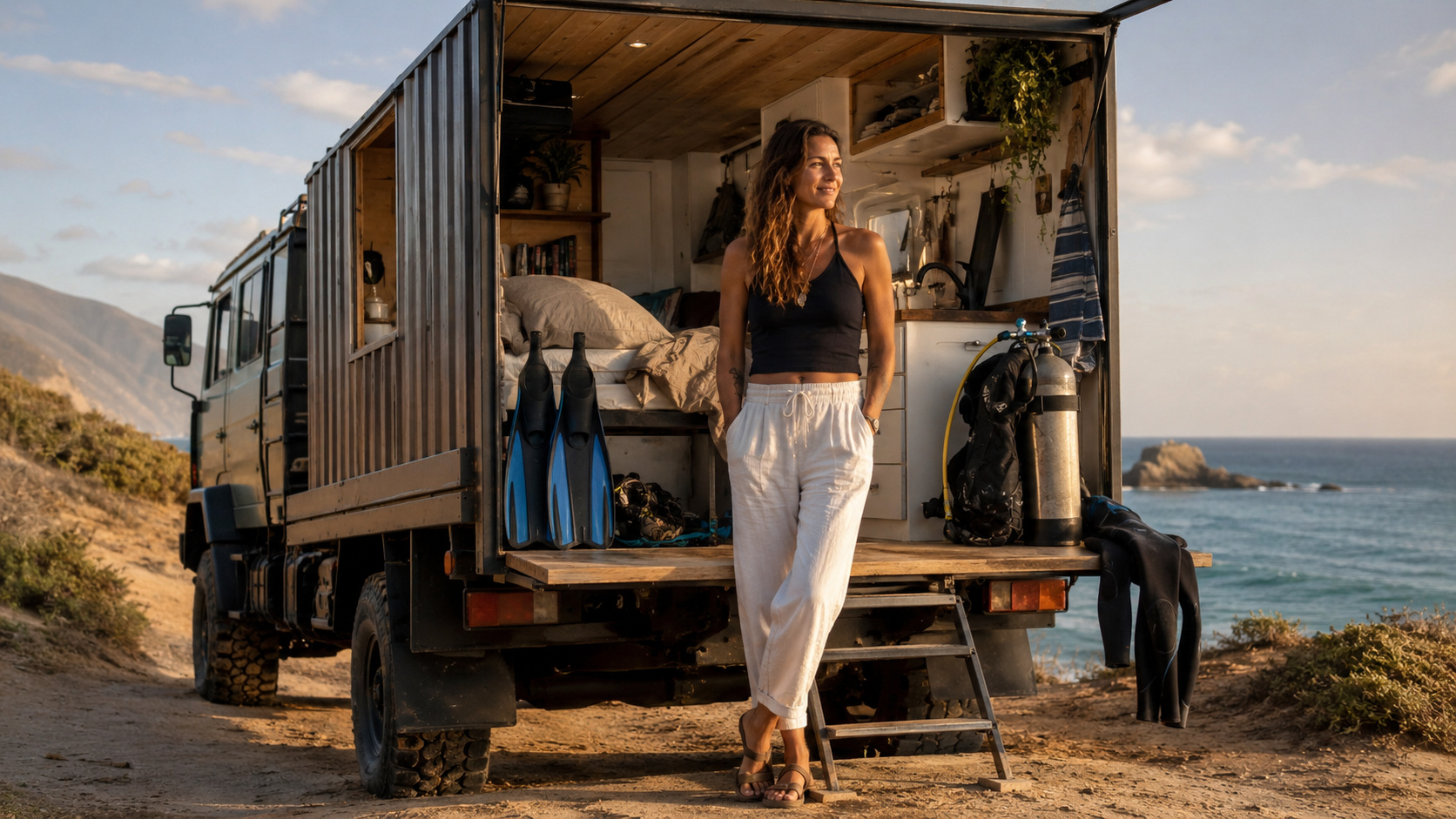

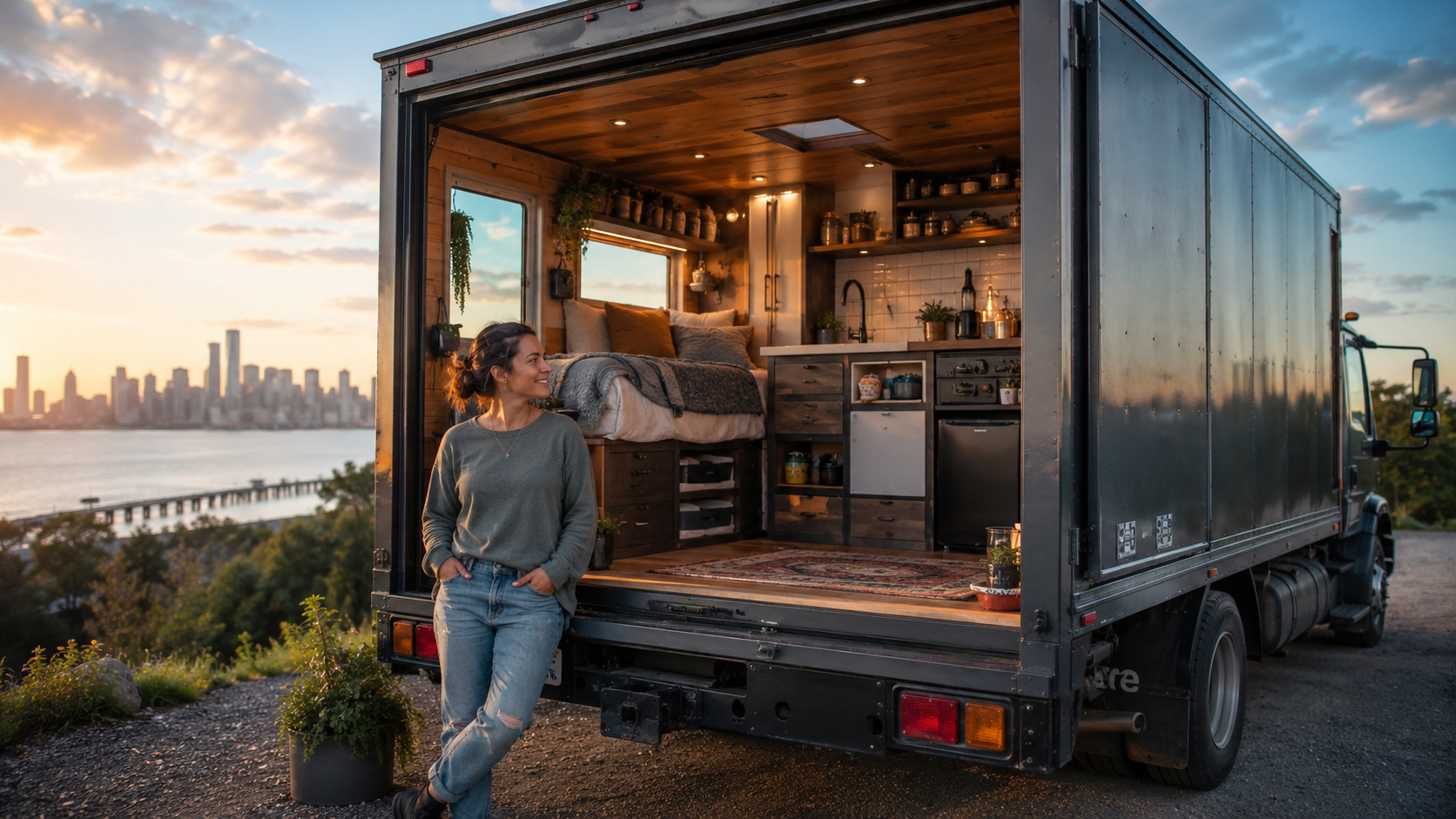
For this reason, experts emphasize that defensive driving should be an absolute priority during any journey.
Motorhome requires defensive driving and controlled speed on the roads
Driving a motorhome requires a unique driving style. The additional weight completely changes the vehicle’s geometry and alters its stability in curves, braking, and downhill driving.
Unlike a regular car, the motorhome requires smoother and more anticipated responses from the driver.
According to the recommendations presented in the original content, maintaining controlled speed is essential to ensure safety. In many cases, the prudent range varies between 90 km/h and 100 km/h, always depending on road conditions, visibility, weather, and the time of travel.
Furthermore, experts advise that motorhomes, campers, and trailers should adhere to the speed limits applied to heavy vehicles.
The National Traffic Council (CONTRAN) published on December 13, 2011, Resolution No. 396, which standardized speed limits according to the type of vehicle.
The regulation divides vehicles into two main categories:
Light vehicles:
Mopeds, motorcycles, tricycles, automobiles, utility vehicles, pickups, and vans with a Gross Vehicle Weight (GVW) equal to or less than 3,500 kg.
Heavy vehicles:
Buses, minibuses, trucks, tractor-trucks, motorhomes, trailers, semi-trailers, and cargo combinations.
In this context, the motorhome falls into the heavy vehicle category. Therefore, the driver must adhere to speeds compatible with this type of transport.
Another important point involves braking. Large vehicles require more time and distance to come to a complete stop. Therefore, maintaining a safe distance from other vehicles is essential throughout the journey.
Trip planning makes a difference in motorhome safety
Traveling by motorhome also requires organization even before starting the engine.
Experts recommend planning periodic stops every 150 km or 200 km. These breaks help both in resting the passengers and in preserving the vehicle itself.
Additionally, keeping the engine running until the temperature drops after long stretches can help in cooling the mechanical system.
Another important precaution involves the tires. The driver should constantly check the correct pressure and observe possible signs of wear or puncture. Tires with problems often produce different noises, often described as “dull” sounds.
It is also essential to frequently check the underside of the vehicle to identify possible oil, fuel, or fluid leaks.
According to the disclosed content, creating a logbook can also be very helpful during long trips. In it, the driver can record routes, refueling points, safe places for overnight stays, and ideal stop times.
Another relevant detail involves food. Experts suggest light meals during the morning, constant water consumption, and reducing sugary drinks or sodas during the journey.
The advantage of the motorhome lies precisely in autonomy. As many models have a refrigerator, kitchen, and complete internal structure, the traveler can maintain a more balanced diet even during long trips.
Additionally, driving at night should be avoided whenever possible. Ideally, according to the content, the journey should end around 5 PM or, at most, 6 PM.
Curves, wind, and vehicle height require constant attention
Motorhomes also present specific challenges related to size and height.
Tight curves require a larger turning radius. In many cases, novice drivers end up mounting curbs or partially invading other lanes due to lack of practice.
Therefore, practicing maneuvers in spacious areas can significantly increase confidence behind the wheel.
Additionally, the wind directly influences the behavior of the vehicle. Side gusts can alter stability and require constant steering corrections.
Another extremely important factor involves the height of the motorhome.
Low bridges, tunnels, walkways, garages, and gas station canopies can pose serious risks for vehicles of this size. Therefore, knowing the exact total height of the motorhome is mandatory before starting any trip.
According to experts, many drivers use specific road guides for motorhomes precisely to avoid unsuitable routes.
It is also worth highlighting the importance of the rearview camera. The equipment facilitates maneuvers and significantly reduces the risk of collisions during parking.
In tight spaces, having external help during reversing can also make a huge difference.
Motorhome turns the road into home, but requires responsibility
Despite the challenges, driving a motorhome is not considered extremely difficult. In the United States, for example, this type of vehicle has become extremely popular precisely because of the practicality and freedom it offers.
Even so, experts emphasize that constant attention, defensive driving, and planning are indispensable to ensure smooth trips.
The driver needs to understand that they are transporting passengers, equipment, residential structure, and a much larger load than that of a traditional car.
Therefore, every decision at the wheel should prioritize safety, stability, and comfort.
In the end, traveling by motorhome represents much more than driving. It’s about enjoying the journey, slowing down the routine, and making the road itself part of the experience.
Would you have the courage to trade hotels and airports for the freedom of spending months traveling in a motorhome across the roads of Brazil?