Portuguese
  Spanish


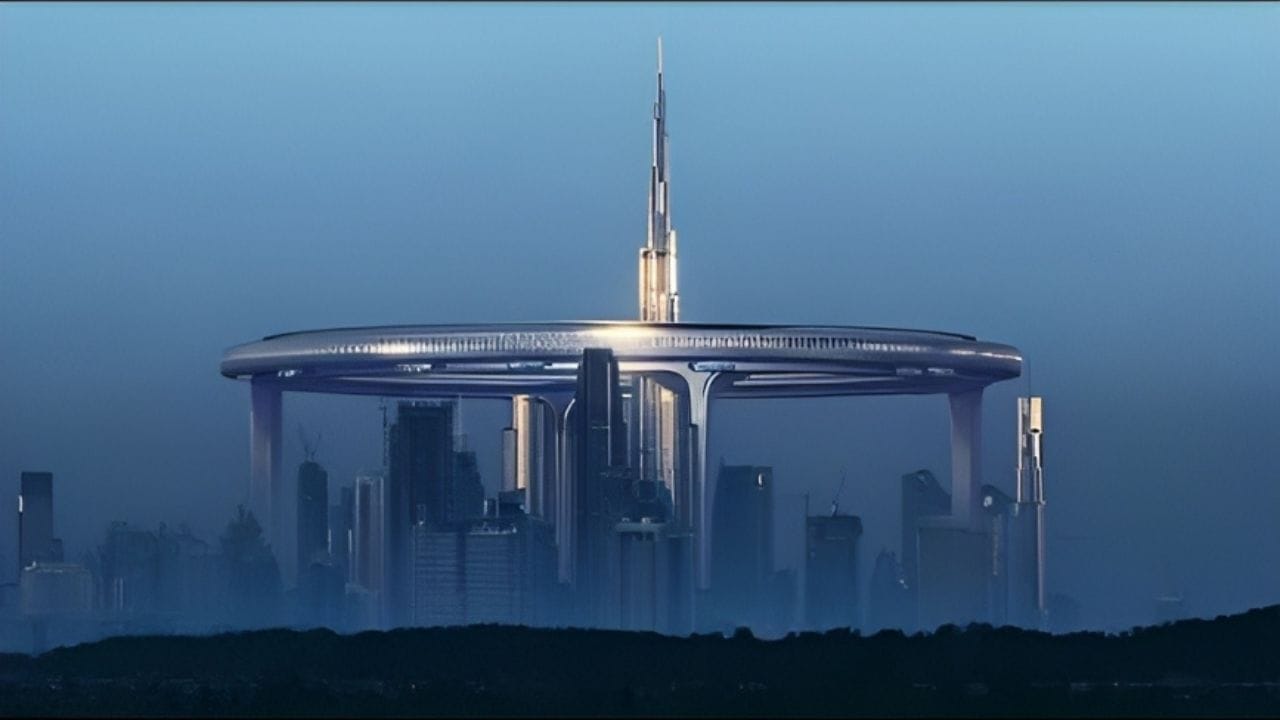

In A Bold Project, Dubai Proposes A Circular Skyscraper 550 Meters Tall, Redefining The Limits Of Engineering And Urban Architecture.
Dubai, known for its futuristic skyline and bold architectural projects, is igniting the internet with yet another impressive proposal. Although it is not yet under construction, the plan for a circular skyscraper 550 meters tall and 3 kilometers long, encircling the Burj Khalifa, has captured global attention. This project, proposed by ZNera Space, an architecture firm based in Dubai, aims to spark a conversation about urban density and efficient space management in cities.
Dubai, which has been experiencing explosive population and urban growth, is exploring innovative ways to accommodate this increase. With the global urban population projected to double by 2050, cities like Dubai need to find solutions to remain livable without being overwhelmed by the growing population.
Dubai Downtown Circle
The concept of the Dubai Downtown Circle, while not claiming to solve all urban density issues, raises an intriguing question: what if, instead of building vertically, we started to build horizontally in the sky? This proposed skyscraper, lying horizontally, could bring a new dimension to urban construction and potentially further boost Dubai’s economy.
-
28-meter, 156-ton titans traveled 20,000 km from China to the port of Santa Catarina: Portonave received 7 fully electric megacranes, part of a R$ 210 million package, to double container handling.

-
They exchanged the idea of a large house for a 35 m² warehouse, spent US$ 12,000 on the structure, and created a tiny house in Colorado with space to live and work.

-
A newly opened terminal in the middle of the Amazon has begun transporting soy and corn through Amapá, eyeing the queue of ships that is congesting the ports in the South.

-
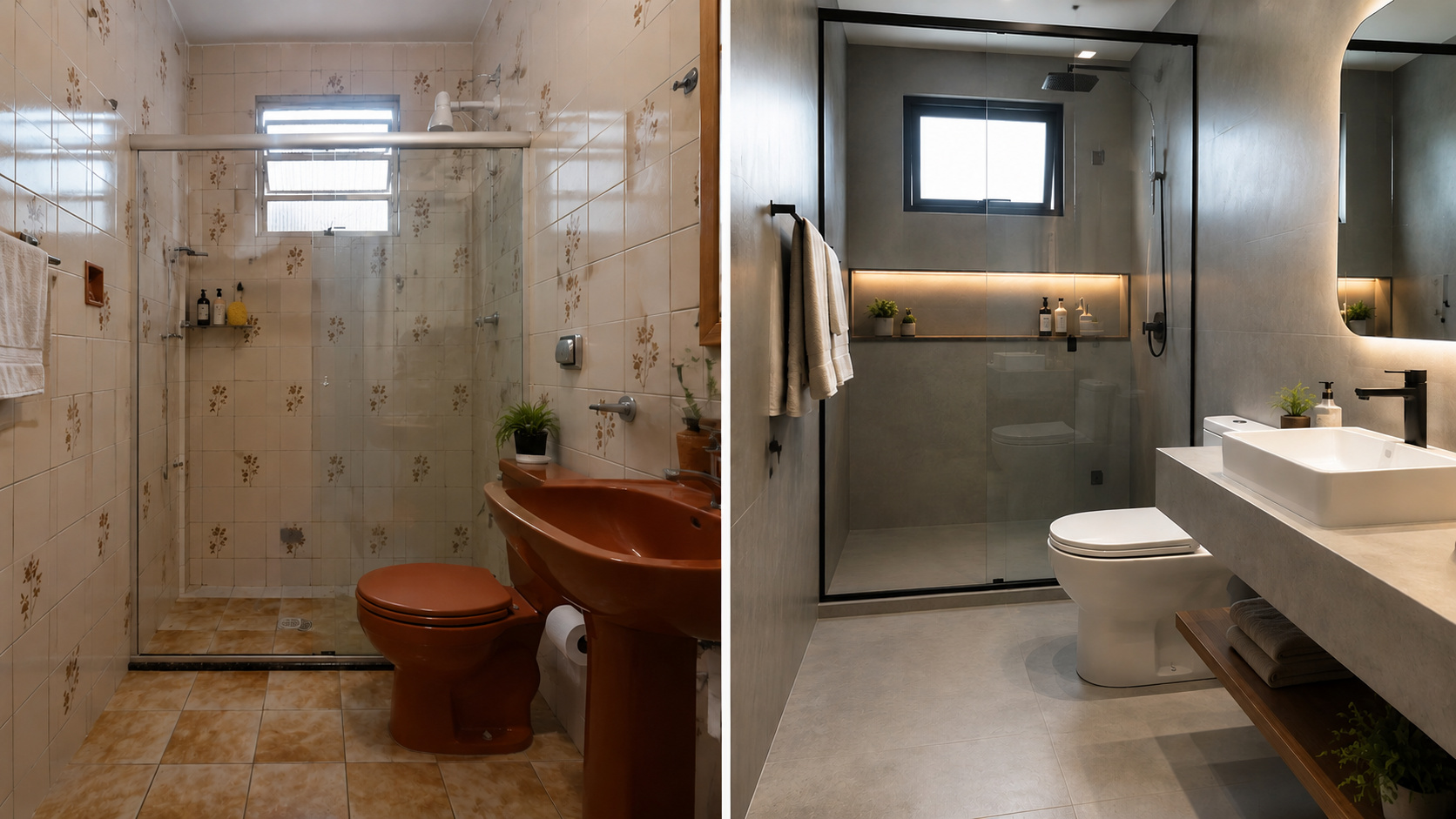
Goodbye to old tiles: renovation technique without construction transforms bathrooms in a few hours, eliminates debris, and reduces costs with coverings using special paints, high-resistance adhesives, and modern finishes that completely renew the space.


The skyscraper, envisioned as a five-story ring around the Burj Khalifa, presents various engineering and construction challenges. The proposal includes a series of neighborhoods, divided into “nodes,” following the idea of a “15-minute city,” where everything a resident needs or desires is within a 15-minute walk or bike ride. Residential, public, and commercial spaces would all be a short distance from the central park of the building, offering fresh air, natural light, and panoramic views of the city.


Train Capsules Circulating The Structure At 100 Km/h Instead Of Elevators
A particularly innovative aspect of the project is the replacement of elevators with train capsules that circulate the structure at 100 km/h, offering 360-degree views of the city. Although this technology has yet to be built on a similar scale, it resembles existing suspended monorails, with the difference being that they are half a kilometer off the ground.
The support for this massive structure would come from five towers, which in themselves would be skyline-defining buildings in any other city. These towers could incorporate technology that consumes pollution, similar to the proposal for towers in New Delhi, using titanium dioxide-coated cladding that reacts to natural light to break down nitrogen oxides and “clean” the city’s air.
The project, while not set for construction, underscores the need to think outside the box in architecture to face the challenges of the 21st century, such as climate change and rising urban populations. The Downtown Circle may not be the definitive answer to the housing crisis, but it certainly stimulates debate about how we build for a changing world.