Portuguese
  Spanish


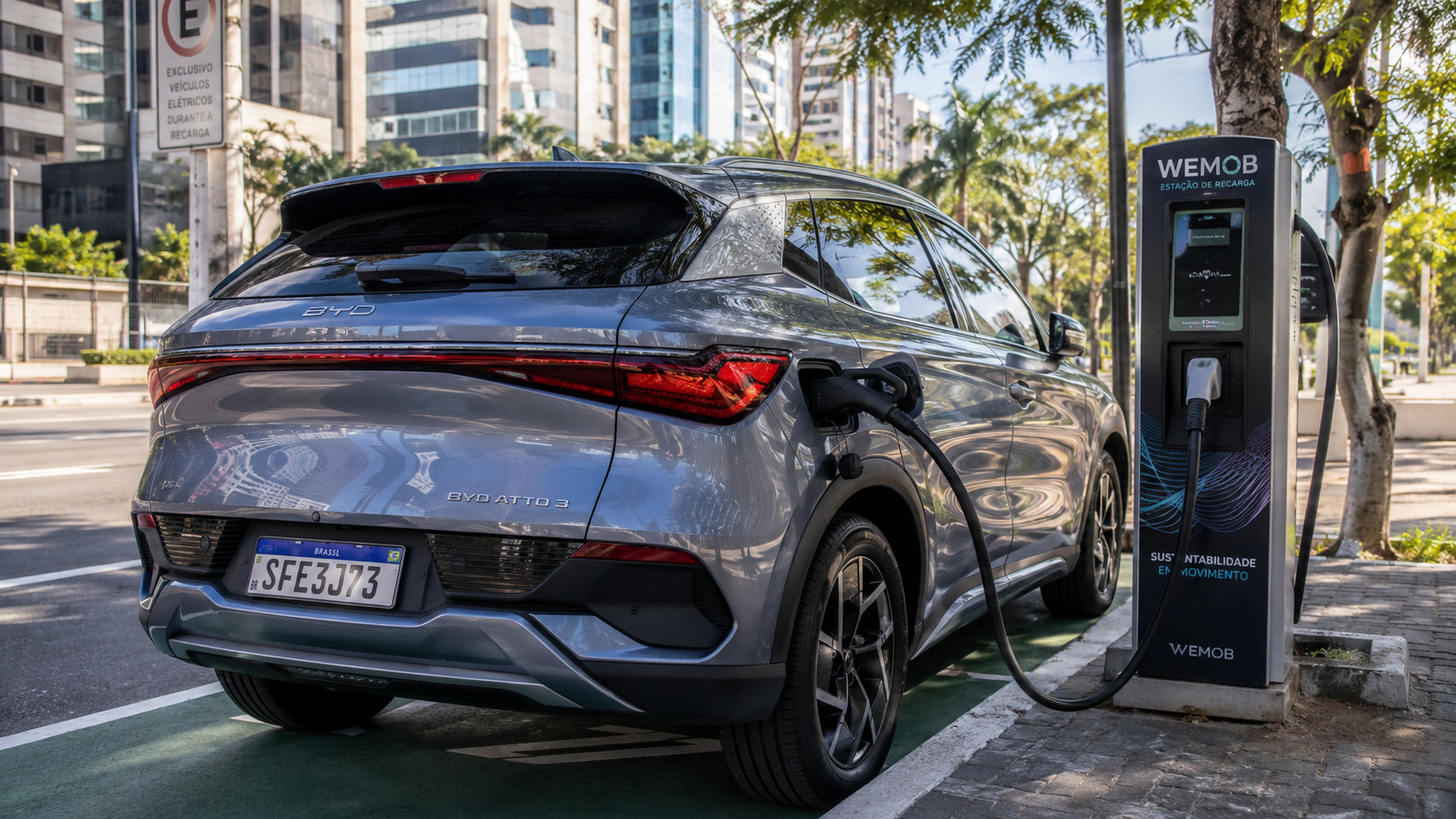

Accelerated growth of the electrified fleet, lower accident rate, and new market data explain why insurance costs are falling even with more complex and expensive technology
Electric car insurance in Brazil is starting to surprise both consumers and industry specialists. The information was released by “Estadão”, based on a survey by Allianz, which reveals an unexpected trend: electric vehicle policies can cost, on average, up to 20% less than those for equivalent combustion-powered models.
Initially, this data seems contradictory. After all, electric cars have high-cost batteries, more sophisticated technological systems, and depend on specialized maintenance. However, when we analyze driver behavior and real usage data, the scenario changes completely.
Furthermore, the study shows that the electrified vehicle market is evolving rapidly. As a result, insurers are beginning to better understand the risks and can adjust their prices more accurately.
-
Electric and Hybrid Cars Set to Transform Brazilian Streets: A New Era Begins

-
Chinese Giant Invests $1.3 Billion in Brazil to Produce 50,000 Cars Annually, Create Jobs, Develop Local Suppliers, and Manufacture Electric, Hybrid, and Combustion Models by 2027

-
Unprecedented achievement in India: a colossal 650-ton, nearly 3,000 hp excavator is transformed into 100% electric, marking a new phase in heavy mining.
-
Frightened by the speed of Chinese manufacturers, Renault decided to mimic the pace, made the new electric Twingo in just 21 months, wants to repeat the feat with 36 models by 2030, and along the way, will cut up to 2,400 engineering positions.

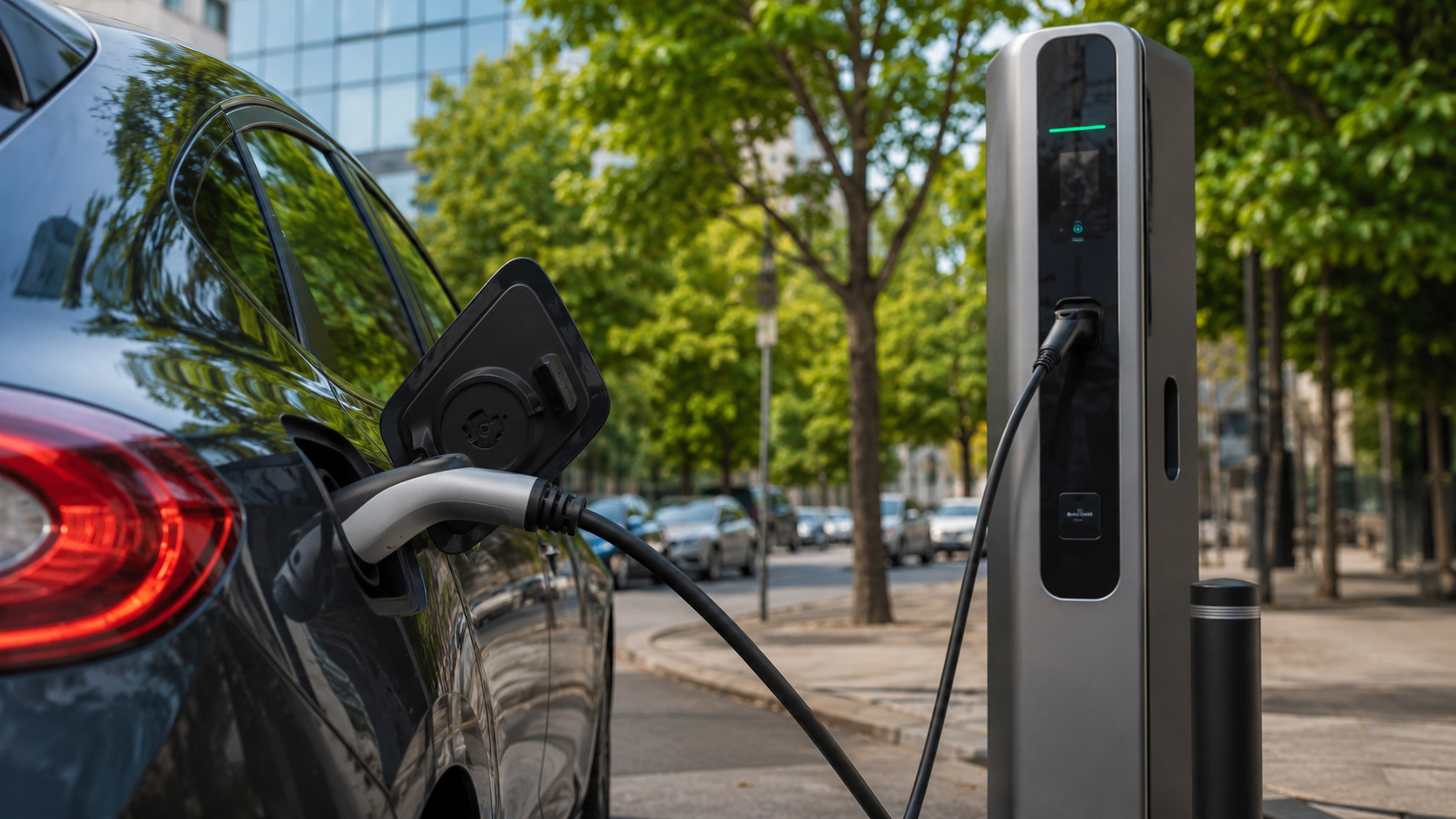

72% Growth Reveals Accelerated Expansion of Electric Cars in Brazil

According to Allianz’s survey, the volume of insured electric cars grew an impressive 72% between January and October 2025, compared to the same period last year. This advance directly accompanies the expansion of the electrified fleet in the country.
On the other hand, this growth is not by chance. It is mainly linked to the entry of new brands, especially Chinese ones, in addition to the gradual reduction in the price of some models. This way, access to electric vehicles becomes more viable for a larger portion of the population.
Furthermore, the increase in the fleet has allowed insurers to gather more data on driver behavior, claims frequency, and maintenance costs. Consequently, this volume of information contributes to fairer and more competitive pricing.
According to Fábio Morita, Executive Director of Automobile, Mass Market, and Life at Allianz Seguros, market maturation was essential for this change. Therefore, today there is already a more solid data base that allows for a better understanding of the risks involved.
Fewer Thefts, Fewer Accidents, and More Cautious Drivers Make a Difference
Despite the technological complexity of electric cars, insurers have identified positive factors that directly impact the insurance value. Firstly, these vehicles have a lower incidence of robberies and thefts.
Furthermore, data indicates that electric car drivers are involved in fewer accidents. This is largely because this demographic tends to adopt more cautious behavior behind the wheel.
Another relevant factor lies in advanced driver-assistance systems. Many electrified models feature safety technologies that help prevent collisions. As a consequence, the risk of claims significantly decreases.
Therefore, even with high repair costs, the lower frequency of incidents ultimately offsets this factor. This way, the final insurance value can become more accessible.
How Electric Car Insurance Works in Practice
In practice, the basic coverage for electric car insurance remains quite similar to that of conventional vehicles. That is, it includes protection against collision, robbery, theft, and total loss.
However, there are important differences related to electrification. Some insurers have started to include specific coverages, such as protection for high-voltage batteries and charging cables.
Furthermore, there are differentiated services, such as assistance in case of an electric dry breakdown — a situation where the vehicle runs out of charge. In this case, the service typically includes towing to a charging point or to the owner’s residence.
Meanwhile, insurers also had to adapt their structures. Allianz, for example, states it has trained specialized teams to deal with electrified vehicles.
Currently, the company has about 150 partner dealerships in Brazil, in addition to conducting periodic evaluations at accredited workshops. This way, it ensures that there is adequate infrastructure for high-voltage system repairs.
Profile of electric car drivers also influences insurance
Another important point of the survey is the profile of electric car owners. More than 60% of policyholders are between 36 and 55 years old, indicating a more mature and possibly more cautious audience.
Furthermore, the Southeast region accounts for 39% of policies issued, followed by the Northeast and South. Among the states, São Paulo leads the total volume of insurance, while Minas Gerais also stands out.
The data also shows that over 90% of insured vehicles are 2024 models or newer. In other words, it is an extremely new fleet.
Finally, almost half of the insured cars are in the price range between R$ 90,000 and R$ 130,000, which reinforces the intermediate positioning of this market in Brazil.
What to expect from the future of electric car insurance
Given this scenario, it is clear that electric car insurance tends to become increasingly competitive. As the fleet grows and the market matures, new opportunities arise for both consumers and insurers.
Furthermore, the technological evolution of vehicles and the more conscious behavior of drivers continue to be decisive factors. Therefore, everything indicates that this cost reduction trend may continue in the coming years.
Would you have more confidence in buying an electric car knowing that insurance might be cheaper than for a regular car?