






 Portuguese
  Spanish


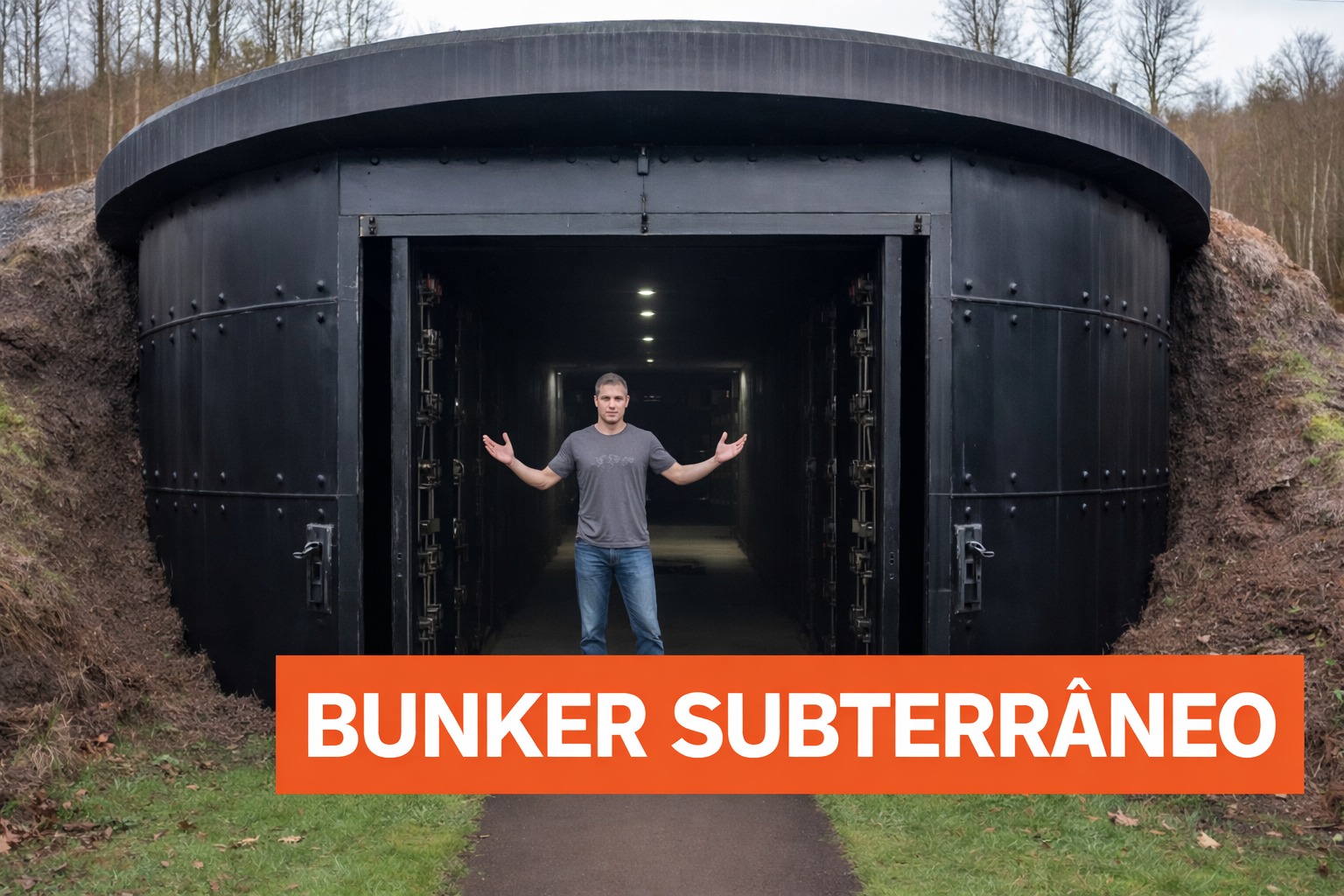


Underground Engineering Projects Combine Military Steel, Reinforced Concrete, NBC Filtration, Off-Grid Energy, and Comfort, Explaining Why Residential Bunkers Have High Costs and Become an Alternative for Extreme Scenarios
The construction of a high-end underground bunker has moved from fiction to a real civil engineering solution, with projects costing approximately $400,000 aimed at prolonged survival, combining extreme protection, total autonomy, and residential comfort in buried structures designed for critical scenarios.
Why the Investment Reaches $400,000
The high cost is directly related to the complexity of the project, which goes beyond an underground structure, incorporating military-grade materials, extreme resilience, and technical solutions designed for absolute and lasting insulation.
Specialized companies like Atlas Survival Shelters use treated steel and reinforced concrete, capable of withstanding soil pressure, external impacts, and contaminated environments without compromising internal safety.
-
17-Story Building with 112 Apartments Opens in Australia to House Homeless Population, Offering Fully Equipped Units with Daily On-Site Support

-
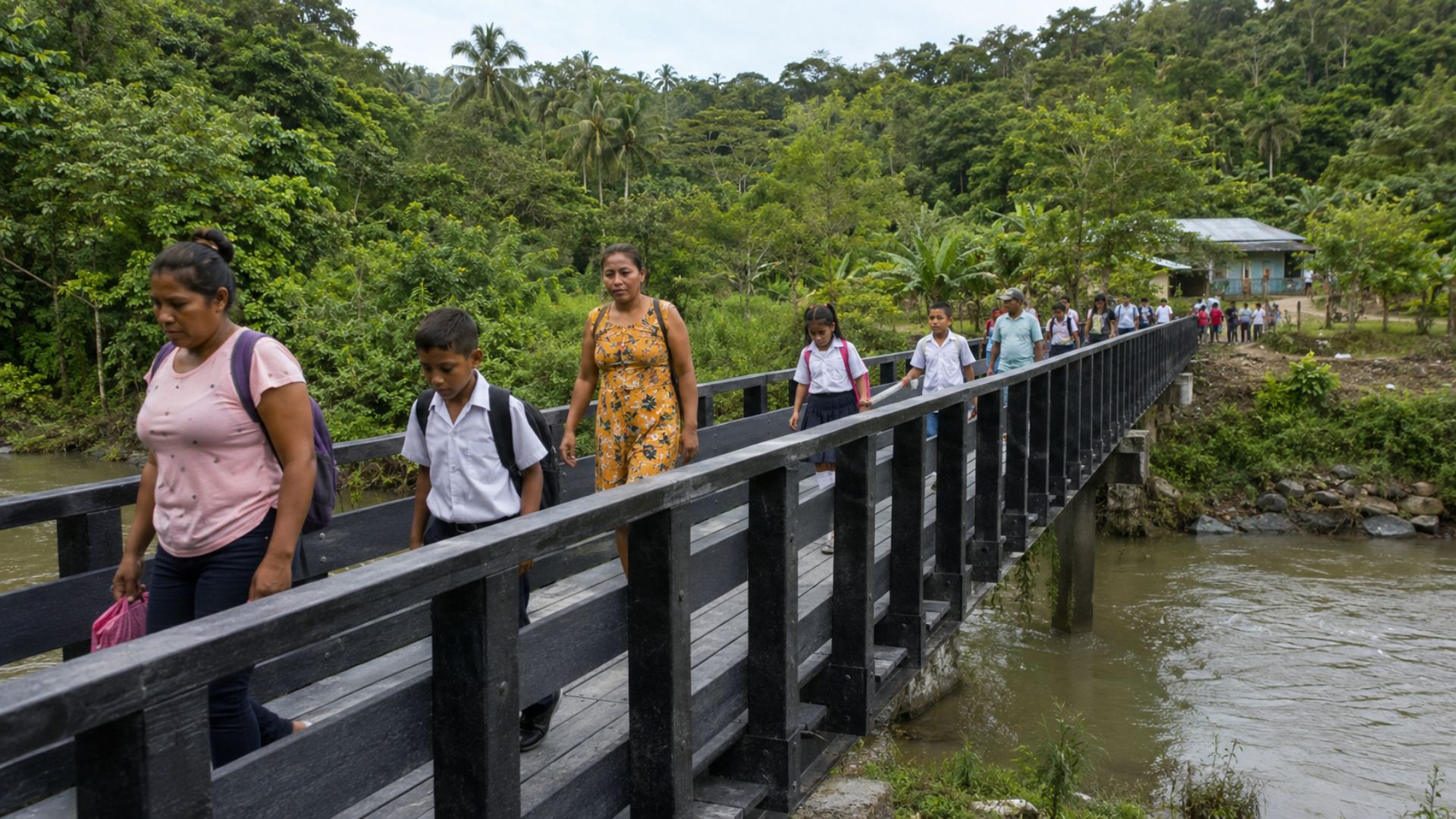
81-Meter Bridge Made from Over 7 Tons of Recycled Plastic Connects Isolated Communities in Panama Canal Basin, Allowing Safe Passage for Over 300 Residents
-
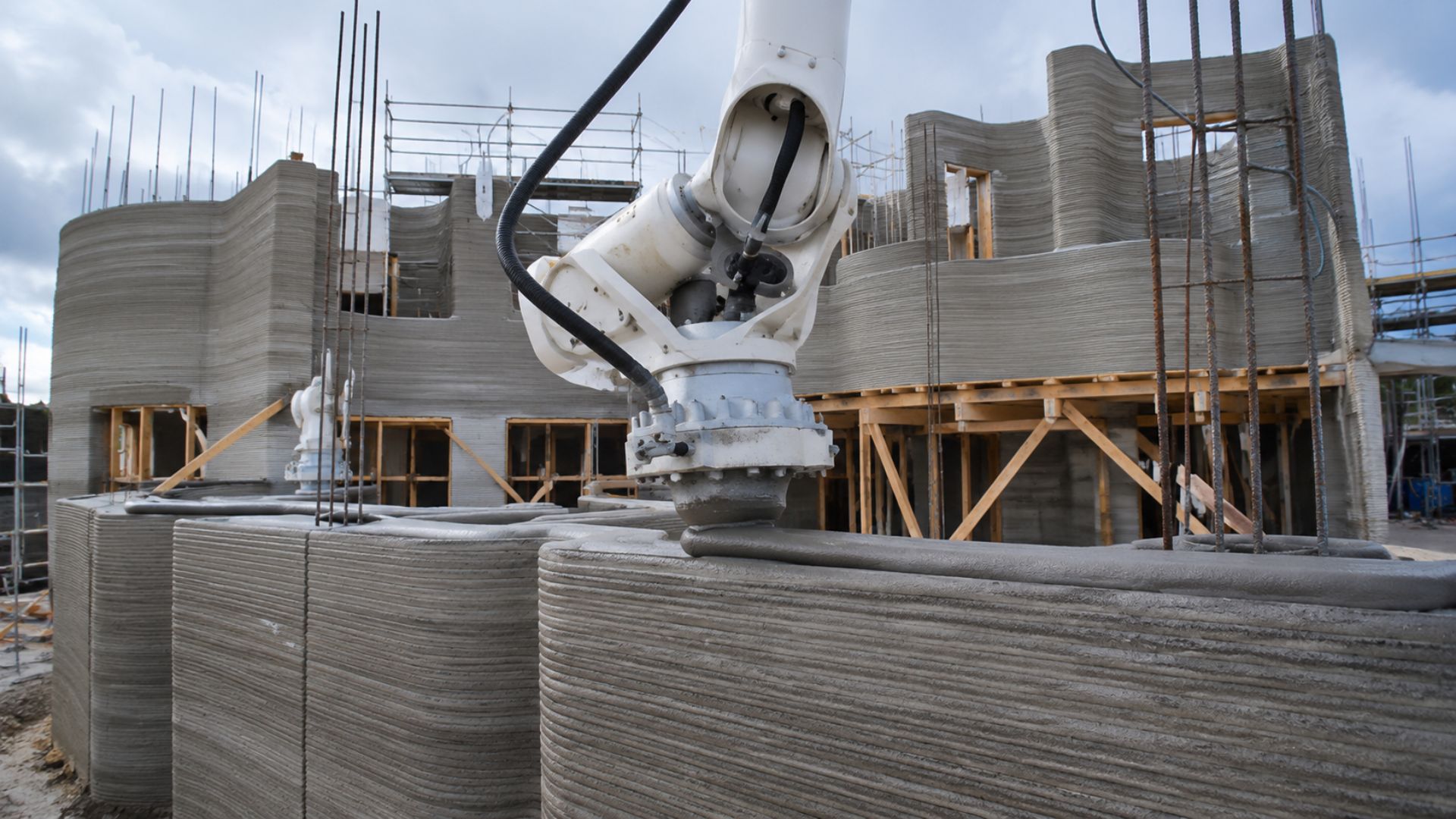
Australia’s First Two-Story 3D-Printed House Built in 18 Hours, 22% Cheaper Than Traditional Methods, Uses Concrete That Hardens in 3 Minutes
-
Architect Converts 1955 Grain Silo into 31m² Home with Full Amenities, Including Kitchen, Bathroom, Curved Living Room, and Loft Bedroom



In addition to the structure, the budget includes automation, redundant systems, and high-end interior finishes, transforming a buried corrugated tube into a functional and comfortable residence.
Critical Stages of Underground Construction
The process begins with precise and deep excavation, necessary to accommodate the module and ensure stability even in the face of soil movements and groundwater fluctuations.
Next, a solid base is installed to prevent structural displacements, a fundamental step to maintain the integrity of the shelter under tons of earth and potential debris.
After positioning, the phases of waterproofing and grounding begin, which prevent infiltrations, corrosion, and structural damage over long periods of use.

Sealing Systems and Secure Access to the Bunker
The entrances are conceived as critical defense points, with armored hatches and decontamination tunnels that completely isolate the internal environment from external threats.
These physical barriers create an absolute separation between the bunker and the outside, preventing the entry of harmful agents, water, or dangerous particles in extreme situations.
This setup ensures that the internal space remains sealed and protected even when the surrounding area becomes uninhabitable.
Life Support in an Isolated Environment
Subterranean breathing is enabled by NBC air filtration systems, capable of removing nuclear, biological, and chemical contaminants before internal circulation.
Water is managed autonomously, with storage tanks and internal recycling, ensuring a continuous supply for drinking, hygiene, and food preparation.
Pressure pumps and heating maintain functional bathing and cooking facilities, reproducing conditions similar to a conventional home, even in prolonged self-sufficient isolation.
Energy and Operation of the Bunker Off the Grid
The off-grid operation eliminates dependence on public networks, often vulnerable during disasters, ensuring energy autonomy for the bunker.
Hybrid systems combine surface-protected solar panels with lithium battery banks, keeping lighting, communication, and appliances continuously operational.
As a contingency, silent diesel generators come into operation, ensuring uninterrupted power for heating, cooling, and essential systems.
Comfort and Mental Health in Confinement
The interior is designed to preserve psychological health, with lighting that simulates natural cycles and separate areas for rest, work, and daily leisure.
A full kitchen, private bedrooms, functional bathrooms, and entertainment areas allow for maintaining routines, while hydroponic greenhouses provide fresh vegetables to complement the diet.
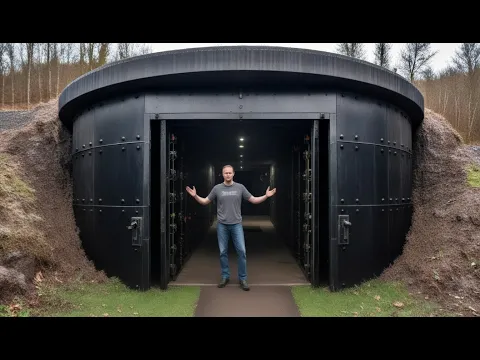
A video from the channel Not Fake: fyp, with over 4 million views, details the complete construction of such a secret bunker, highlighting each stage and involved system.
With information from BMC News.





É. Muita ****.
Anda ya! 400$
400$??!!! Anda ya…!!!!!